
Liothyronine (T3) – Patient Guide (Australia)
Liothyronine is a medicine containing liothyronine sodium, a form of thyroid hormone also known as triiodothyronine (T3). It is used to treat thyroid hormone deficiency (hypothyroidism) and certain thyroid-related conditions. This guide is designed to help you understand how liothyronine works, how it’s typically taken, and key safety considerations.
Basic product information
- Active ingredient: Liothyronine sodium (T3)
- Hormone type: Thyroid hormone (triiodothyronine)
- Common strengths: Available in tablet strengths (varies by brand/manufacturer)
- Therapeutic use: Hypothyroidism and specific thyroid hormone replacement needs
- How it’s supplied: Tablets
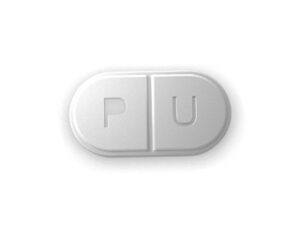
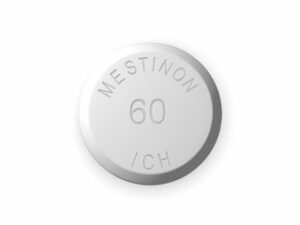
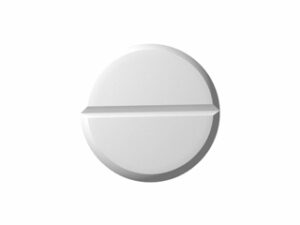
Different brands may vary in appearance and strength. Always check the exact product name and strength on your packaging.
How liothyronine works (mechanism of action)
Liothyronine (T3) works by replacing thyroid hormone in the body. T3 enters cells and binds to nuclear thyroid hormone receptors, influencing gene expression. This helps regulate:
- Metabolism: Increases energy use and heat production
- Growth and development: Supports normal development of the brain and body in childhood
- Heart function: Helps maintain appropriate heart rate and cardiac output
- Body systems: Affects digestion, muscle function, and neurologic activity
- Cholesterol metabolism: Can reduce elevated cholesterol in hypothyroidism
In straightforward terms: if your thyroid isn’t producing enough hormone, liothyronine provides the active hormone needed for normal body function.
Pharmacokinetics (how the body handles it)
Pharmacokinetics describes what the body does with a medicine. For liothyronine:
- Absorption: Tablets are absorbed from the gastrointestinal tract.
- Distribution: T3 binds to thyroid hormone transport proteins in blood.
- Metabolism: Thyroid hormones are metabolised mainly in the liver and other tissues.
- Half-life: T3 generally has a shorter duration of action than levothyroxine (T4).
- Onset: Effects may begin within days, but full steady improvement can take weeks.
Because T3 is a more rapidly acting hormone than T4, timing and dose scheduling can matter more for symptom control and avoiding “peaks” and “troughs.”
Typical use (when it may be prescribed)
Liothyronine is used when thyroid hormone replacement is needed, including situations where T3 is specifically considered. Common clinical uses include:
- Hypothyroidism: When treatment aims to restore normal thyroid hormone levels
- Combination therapy: Sometimes used alongside levothyroxine in selected people under clinical care
- Persistent symptoms despite thyroid testing: In carefully monitored cases, clinicians may evaluate whether adjustments are appropriate
- Special circumstances: Certain thyroid-related management strategies may involve T3
The most appropriate choice (liothyronine alone, levothyroxine alone, or combination therapy) depends on your thyroid condition, blood test results, symptoms, age, heart health, and other medicines.
Indications (what it is used to treat)
In general terms, liothyronine is indicated for conditions requiring thyroid hormone replacement, including:
- Primary hypothyroidism (underactive thyroid)
- Post-thyroidectomy hypothyroidism (after thyroid surgery)
- Central hypothyroidism (underactive thyroid function due to pituitary/hypothalamus causes)
- Selected cases where T3 is considered beneficial based on clinical assessment and thyroid function tests
If you’re unsure why you’ve been given liothyronine, ask your pharmacist or clinician to explain the purpose for your specific situation.
How to take liothyronine (timing and practical tips)
General timing guidance
Many people are advised to take thyroid hormone consistently, typically:
- Once or divided doses: depending on your prescribed regimen and the stability you need
- On an empty stomach: often recommended to improve absorption
- Same time each day: helps maintain steadier thyroid levels
If your instructions differ, follow the dosing directions on your packaging and the guidance provided by your healthcare professional.
Practical use tips
- Be consistent: Keep dosing time as regular as possible.
- Aim for separation from interacting products: See the food and medicine interaction sections below.
- Track symptoms: Note changes such as palpitations, tremor, heat intolerance, weight changes, energy levels, and bowel habits.
- Don’t stop suddenly: Abrupt stopping may worsen hypothyroid symptoms.
- Get blood tests when advised: Your clinician will adjust dose based on thyroid function results.
Dosing overview (important)
The appropriate dose of liothyronine depends on factors such as your age, heart health, severity of hypothyroidism, and your thyroid blood test results. Dose changes should be guided by a clinician and by monitoring results.
Typical starting and adjustment principles
- Lower starting doses: are often used in older adults or anyone with heart disease.
- Gradual adjustments: help reduce the risk of excess thyroid hormone.
- Monitoring: commonly focuses on thyroid function tests (including TSH and free T3/free T4 as appropriate).
Missed dose
If you miss a dose, take it when you remember unless it is close to the next dose. If it’s almost time for the next dose, skip the missed dose and continue as normal. Avoid doubling doses. If you’re unsure, ask your pharmacist.
Note: Specific regimens vary. Always follow the instructions you were given with your medicine.
Food interactions (what to avoid and why)
Some foods and drinks can reduce absorption of thyroid hormone or change how consistently it works. To optimise absorption, many people take liothyronine:
- With water and without food immediately afterward
- At a consistent time each day
Common interaction concerns
- High-fibre diets: may affect absorption in some people
- Large meals close to dosing: may reduce absorption consistency
- Certain beverages: coffee may interfere with absorption for some individuals if taken too close to the dose
Practical approach: if you take liothyronine in the morning, consider taking it, then waiting before eating (as guided by your clinician/pharmacist). If you change your meal pattern significantly, let your healthcare team know because it may affect thyroid levels.
Alcohol and medicine interactions
Alcohol can affect health in many ways, but there is no universal “banned” rule for alcohol with liothyronine. However, alcohol may:
- Increase side effects such as dizziness or palpitations in some people
- Influence liver metabolism and overall nutrition
- Disrupt sleep, which can worsen sensitivity to thyroid level changes
If you drink alcohol, consider moderation and pay attention to how you feel. Seek medical advice if you have liver disease, are taking multiple medicines, or notice symptoms like rapid heartbeat or anxiety that seem to correlate with alcohol intake.
Alcohol interaction with other medicines
The interaction risk often relates more to what other medicines you take alongside liothyronine. For example, alcohol may interact with:
- Medicines that affect the heart rhythm
- Sedatives or medications that affect the central nervous system
- Medicines that require careful monitoring
If you’re unsure, ask your pharmacist for advice about combining alcohol with your specific medication list.
Medication interactions (important overview)
Several medicines can affect thyroid hormone levels, absorption, or metabolism. Tell your pharmacist about all medicines you use, including:
- Prescription medicines
- Over-the-counter products
- Herbal supplements
- Vitamins (especially those containing iodine or high-dose biotin)
Medicines that may reduce absorption or effectiveness
- Iron supplements
- Calcium supplements
- Antacids containing aluminium or magnesium
- Some cholesterol-lowering agents (e.g., bile acid sequestrants)
- Some gastrointestinal medications that alter acidity
Medicines that may increase or alter thyroid hormone metabolism
- Enzyme-inducing medicines (some anti-seizure medications, certain antibiotics like rifampicin)
- Some cancer medicines that influence thyroid pathways
Medicines that may change heart risk
- Medicines that affect heart rhythm or heart rate may require extra caution if thyroid levels are high.
A common practical strategy is to separate interacting products by several hours. Exact timing depends on the product. Ask your pharmacist for a personalised timetable.
Safety profile and side effects
Like all medicines, liothyronine can cause side effects. The goal of treatment is to reach a thyroid hormone level that improves symptoms without causing excess thyroid hormone.
Signs of too much thyroid hormone (over-treatment)
Excess thyroid hormone (often from taking too high a dose or changes in absorption) can lead to symptoms such as:
- Palpitations or fast heart rate
- Tremor, restlessness, anxiety
- Heat intolerance and increased sweating
- Unintentional weight loss or increased appetite
- Diarrhoea or more frequent bowel movements
- Difficulty sleeping
Seek urgent medical attention if you experience chest pain, fainting, or a severe/rapid heartbeat.
Signs of too little thyroid hormone (under-treatment)
- Ongoing tiredness or low energy
- Cold intolerance
- Dry skin, hair changes
- Constipation
- Weight gain
If symptoms persist or worsen, discuss your dose and monitoring plan with your healthcare team.
Special safety considerations
- Heart disease: Higher thyroid levels can strain the heart; careful dose selection is important.
- Pregnancy planning or pregnancy: Thyroid hormone needs can change during pregnancy; specialist monitoring is essential.
- Older adults: May be more sensitive to over-treatment.
- Children: Dosing must be carefully tailored and monitored.
This information is a general guide. Your pharmacist can help you understand the side effect profile relevant to your personal situation.
When to be extra cautious
Consult a healthcare professional before or soon after starting liothyronine if you have any of the following:
- Angina, known heart rhythm problems, or a history of heart attack
- Uncontrolled diabetes (thyroid status may affect glucose control)
- Adrenal insufficiency (especially if starting thyroid hormone—clinicians often ensure adrenal status is addressed)
- Ongoing use of medicines that affect heart rate or rhythm
- Significant gastrointestinal conditions that may affect absorption
Monitoring and practical follow-up
Thyroid treatment works best with appropriate blood test monitoring and dose adjustment. Common monitoring includes:
- TSH (often used to gauge pituitary response)
- Free T3 and free T4 depending on clinical context
- Symptom check (energy, sleep, heart-related symptoms)
- Cardiovascular monitoring if you’re at higher risk (e.g., heart disease)
If you take biotin supplements, tell your clinician or pharmacist. Biotin can interfere with some laboratory thyroid tests.
Alternative options (what else may be used)
Alternative thyroid hormone replacement options may include:
- Levothyroxine (T4): Often the most commonly used thyroid replacement hormone
- Combination therapy (T4 + T3): In select cases where additional considerations apply
- Other thyroid preparations: Depending on availability and clinical circumstances
The best choice depends on your diagnosis, labs, symptoms, age, and any co-existing health conditions. Do not switch products without professional guidance and a monitoring plan.
Australia: market and legal context
In Australia, thyroid medicines are provided within a regulated healthcare framework. Supply of prescription-only medicines follows strict requirements, and online pharmacies must operate under Australian standards and relevant legislation.
Availability can vary by brand and strength. Your pharmacy may be able to advise on expected stock timelines and substitute options if a specific brand is unavailable.
Recent guidance (general themes)
In recent years, Australian clinical practice has continued to emphasise:
- Individualised therapy based on thyroid blood results and symptoms
- Careful monitoring to avoid under- or over-treatment
- Ongoing evaluation of combination therapy (T4 + T3) in selected patients, balancing potential benefits against risks such as palpitations and bone effects in those who are over-replaced
Always rely on the most current advice from your healthcare professional for your particular situation.
Delivery and availability (online pharmacy)
Availability of liothyronine tablets can depend on the specific brand and strength. If you order online, you may receive:
- In-stock dispatch for commonly requested strengths
- Backorder or substitute options if a specific product is temporarily unavailable (only where permitted and appropriate)
- Tracking updates once your order ships
Delivery times vary by location within Australia. The pharmacy website you’re using will display expected dispatch and delivery estimates at checkout. If you have a time-critical need, contact the pharmacy for stock confirmation.
Practical advice: getting the best results
- Use one consistent schedule: take it at the same time each day.
- Separate interacting products: create a gap between liothyronine and iron/calcium/antacids (ask your pharmacist for exact timing).
- Be mindful of changes: tell your clinician if you change diet, start a new supplement, or begin a new medicine.
- Watch for heart-related symptoms: particularly in the first weeks after dose changes.
- Attend follow-up tests: dose adjustments are safer when guided by blood results.
- Keep tablets in original packaging: protect from moisture and follow storage directions on the label.
FAQ – Liothyronine (T3)
1) What is liothyronine used for?
Liothyronine is used to replace thyroid hormone in people who need treatment for hypothyroidism or other thyroid-related situations where T3 is considered appropriate based on clinical assessment and thyroid blood tests.
2) How quickly will I feel better?
Some people notice changes in energy or symptoms within days, but full improvement can take several weeks. Thyroid levels and TSH response may require time to stabilise, and your dose may be adjusted based on follow-up tests.
3) Should I take liothyronine with food?
Many patients are advised to take it on an empty stomach to improve absorption. If you must take it with food due to nausea, discuss this with your pharmacist or clinician so they can consider monitoring changes.
4) What foods can interfere with it?
High-fibre meals, coffee taken too close to your dose, and large meals shortly afterward may affect absorption for some people. For best consistency, take your dose at a similar time each day and follow advice given to you regarding waiting before eating.
5) Can I drink alcohol while taking liothyronine?
Many people can drink alcohol in moderation, but alcohol may worsen side effects such as palpitations or sleep disturbance. If you notice symptoms after drinking, reduce intake and speak with your healthcare professional.
6) What medicines commonly interact with liothyronine?
Several medicines and supplements can affect absorption or thyroid hormone metabolism, including iron, calcium, certain antacids, and some other medicines that influence liver enzymes. Always provide a complete list of your medicines to your pharmacist.
7) What should I do if I miss a dose?
Take it when you remember unless it’s close to the next dose. If it’s near the next dose, skip the missed dose and continue as normal. Do not double doses.
8) What side effects are most concerning?
Symptoms that suggest too much thyroid hormone—such as rapid heartbeat, chest pain, severe palpitations, or fainting—require urgent attention. Other effects like tremor, anxiety, heat intolerance, and diarrhoea may also indicate over-treatment.
9) Do I need blood tests?
Yes. Blood tests help confirm your thyroid hormone levels are in the target range and guide dose adjustments. Follow your clinician’s schedule.
10) Can I switch brands?
You may be able to switch brands if strengths and ingredients are equivalent, but it’s best to discuss switching with your pharmacist and ensure you monitor results after any change—particularly if switching affects your dosing schedule or tablet strength.
Important: This page provides general information about liothyronine. Individual treatment decisions depend on your diagnosis, health history, and thyroid function test results. If you have questions about your regimen, side effects, or interactions, speak to your pharmacist or clinician.