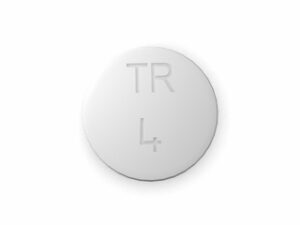


Cabergoline (Dostinex® and generics) – Patient Information (Australia)
Cabergoline is a medicine used to treat certain hormone-related conditions, most notably disorders caused by high levels of the hormone prolactin. It works by directly stimulating dopamine receptors in the brain. This patient-friendly guide explains what cabergoline is, how it works, how it is used, and what to consider for safe, effective use in everyday life in Australia.
Always follow the advice provided by your healthcare professional. If you have questions about your specific condition or suitability, speak with a clinician or pharmacist.
Basic product information
| Item | Details |
|---|---|
| Medicine name | Cabergoline |
| Common brand example | Dostinex® (and equivalent generics) |
| Medicine class | Dopamine receptor agonist (ergot-derived) |
| How it’s taken | Oral tablets |
| Typical dosing frequency | Often once to twice weekly (condition-dependent) |
| Key clinical benefit | Reduces prolactin levels and can reduce tumour size in selected cases |
How cabergoline works (mechanism of action)
Cabergoline is a dopamine receptor agonist. In the body, dopamine helps regulate the release of prolactin from the pituitary gland (a small hormone-producing gland at the base of the brain).
- Cabergoline stimulates dopamine receptors on pituitary cells.
- This inhibits prolactin secretion, lowering prolactin levels in the blood.
- In people with a prolactin-secreting pituitary tumour, lowering prolactin often helps shrink the tumour and improve related symptoms.
By acting on dopamine pathways, cabergoline can also influence other hormone systems, which is why careful dosing and monitoring are important.
Pharmacokinetics (how the body handles cabergoline)
Pharmacokinetics describe absorption, distribution, metabolism, and elimination—how your body processes the medicine. While individual responses vary, the following are generally understood characteristics.
- Absorption: Cabergoline is absorbed after oral administration.
- Peak effect: Effects on prolactin can be seen relatively quickly, but full clinical outcomes may take weeks as prolactin levels stabilise.
- Half-life: Cabergoline has a long duration of action, which is one reason it is often dosed once or twice weekly rather than daily.
- Metabolism: The medicine is metabolised primarily through liver pathways.
- Elimination: Metabolites are eliminated mainly via faeces and urine.
If you have liver impairment, older age, or take multiple medicines, your clinician may adjust monitoring or dosing.
Typical uses (indications)
Cabergoline is used for conditions associated with elevated prolactin and related symptoms, including:
- Hyperprolactinaemia (high prolactin levels) when treatment is needed.
- Prolactin-secreting pituitary adenomas (prolactinomas), including:
- When reducing prolactin and improving symptoms is required.
- In selected cases where tumour size reduction is an aim.
- Menstrual and reproductive hormone problems related to high prolactin (e.g., irregular periods, reduced fertility), as determined by your clinician.
- Other specialist-approved uses depending on diagnosis and patient factors.
The exact indication and dosing schedule depend on your diagnosis, prolactin levels, symptoms, and how you respond over time.
Timing and how to take cabergoline
Cabergoline is typically taken with a prescribed schedule. In many cases, patients take it once weekly or twice weekly. The goal is to maintain steady dopamine receptor activity while minimising side effects.
- Choose a consistent day/time: Taking your dose on the same day(s) each week can help you remember.
- With or without food: You can usually take cabergoline as directed. Some people prefer taking it with food if they experience nausea, but follow your clinician’s instructions and the product label.
- Do not double up: If you miss a dose, contact your pharmacist or clinician for advice. Do not take an extra dose unless specifically told to.
- Stay consistent: Switching schedules without guidance may affect symptom control.
If you are unsure about your dosing pattern, check the medication label and ask your pharmacist. Many patients use weekly dosing calendars to improve adherence.
Food interactions
Food can affect tolerance and, in some medicines, absorption. For cabergoline, the most practical consideration is side effects such as nausea.
- Take with food if needed: If nausea occurs, taking the dose with a light meal may help some people.
- Avoid very heavy meals right before/after dosing: While not always required, heavy food may worsen nausea for some individuals.
- Follow your personal plan: Your clinician may recommend timing adjustments to improve comfort.
There are no universally required dietary restrictions, but maintaining hydration and eating regular meals may help manage common side effects.
Alcohol interactions
Alcohol can worsen common cabergoline side effects such as dizziness, drowsiness, and light-headedness. It may also increase the risk of unsafe driving or falls.
- Limit or avoid alcohol especially when starting treatment or increasing the dose.
- Be cautious with operating machinery or driving if you feel dizzy or sleepy.
If you want guidance specific to your situation (e.g., whether moderate alcohol is acceptable), discuss it with your pharmacist or prescriber.
Interactions with other medicines
Cabergoline may interact with other medicines, particularly those affecting dopamine pathways, blood pressure, or liver metabolism. Always tell your clinician and pharmacist about all medicines you take, including over-the-counter products and herbal supplements.
Medicines that may increase dizziness or low blood pressure
- Some medicines for high blood pressure or heart conditions
- Medicines that can cause sedation
Medicines that affect dopamine activity
- Antipsychotics and other medicines that reduce dopamine signalling may reduce cabergoline’s effectiveness.
- Some anti-nausea medicines and psychiatric medicines may also interact—your pharmacist can check compatibility.
Important practical step
Ask a pharmacist to review your “medicine list” for interaction risk. This is especially important when:
- Starting cabergoline for the first time
- Increasing the dose
- Adding or stopping other medicines
- Taking multiple medicines that affect blood pressure or the nervous system
Dosing guidance (general information)
Dosing depends on the reason for treatment, your response, and how well you tolerate the medicine. A clinician will determine the starting dose and adjust gradually in many cases to balance effectiveness with side effects.
- Start low, increase as needed: Many patients begin with a low dose and increase slowly if required.
- Weekly schedule is common: Cabergoline is often prescribed once or twice weekly.
- Monitor prolactin levels: Dose adjustments are typically based on blood test results and symptom improvement.
To be safe, only use the dose written on your medication label. Do not change the number of tablets or frequency without guidance.
What dose adjustments may involve
Your clinician may adjust dosing based on:
- Prolactin blood test results
- Symptoms such as menstrual changes, fertility concerns, or galactorrhoea (milk discharge)
- Tumour response (if imaging is part of your care)
- Tolerability (nausea, dizziness, low blood pressure)
Safety profile and important warnings
Most people tolerate cabergoline, but it can cause side effects—especially early in treatment or after dose increases. It’s important to know what to watch for and when to seek help.
Common side effects
- Nausea
- Headache
- Dizziness or light-headedness
- Fatigue
- Low blood pressure (sometimes especially when standing up)
Less common but important risks
- Impulse control problems (behavioural changes such as compulsive gambling, increased libido, or compulsive spending) have been reported with dopamine agonists. If you notice unusual urges or behaviours, contact your clinician promptly.
- Heart valve problems (rare, but important): With longer-term use—particularly at higher doses—dopamine agonists have been associated with valve abnormalities. Your clinician may consider echocardiography or regular monitoring depending on your dose and duration.
- Psychiatric symptoms (e.g., confusion or unusual mood changes) in some individuals.
- Fainting or severe dizziness: seek urgent advice if this occurs.
When to seek urgent medical help
Seek urgent medical attention if you experience:
- Fainting or severe dizziness
- Chest pain, severe shortness of breath, or swelling of the legs
- Signs of an allergic reaction (e.g., swelling of face/lips, rash, difficulty breathing)
- Severe or persistent behavioural changes that concern you or others
Practical use tips (to get the most from treatment)
- Use a weekly schedule: Mark your dose days on a phone or calendar. Weekly treatment is easier when the schedule is fixed.
- Plan for early side effects: When starting, consider taking the dose at a time when you can rest if you feel dizzy or nauseous.
- Get up slowly: To reduce light-headedness, stand up gradually, especially in the morning.
- Hydrate: Staying well-hydrated can help minimise dizziness for some people.
- Keep a symptom diary: Track changes in menstrual regularity, discharge, headaches, visual symptoms, energy, and mood.
- Attend monitoring appointments: Regular blood tests and any recommended heart checks support safe, effective therapy.
- Don’t stop suddenly: If you need to stop or switch treatment, seek guidance. Stopping abruptly may affect your hormone control.
Alternative options (discuss with your clinician)
Treatment for hyperprolactinaemia depends on the cause (e.g., pituitary adenoma, medication-induced prolactin rise, pregnancy status, or other conditions). Alternatives may include:
Medicines
- Other dopamine agonists (commonly used alternatives) may be considered depending on individual response and tolerability.
- Hormonal or symptom-directed treatments in certain situations (e.g., fertility planning or menstrual management), depending on diagnosis.
Non-medicine options
- Surgery for selected pituitary tumour cases.
- Radiotherapy when appropriate in specific cases.
Your clinician can explain which options suit your diagnosis, prolactin trend, imaging results, and personal preferences.
Market and legal context for Australia
In Australia, access to medicines is regulated by the Therapeutic Goods Administration (TGA) and overseen through the National Medicines Policy framework and state/territory pharmacy regulations.
- Cabergoline-containing products are regulated medicine(s) supplied under Australian pharmaceutical requirements.
- Availability may vary across brands and generic equivalents.
- Clinicians consider individual patient factors and monitoring needs, especially for long-term safety.
Product supply, naming, and availability can change. Your pharmacist can confirm the exact product available at the time you order.
Recent guidance and monitoring (general overview)
Medical guidance for cabergoline use focuses on:
- Individualised dosing and gradual titration where appropriate.
- Monitoring prolactin to guide effectiveness.
- Assessing heart valve risk with longer-term or higher-dose therapy—often using echocardiography or similar approaches when clinically indicated.
- Awareness of impulse-control changes and behavioural side effects associated with dopamine agonists.
If you have been on cabergoline for some time, ask your clinician whether any additional monitoring (such as heart checks) is recommended for your particular dose and duration.
Delivery and availability (online pharmacy information)
When purchasing cabergoline online in Australia, availability depends on stock levels, brand/generic supply, and product strength.
- Check product strength and quantity: Tablets come in different strengths depending on the brand and generic form.
- Allow time for dispatch and courier delivery: Delivery timeframes vary by location.
- Packaging: Medicines are supplied in manufacturer-approved packaging when available.
If you require a specific brand (or need a generic equivalent), contact customer support or ask a pharmacist to help confirm the best match for your prescription and dosing schedule.
FAQ – Frequently asked questions about cabergoline
1) What is cabergoline used for?
Cabergoline is used to lower high prolactin levels (hyperprolactinaemia) and treat prolactin-related conditions such as prolactin-secreting pituitary tumours in appropriate cases.
2) How long does it take to work?
Prolactin levels may begin to fall soon after starting, but noticeable symptom improvement can take several weeks. Your clinician will typically monitor blood tests and symptoms to guide dosing adjustments.
3) Why is cabergoline taken once or twice a week?
Cabergoline has a long duration of action in the body. This allows weekly dosing for many patients, improving convenience and adherence.
4) Can I take cabergoline with food?
Many people can take cabergoline with or without food. If nausea occurs, taking it with a light meal may improve tolerability. Follow the instructions on your medication label and advice from your clinician.
5) What should I do if I miss a dose?
Do not double up unless you are specifically instructed to. Contact your pharmacist for guidance based on your dosing day(s) and schedule.
6) Can I drink alcohol while taking cabergoline?
Alcohol can increase dizziness or sleepiness and may raise the risk of side effects. It’s generally best to limit alcohol, particularly when starting or increasing your dose.
7) Are there any medicines I should avoid?
Some medicines—especially those affecting dopamine signalling or blood pressure—can interact with cabergoline. Provide your full medicine list to your pharmacist so they can check for interaction risks.
8) What side effects are most common?
Nausea, headache, dizziness, fatigue, and possible low blood pressure are among the more common effects. These often improve as your body adapts, especially when doses are increased gradually.
9) Is cabergoline safe for long-term use?
Many patients use cabergoline long-term under medical supervision. Because of potential rare risks (including heart valve concerns at higher or prolonged doses), follow recommended monitoring and attend scheduled reviews.
10) What should I monitor or report to my doctor?
Report troublesome dizziness/fainting, persistent nausea, new breathing difficulties or chest symptoms, and any unusual urges or compulsive behaviours. Also let your clinician know about changes in mood, sleep, or behaviour.
Summary
Cabergoline is a dopamine receptor agonist that helps reduce elevated prolactin levels and can relieve symptoms associated with prolactin disorders, including prolactin-secreting pituitary tumours. It is commonly taken once or twice weekly due to its long-lasting effects. Safe and effective use depends on correct dosing, awareness of side effects (including dizziness and rare heart-related risks), attention to monitoring, and careful consideration of interactions—particularly with other medicines affecting dopamine pathways or blood pressure.
If you’d like, you can share your current dosing schedule and other medicines you take (including vitamins or herbal products), and a pharmacist can help you check for interaction and practical administration tips.