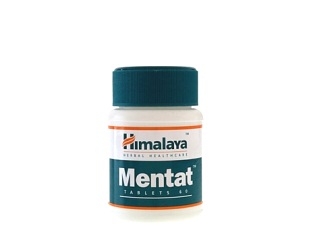


Mentat (Australia) – Patient-Friendly Guide
Mentat is a well-known supplement/brain-health product used by many people in Australia to support mental performance and everyday focus. This page explains what Mentat is, how it may work, how it’s typically used, and important safety information—written in a clear, patient-friendly way.
Always check the product label for the exact ingredients and strength for your specific Mentat variant, as formulas can change over time. If you have questions about suitability for your health needs, speak with a pharmacist or doctor.
Key product information
| Category | What it is |
|---|---|
| Brand | Mentat |
| Type | Oral supplement for mental performance/focus (exact ingredients vary by product) |
| Common route | By mouth (tablets/capsules/liquid, depending on formulation) |
| Typical use | To support concentration, memory and mental clarity as part of daily routines |
| Availability | May be available online and in select retail/pharmacy channels in Australia (subject to stock) |
What is Mentat?
Mentat is marketed as a product that may support learning, memory, concentration and mental energy. Many users take it as part of a daily routine—particularly during study, work deadlines, travel, or periods of intense mental demand.
Mentat products typically contain a blend of ingredients commonly used in brain-support supplements (for example, herbal extracts and nutrients). The exact ingredient list, amounts, and directions are printed on your specific pack.
How Mentat may work (mechanism of action)
Because Mentat formulations can differ, the precise mechanism depends on the ingredients in your particular product. In general, brain-support supplements aim to support mental performance through one or more of the following pathways:
- Neurotransmitter support: Some ingredients may help maintain normal signalling in the brain, which can influence attention and cognition.
- Antioxidant activity: Certain components may help protect brain cells from oxidative stress.
- Energy metabolism support: Ingredients may support normal cellular energy processes, which can affect mental alertness.
- Stress and mental fatigue resilience: Some herbal compounds are used traditionally or studied for effects related to stress response and cognitive endurance.
If you want the most accurate explanation for your Mentat product, check the ingredient list on the pack and compare it with any product information from the manufacturer.
Pharmacokinetics (what the body may do with it)
Pharmacokinetics describes how the body absorbs, distributes, metabolises and eliminates ingredients. For supplements, detailed pharmacokinetic data may be limited compared with prescription medicines.
In practical terms, Mentat ingredients are typically taken orally and are absorbed through the gastrointestinal tract. After absorption, they may be distributed throughout the body, including tissues like the brain, depending on their chemical properties. Many supplement ingredients are then metabolised by the liver and eliminated mainly via the kidneys and/or bile.
Onset and timing: Some people notice changes in focus or mental clarity within days, while others report benefits after consistent daily use over 2–4 weeks. Individual response varies.
Typical uses and indications
Mentat is commonly used to help support:
- Concentration during work or study
- Memory and learning support
- Mental clarity and day-to-day cognitive performance
- Support during periods of increased mental workload
Mentat is intended for general wellness and cognitive support. It is not meant to replace a healthy lifestyle, good sleep, balanced nutrition, or appropriate medical care.
How to take Mentat (dosing guidance)
Dosing depends on the specific Mentat product you have (tablet/capsule/liquid and the ingredient strength). Always follow the dose on the label or the directions provided by your pharmacist or the manufacturer.
Typical dosing patterns reported by users/supplement guidelines:
- Adults: Often taken once daily or in divided doses, depending on product strength.
- Start low: Some people begin with a lower dose to assess tolerance, then follow label directions.
- Consistency: Regular use at the same time each day may help you notice effects.
If you are unsure about the correct dose for your Mentat variant, check the label’s “Directions” section or consult a pharmacist.
When to take Mentat (timing and routine)
Many users choose timing that aligns with their focus needs. Common approaches include:
- Morning or early afternoon: To support daytime concentration.
- Before mentally demanding tasks: Some take it 30–60 minutes before study or work, if consistent with label directions.
- A consistent daily schedule: Helps track whether it supports you over time.
If Mentat appears to make you feel unusually alert or affects your sleep, consider taking it earlier in the day.
Food interactions
Food interactions for supplements depend on the specific ingredients. As general advice:
- Take with food if your stomach is sensitive: Some people find it easier to tolerate with meals.
- Follow label directions: If the label says to take with food or on an empty stomach, respect that.
- High-fat meals: For some supplement ingredients, absorption may be increased with food—however, this varies by formula.
If you have gastrointestinal reflux, nausea, or a history of stomach upset with supplements, take it with food and monitor your response.
Alcohol and medicine interactions
Alcohol
Occasional alcohol use is not necessarily contraindicated for all supplements, but alcohol may worsen sleep quality, increase dehydration, and affect attention and memory—counteracting the goals of cognitive support.
For best results, keep alcohol consumption moderate and avoid taking Mentat and alcohol close together if alcohol affects your concentration or sleep.
Interactions with other medicines and supplements
Mentat contains multiple ingredients, so interactions may depend on what else you take. Always review your current medicines (including vitamins, herbal products and over-the-counter medications) with a pharmacist if you:
- Take medicines for blood pressure or heart rhythm
- Take anticoagulants/antiplatelets (blood thinners)
- Take medicines for depression, anxiety or sleep
- Have liver or kidney disease
- Take multiple supplements at the same time
If your Mentat ingredients include herbs with known activity in the body, there may be interaction potential with certain medications. A pharmacist can check for any likely issues based on your exact product and your medicine list.
Safety profile and side effects
Most people tolerate Mentat well when used as directed. However, as with any oral product, side effects can occur. These may depend on your personal sensitivity to ingredients.
Possible side effects
- Gastrointestinal upset: nausea, stomach discomfort, or bloating
- Headache (occasionally)
- Changes in alertness: feeling more “wired” or, less commonly, unusual drowsiness
- Allergic reactions: rash, itching, swelling (seek urgent help if severe)
Who should be cautious
- Pregnancy and breastfeeding: Speak with a healthcare professional before use.
- Children: Only use if specifically recommended for the child’s age and weight, and in line with the product label.
- People with chronic medical conditions: Check with a pharmacist if you have ongoing health issues.
- Those on multiple medicines: Higher likelihood of interactions—seek individual advice.
When to seek medical advice
Stop use and seek advice promptly if you experience symptoms such as severe rash, facial swelling, breathing difficulty, persistent vomiting, or signs of liver problems (for example, yellowing of the skin/eyes, dark urine).
Practical use tips for best results
Supplements work best when paired with good habits. Consider the following practical strategies:
- Build a routine: Take Mentat at the same time each day.
- Give it a fair trial: Consider consistent use for several weeks before deciding whether it suits you.
- Prioritise sleep: Sleep has a major impact on memory and focus.
- Eat well: Balanced meals support brain health; avoid skipping meals.
- Stay hydrated: Mild dehydration can reduce concentration.
- Use alongside mental habits: Break tasks into chunks, take short breaks, and reduce multitasking.
If you have a history of sensitivity to supplements, start at the lower end of the dosing schedule (only if allowed by the label), then increase as directed.
Alternative options (depending on your goal)
If Mentat isn’t suitable, or you’re exploring other ways to support cognition and focus, alternatives may include:
- Sleep support approaches: Improving bedtime routine, light exposure, and screen habits.
- Caffeine (carefully): For short-term alertness—choose mindful timing and avoid excess.
- Omega-3 support: Some people consider omega-3 fatty acids for general brain health (check with a pharmacist if you use blood thinners).
- Magnesium and stress support supplements: If dietary intake is low and your clinician recommends it.
- Non-supplement strategies: Exercise, mindfulness, and cognitive training exercises.
The best choice depends on your health history, current medications, lifestyle, and the reason you’re seeking cognitive support. A pharmacist can help you compare options safely.
Mentat in the Australian market: legal and regulatory context
In Australia, products like Mentat are typically regulated under the framework for listed complementary medicines or other categories depending on claims, ingredients, and approval status. Requirements may include:
- Correct labelling (ingredients, directions, warnings)
- Compliance with therapeutic claims (claims must be permitted and supported)
- Quality standards (manufacturing controls and stability)
- Pharmacist and retailer oversight where applicable
Always look for the product’s official labelling, manufacturer details, and any permitted claims on the pack. If you see unclear or exaggerated claims, choose a product that provides transparent evidence-based information.
Recent guidance: Australia continues to monitor complementary medicines through regulatory bodies and reviews, including guidance on making appropriate claims and ensuring accurate labelling. Keep an eye on product label updates and follow the instructions on the current pack you purchase.
Delivery and availability in Australia
Mentat may be available through online pharmacies and compliant retailers. Stock can change based on warehouse demand, seasonal purchasing and supplier deliveries. When you order online:
- Packaging: Products are usually shipped in protective packaging to keep them intact.
- Delivery times: Vary by location (metro vs regional) and shipping service level.
- Order tracking: Many online orders provide tracking once dispatched.
- Expiry awareness: Reputable suppliers supply stock with appropriate shelf life.
If you need Mentat for a specific period (for example, during exams), consider ordering early to account for transit time.
Frequently Asked Questions (FAQ)
1. Is Mentat a medicine?
Mentat is generally supplied as a complementary/health supplement product depending on the exact formulation and product registration status. It is not the same as a prescription medicine. Always read the label on your specific Mentat pack.
2. How long does it take to work?
People’s experiences vary. Some notice subtle benefits in the first days, but a more typical timeframe is 2–4 weeks of consistent use to judge suitability, alongside healthy sleep and diet.
3. Can I take Mentat every day?
Many users take it daily following the label directions. If you have medical conditions or take other medicines, check with a pharmacist to confirm the safest routine for you.
4. Should I take Mentat with food?
It depends on your specific product directions. If the label does not specify, and you have a sensitive stomach, taking it with food may improve comfort. Follow the pack instructions for best results.
5. Does Mentat interact with other supplements?
Potential overlap can occur when combining multiple products (for example, shared ingredients, stimulatory herbs, or antioxidants). To reduce risk, avoid doubling ingredients and consult a pharmacist if you take several supplements.
6. What about alcohol?
Alcohol can affect sleep quality and cognitive performance. Moderate alcohol use is not automatically unsafe for everyone, but it can reduce the benefit you’re seeking. If alcohol affects you, consider spacing it away from your routine.
7. Who should not take Mentat?
Anyone who is pregnant, breastfeeding, underage, or managing complex medical conditions should seek personalised advice. Also be cautious if you have a history of allergies to supplement ingredients or if you take multiple medicines.
8. What side effects should I watch for?
Mild gastrointestinal symptoms or headaches can occur in some people. Seek urgent care if you have signs of a serious allergic reaction (such as swelling, severe rash, or breathing difficulty).
9. Can Mentat be taken with prescription medicines?
Many people can combine supplements and medicines, but interactions depend on the exact ingredients and your medication list. For safety, check with a pharmacist, especially if you take heart, blood pressure, blood thinning, psychiatric, or sleep-related medicines.
10. Are there alternatives to Mentat?
Yes. Alternatives may include other cognitive-support supplements, dietary approaches (such as omega-3s), caffeine (mindfully), or non-supplement strategies like sleep improvement and exercise. Your pharmacist can help you choose the safest option.
Summary
Mentat is commonly used in Australia to support focus, memory and everyday cognitive performance. Results vary, and the best outcomes typically come from combining consistent use with healthy habits like regular sleep, nutrition and hydration.
For safety, always follow the label directions, review potential interactions with other medicines or supplements, and speak with a pharmacist if you have any concerns.