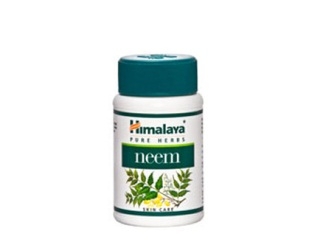
Neem (Azadirachta indica) – Patient-Friendly Product Description (Australia)
Neem is a plant-based natural product used traditionally in many parts of the world for skin, oral care, and general wellbeing. In Australia, Neem is commonly available as capsules, tablets, powders, or topical preparations (depending on the manufacturer). This page provides general information about Neem—what it may be used for, how it works, how it may interact with food and other medicines, and important safety considerations.
Please note: The exact ingredients, strengths, and directions vary by brand and dosage form. Always check the label for your specific product.
1) Basic Product Information
| Product | Neem |
|---|---|
| Common name | Neem, Indian lilac, Azadirachta indica |
| Plant source | Leaves, bark, seeds, and/or oil derived from Azadirachta indica |
| Typical forms in Australia | Capsules/tablets, powders, teas, and topical preparations (varies by supplier) |
| Main naturally occurring compounds | Azadirachtin and related limonoids; nimbin/nimbinin; flavonoids and other phytochemicals |
| What to look for on the label | Standardised extract (if applicable), mg per serving, ingredient list, recommended daily dose |
2) How Neem May Work (Mechanism of Action)
Neem is best known for its bioactive plant compounds. While research continues, several mechanisms are widely discussed:
- Antimicrobial activity (in lab studies): Neem compounds may help inhibit the growth of certain bacteria and fungi under laboratory conditions.
- Anti-inflammatory effects (in lab and preclinical studies): Some compounds may influence inflammatory pathways, which may be relevant for skin comfort.
- Antioxidant activity: Neem contains phytochemicals that may help neutralise oxidative stress.
- Skin-soothing potential: Topical neem preparations are traditionally used to support skin health and comfort, particularly where mild irritation or blemish-prone skin is a concern.
- Oral hygiene support: Some people use neem-based oral products to support gum and mouth comfort.
Important: The strength and consistency of these effects can depend heavily on the product form (leaf powder vs. standardised extract vs. oil), the dose, and individual factors. Results are not guaranteed.
3) Pharmacokinetics (What Happens in the Body)
Pharmacokinetics describes how a substance is absorbed, distributed, metabolised, and excreted. For Neem, detailed human pharmacokinetic data are limited and depend on the specific extract and dose.
- Absorption: Neem compounds may be absorbed to varying degrees, but absorption can differ between formulations (e.g., oil, powder, or standardised extracts).
- Distribution: Plant compounds may distribute across body tissues, but measurable concentrations and tissue distribution vary by compound.
- Metabolism: Like many phytochemicals, Neem constituents may undergo metabolism in the liver and gut.
- Excretion: Metabolites may be eliminated via bile and/or urine. Exact proportions depend on the compound and dose.
Practical takeaway: Because human data are limited, it’s wise to start with the label-recommended dose, monitor how you feel, and avoid combining multiple Neem-containing products unless the labels explicitly advise it.
4) Typical Use in Australia
Neem is commonly used for:
- Skin support (especially where a topical product is used for comfort and cleansing routines)
- Oral care routines (where the product is designed for mouth use)
- General wellbeing as a supplement (capsules or powders)
- Seasonal or environmental support routines (some people use it as part of a natural health routine)
What a product can claim in Australia may vary depending on whether it is regulated as a listed complementary medicine, a vitamin/mineral product, or a different category. Always rely on the label directions and permitted claims for your specific product.
5) Timing & How to Take Neem
Timing depends on the form and your personal routine.
Capsules/Tablets (oral Neem)
- Typical timing: Often taken once or twice daily with water.
- Consistency: Use the same timing each day for best routine adherence.
- Start low: If you’re new to Neem, consider starting with the label-recommended daily dose or the lower end of the suggested range (if provided by the manufacturer).
Powder/Tea
- Mix with food or water as directed by the label.
- Oral taste: Leaf powders can be bitter; mixing into smoothies or food may improve tolerability (if the label permits).
Topical Neem (skin products)
- Patch test first: Apply a small amount to a small area for 24–48 hours to check for irritation.
- Use as directed: Avoid applying to broken skin unless the product label specifically supports it.
6) Food Interactions
For many oral supplements, food can affect absorption and stomach comfort. With Neem, practical guidance includes:
- May be taken with food if you experience stomach upset when taking it on an empty stomach.
- High-fat meals: Some Neem constituents (especially from oil-based products) may be absorbed differently with meals containing fats.
- Maintain routine: If you take Neem with meals, try to keep your timing consistent.
If you have a sensitive stomach: Take Neem with a snack or after a meal, and stop if you develop persistent nausea, pain, or diarrhoea.
7) Alcohol & Medicine Interactions
Neem itself is not an alcohol, but interactions can occur indirectly via liver metabolism or by affecting how other medicines are tolerated.
Alcohol
- General caution: If you drink alcohol, moderate intake is recommended when using supplements, especially if you have liver disease or take medicines processed by the liver.
- Watch for symptoms: Seek advice if you experience unusual fatigue, dark urine, or persistent abdominal discomfort.
Interactions with medicines (important)
Neem may interact with medicines due to possible effects on metabolism pathways and/or immune and inflammatory responses. Human interaction studies are limited, so it’s safer to use a precaution-first approach.
- Blood sugar / diabetes medicines: Some natural products may influence glucose control. If you use diabetes medication, monitor your blood glucose and speak with a healthcare professional before regular use.
- Blood-thinning medicines (anticoagulants/antiplatelets): If you take warfarin, clopidogrel, or other blood thinners, discuss Neem with a healthcare professional first.
- Immune-modulating medicines: Because Neem may affect inflammatory and immune pathways, caution is advised if you take immunosuppressants or immune-modulating drugs.
- Liver-metabolised medicines: If you take medications that place demands on liver metabolism, discuss use with a pharmacist or doctor—especially if you plan longer-term or higher-dose use.
Tip: If you take multiple medicines, keep a written list and check it with your pharmacist before starting Neem regularly.
8) Indications (Common Reasons People Use Neem)
Because product regulation and permitted claims vary, Neem is commonly used to support:
- Skin health and cleansing routines (topical forms)
- Mouth and gum comfort (oral forms designed for oral use)
- General wellbeing as part of a complementary health routine (oral supplements)
- Natural pest/cleanliness routines (some people use Neem oil for household or gardening purposes—ensure you keep it away from food preparation areas and follow product instructions)
Reminder: Labels will indicate the specific indications allowed for your product. Always follow the directions on the packaging.
9) Dosing (Typical Guidance)
Dose recommendations depend on the strength of the product (for example, leaf powder vs. standardised extract), age, and health status. For patient safety:
- Follow the product label: This is the most reliable dosing guidance for your exact Neem formulation.
- Do not exceed the stated serving size: More is not necessarily better and may increase side effects.
General oral supplement dosing (guidance only)
Many Neem supplements fall within common daily ranges used by manufacturers, often taken once daily or split into morning and evening doses. However, because concentrations vary widely, it is not safe to quote a single universal mg dose.
What you can do:
- Check the label for “Recommended dosage” and the mg per capsule/tablet.
- Start with the lowest dose in the recommended range (if available) for the first week.
- If you tolerate it well, continue at the recommended dose.
Topical use (skin products)
- Apply the amount and frequency stated on the product label.
- Avoid eyes, inside the mouth, and broken skin unless explicitly indicated by the manufacturer.
10) Safety Profile & Precautions
Neem is a naturally derived product, but “natural” does not automatically mean “risk-free.” Safety depends on dose, formulation, and your health conditions.
Who should be extra cautious
- Pregnant or trying to conceive: Neem products may not be suitable. Discuss with a healthcare professional before use.
- Breastfeeding: Safety in breastfeeding is not well established for all Neem forms—ask a healthcare professional.
- Children: Only use if the product label states it is appropriate for the child’s age group and dosing is clearly provided.
- Liver or kidney disease: Speak with a clinician or pharmacist before taking oral Neem supplements.
- Autoimmune conditions or immune-modulating therapy: Use caution and get personalised advice.
Possible side effects
- Stomach upset (nausea, cramps, diarrhoea), particularly at higher doses or on an empty stomach
- Headache or mild dizziness (less common)
- Skin irritation with topical products (itching, redness)
Allergy and sensitivity
- If you develop rash, swelling, wheezing, or severe itching, stop use and seek medical attention urgently.
- Do a patch test for topical products.
When to stop and seek advice
- Persistent gastrointestinal symptoms
- Yellowing of eyes/skin, dark urine, or severe abdominal pain
- Any severe or rapidly worsening reaction
11) Practical Use Tips
- Check your product type: Neem leaf powder, neem extract, and neem oil are not interchangeable. Their doses and effects may differ.
- Use a consistent routine: Taking it at the same time each day helps you assess tolerance and results.
- Start gradually: If you’re new, begin with a lower dose in the recommended range (if label allows) to reduce the chance of stomach discomfort.
- Hydration matters: Take capsules/tablets with a full glass of water.
- Separate conflicting routines: If you take multiple supplements, allow a consistent gap and avoid doubling doses of similar ingredients.
- Store correctly: Keep in a cool, dry place and follow storage instructions on the label.
12) Alternative Options
If Neem isn’t suitable, you may consider other complementary approaches depending on your goal:
For skin comfort / cleansing routines
- Centella asiatica (where appropriate) for soothing skin support
- Aloe vera for moisturising comfort (topical)
- Tea tree–based topical products (use carefully; essential oils can irritate—patch test)
For oral care routines
- Herbal mouth rinses designed for oral use
- Products containing established oral-care actives (such as fluoride toothpaste where appropriate)
For general wellbeing
- Other herbal supplements with relevant evidence and standardisation (choose reputable brands)
- Evidence-based lifestyle measures (sleep, balanced nutrition, stress management) that support overall health
Choosing alternatives: Compare ingredient lists, standardisation, and permitted claims. If you’re unsure, speak with your pharmacist.
13) Neem in the Australian Market: Legal & Regulatory Context
In Australia, products containing plant ingredients like Neem may be regulated differently depending on their category and claims. Typically, supplements may be sold as complementary medicines (such as listed medicines), while other products may be regulated as cosmetics or complementary topical products.
Key points for customers:
- Label claims: Only certain claims may be permitted. Always rely on the product’s stated directions and indications.
- Quality and consistency: Choose brands with clear standardisation (where applicable), ingredient transparency, and reputable manufacturing practices.
- Safety monitoring: If you experience adverse effects, report them to the relevant health authority or seek medical advice promptly.
Recent guidance (general): Australia’s complementary medicines landscape emphasises consumer safety, evidence-informed claims, clear labelling, and quality assurance. Manufacturers are expected to comply with applicable requirements and adverse event reporting practices. If you want the latest advice for a specific product category, consider checking official government or regulatory websites or ask your pharmacist.
14) Delivery & Availability in Australia
Neem supplements are widely available through online pharmacies and reputable retailers across Australia. Availability can vary based on stock and the specific formulation (capsules, powders, or topical products).
- Delivery: Orders are typically dispatched after processing and may include tracking depending on the shipping option selected.
- Packaging: Products should arrive sealed and in good condition. Check for damage before use.
- Stock changes: Popular formulations may sell out temporarily—consider subscribing to back-in-stock alerts if offered.
Tip: Choose products with clear expiry dates and storage instructions.
15) FAQ – Neem (Australia)
1) Is Neem the same as Neem oil?
No. Neem oil and Neem leaf-based supplements are different products. Neem oil is often used for topical or household purposes and may not be appropriate for oral use unless the product label clearly states it is. Always use the correct product for the intended route (oral vs topical).
2) How long does it take to notice effects?
It varies by the goal and the formulation. For general supplement use, some people trial Neem for several weeks to assess tolerance and benefit. For skin or mouth routines, noticeable changes—if any—may take time and consistent use. If you don’t feel any benefit after the label’s suggested trial period, reassess your plan.
3) Can I take Neem with food?
Often yes. Taking Neem with food can help reduce stomach upset. If your product is oil-based or extract-based, the absorption profile may also be affected by meals. Follow the label directions and keep your timing consistent.
4) Are there any people who should avoid Neem?
People who are pregnant, breastfeeding, giving it to children, or those with liver/kidney issues or immune conditions should seek advice first. If you’re on regular medicines—especially for diabetes, blood thinning, immune modulation, or liver-related concerns—check with a pharmacist.
5) What side effects should I watch for?
Common reports include digestive upset (nausea, cramps, diarrhoea) and, for topical products, local irritation (redness/itching). Stop use and seek urgent care if you develop signs of severe allergy such as swelling or breathing difficulties.
6) Can Neem interact with my medicines?
Potential interactions are possible, largely due to metabolism and effects on inflammation/immune responses. Human data are limited, so it’s best to review your medicine list with a pharmacist—particularly if you take anticoagulants, diabetes medicines, immunosuppressants, or medicines with liver metabolism.
7) Is Neem safe to use long-term?
Long-term safety depends on dose, formulation, and your health situation. If you plan to use Neem over extended periods, it’s sensible to speak with a healthcare professional and reassess benefits and side effects regularly.
8) How should I store Neem?
Store in a cool, dry place away from direct sunlight. Keep out of reach of children. Follow the storage instructions on your specific product label.
9) Are there “natural” alternatives to Neem?
Yes—depending on your goal, you may consider other established supplements or topical products. Your pharmacist can help you choose alternatives based on your needs, ingredients, and current medicines.
10) Where does Neem fit in a wellbeing routine?
Neem is often used as part of a broader routine. It can be helpful for people who prefer plant-based approaches, but it shouldn’t replace evidence-based healthcare. Focus on overall habits such as nutrition, hydration, and skin/oral hygiene practices.
Summary
Neem (Azadirachta indica) is a plant-derived product used for skin support, oral care routines, and general wellbeing. While Neem has promising laboratory and traditional use foundations, results vary and product formulation matters. For safe use in Australia, follow the label directions, start gradually if you’re new, consider food timing to support stomach comfort, and review possible interactions—especially if you take other medicines or have underlying health conditions. If you have concerns or experience side effects, seek advice promptly.