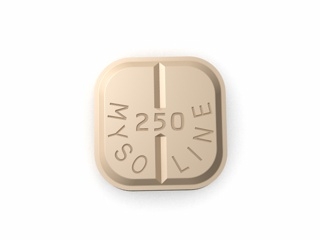


Mysoline (Primidone) — Patient-Friendly Medicine Information (Australia)
Mysoline is a medicine containing primidone, used mainly to help control certain types of seizures (epilepsy). It belongs to a group of medicines known as antiepileptic drugs (AEDs). This guide is designed to help you understand how Mysoline works, how it’s taken, common interactions and safety considerations, and what to expect in everyday use.
Note: Medicine information on this page is general and may not cover every personal situation. Always follow the advice provided by your doctor and read the consumer medicine information (CMI) supplied with your product.
Quick Facts
- Active ingredient: Primidone
- Medicine type: Antiepileptic (anti-seizure) medicine
- Common uses: Epilepsy—especially certain seizure types such as tonic-clonic seizures
- How it works: Helps stabilise brain electrical activity and reduces seizure spreading
- Typical forms: Oral tablets (strengths vary by product)
- Key safety notes: Can cause drowsiness, dizziness, nausea; may affect mood and blood counts in rare cases
Basic Product Information
| Category | Details |
|---|---|
| Brand name | Mysoline |
| Generic name | Primidone |
| Medicine class | Antiepileptic drug (AED) |
| Route of administration | Oral |
| Therapeutic focus | Reducing frequency and severity of seizures |
How Mysoline (Primidone) Works (Mechanism of Action)
Primidone helps prevent seizures by affecting nerve signalling in the brain. While the exact mechanism is complex, primidone is thought to:
- Enhance inhibitory signalling that dampens overactive electrical activity.
- Reduce spread of abnormal electrical discharges across brain networks.
- In many patients, act through metabolic conversion to active components that contribute to seizure control.
For many people, seizure improvement happens gradually. The dose often starts low and is increased slowly to improve tolerability.
Pharmacokinetics (How the Body Handles It)
“Pharmacokinetics” describes how the medicine is absorbed, distributed, metabolised and eliminated. Understanding this can help explain why dosing and timing matter.
- Absorption: Primidone is absorbed after oral administration. Food may affect the speed of absorption but not necessarily the overall exposure for everyone.
- Metabolism: Primidone is metabolised in the liver. One relevant point for patients is that liver metabolism can create active metabolites that contribute to effectiveness.
- Onset: Some effects may be noticed early, but seizure control often improves over days to weeks (and sometimes longer) as doses are adjusted.
- Elimination: The body clears primidone and its metabolites mainly via renal (kidney) pathways after liver processing.
- Half-life: The elimination half-life is long enough that once or twice daily schedules may be used depending on individual response and the specific formulation.
If you have liver or kidney disease, or take other medicines that affect liver enzymes, your clinician may adjust the dose and monitoring plan.
Typical Uses and Indications
Mysoline (primidone) is used to treat seizure disorders. Depending on local clinical practice and individual circumstances, it may be used for:
- Epilepsy, particularly certain seizure types such as generalised tonic-clonic seizures.
- Other seizure patterns as decided by your treating clinician (for example, in cases where particular regimens are needed).
Your doctor will determine the best medicine and dosing based on seizure type, age, other health conditions, and how well the treatment is tolerated.
Dosing — What Is “Typical”?
Dosing for primidone is individualised. Many patients begin with a low dose and increase slowly to reduce side effects (especially the first few weeks). Common principles include:
- Start low and increase gradually as tolerated.
- Doses may be split once or twice daily depending on your regimen and tablet strength.
- Seizure control and side effects guide further adjustment.
Important: Do not change your dose without medical advice. Stopping suddenly can increase the risk of seizure recurrence.
Below is a general framework. Exact schedules must follow the product CMI and prescriber plan for you.
| Phase | Typical approach |
|---|---|
| Initiation | Start with a low dose, often at night or in the evening, to help reduce early drowsiness. |
| Titration | Gradually increase the dose in small steps at intervals set by your clinician. |
| Maintenance | Continue the effective dose that controls seizures with acceptable side effects. |
| Stopping (if ever) | Withdrawal should generally be gradual under clinical supervision to lower seizure risk. |
Timing and How to Take Mysoline
Taking primidone at consistent times helps maintain more stable blood levels.
- Take at the same times each day (for example, morning and evening, or evening only—depending on your regimen).
- If you feel drowsy after doses, your clinician may recommend taking the larger portion in the evening.
- Use a medication organiser if you tend to miss doses.
If you miss a dose
General guidance:
- Take it as soon as you remember if it’s not close to the next dose.
- If it’s near the next scheduled dose, skip the missed dose and continue your usual schedule.
- Do not take double doses to make up for a missed one.
If you are unsure what to do, ask your pharmacist.
Food Interactions (Taking With or Without Meals)
Primidone may be taken with or without food. However, food can help reduce stomach upset for some people.
- If you experience nausea or reflux, taking your dose with a meal or after food may help.
- Try to keep your routine consistent (e.g., always with meals) unless your clinician advises otherwise.
If you have digestive problems, swallowing difficulties, or require long-term nutrition support, speak to a healthcare professional for tailored advice.
Alcohol and Medicine Interactions
Alcohol
Avoid or limit alcohol while taking Mysoline. Alcohol and primidone can both affect the brain, potentially increasing:
- Drowsiness and sedation
- Dizziness and impaired coordination
- Risk of accidents (falls, driving impairment)
Other medicines that may interact
Primidone can interact with other medicines, sometimes by affecting liver metabolism or by adding to sedative effects.
Tell your doctor or pharmacist about all medicines you take, including:
- Other anti-seizure medicines (your regimen may require monitoring).
- Medicines that cause drowsiness, such as sedatives, sleep tablets, some antihistamines, or strong pain medications.
- Some antidepressants and antipsychotics (may require careful review).
- Medicines that affect liver enzymes (some antibiotics, antifungals, and other drugs may change primidone levels).
- Hormonal contraceptives—if relevant—because enzyme effects can sometimes reduce effectiveness of certain contraceptives (your clinician will advise).
If you start, stop, or change any medicine, it’s wise to re-check for interactions.
Safety Profile — Side Effects and Risks
Like all medicines, Mysoline can cause side effects. Many are mild and improve over time, particularly when doses are increased gradually.
Common side effects
- Drowsiness, tiredness
- Dizziness, unsteady feeling
- Nausea or stomach discomfort
- Headache
- Tremor or changes in coordination in some people
Serious side effects (seek medical help promptly)
Contact urgent medical services or your healthcare provider if you develop symptoms such as:
- Signs of allergy: rash, swelling of face/lips, trouble breathing
- Severe skin reactions (rare)
- Unusual bruising or infections: possible blood count changes (rare but important)
- Severe or persistent mood changes, agitation, or thoughts of self-harm
- Worsening confusion or marked unsteadiness
Driving and operating machinery
Primidone can cause drowsiness and impaired coordination, especially during dose changes. In Australia, you should also consider legal and safety responsibilities:
- Avoid driving if you feel sleepy or not fully alert.
- Ask your doctor if and when it is safe for you to drive.
- Be cautious with ladders, power tools, and anything that requires full concentration.
Monitoring
Your clinician may recommend periodic monitoring, which can include:
- Assessing seizure control and side effects
- Blood tests if clinically indicated (for example, full blood count and liver-related tests in certain situations)
Practical Use Tips (Getting the Best Results)
- Keep a seizure diary: note dates, times, triggers (if any), and recovery time. This can help your clinician fine-tune therapy.
- Don’t skip doses: steady dosing supports stable control.
- Be patient with titration: early side effects may occur while adjusting.
- Manage drowsiness: take the dose at a time that suits you (as directed), avoid alcohol, and allow time for your body to adapt.
- Plan dose changes: if you’re starting or increasing primidone, avoid high-risk activities until you know how you respond.
- Check new medications: before starting over-the-counter products or supplements, ask your pharmacist.
Alternative Options (Other Treatments for Seizures)
If primidone isn’t suitable, there are other treatment options for epilepsy and seizure disorders. Options may include:
- Other antiepileptic medicines (choice depends on seizure type, age, and medical history).
- Combination therapy (more than one medicine) when a single drug isn’t sufficient.
- Non-medicine approaches in selected cases, such as epilepsy surgery, nerve stimulation, or dietary approaches (e.g., ketogenic or modified diets) under specialist supervision.
Your doctor or epilepsy specialist can explain which alternatives may be appropriate for your situation.
Market and Legal/Regulatory Context in Australia
In Australia, medicines are regulated through the Therapeutic Goods Administration (TGA). Whether a medicine is available over the counter or requires dispensing through an approved channel depends on its scheduling status and clinical requirements.
For epilepsy medicines like primidone, access and supply are typically managed through licensed healthcare pathways and pharmacy processes. Product availability can vary by strength and formulation.
If you’re ordering online, use an Australian-registered pharmacy where dispensing and supply are handled in line with local laws, and ensure you have the correct product details (brand/generic, strength, and directions).
Recent Guidance and Updates (What to Keep in Mind)
Guidance for antiepileptic medicines commonly focuses on:
- Regular review of seizure control and side effects
- Gradual dose adjustments and careful monitoring during initiation
- Mental health awareness: watching for mood changes or unusual behaviour
- Medication safety: checking interactions when starting or stopping other drugs
- Adherence: avoiding missed doses and abrupt discontinuation
Because recommendations can evolve, it’s wise to keep your pharmacist updated on changes to your medicines and health conditions, and to review the CMI for the latest safety information.
Delivery and Availability (Online Pharmacy)
Availability of Mysoline may depend on stock levels, tablet strengths, and manufacturer supply. When ordering through an Australian online pharmacy:
- Check product details (brand name, generic name, strength, quantity).
- Allow for processing time, especially for delivery to rural or remote areas.
- Packaging and handling: medicines should arrive in intact packaging with clear labelling.
Delivery timeframes can vary by location and courier service. If you need it urgently, choose faster shipping options where available or contact customer support.
FAQ — Mysoline (Primidone)
1) How long does it take for Mysoline to work?
Some people notice changes early, but seizure control often improves gradually over days to weeks as your dose is adjusted. If you don’t see improvement, your clinician may review the diagnosis, seizure type, dose, and interactions.
2) Can I stop Mysoline if my seizures improve?
Do not stop primidone suddenly. If discontinuation is considered, it should be done gradually under medical supervision to reduce the risk of seizure recurrence.
3) What should I do if I feel very drowsy after starting?
Early drowsiness can occur. Avoid alcohol and driving. Contact your pharmacist or doctor to discuss whether your titration schedule needs adjustment. Don’t change the dose by yourself.
4) Does Mysoline interact with antibiotics or antifungal medicines?
Some antibiotics and antifungals can affect liver enzymes and may alter primidone levels. Always tell your healthcare provider about primidone before starting new treatments.
5) Is it safe to take Mysoline with food?
Yes, it can usually be taken with or without food. If you experience nausea or stomach upset, taking it with a meal may help. Keep timing consistent for best results.
6) Can I drink alcohol occasionally?
It’s generally recommended to avoid alcohol. Alcohol can increase sedation, dizziness, and fall risk when combined with primidone.
7) Will Mysoline affect my contraception?
Primidone may affect how some hormone-based contraceptives work by influencing liver metabolism. Speak to your doctor or pharmacist about reliable contraception options for your situation.
8) Are there any foods or supplements I should avoid?
There are no specific widely recognised food restrictions for primidone, but supplements can interact with medicines. Let your pharmacist know about all supplements, including herbal products.
9) What monitoring might I need?
Your clinician may monitor seizure control and side effects. Blood tests may be used in some situations, particularly if symptoms suggest blood or liver issues. Follow the monitoring plan provided.
10) Who should not use Mysoline or should be extra cautious?
People with certain liver problems, a history of severe drug reactions, or who are taking multiple interacting medicines may need extra caution and close supervision. Your pharmacist can help review your medication list.
When to Seek Urgent Medical Advice
Get urgent help if you experience:
- Breathing difficulties, facial/tongue swelling, or signs of severe allergy
- Severe skin rash or blistering
- Unusual bruising, fever, or signs of infection
- Severe mood changes or suicidal thoughts
- Marked confusion, worsening imbalance, or inability to stay awake
Remember: Consistent use, careful dose titration, and awareness of interactions are key to safer and more effective seizure control with Mysoline (primidone).