
Nolvadex (Tamoxifen) – Patient-Friendly Guide (Australia)
Nolvadex is a brand of tamoxifen, a medicine widely used in hormone-related cancers. This guide is designed to help you understand how it works, how it’s usually taken, what to expect, and important safety information. It is written for people in Australia and may assist you in discussing your treatment with your healthcare professional.
1) Basic product information
| Item | Information |
|---|---|
| Generic name | Tamoxifen |
| Brand name | Nolvadex |
| Medicinal class | Selective Estrogen Receptor Modulator (SERM) |
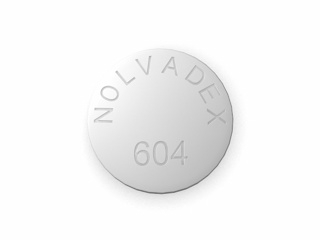
| Common strengths | Often available as 10 mg and 20 mg tablets (strength varies by product) |
| How it’s taken | Oral tablet (swallowed whole with water) |
Note: Brand packaging and tablet strength can vary. Always check the exact product you receive and follow the instructions provided by your healthcare professional.
2) How Nolvadex works (mechanism of action)
Tamoxifen is a Selective Estrogen Receptor Modulator (SERM). It helps block or change the effect of the hormone oestrogen in certain tissues.
- In breast tissue: Tamoxifen primarily acts as an oestrogen receptor blocker, which can slow or prevent the growth of some oestrogen-dependent breast cancers.
- In other tissues: Tamoxifen may behave differently—sometimes acting like a partial oestrogen—depending on the tissue type.
Tamoxifen is converted in the body to active metabolites that contribute to its overall effect.
3) Pharmacokinetics (how your body processes tamoxifen)
Understanding pharmacokinetics can explain why timing and consistency matter.
- Absorption: Tamoxifen is absorbed after swallowing, and it reaches peak levels after a period of time (exact timing varies among individuals).
- Metabolism: The medicine is processed mainly in the liver. A key step involves enzymes that help form active metabolites (including endoxifen).
- Protein binding: Tamoxifen and its metabolites bind to blood proteins, which can influence distribution.
- Elimination: Tamoxifen and its metabolites are eliminated over time, with a prolonged duration in the body. This is part of why consistent daily use can be important.
Because tamoxifen depends partly on liver enzyme activity, interactions with other medicines—especially those affecting certain metabolic pathways—can influence effectiveness and safety.
4) Typical uses of Nolvadex
Nolvadex (tamoxifen) is used in several situations where hormone receptor status or oestrogen signalling plays a role. Your exact purpose for taking it depends on your specific diagnosis and treatment plan.
Common indications
- Hormone receptor–positive breast cancer: Tamoxifen is used to treat and/or reduce the risk of recurrence in selected patients.
- Adjuvant treatment: Used after primary therapy (such as surgery) to reduce recurrence risk in eligible cases.
- Metastatic breast cancer: Used in oestrogen receptor–positive disease in certain settings.
- Prevention in selected high-risk groups: In some people at increased risk, tamoxifen may be considered to lower the risk of developing breast cancer. (Eligibility depends on individual risk factors and current clinical guidance.)
Eligibility and choice of treatment vary based on age, menopausal status, tumour characteristics, prior therapies, and overall health.
5) How to take Nolvadex – timing and practical guidance
Tamoxifen is usually taken once daily as a tablet. Your healthcare professional will advise the dose and schedule appropriate to your situation.
General timing tips
- Choose a consistent time: Taking it at the same time each day may help you remember.
- With or without food: Tamoxifen can typically be taken with or without meals.
- Swallow whole: Take the tablet with water. Do not crush or split unless your product instructions specifically allow it.
- If you miss a dose: Take it when you remember unless it’s close to the next dose. If it’s almost time for the next dose, skip the missed dose. Do not take double doses to make up for a missed tablet.
If you have trouble remembering doses, consider using a daily alarm, a pill organiser, or a medication reminder app.
6) Food interactions
For most people, food does not significantly change how tamoxifen works. Because absorption and metabolism can vary, it’s still best to take it consistently.
What to watch for
- Grapefruit and grapefruit juice: Grapefruit can affect certain drug-metabolising enzymes in some medicines. While the evidence for grapefruit specifically with tamoxifen can vary, it’s generally wise to avoid excessive grapefruit intake or discuss it with your pharmacist.
- Herbal supplements: Some supplements can affect liver enzymes (for example, St John’s wort). These are more important than food and should be discussed before use.
A practical approach: maintain your usual diet while on treatment unless your healthcare professional advises a specific change.
7) Alcohol interactions
Moderate alcohol use is not automatically contraindicated for everyone on tamoxifen, but alcohol can affect the liver and may worsen some side effects such as fatigue or nausea.
- Limit alcohol: If you choose to drink, keep it moderate.
- Be cautious with liver concerns: If you have existing liver disease or abnormal liver tests, avoid alcohol unless your clinician says it is safe.
- Balance with your overall treatment: If you are also taking other medicines (including chemotherapy or supportive therapies), alcohol advice may change.
Discuss your typical alcohol intake with your pharmacist or doctor so they can provide advice tailored to your situation.
8) Medicine interactions (including important metabolism issues)
Tamoxifen can interact with other medicines—particularly those that alter liver enzymes involved in tamoxifen metabolism. These interactions may change the effectiveness of tamoxifen or increase the risk of side effects.
Common interaction groups to review
- Antidepressants (SSRIs/other agents): Some antidepressants can inhibit enzymes needed to form active tamoxifen metabolites. If you take an antidepressant, it’s important not to stop or change it without medical advice.
- Antifungal and antibiotic medicines: Certain treatments for infections can affect enzyme activity.
- Anti-seizure medicines: Some seizure medicines can increase metabolism and reduce tamoxifen levels.
- Blood thinners: If you take anticoagulants, discuss the combination carefully because both bleeding and clotting risks can be relevant depending on your overall condition.
- Hormonal therapies: Avoid unsupervised use of additional oestrogen-containing products (including some hormone replacement therapy options) unless specifically advised, as they may counteract tamoxifen’s intent.
- Herbal supplements: St John’s wort and other enzyme-modifying herbs may reduce tamoxifen effectiveness and should generally be avoided unless your healthcare team says otherwise.
Tell your healthcare professional
Before starting tamoxifen, let your pharmacist or doctor know about:
- All medicines you take (including over-the-counter products)
- Vitamin and herbal supplements
- Any history of clotting problems or stroke
- Any current abnormal vaginal bleeding or uterine conditions
This helps ensure the safest possible regimen.
9) Dosing – what’s typical (and why your dose may differ)
Dosing depends on the reason for use, your diagnosis, age, and other medical factors. In Australia, standard doses are commonly in the range of:
- 20 mg once daily for many breast cancer indications
- 10 mg once daily may be used in some situations depending on the treatment plan and tolerability
Your healthcare professional will specify the exact dose for you. Do not change the dose without advice. If you experience troubling side effects, speak with your clinician—dose adjustments or supportive measures may be considered.
10) Safety profile – side effects and when to seek help
Like all medicines, tamoxifen can cause side effects. Many are manageable, but some require prompt medical attention.
Common side effects
- Hot flushes or sweating
- Nausea or upset stomach
- Vaginal dryness or changes in vaginal discharge
- Irregular menstrual bleeding (for people who still menstruate)
- Fatigue
- Skin rash or itching (less common)
Serious but less common risks
Some risks are important because they may require urgent evaluation:
-
Blood clots (thromboembolism): Tamoxifen can increase the risk of clots in some patients.
Seek urgent medical care if you develop:
- Sudden shortness of breath
- Chest pain
- One-sided leg swelling or pain
- Coughing blood
- Stroke symptoms: Get urgent help if you have sudden weakness/numbness, facial droop, trouble speaking, or sudden severe headache.
-
Uterine (endometrial) changes: Tamoxifen can increase the risk of uterine abnormalities. Contact your clinician promptly if you have:
- Any new vaginal bleeding after menopause
- Unusual or persistent spotting
- Pelvic pain
- Changes in menstrual pattern that concern you
- Eye problems: Rarely, tamoxifen may be associated with vision changes. Seek medical advice for blurred vision or new eye symptoms.
- Liver issues: Seek medical advice if you develop jaundice (yellow skin/eyes), dark urine, severe abdominal pain, or persistent vomiting.
Pregnancy, breastfeeding, and fertility considerations
- Pregnancy: Tamoxifen may cause harm to an unborn baby. If you could become pregnant, discuss contraception and family planning urgently with your healthcare professional.
- Breastfeeding: Discuss breastfeeding safety with your clinician before using tamoxifen.
Drug interactions and safety
Because tamoxifen’s metabolism can be affected by other medicines, ensure your medicines list is up-to-date with your pharmacist/doctor.
11) Practical use tips (helping you stay on track)
- Use a medication organiser: Weekly pill boxes can reduce missed doses.
- Track side effects early: If hot flushes or nausea start, early supportive measures can help (hydration, light meals, timing adjustments).
- Manage hot flushes: Wear breathable clothing, avoid triggers (very hot drinks, spicy foods if they worsen symptoms), and keep cool where possible.
- Keep follow-up appointments: Regular check-ins help monitor benefits and side effects.
- Know your warning signs: Don’t “wait it out” for symptoms suggesting clotting, stroke, or uterine bleeding.
- Maintain a complete medicine list: Include prescription medicines, over-the-counter products, and supplements.
12) Alternative options
“Alternative” depends on your diagnosis, stage of disease, menopausal status, and prior treatments. Your healthcare professional may consider other endocrine (hormone) therapies or different approaches. Examples may include:
- Aromatase inhibitors (often used in postmenopausal patients, depending on the situation)
- Other SERMs (in selected contexts)
- Ovarian suppression plus endocrine therapy for premenopausal patients in some treatment plans
- Radiotherapy, chemotherapy, or targeted therapy depending on cancer type and stage
If you’re considering switching therapies due to side effects or concerns, do not stop tamoxifen on your own. Discuss options with your clinician.
13) Nolvadex in Australia – market and legal context (general overview)
In Australia, tamoxifen is an established medicine for hormone-sensitive conditions and is available through the healthcare system. As with many cancer medicines, availability and dispensing requirements can vary by product and your clinical circumstances.
- Regulatory oversight: Medicines used in Australia are regulated for quality, safety, and effectiveness.
- Supply and product variations: Different manufacturers and tablet strengths may exist. Always check you have the intended product.
- Clinical guidelines: Australian and international clinical guidance is regularly updated based on evidence. Your treating team aligns decisions with current best practice for your situation.
If you have questions about which formulation or strength is appropriate, your pharmacist can help explain the options available.
14) Recent guidance and ongoing monitoring (what to expect)
Treatment recommendations for endocrine therapy continue to evolve as new data emerge, particularly regarding drug interactions, duration of therapy, and monitoring for adverse effects.
- Interaction review: Ongoing emphasis is placed on checking medicines that may interfere with tamoxifen metabolism (especially certain antidepressants).
- Monitoring for uterine effects: Clinicians remain attentive to symptoms such as abnormal vaginal bleeding and may recommend investigation if symptoms occur.
- Clot risk awareness: Patients are encouraged to understand signs of blood clots and seek urgent medical care when necessary.
Your follow-up schedule and monitoring tests depend on your diagnosis and personal risk factors.
15) Delivery and availability (online pharmacy guidance for Australia)
Many people prefer home delivery for convenience and privacy. Availability can vary depending on stock levels and the exact tablet strength you need.
Delivery expectations
- Processing time: After your order is submitted, dispatch may occur after stock is confirmed.
- Shipping: Delivery options may include standard or express shipping depending on your location.
- Packaging: Medicines are typically shipped in secure packaging to protect tablets and maintain confidentiality.
- Tracking: Some online services provide tracking information after dispatch.
Availability notes
- If the exact strength/brand is temporarily unavailable, your pharmacist may discuss alternatives that meet your clinical needs.
- Always confirm the strength on the label matches what you were advised.
If you need help choosing between strengths or understanding product labels, contact the pharmacy team.
16) FAQ – Common questions about Nolvadex (tamoxifen)
How long does it take Nolvadex to work?
Tamoxifen’s benefits depend on the purpose of therapy (adjuvant, metastatic, risk reduction, etc.). Some people notice changes relatively early, but cancer-related outcomes are typically assessed over months. Your clinician will monitor progress using appropriate tests and check-ups.
Can I take Nolvadex with food?
Yes. Tamoxifen is generally taken with or without food. Taking it with a meal may help if you experience nausea.
What should I do if I miss a dose?
Take the missed dose when you remember unless it is close to your next dose. If it’s near the next dose, skip the missed one. Do not take a double dose.
Does Nolvadex cause hot flushes?
Hot flushes are among the more common side effects. If they become bothersome, discuss options with your healthcare professional, as supportive strategies can help.
Are there medicines I should avoid while taking tamoxifen?
Interactions can occur. Particularly important is reviewing medicines that can affect tamoxifen metabolism (for example, some antidepressants). Always share your full medicine list with your pharmacist.
Can I drink alcohol while on Nolvadex?
Many people are advised to keep alcohol moderate. Alcohol can affect the liver and may worsen certain side effects. If you have liver issues or are on additional medicines, ask your pharmacist for specific guidance.
What symptoms mean I should seek urgent medical care?
Seek urgent help if you develop signs of blood clots (such as sudden shortness of breath, chest pain, one-sided leg swelling), stroke symptoms (face droop, weakness, speech difficulty), or significant abnormal vaginal bleeding.
Will Nolvadex affect fertility or cause pregnancy problems?
Tamoxifen may affect pregnancy outcomes and is generally not considered safe in pregnancy. If pregnancy is possible, discuss contraception and pregnancy planning with your clinician.
Are there alternatives to Nolvadex?
Alternatives depend on your diagnosis and individual factors. Your clinician might consider other endocrine therapies or treatment strategies. Discuss options rather than stopping tamoxifen yourself.
How should I store Nolvadex tablets?
Store tablets according to the instructions on the packaging (typically at room temperature, protected from moisture and heat). Keep out of reach of children.
17) Final reminders
Nolvadex (tamoxifen) is an important medicine for hormone-related breast conditions. The key to safe use is consistent daily dosing, awareness of side effects, and regular follow-up with your healthcare team. If you have any concerns—especially symptoms suggestive of clotting, stroke, or abnormal uterine bleeding—seek medical advice promptly.