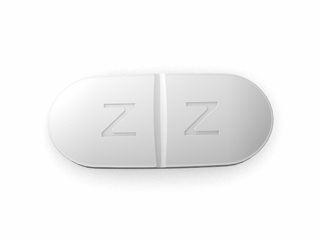
Nootropil (Piracetam) — Patient-Friendly Medicine Information (Australia)
Nootropil is a brand of piracetam, a well-known nootropic medicine used by some people to support cognitive function and brain metabolism. If you are considering piracetam or already use it, this guide explains what it is, how it works, how it is absorbed and eliminated, typical uses, dosing basics, safety considerations, and practical tips for getting the most from your routine.
Note: This information is designed to help you understand the medicine. Always follow the directions on your product label and the advice of your healthcare professional.
At a Glance
- Active ingredient: Piracetam
- Brand: Nootropil
- Medicine type: Nootropic / cognitive-support medicine
- Common forms: Tablets and oral formulations (availability may vary by product)
- How it’s taken: Usually by mouth, one to multiple doses per day depending on the goal and product strength
- Key safety points: Generally well tolerated for many users, but may not suit everyone (e.g., people with kidney impairment or a history of bleeding)
Basic Product Information
Nootropil (Piracetam) contains piracetam, a medication that influences how the brain uses energy and how nerve cells communicate. It is used in certain situations to support cognitive performance, and historically it has been used in conditions involving cognitive impairment.
Product presentation and strengths may differ between brands and distributors. If you’re unsure about your specific strength (e.g., 400 mg, 800 mg, or other), check your packaging or talk to a pharmacist.
How Piracetam Works (Mechanism of Action)
The exact mechanism of action is complex and not fully understood, but piracetam is believed to support brain function through several pathways, including:
- Membrane fluidity and cell signalling: Piracetam may affect the way cell membranes function, which can support neuronal communication.
- Neurotransmitter modulation: It may influence neurotransmitter activity and receptor function indirectly.
- Energy utilisation: Piracetam is thought to support brain energy metabolism, particularly under conditions where neuronal function may be stressed.
- Cognitive processing: These combined actions are associated with improvements in aspects of cognition such as memory and learning in some users and in certain clinical contexts.
In everyday terms, people often describe piracetam as a “cognitive support” medicine. Effects vary widely between individuals.
Pharmacokinetics (Absorption, Distribution, Metabolism, Excretion)
Understanding how piracetam moves through the body can help you take it consistently and appreciate why timing matters.
Absorption
Piracetam is typically absorbed after oral dosing. Food may slightly affect the rate at which absorption occurs, but the overall absorption is usually not dramatically reduced.
Distribution
Piracetam distributes widely throughout the body, including the brain. It crosses the blood–brain barrier.
Metabolism
Piracetam is not extensively metabolised. This is one reason it can have fewer metabolism-based interactions than some other medicines.
Elimination
Piracetam is primarily eliminated via the kidneys (renal excretion). Because elimination depends on kidney function, dosing may need adjustment in people with impaired renal function.
Practical takeaway: If you have kidney problems, discuss piracetam with a healthcare professional before use.
Typical Uses and Indications (Australia Context)
The way piracetam is used may depend on local regulatory status, available product indications, and clinical guidelines. In Australia, availability and recommended uses can vary based on brand, registration status, and supply source.
Common indications people seek
- Cognitive support: Some individuals use piracetam to support memory, concentration, or “mental sharpness.”
- Historical clinical use: Piracetam has been used in healthcare settings for certain types of cognitive impairment and related conditions in the past.
Important note about evidence
While piracetam has a history of use, the strength and scope of evidence for specific outcomes can differ by condition and study design. Your best approach is to use piracetam only if it aligns with professional medical advice and your health goals.
Dosing: How Much and How Often?
Dosing for piracetam can vary depending on the product strength and the intended use. Always follow the directions on your label or the specific advice provided by a clinician or pharmacist.
General dosing principles
- Start low: Many people begin with a conservative dose to assess tolerance.
- Consistency: Taking doses at similar times each day helps maintain steady exposure.
- Kidney function matters: Because piracetam is cleared by the kidneys, dose adjustments may be required for those with reduced renal function.
- Avoid sudden changes: If you plan to increase or stop, do so thoughtfully—especially if you are using it for an ongoing cognitive goal.
Example “typical” schedules (illustrative only)
Different products and clinical contexts use different regimens. The table below provides a general idea of common daily dosing ranges that may be encountered; it does not replace label instructions.
| Goal / context | Illustrative daily dosing range | How it may be split | Notes |
|---|---|---|---|
| Cognitive support (general use) | ~1.2 g to 3.2 g/day | Often divided into 2–3 doses | Follow your product label and professional guidance |
| Lower starting dose / tolerance check | ~0.8 g to 1.6 g/day | 1–2 doses depending on comfort | Consider starting toward the lower end |
| Higher dose ranges used in some contexts | Up to ~4–6 g/day (varies) | Multiple divided doses | Only consider if advised by a healthcare professional |
Always check your exact tablet strength so you know how many tablets correspond to your prescribed or labelled dose.
Timing: When Should You Take Nootropil?
Many people plan piracetam dosing around their daily routine to support daytime focus.
- Morning and midday: Common approach is taking doses earlier in the day to avoid any impact on sleep.
- Evening dosing: If you take a late dose and notice insomnia or restlessness, shift doses earlier.
- With or without food: You can often take piracetam with or without food. If your label indicates a preferred method, follow it.
How long until you notice effects? Some users report changes within days, while others prefer to allow a few weeks to judge benefit. Cognitive effects are highly individual.
Food Interactions
Piracetam’s interaction with food is generally considered limited, and taking it with meals may help reduce stomach discomfort for some people.
- With meals: Often well tolerated and may improve comfort.
- Fasting: Some people find it easier to tolerate with food.
If you experience nausea or stomach upset, try taking your dose with breakfast or after a meal, and speak with a pharmacist if symptoms persist.
Alcohol and Medicine Interactions
Alcohol
There is no single universal rule that piracetam + alcohol is always dangerous for everyone, but alcohol can affect cognition, mood, sleep, and hydration—potentially masking or worsening the effect you’re seeking.
- Practical advice: If you choose to drink alcohol, keep it moderate and consider avoiding alcohol when you plan to assess how piracetam affects your focus.
- Safety first: Avoid alcohol if it worsens side effects or interferes with your normal functioning.
Other medicines
Because piracetam is not extensively metabolised, it may have fewer metabolism-based drug interactions. However, interactions can still occur based on patient factors and co-medications.
- Medicines affecting bleeding: People taking medicines that increase bleeding risk (for example, certain antiplatelet or anticoagulant medicines) should discuss piracetam use with a pharmacist or doctor before starting.
- Kidney-impacting medicines: If you take drugs that affect kidney function, you should confirm whether your piracetam dose needs review.
- Hormone or neuroactive agents: If you take medicines that affect the nervous system, monitor for changes in side effects such as agitation, headache, or sleep disturbance.
Always tell a pharmacist or healthcare professional about all medicines, supplements, and herbal products you use, including non-prescription products.
Safety Profile and Side Effects
Piracetam is generally considered well tolerated by many users. However, it can still cause side effects in some people.
Commonly reported side effects
- Headache
- Dizziness
- Nausea or stomach discomfort
- Restlessness or agitation (especially with higher doses or late-day use)
- Sleep disturbance in some individuals
Less common but important effects
- Bleeding tendency changes in susceptible individuals (particularly if combined with other medicines that affect coagulation)
- Allergic reactions (rare): rash, itching, swelling, difficulty breathing
When to seek urgent medical help
Stop taking piracetam and seek urgent medical attention if you experience symptoms of a serious allergic reaction (e.g., swelling of the face/lips, trouble breathing) or significant unusual bleeding (e.g., heavy or persistent bleeding, black/tarry stools, coughing/vomiting blood).
Who should be extra cautious?
- Kidney impairment: Because elimination is primarily renal.
- History of bleeding disorders or those on medicines that affect blood clotting.
- Pregnancy or breastfeeding: Discuss with a healthcare professional before use, as safety in these situations should be carefully considered.
- Older adults: Reduced kidney function can occur with age; dosing may require review.
- Seizure disorders: People with a history of seizures should discuss use before starting.
Practical Use Tips (Getting the Best Results Safely)
- Start with a routine: Choose set times (for example, morning and midday) to support consistency.
- Consider meal timing: If you’re sensitive to nausea, take doses with food.
- Monitor your sleep: If you feel wired or have trouble sleeping, move doses earlier in the day or reduce the dose (with professional guidance).
- Track effects: Use a simple log of perceived focus, mood, headache, and sleep quality for 2–4 weeks to judge whether it helps.
- Review co-medications: If you take anticoagulants/antiplatelets or frequent pain relief medicines, discuss compatibility with a pharmacist.
- Don’t combine impulsively with stimulants: If you already use caffeine or other stimulants, introduce changes slowly to separate effects and side effects.
Alternative Options
If piracetam isn’t suitable or you’re looking for other ways to support cognitive performance, there are alternatives. The “best” choice depends on your health situation, goals, and any underlying conditions.
Potential alternatives people consider
- Other nootropics/smart supplements: Some people explore different compounds marketed for cognitive support (quality and evidence vary widely).
- Lifestyle strategies: Sleep optimisation, regular physical activity, stress reduction, and cognitive training can have meaningful benefits.
- Medical review: If cognitive concerns are new or worsening, it’s important to seek professional assessment for reversible causes (for example, sleep disorders, thyroid issues, vitamin deficiencies, depression, or medication side effects).
If you want, tell us your general goal (e.g., memory support, focus at work, recovery after disrupted sleep) and we can help you consider options to discuss with a pharmacist.
Market and Legal Context for Australia
In Australia, medicine supply and labelling must meet regulatory requirements, and products may be subject to different rules depending on whether they are registered medicines, imported products, or available through other supply channels. Classification (for example, whether a product is prescription-only or available via other routes) depends on the specific formulation and regulatory status at the time of supply.
When purchasing online, ensure the product is from a reputable Australian supplier, and check that the packaging includes appropriate Australian labelling details, batch information, and expiry date.
Recent guidance (general): Australians are encouraged to use medicines responsibly, check active ingredients and strengths, and confirm suitability with a pharmacist—especially for older adults, kidney impairment, pregnancy/breastfeeding, and people taking multiple medicines.
Delivery, Availability, and What to Expect
Availability can vary based on supplier stock levels and product registration status. When ordering online, you should expect:
- Product availability updates: Some formulations may be temporarily out of stock.
- Packaging checks: Your order should include clearly labelled information such as active ingredient, strength, batch/lot number, and expiry date.
- Delivery timeframes: Delivery speed depends on your location and the dispatch schedule.
After you receive your order, store piracetam according to the manufacturer’s instructions (typically at room temperature, protected from excessive moisture and heat).
FAQ — Nootropil (Piracetam)
1) What is Nootropil used for?
Nootropil (piracetam) is used by some people for cognitive support, including memory and concentration. In Australia, the appropriate use depends on product availability and how it is supplied. If you are considering it for cognitive changes, it’s wise to discuss your situation with a pharmacist or healthcare professional.
2) How long does it take to work?
Responses vary. Some users notice changes within days, while others prefer to assess after several weeks. Keep a simple log of sleep quality, focus, and any side effects so you can evaluate whether it’s helping you.
3) Can I take it with food?
Yes, many people take piracetam with food. If your stomach is sensitive, taking it with meals may improve comfort. Follow your label instructions.
4) Should I take it in the morning or at night?
Many users take doses earlier in the day to reduce the chance of sleep disturbance. If you notice restlessness or insomnia, shift doses to earlier times and consider discussing dose adjustments.
5) Does piracetam affect sleep?
It can, in some individuals—especially at higher doses or if taken late. If sleep problems occur, adjust timing and speak with a pharmacist.
6) Can I drink alcohol while using piracetam?
Alcohol can affect cognition, mood, and sleep. While not everyone will experience an unsafe interaction, it can reduce the usefulness of piracetam and may worsen side effects. If you drink, keep it moderate and observe how you feel.
7) Are there interactions with other medicines?
Piracetam has fewer metabolism-based interactions than some other medicines, but interactions can still occur. Extra care is needed if you take medicines affecting bleeding, medicines that impact kidney function, or multiple neuroactive medicines. Always review your medication list with a pharmacist.
8) Who should avoid or be cautious with piracetam?
People with kidney impairment, those with bleeding disorders, older adults with reduced kidney function, and anyone pregnant or breastfeeding should seek professional advice before use.
9) What side effects should I watch for?
Common side effects can include headache, dizziness, nausea, and restlessness. Seek urgent help for signs of serious allergic reactions or unusual bleeding.
10) Is there a safe way to stop?
Many people discontinue without a special taper. However, if you’ve been taking it regularly—especially at higher doses—consider discussing stopping with a healthcare professional to ensure it aligns with your situation and doesn’t conflict with other treatments.
Summary
Nootropil (piracetam) is a cognitive-support medicine with a long history of use. It is taken by mouth, is primarily eliminated by the kidneys, and may support brain metabolism and neuronal communication. When considering piracetam in Australia, it’s important to use appropriate dosing, take note of timing (particularly for sleep), and consider safety factors such as kidney function and bleeding risk.
If you have questions about whether piracetam is suitable for you, or you want help understanding dosing for your specific product strength, speak to a pharmacist or healthcare professional.