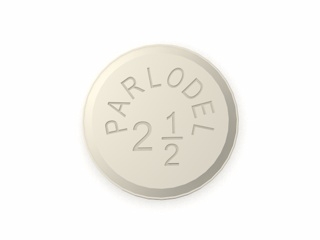


Parlodel (Bromocriptine) — Patient Information (Australia)
Parlodel is a brand of bromocriptine, a medicine used for a range of hormone-related and neurological conditions. It works by affecting dopamine pathways in the brain and by reducing certain hormone levels, particularly prolactin.
This page explains how Parlodel works, how it is used, what to expect, and how to take it safely. Always follow your doctor’s instructions and read the consumer medicine information provided with your product.
Quick facts
- Active ingredient: Bromocriptine
- Brand name: Parlodel
- Common uses: High prolactin, some pituitary problems, Parkinson’s disease (selected cases), and related conditions
- How it works: Dopamine (D2 receptor) agonist—reduces prolactin and can influence motor symptoms
- Administration: Oral tablets/capsules depending on the presentation
- Key cautions: Low blood pressure, dizziness, nausea/vomiting, and interactions with other medicines that affect dopamine or blood pressure
Basic product information
| Category | Information |
|---|---|
| Medicine | Parlodel (bromocriptine) |
| Drug class | Dopamine agonist (ergot-derived) |
| Therapeutic role | Prolactin-lowering and dopamine-related symptom control |
| Availability in Australia | Available via pharmacy supply channels; availability can vary by strength and formulation |
| Common dosage forms | Oral tablets (strengths vary by product) |
How Parlodel works (mechanism of action)
Bromocriptine is a dopamine receptor agonist, with greatest activity at D2 receptors. Dopamine naturally inhibits prolactin release from the pituitary gland. By stimulating D2 receptors, bromocriptine:
- Reduces prolactin levels in the blood
- Can shrink or help control some forms of prolactin-related pituitary enlargement (depending on the cause)
- In Parkinson’s disease, helps improve motor symptoms by mimicking dopamine signalling in motor pathways
In some clinical situations (for example, preventing or stopping lactation), lowering prolactin reduces breast milk production.
Pharmacokinetics (how the body processes it)
“Pharmacokinetics” refers to what the body does to a medicine—absorption, distribution, metabolism, and elimination. Bromocriptine has features common to many dopamine agonists:
- Absorption: Usually absorbed after oral dosing; absorption can vary among individuals.
- Distribution: Widely distributed in the body; it can cross into the central nervous system due to its pharmacology.
- Metabolism: Primarily metabolised by the liver (notably via CYP pathways such as CYP3A4).
- Elimination: Excreted as metabolites; the overall elimination is influenced by liver metabolism.
Because bromocriptine is metabolised by the liver, medicines that affect liver enzymes can alter its effects. This is one reason it’s important to review your current medicines and supplements with a pharmacist or prescriber.
Typical uses and indications
Parlodel is used for several conditions that involve excess prolactin, pituitary tumours, and dopamine deficiency. Depending on the individual, it may be prescribed to address:
Prolactin-related conditions
- Hyperprolactinaemia (high prolactin levels), including when caused by pituitary disease
- Prolactin-secreting pituitary adenomas (prolactinomas)
- Symptoms related to high prolactin, such as irregular or absent periods, infertility issues, and sometimes reduced libido
Milk production and lactation
- To prevent or suppress lactation in certain clinical situations, under medical guidance
- To treat breastfeeding-related issues associated with elevated prolactin (based on clinical assessment)
Parkinson’s disease
- Parkinson’s disease, including symptom management as part of a broader treatment plan (often depending on severity and patient factors).
Not all uses are suitable for every patient. Your clinician will consider diagnosis, hormone tests, imaging results (if needed), and overall health before choosing Parlodel.
Dosing and timing (what to expect)
Dosing varies depending on the condition being treated and individual response. Parlodel is commonly started at a lower dose and increased gradually to reduce side effects such as nausea and dizziness.
General approach
- Start low, go slow: Many people begin with a small dose, then titrate upward.
- Evening or bedtime dosing: For some patients, taking the dose at night helps reduce dizziness.
- Multiple daily doses: Some regimens require more than one dose per day.
How to take it
- Take with food if needed: If nausea occurs, taking with food may help (see “Food interactions”).
- Take consistently: Try to take your doses at similar times each day.
- Do not double up: If you miss a dose, take it when you remember unless it’s close to the next dose.
Monitoring
If you are taking Parlodel for high prolactin, your doctor may check prolactin blood levels and monitor symptoms. For pituitary conditions, follow-up may include imaging and hormonal assessments.
Food interactions and practical meal tips
Food can influence tolerance and, in some cases, absorption. For many people, taking bromocriptine with meals improves gastrointestinal comfort.
Practical tips
- If you feel nauseated: Take the next dose with a light meal or snack.
- Keep caffeine moderate: Caffeine doesn’t directly “cancel” bromocriptine, but dizziness and blood pressure changes may feel worse in some people.
- Stay hydrated: This may help if you experience light-headedness.
There are no universally required food restrictions; however, your individual tolerability matters most. If your nausea persists, speak to a pharmacist or doctor.
Alcohol interactions and safety
Alcohol can worsen side effects such as dizziness, drowsiness, and low blood pressure symptoms. While alcohol may not have a direct chemical interaction in all cases, it can still increase risk by affecting your coordination and alertness.
Advice
- Limit or avoid alcohol until you know how Parlodel affects you.
- If you drink, keep it small and avoid alcohol on days when your dose was recently increased (when side effects may be more noticeable).
- Do not drive or operate machinery if you feel dizzy or unusually sleepy.
Medicine interactions (including common categories)
Bromocriptine can interact with other medicines. Interactions may occur due to: dopamine pathway effects, blood pressure changes, or liver enzyme metabolism.
Medicines that may reduce effectiveness
- Antipsychotics (dopamine antagonists), such as some agents used for psychosis and related conditions
- Metoclopramide (used for nausea) may counter dopamine agonist effects
Medicines that may increase side effects
- Blood pressure medicines: can increase dizziness or low blood pressure symptoms
- Medicines that cause drowsiness (sedatives, some sleeping tablets, certain pain medicines): may increase sleepiness
- Strong inhibitors of liver enzymes (e.g., some antifungals or antibiotics): may increase bromocriptine exposure
Ergot-related cautions
Bromocriptine is an ergot-derived dopamine agonist. Combining with other ergot medicines may increase the risk of side effects such as circulation problems. Tell your pharmacist if you use any ergot medications.
Always check before starting new medicines
Before taking Parlodel alongside any new medication or supplement, consult a pharmacist. This includes: over-the-counter products, herbal supplements, and “natural” remedies.
Safety profile and side effects
Like all medicines, Parlodel can cause side effects. Some are more common when starting or after dose increases. Many patients find that side effects improve as the body adjusts.
Common side effects
- Nausea or indigestion
- Dizziness or light-headedness
- Headache
- Fatigue
- Low blood pressure (especially when standing up)
- Vomiting (less common, but can occur)
- Constipation or abdominal discomfort
Less common but important risks
- Sudden sleepiness or sleep attacks in some people—especially in Parkinson’s disease treatment settings. If this occurs, contact a clinician promptly.
- Impulse-control behaviours (changes in urges or habits). Discuss any unusual urges, gambling-like behaviour, compulsive spending, or similar changes with your doctor.
- Hallucinations or confusion (more likely in some neurological contexts)
- Cardiovascular symptoms in sensitive patients, including changes related to blood pressure
- Reproductive and hormonal changes as prolactin levels change—these may affect menstruation patterns and fertility
Seek urgent help if you experience
- Severe chest pain, shortness of breath, or fainting
- Severe headache with neurological symptoms
- Signs of an allergic reaction (swelling of face/lips, rash, breathing difficulty)
- Persistent or severe vomiting or inability to keep fluids down
Blood pressure precautions
Because bromocriptine can lower blood pressure, rise slowly from sitting or lying positions. If you feel dizzy, sit or lie down until you feel better.
Practical use tips for better tolerability
Many people benefit from a few practical strategies to improve day-to-day comfort while taking Parlodel.
- Take it consistently: Set a routine with your phone alarm if needed.
- Start at night if advised: Night dosing can reduce daytime dizziness.
- Eat small meals: If nausea occurs, a light meal with the tablet can help.
- Track side effects: Note when symptoms occur—particularly after dose increases—to discuss with your clinician.
- Stand up slowly: This is especially important during the first days of therapy.
- Avoid risky activities: Until you know how you respond, avoid driving or hazardous machinery if dizziness or sleepiness occurs.
If your side effects are troublesome, do not stop suddenly without advice—your doctor may adjust your dose or schedule.
Stopping or missing doses
If you miss a dose, take it when you remember unless it’s close to the next scheduled dose. Do not take extra tablets to “catch up” unless your clinician has advised it.
Stopping bromocriptine may allow prolactin levels and symptoms to return in some situations. If you plan to stop or reduce treatment, discuss the timing and tapering approach with a healthcare professional.
Alternative options
Treatment options depend on the underlying diagnosis. If bromocriptine isn’t suitable (for example, due to tolerability, interactions, or effectiveness), clinicians may consider other approaches.
For prolactin-related conditions
- Other dopamine agonists such as cabergoline (commonly used in prolactin disorders, depending on local guidance and availability)
- Clinical monitoring and symptom management in selected cases
- Specialist interventions (for example, surgery or radiotherapy) for some pituitary tumour scenarios
For Parkinson’s disease
- Other Parkinson’s therapies including levodopa-based regimens and other dopaminergic medicines
- Non-drug approaches such as physiotherapy and occupational therapy to support function
Your pharmacist can help explain what alternatives might mean for your specific situation and what interactions to consider.
Market and legal context in Australia
In Australia, medicines are regulated through the Therapeutic Goods Administration (TGA) system and listed with appropriate classifications for safe supply. Parlodel is supplied through pharmacy channels in accordance with Australian medicines scheduling and local regulatory requirements.
If a medicine is not suitable for self-selection, Australian pharmacies will typically require appropriate assessment before dispensing to support safe use. Product availability may also depend on the specific strength and current stock levels.
For the most accurate information on the product you receive (including excipients, exact tablet strength, and consumer information), refer to the packaging and the accompanying leaflet.
Recent guidance and monitoring considerations
Clinical practice evolves over time. In general, current safe-use principles for bromocriptine and dopamine agonists include:
- Careful titration: Start with a lower dose to improve tolerability.
- Monitoring for side effects: Pay attention to dizziness, hallucinations, and impulse-control changes when relevant.
- Reviewing interactions: Confirm what you take, including over-the-counter and herbal products.
- Cardiovascular awareness: Monitor symptoms that may suggest blood pressure changes, particularly early in therapy.
- Specialist follow-up: For prolactin disorders and pituitary disease, regular follow-up helps guide ongoing management.
Your clinician may adjust therapy based on hormone test results, symptom response, and tolerability.
Delivery and availability
Online pharmacies in Australia typically source medicines through authorised wholesalers and supply chains. Availability can vary by strength and formulation, so stock may differ.
Delivery expectations
- Dispatch times: Depend on stock and verification processes.
- Delivery areas: Usually includes metropolitan and regional Australian locations.
- Packaging: Medicines are supplied in compliant packaging to protect product integrity.
If you are ordering Parlodel online, confirm product strength and ensure it matches the one your clinician recommended. If you need assistance verifying the correct item, a pharmacist can help.
FAQs about Parlodel (bromocriptine)
1) What is Parlodel used for?
Parlodel (bromocriptine) is used for conditions involving high prolactin levels (such as prolactin-secreting pituitary disorders), to help manage certain lactation-related situations, and for Parkinson’s disease in selected patients.
2) How soon will I notice effects?
Some people notice symptom changes within days, but for prolactin-related conditions, hormone levels may take longer to stabilise. Monitoring with blood tests and symptom review guides how well treatment is working.
3) Is it safe to take with food?
Food may help reduce nausea. If you experience stomach upset, taking Parlodel with a meal or snack can improve tolerability. Follow any specific instructions on your product label.
4) Can I drive after taking Parlodel?
Until you know how Parlodel affects you, avoid driving or operating machinery if you feel dizzy or unusually sleepy. Some people—particularly when treated for Parkinson’s disease—may experience sudden sleepiness.
5) What should I do if I miss a dose?
Take it when you remember unless it’s close to the next dose. Do not take double doses to make up for a missed tablet unless directed.
6) Does alcohol affect Parlodel?
Alcohol can increase dizziness and sleepiness and may worsen low-blood-pressure symptoms. It’s best to limit or avoid alcohol, especially early in treatment or after dose increases.
7) What medicines should I avoid or be cautious with?
Tell your pharmacist if you take antipsychotics or medicines like metoclopramide, as these can oppose dopamine agonist effects. Also mention any blood pressure medicines, sedatives, and strong liver enzyme–affecting drugs.
8) Are there any warning signs I should watch for?
Seek urgent help if you develop chest pain, fainting, severe shortness of breath, or severe allergic symptoms. Contact a clinician promptly for persistent vomiting, severe confusion/hallucinations, or unusual impulse-control behaviours.
9) Can Parlodel be used long-term?
Many patients use bromocriptine long-term under medical review, particularly for hormone disorders. Ongoing monitoring helps balance benefits and risks.
10) What if side effects are bothersome?
Common early side effects often improve with gradual dose adjustments. Discuss your symptoms with a pharmacist or prescriber. Avoid changing the regimen on your own.
Storage and handling
- Store at room temperature as directed on the label.
- Keep in the original packaging to protect from moisture and light if recommended.
- Keep out of reach of children.
If you have questions about the specific Parlodel product you received (strength, appearance, excipients), please refer to the packaging or ask your pharmacist.
Important: This information is general and does not replace medical advice. Side effects, interactions, and dosing may vary between individuals. Contact a pharmacist or healthcare professional for advice tailored to your health situation.