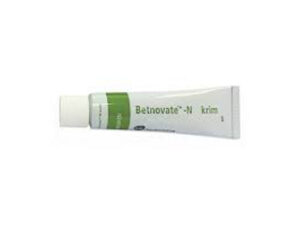
Pimecrolimus (Pimecrolimus Cream) — Patient-Friendly Guide
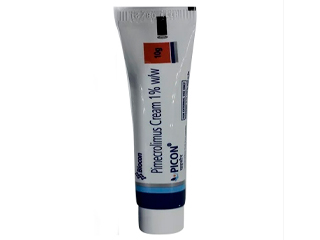
Pimecrolimus is a prescription-strength anti-inflammatory medicine used on the skin for certain types of inflammatory skin conditions, most commonly atopic dermatitis (eczema). It belongs to the topical calcineurin inhibitor family and works by helping reduce inflammation and itch on the skin.
This guide is written for people in Australia to explain how pimecrolimus works, how it’s typically used, what to expect, and important safety information.
Quick Facts
- Medicine name: Pimecrolimus
- How it’s used: Topical cream for affected skin
- Common condition: Eczema (atopic dermatitis)
- Common benefits: Helps reduce redness, itching, and irritation
- Typical application timing: Usually twice daily (follow your clinician’s instructions)
- Common formulation strength: Commonly 1% cream (availability may vary)
Basic Product Information
Pimecrolimus cream is applied to the skin surface. It is designed to target the inflammatory processes involved in eczema and other immune-mediated skin inflammation.
Brand and strengths: Product names and strengths can vary by manufacturer. Always check the label on the specific product you receive.
Who it’s for: It’s generally used for people who have eczema that flares or persists in certain areas of the skin, as advised by a healthcare professional.
How Pimecrolimus Works (Mechanism of Action)
Pimecrolimus is a topical calcineurin inhibitor. In simple terms, it helps calm an overactive immune response in the skin.
- Reduces inflammatory signalling: It interferes with pathways used by immune cells to drive inflammation.
- Helps lessen itch: By reducing inflammation, it can reduce the itch-scratch cycle common in eczema.
- Does not work like steroids: Although it treats inflammation, pimecrolimus is not a corticosteroid.
What this means for you: Some people notice improvements within days, while others may need consistent use during flare-ups. It’s usually most helpful when started early in a flare or when symptoms are active.
Pharmacokinetics (How the Body Handles It)
Because pimecrolimus is applied to the skin, only a small amount is typically absorbed into the bloodstream compared with medicines taken by mouth.
- Absorption: Generally low through intact skin, with absorption potentially higher if the skin barrier is damaged (e.g., eczema flares) or if applied over larger areas.
- Distribution: Any systemic absorption that occurs would be distributed in the body, though levels are usually low.
- Metabolism: Like many medications, absorbed pimecrolimus would be processed by the body’s normal metabolic pathways.
- Elimination: The small absorbed fraction would be cleared over time.
Clinical takeaway: For most people, pimecrolimus has limited systemic effects because systemic absorption is low when used as directed.
Typical Use and When to Apply (Timing)
Pimecrolimus is intended for skin use only. It should be applied to the affected areas in a thin layer.
Typical application pattern
- Common schedule: Often twice daily (morning and evening).
- Start early: It may work best when used early during an eczema flare (as advised by your healthcare professional).
- Use during active symptoms: Apply to areas with redness/itch/inflammation as directed.
How to apply properly
- Wash and dry your hands.
- Cleanse the affected area gently if needed and pat dry.
- Apply a thin layer to the affected skin.
- Wash hands after application (unless treating your hands).
- Avoid getting the cream into eyes, mouth, or on mucosal areas (unless specifically instructed).
Moisturiser compatibility: Many people use moisturisers alongside topical anti-inflammatories. Generally, you should moisturise as advised and allow appropriate time between products (for example, apply pimecrolimus first, then moisturiser after it has been absorbed, or as your clinician recommends).
Food Interactions
Because pimecrolimus is used on the skin and is absorbed only in small amounts, food interactions are not generally expected.
- However: If you take medicines by mouth that you’re unsure about, always discuss them with a pharmacist or clinician.
- General advice: Follow usual dietary guidance for overall health, especially if you also manage allergy or eczema triggers.
Alcohol and Medicine Interactions
No specific, common alcohol-related interactions are expected with pimecrolimus because it is a topical product with limited systemic absorption.
- Alcohol: There is no typical direct interaction, but alcohol may worsen eczema for some people by affecting skin hydration, sleep, or immune responses.
- Other medicines: Inform your healthcare professional about all medicines you use, including other creams, immunosuppressive treatments, and any long-term therapies.
Important interaction note: Avoid using multiple topical anti-inflammatories on the same area at the same time unless your clinician instructs you to do so (for example, switching between pimecrolimus and a topical corticosteroid may be appropriate, but the schedule should be clear).
Indications (What It’s Used For)
Pimecrolimus is used for inflammatory skin conditions involving immune-related inflammation, particularly:
- Atopic dermatitis (eczema): To help control symptoms such as itch and redness.
- Inflamed or itchy skin areas: As directed by a healthcare professional.
Not for: This medicine is intended for the skin condition it’s approved for. It should not be used for unrelated skin problems unless advised.
Dosing (How Much to Use)
Dosing depends on the product strength and the extent of your eczema.
| Use | Typical dosing guidance | Notes |
|---|---|---|
| Eczema flare or active rash | Apply a thin layer to affected areas, usually twice daily | Follow your clinician’s specific plan. Use only on affected skin. |
| Maintenance / early flare control | Use as advised when symptoms begin | Many people benefit from an early-start approach during flares. |
| Treated areas | Keep coverage limited to affected areas | Avoid large-area application unless specifically instructed. |
Do not:
- Apply more frequently or more thickly than instructed.
- Cover with airtight dressings unless advised.
If you miss a dose: Apply when you remember, unless it’s close to the next dose. Then resume your normal schedule.
Safety Profile and Side Effects
Like all medicines, pimecrolimus can cause side effects. Most are mild and related to the skin.
Common side effects
- Burning, stinging, or tingling at the application site (often mild and may improve over time)
- Skin irritation
- Redness where applied
Less common / seek advice
Contact a pharmacist or doctor promptly if you develop:
- Severe or worsening skin reactions
- Signs of infection (increasing pain, warmth, spreading redness, pus, or fever)
- Allergic symptoms such as swelling or widespread hives
When to stop and get urgent help
Seek urgent medical care if you experience symptoms of a serious allergic reaction (e.g., difficulty breathing, severe swelling, collapse).
Special considerations
- Skin barrier issues: During eczema flares, skin barrier disruption may increase absorption slightly—use only as directed.
- Sun exposure: Eczema itself can be affected by sun; also protect the skin from excessive UV exposure and follow healthcare advice.
- Pregnancy and breastfeeding: Discuss with a clinician if pregnant, planning pregnancy, or breastfeeding. Use as advised.
Practical Use Tips (How to Get the Best Results)
- Pair with moisturising: Moisturisers reduce dryness and help prevent flares. Using pimecrolimus alongside good moisturising is often more effective than either alone.
- Apply to dry skin when possible: If your skin is very wet or freshly washed, pat dry first.
- Thin layer only: Thick layers do not necessarily improve results and may increase irritation.
- Start at the first sign of flare: Early application may reduce flare severity.
- Keep notes: Track what triggers your eczema (heat, sweating, certain soaps, stress, allergens) and use this information to manage flare cycles.
- Avoid occlusion: Unless instructed, don’t cover with airtight bandages.
- Be consistent: Missing doses during active inflammation may slow improvement.
Alternative Options for Eczema and Inflammatory Skin
Because eczema can vary from person to person, there are several treatment options. The best plan depends on age, severity, location of rash, and your response to previous treatments.
Common alternatives
- Topical corticosteroids: Often used for flare control. Usually selected based on potency and body site.
- Topical moisturisers and emollients: A foundation of eczema care to restore the skin barrier.
- Other topical anti-inflammatory agents: Such as topical calcineurin inhibitors (depending on availability and suitability).
- Oral or systemic therapies: For severe eczema not controlled by topical treatment (requires specialist care).
- Wet-wrap therapy: Sometimes recommended by clinicians for severe flares.
Choosing an option: If your eczema is not improving, or if it’s frequently recurring, ask a healthcare professional about adjusting the plan rather than increasing pimecrolimus beyond directions.
Market and Legal Context for Australia
In Australia, the availability of pimecrolimus products and their classification can vary depending on brand, strength, and regulatory decisions. Most topical anti-inflammatory eczema medicines are supplied with specific instructions and may require assessment before use.
To buy safely:
- Ensure you’re purchasing an approved product from a reputable Australian supplier or pharmacy.
- Check the packaging for the correct active ingredient name and strength.
- Follow the labelled directions or the specific instructions provided by your healthcare professional.
Why this matters: Eczema treatments are tailored to age, site, severity, and personal history. Correct selection and use help reduce the risk of side effects and improve outcomes.
Recent Guidance and Ongoing Eczema Care (Australia-Relevant Considerations)
Clinical guidance for eczema in Australia commonly emphasises a combination of approaches:
- Skin barrier repair through regular moisturising
- Early treatment of flares to limit severity
- Appropriate selection of topical anti-inflammatory therapy based on the body area and symptom severity
- Review of triggers (irritants, allergens, infection, stress, sweating)
- Assessment for infection when eczema suddenly worsens or becomes painful
While treatment recommendations can be updated over time, the core principles remain consistent: treat inflammation appropriately and maintain skin hydration to prevent flares.
Delivery, Availability, and What to Expect When Ordering
Availability of pimecrolimus may vary by stock levels and product brand. Many online pharmacies in Australia supply topical eczema medicines and can deliver within standard shipping times.
Before you place an order:
- Confirm the active ingredient is pimecrolimus and the strength matches your needs.
- Check whether the product is in stock and delivery timeframes for your location.
- Review storage instructions on the pack (commonly store as directed, away from excessive heat and sunlight).
Delivery expectations: If there’s a delay due to stock issues, a reputable supplier will usually contact you or provide an estimated restock date.
Packaging: Products should arrive in original packaging with clear labelling, expiry date, and batch details.
FAQ About Pimecrolimus
1) Is pimecrolimus a steroid?
No. Pimecrolimus is a topical calcineurin inhibitor, not a corticosteroid. People sometimes choose it for areas where they want a non-steroid option.
2) How quickly does it work?
Some people see improvement within a few days, particularly for redness and itch. For others, consistent use during an active flare may be needed for full effect. If there’s no improvement after a reasonable trial, consult a healthcare professional.
3) What should I do if it stings when I apply it?
Burning or stinging can happen, especially during a flare when the skin barrier is damaged. It is often temporary. Applying to dry skin, using a thin layer, and moisturising as advised may help. Stop and seek advice if irritation is severe or persistent.
4) Can I use it on my face?
Pimecrolimus can be used on certain facial areas as advised, but the plan depends on your age, the affected area, and severity. Follow the directions from your healthcare professional.
5) Can children use pimecrolimus?
It may be used in children for appropriate eczema indications, depending on the specific product instructions and clinical assessment. Always check the age recommendations on the pack and consult a healthcare professional for the right approach.
6) Can I use moisturiser at the same time?
Often yes. Many people use moisturisers regularly. To reduce mixing and irritation, apply pimecrolimus first and allow it to absorb before moisturiser, or follow the schedule recommended by your clinician.
7) Will I need to use it long-term?
Some people use it during flare-ups and sometimes as part of a flare-prevention strategy. Your clinician will help decide the best long-term plan based on how often your eczema returns.
8) What if my eczema becomes infected?
If your eczema worsens quickly, becomes very painful, weeps, develops crusting, or you feel unwell, contact a healthcare professional promptly. Infections may require different treatment.
9) Are there sun-safety considerations?
Protect affected areas from excessive sun exposure. If you’re concerned about outdoor exposure or sun safety, ask your pharmacist or doctor for advice tailored to your skin type and symptoms.
10) Can I drink alcohol while using pimecrolimus?
No specific direct interaction is expected. However, alcohol may worsen eczema for some people indirectly (e.g., by affecting sleep or hydration). Listen to your body and avoid triggers that reliably worsen symptoms.
Important Reminders
- Use pimecrolimus only on affected skin and as directed.
- Stop and seek advice if you develop severe irritation, signs of infection, or allergic symptoms.
- Maintain a consistent eczema routine: moisturising plus prompt flare management often provides the best control.
Disclaimer: This information is intended as general educational guidance for patients in Australia and does not replace personalised medical advice. If you have questions about whether pimecrolimus is appropriate for your situation, speak with a pharmacist or healthcare professional.