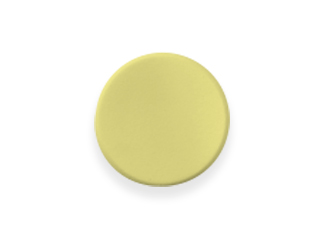
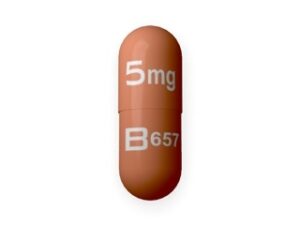
Pletal (Cilostazol) – Patient Information (Australia)
Pletal is a medicine containing cilostazol, commonly used to help improve walking ability in people with certain types of circulation problems in the legs. It belongs to a group of medicines that can also reduce abnormal platelet clumping and help keep blood flowing through narrowed vessels.
This information is designed to be patient-friendly and cover common questions about how Pletal works, how it’s typically used, safety considerations, and practical tips. Always follow the advice given by your healthcare professional and the product label for your specific situation.
Basic product information
| Feature | Details |
|---|---|
| Medicine name | Pletal |
| Active ingredient | Cilostazol |
| Common use | Improving walking distance in peripheral arterial disease (PAD) |
| How it works | Helps prevent platelet clumping and supports blood vessel function |
| Availability | Widely available through Australian pharmacies (availability may vary by brand/strength) |
What is cilostazol and how does it work?
Cilostazol is an antiplatelet and vasodilatory medicine. It works in two main ways:
- Antiplatelet action: Cilostazol helps reduce the tendency of platelets (blood cells involved in clotting) to clump together. This can improve blood flow through narrowed arteries.
- Vasodilation and vascular effects: It helps relax blood vessels and may increase blood flow to the muscles, particularly during activity.
In people with peripheral arterial disease (PAD), reduced blood flow to the legs can cause claudication—pain, cramping, or discomfort when walking that improves with rest. By improving circulation, Pletal can help increase walking distance and delay the onset of symptoms for some patients.
Pharmacokinetics (how the body handles Pletal)
While individual responses can vary, the following points summarise typical pharmacokinetic behaviour of cilostazol:
- Absorption: Cilostazol is absorbed after oral dosing. Absorption can be influenced by food intake (see “Food interactions” below).
- Distribution: It distributes into body tissues and is present at effective levels to exert its vascular and antiplatelet effects.
- Metabolism: Cilostazol is metabolised mainly by the liver, particularly via CYP enzymes (notably CYP3A4 and CYP2C19). This affects how well it clears from your body and contributes to drug–drug interactions.
- Elimination: Metabolites are eliminated primarily through the kidneys (urine) and to a lesser extent other pathways. The active effects depend on consistent dosing and your individual metabolism.
- Half-life: Cilostazol and its metabolites have a duration that generally supports dosing twice daily in many regimens.
Typical use in Australia
Pletal is commonly prescribed for people with symptomatic peripheral arterial disease (PAD) who experience intermittent claudication—leg pain brought on by walking and relieved by rest.
It is usually used alongside other measures, such as:
- Structured exercise therapy (walking programmes tailored by healthcare professionals)
- Risk factor management (e.g., smoking cessation, blood pressure control, cholesterol management)
- Optimised cardiovascular care as appropriate
Indications (when Pletal is used)
In general terms, cilostazol is used to:
- Improve walking distance in patients with intermittent claudication due to PAD
- Help reduce symptoms so walking is more comfortable and convenient
Your healthcare professional will confirm whether PAD symptoms, medical history, and current medicines make cilostazol suitable for you.
How to take Pletal: dosing and timing
A common adult dosing regimen is:
- Typical dose: 100 mg twice daily (morning and evening)
- Time between doses: try to space doses about 12 hours apart
Take Pletal at the same times each day to help maintain steady levels. Swallow tablets whole with water unless your pharmacist or healthcare professional advises otherwise.
When will it start working?
- Many patients notice benefit within 2 to 4 weeks, but the full effect may take longer.
- If you do not notice improvement after a reasonable trial (as advised by your healthcare professional), your treatment may need review.
Missed dose
- If you forget a dose, take it when you remember.
- If it is close to the next dose, skip the missed dose and continue as normal.
- Do not take a double dose to catch up.
Food interactions
Food can affect how quickly cilostazol is absorbed. Many people can take Pletal without a major issue with meals, but the safest approach is to be consistent.
- General guidance: Take your doses at similar times each day, either always with food or always on an empty stomach, unless your clinician advises otherwise.
- Fatty meals: may slow absorption for some medicines; if you notice delayed effect, consider taking your doses at the same meal time pattern.
If you have been told to take Pletal “before” or “after” meals, follow that advice. When in doubt, ask your pharmacist.
Alcohol interactions
Moderate alcohol may not directly contraindicate cilostazol for every person, but alcohol can increase side effects such as dizziness or light-headedness, and it may raise the risk of falls.
- If you drink alcohol, start with small amounts to see how you respond.
- Avoid heavy or binge drinking, especially if you already experience dizziness or headaches.
- If you notice unusual bleeding/bruising or significant palpitations after alcohol, seek medical advice promptly.
Medicine interactions (important)
Cilostazol can interact with other medicines, mainly due to its metabolism in the liver and its effects on blood clotting. Tell your healthcare professional or pharmacist about all medicines you use, including over-the-counter products, vitamins, and herbal supplements.
Medicines that may increase bleeding risk
- Other antiplatelets (e.g., medicines that also reduce platelet activity)
- Anticoagulants (blood thinners)
- Non-steroidal anti-inflammatory drugs (NSAIDs) used regularly (e.g., ibuprofen, naproxen) may increase bleeding risk in some patients
Combining these can increase the chance of bleeding. Your healthcare professional will weigh benefits and risks for your situation.
Medicines that affect liver enzymes (CYP interactions)
Cilostazol is metabolised by liver enzymes, particularly CYP3A4 and CYP2C19. Medicines that strongly inhibit these enzymes can raise cilostazol levels, increasing side effects.
- Strong enzyme inhibitors may require avoidance or dose adjustments. Examples include certain antifungals and some antibiotics/anti-viral agents (your pharmacist can check specifics).
- Some medicines that induce liver enzymes may reduce cilostazol levels and may reduce effectiveness.
Proton pump inhibitors and other common medicines
Many people take medicines for heartburn or other conditions alongside cilostazol. Some products can affect stomach acid and absorption patterns, and others may affect liver metabolism. This does not automatically mean an interaction will occur, but it’s worth checking with a pharmacist.
Herbal and “natural” products
Be careful with supplements that may affect bleeding risk (e.g., high-dose omega-3, ginkgo, or others) or liver enzymes. Always disclose supplements so interactions can be assessed.
Safety profile: what to know before and during treatment
Like all medicines, Pletal can cause side effects. Not everyone gets them, and the benefits may outweigh the risks for many patients. It’s important to understand what is expected, what needs monitoring, and when to seek urgent help.
Common side effects
- Headache
- Dizziness or light-headedness
- Palpitations (awareness of heartbeat)
- Diarrhoea or loose stools
- Nausea
- Swelling (less common)
Bleeding-related warning signs (seek medical advice urgently)
Because cilostazol can affect platelet function, watch for signs of unusual bleeding:
- Unusual bruising or bruises that appear easily
- Bleeding that doesn’t stop
- Black/tarry stools or blood in stool
- Blood in urine
- Vomiting blood or coffee-ground-like material
- Severe or persistent nosebleeds
Heart rhythm or chest symptoms
If you experience fainting, severe dizziness, chest pain, or a rapid/irregular heartbeat, seek urgent medical help. While most people do not experience serious rhythm problems, these symptoms require prompt assessment.
Low blood pressure symptoms
Cilostazol can lead to vasodilation in some people, which may contribute to light-headedness—especially when standing up. Rise slowly from sitting or lying down to reduce the chance of falls.
Who should use caution or avoid Pletal?
Cilostazol may not be suitable for everyone. Use caution and discuss your history with a healthcare professional if you have:
- Heart failure or reduced heart pumping function (your clinician will determine suitability)
- Active bleeding or a history of significant bleeding
- Liver or kidney impairment
- Known sensitivity to cilostazol or other components of the product
The “right” choice also depends on what other medicines you take and your overall cardiovascular risk.
Practical use tips (getting the best benefit and reducing problems)
- Keep a walking diary: note how far you can walk before pain starts. This helps track whether Pletal is helping.
- Follow the exercise plan: structured walking programmes can significantly improve PAD outcomes. Medicines often work better when paired with exercise.
- Stay hydrated: especially during hot weather, to reduce dizziness risk.
- Be cautious when driving: if you feel dizzy or light-headed, avoid driving or operating machinery until you know how you respond.
- Check your medicines list: ask your pharmacist to review all interactions, especially antiplatelets, anticoagulants, and antibiotics/antifungals.
- Take it consistently: morning and evening at similar times each day.
- Report side effects early: early guidance can help manage headaches or diarrhoea and may prevent unnecessary stopping.
Alternative options for intermittent claudication/PAD
Treatment for PAD usually involves both lifestyle and medical strategies. Alternatives may include:
Non-medicine options
- Supervised or structured exercise therapy (walking programmes)
- Smoking cessation
- Foot care and monitoring
- Risk factor management (cholesterol, blood pressure, diabetes control)
Other medicines
- Antiplatelet medicines (as advised for cardiovascular risk management)
- Cholesterol-lowering therapy (e.g., statins)
- Blood pressure medicines
- Depending on your condition, clinicians may consider other approaches for symptoms; the suitability depends on your medical history and other medicines.
Interventional options
- Angioplasty and stenting for selected patients
- Bypass surgery in more complex cases
If you’re considering alternatives, discuss what “success” looks like for you—such as improved walking distance, fewer symptom days, or improved quality of life.
Delivery and availability in Australia
Pletal (cilostazol) is generally available through Australian pharmacies, though stock can vary depending on strength and manufacturer. When purchasing online, ensure you choose a reputable pharmacy service that can supply genuine products and provides:
- Clear product identification (active ingredient, strength)
- Estimated delivery times and shipping options
- Secure payment and privacy protections
- Customer support for order tracking and substitution policies (if applicable)
For delivery, common expectations include dispatch within business days and tracking updates by email or SMS. Availability may also be affected by supply chain fluctuations, so checking stock status early can be helpful.
Market and legal context for Australia (high-level)
In Australia, medicines are regulated under the Therapeutic Goods Administration (TGA) framework. How a medicine can be supplied (for example, through pharmacy channels) depends on its regulatory status and local prescribing and dispensing requirements. When buying online, reputable pharmacies follow Australian legal and compliance standards and provide appropriate professional oversight.
Requirements can vary based on product classification and patient circumstances. If you’re unsure about eligibility or supply arrangements, contact the pharmacy’s support team.
Recent guidance and clinical considerations
Clinical guidance for PAD typically emphasises a combination of:
- Optimising cardiovascular risk factors (smoking cessation, lipids, blood pressure, diabetes)
- Exercise-based therapy as a cornerstone for improving walking ability
- Medicines to manage symptoms when appropriate
- Regular review of benefit versus risk, including attention to side effects and potential interactions
While specific updates change over time, a common principle remains: cilostazol is most useful for symptom relief in appropriate patients, and should be monitored for tolerance and effectiveness. Your clinician may reassess treatment if there is no meaningful improvement.
FAQ about Pletal (cilostazol)
1) What is Pletal used for?
Pletal (cilostazol) is used to improve walking distance in people with intermittent claudication due to peripheral arterial disease (PAD).
2) How quickly should I feel any benefit?
Some people notice improvement within a few weeks, while others need longer. It’s reasonable to review progress after an initial trial period, as advised by your healthcare professional.
3) What should I do if I miss a dose?
Take it when you remember unless it’s close to the next dose. Don’t take a double dose to make up for a missed one.
4) Can I take Pletal with food?
Food can affect absorption. Many people take cilostazol consistently with or without meals. Follow your clinician’s instructions and aim for consistent timing from day to day.
5) Does Pletal interact with other blood-thinning medicines?
Potentially, yes. Combining cilostazol with other medicines that affect bleeding (such as antiplatelets or anticoagulants) can increase bleeding risk. Always review your full list of medicines with a pharmacist.
6) Can I drink alcohol while taking Pletal?
Moderate alcohol may be possible for some people, but alcohol can worsen dizziness or increase fall risk. Heavy drinking can increase side effect burden. If you notice light-headedness, avoid alcohol or discuss options with your clinician.
7) What side effects are most common?
Common side effects include headache, dizziness, palpitations, and diarrhoea or nausea.
8) When should I seek urgent medical help?
Seek urgent help if you have signs of significant bleeding (such as blood in stool/urine, black/tarry stools, severe unexplained bruising) or serious symptoms such as chest pain, fainting, or severe irregular heartbeat.
9) Are there alternatives if Pletal isn’t suitable?
Yes. PAD management may include exercise therapy, lifestyle and risk factor control, and other medication approaches. For symptom relief, your healthcare professional can discuss options based on your overall health and medical history.
10) How should I store Pletal?
Store at room temperature, protect from moisture, and keep out of reach of children. Use the product according to the expiry date on the packaging.
Summary
Pletal (cilostazol) can help improve walking ability for some people with intermittent claudication due to peripheral arterial disease. It works by supporting blood flow and reducing platelet clumping. Success depends on appropriate patient selection, consistent dosing, and a comprehensive PAD plan—especially structured exercise and cardiovascular risk management.