


Principen (Ampicillin) — Patient Guide (Australia)
Principen is a brand of the antibiotic ampicillin. Ampicillin belongs to the penicillin group of antibiotics and is used to treat a range of bacterial infections. This page explains how it works, how it is taken, common side effects, key precautions, and practical tips to help you use it safely and effectively in Australia.
| Feature | Information |
|---|---|
| Medicine | Principen (ampicillin) |
| Medicine type | Antibiotic (penicillin-class) |
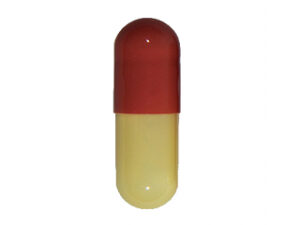
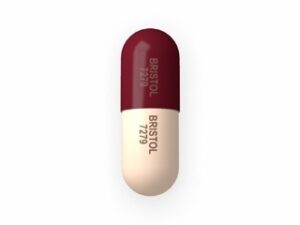
| Common form | Tablets or capsules (availability may vary by supplier/brand range) |
| Main role | Treat infections caused by susceptible bacteria |
| How it works | Stops bacteria from building their cell walls |
| Key safety notes | Allergy risk; interactions with some medicines; watch for diarrhoea and rash |
Basic product information
Principen contains the active ingredient ampicillin. Like other beta-lactam antibiotics, it works against bacteria that are susceptible to ampicillin. The suitability of ampicillin depends on the type of infection and whether the likely bacteria are expected to respond.
Important: Antibiotics like ampicillin only treat bacterial infections. They do not treat illnesses caused by viruses (e.g., most colds and flu).
How ampicillin (Principen) works
Ampicillin is a beta-lactam penicillin. It interferes with the way susceptible bacteria form cell walls. Specifically, it binds to proteins involved in building the bacterial cell wall, leading to cell wall weakness and bacterial death.
Why this matters
- Targeted action: It is most effective when the infection is caused by bacteria known or likely to be susceptible to ampicillin.
- Complete the course: Stopping early can allow surviving bacteria to regrow, potentially worsening infection or contributing to resistance.
- Resistance can occur: Some bacteria produce enzymes (e.g., beta-lactamases) that can inactivate ampicillin, or bacteria may have other resistance mechanisms.
Pharmacokinetics (how your body handles it)
Understanding the basic pharmacokinetics can help you take Principen at the right times and know what to expect.
- Absorption: Ampicillin can be absorbed after oral dosing; absorption may be influenced by food and gut conditions.
- Distribution: It spreads through body tissues and fluids, including areas relevant to many infections.
- Metabolism and elimination: Ampicillin is primarily eliminated by the kidneys. Kidney function can affect how quickly it is cleared.
- Half-life (general): Clearance is faster in people with normal renal function and may be slower in those with kidney impairment.
- Concentration and dosing frequency: Antibiotics are often dosed multiple times daily to maintain effective drug levels.
Kidney health matters: If you have reduced kidney function, dose adjustments may be needed to reduce side effects and keep levels safe and effective.
Typical uses (indications)
Principen (ampicillin) may be used for infections caused by susceptible bacteria. The exact choice of antibiotic depends on the suspected pathogen, severity of illness, local resistance patterns, and patient factors.
Common infection areas where ampicillin may be considered
- Respiratory tract infections (in certain bacterial cases)
- Ear, nose, and throat infections (depending on organism susceptibility)
- Urinary tract infections (where susceptible bacteria are involved)
- Gastrointestinal infections (selected cases)
- Some skin and soft tissue infections
- Infections where ampicillin is specifically appropriate based on microbiology results
Clinical note: Some infections may be treated with other antibiotics instead of (or in addition to) ampicillin if resistance is common or if a different spectrum is needed.
When to take Principen and timing tips
Successful antibiotic treatment often depends on maintaining consistent drug levels. Taking your doses at regular intervals helps.
General timing guidance
- Follow the dosing schedule provided with your medicine or by your healthcare team.
- Try to take each dose at about the same times every day.
- If you miss a dose, take it when you remember unless it is close to the next dose—then skip the missed dose and resume your regular schedule.
Practical example (illustrative)
If a course is prescribed four times daily, this often means spacing doses approximately 6 hours apart (e.g., morning, midday, early evening, bedtime). Your exact schedule may differ.
Food interactions and what to eat with it
Food can influence absorption for some antibiotics. Ampicillin is generally considered to have less critical timing than some other antibiotics, but individual absorption can vary.
Do you need to take it with food?
- Some people may tolerate ampicillin better when taken with food if it causes stomach upset.
- Others may take it on an empty stomach if instructed by their prescriber or if their product instructions specify this.
Consistency is important
Once you find a routine that suits you, aim to take each dose in a similar way (either consistently with meals or consistently between meals) unless your healthcare provider advises otherwise.
Alcohol and medicine interactions
Alcohol: Moderate alcohol use is not always strictly forbidden with antibiotics, but it may worsen side effects such as nausea, dizziness, and dehydration. The safest approach is to limit or avoid alcohol while you are unwell and taking antibiotics.
Medicine interactions: Ampicillin can interact with other medicines and supplements. Always check with a pharmacist if you are taking any of the following:
- Probenecid (commonly used for gout): can reduce kidney clearance and raise antibiotic levels.
- Allopurinol: may increase the likelihood of skin rashes when combined with ampicillin.
- Oral anticoagulants (e.g., warfarin): antibiotics can affect gut bacteria and clotting control; your INR may require monitoring.
- Oral contraceptives: while evidence is mixed, severe diarrhoea or vomiting during antibiotic treatment can reduce effectiveness. If you have significant gastrointestinal upset, consider additional contraception.
- Other antibiotics or antimicrobial agents: combinations are sometimes used, but not all combinations are beneficial.
- Live bacterial vaccines: antibiotics may reduce effectiveness of certain vaccines; discuss timing with a clinician.
Always tell a healthcare professional about all medicines you take, including non-prescription products and herbal supplements.
Dosing (general information)
Dose depends on factors like the infection being treated, severity, age, kidney function, and local prescribing guidance. In Australia, dosing schedules may differ between adults and children.
Adult dosing overview
Common schedules for ampicillin often involve multiple daily doses, because the body clears the drug within a predictable timeframe. Your exact dose and duration should match your treatment plan.
Children and special populations
- Children: Dosing is often calculated based on weight.
- Older adults: Kidney function may change with age; dose adjustments may be considered.
- Kidney impairment: Dose may be reduced or the interval between doses extended.
Course length
Antibiotic courses typically continue for a defined period to fully clear the infection. Even if you feel better, complete the full course unless a clinician advises stopping.
If you’re unsure about your dose, speak with a pharmacist or your healthcare team before taking extra or changing the schedule.
Safety profile and side effects
Like all medicines, Principen (ampicillin) can cause side effects. Many people experience none or only mild effects, but it’s important to know what to watch for.
Common side effects
- Diarrhoea (mild to moderate)
- Nausea or stomach discomfort
- Rash or skin irritation
- Headache
- Vaginal yeast infection in some people
Serious side effects — seek urgent help
Get urgent medical attention if you develop symptoms of a severe allergic reaction or other emergencies:
- Allergic reactions (anaphylaxis): swelling of face/lips, difficulty breathing, wheezing, fainting
- Severe rash: blistering, peeling skin, or rash with fever
- Severe or persistent diarrhoea (especially watery or bloody stools), abdominal cramps, or fever — could indicate Clostridioides difficile infection
- Yellowing of skin/eyes or dark urine (possible liver-related effects)
Allergy precautions
Do not take ampicillin if you have had a serious allergy to ampicillin, other penicillins, or cephalosporins unless specifically advised by a clinician.
Cross-reactivity risk: Some people with penicillin allergy may react to other beta-lactam antibiotics. Pharmacists can help you assess risk based on your allergy history.
Practical tips for safe and effective use
- Use a reminder: Set alarms or use a phone calendar to keep consistent dosing intervals.
- Stay hydrated: Fluids can help reduce discomfort if you’re unwell.
- Monitor symptoms: Note whether fever, pain, or discharge improves as expected.
- Don’t share antibiotics: They are tailored to specific infections and individuals.
- Avoid stopping early: Completing the course reduces the chance of relapse and resistance.
- Watch diarrhoea closely: Mild loose stools can occur, but severe diarrhoea needs medical review.
- Keep track of allergies: If you’ve previously had a penicillin reaction, inform your healthcare provider before starting any beta-lactam antibiotic.
When to contact a healthcare professional
Contact a pharmacist or clinician promptly if:
- Your symptoms are not improving after a reasonable time (often within 48–72 hours, depending on the infection)
- You develop a new rash or worsening skin symptoms
- You have ongoing vomiting or can’t keep tablets down
- You experience severe diarrhoea, blood in stool, or signs of dehydration
- You are pregnant, breastfeeding, or caring for a child and need dosing advice
Alternative options (treatment choices)
If ampicillin is not suitable due to allergy, resistance patterns, or the specific infection, clinicians may choose alternatives. Options can include other penicillins, cephalosporins, macrolides, tetracyclines, or other antibiotic classes depending on the cause.
Common examples of alternative antibiotic classes (not a complete list):
- Amoxicillin (a related penicillin antibiotic)
- Amoxicillin/clavulanic acid (penicillin with a beta-lactamase inhibitor)
- Cephalosporins (for certain bacterial infections, depending on allergy history)
- Macrolides (e.g., azithromycin) for selected infections
- Other targeted antibiotics based on culture results
Which alternative is best? This depends heavily on the infection site, likely bacteria, susceptibility testing (if available), your medical history, and local guidance.
Market and legal context for Australia
In Australia, antibiotic availability and purchase pathways are governed by the Therapeutic Goods Administration (TGA) and national medicines scheduling rules. Antibiotics are generally regulated to support safe use, appropriate prescribing, and antimicrobial stewardship.
Antimicrobial stewardship: Australian healthcare systems emphasise using antibiotics only when needed, selecting the right antibiotic, and completing the course to help slow resistance.
Product availability: Brands and pack sizes can vary by supplier and current stock levels. Availability for Principen (ampicillin) may differ between regions and pharmacies.
Recent guidance and responsible antibiotic use
Although local recommendations can change over time, common recent emphasis in antibiotic guidance includes:
- Confirming infection type (bacterial vs viral where possible)
- Limiting broad-spectrum use to reduce resistance pressure
- Using narrow, targeted therapy when appropriate
- Reviewing treatment response and switching if needed
- Supporting adherence (clear dosing schedules and education)
If your infection does not improve or worsens, your clinician may consider further tests (e.g., swabs or cultures) to guide the best next step.
Delivery and availability (online pharmacy notes)
Online pharmacies in Australia typically offer delivery options within Australia for eligible products. Delivery times depend on the courier service, your location, and order processing time.
- Stock availability: Principen (ampicillin) availability may vary. If an item is temporarily out of stock, the supplier may offer alternatives or delayed shipping.
- Packaging: Antibiotics should arrive in original packaging with clear expiry dates and patient instructions.
- Cold chain: Ampicillin tablets/capsules typically do not require refrigeration unless the product label specifies otherwise.
Storage: Keep tablets/capsules in a cool, dry place away from direct sunlight. Store them at temperatures indicated on the pack and keep out of reach of children.
Frequently Asked Questions (FAQ)
1) What is Principen used for?
Principen (ampicillin) is used to treat infections caused by susceptible bacteria. The correct indication depends on the infection type and the bacteria involved.
2) How long does it take to start working?
Many people begin to notice improvement within 48–72 hours after starting effective antibiotic therapy, depending on the infection and severity. If you feel worse or no improvement occurs, contact a healthcare professional.
3) Can I stop taking ampicillin once I feel better?
It’s important to complete the full course as directed. Stopping early can lead to relapse or antibiotic resistance.
4) What should I do if I miss a dose?
Take it as soon as you remember if it’s not close to the next dose. If it’s nearly time for the next dose, skip the missed dose and continue your regular schedule. Do not double up.
5) Should I take Principen with food?
You may take it with food if it upsets your stomach. For best results, keep your method consistent across doses. If your product instructions specify empty stomach use, follow those instructions.
6) Can I drink alcohol while taking it?
It’s best to avoid or limit alcohol while unwell, because alcohol may worsen side effects and dehydration. If you choose to drink, keep it moderate and stop if you feel unwell.
7) What are warning signs of an allergy?
Seek urgent help for swelling of face/lips, difficulty breathing, wheezing, fainting, or severe rash with blistering or peeling skin.
8) Is it safe during pregnancy or breastfeeding?
Ampicillin is sometimes used in pregnancy or breastfeeding when benefits outweigh risks. Discuss your situation with a healthcare professional, especially if you are pregnant, trying to conceive, or breastfeeding.
9) Does ampicillin cause diarrhoea?
Diarrhoea can occur with antibiotics due to effects on gut bacteria. If diarrhoea is severe, watery, bloody, or associated with fever and abdominal cramps, seek medical advice promptly.
10) Can ampicillin interact with other medicines?
Yes. Examples include probenecid, allopurinol, anticoagulants (such as warfarin), and some contraceptive and vaccine considerations (particularly if you have severe vomiting/diarrhoea). Tell your pharmacist about everything you take.
Summary
Principen (ampicillin) is a penicillin-class antibiotic used to treat bacterial infections caused by susceptible organisms. It works by blocking bacterial cell wall formation. For safe use, maintain the dosing schedule, consider food-related tolerance, and watch for warning signs such as allergic reactions or severe diarrhoea. If you have questions about interactions, side effects, or suitability for your infection, speak with a pharmacist.