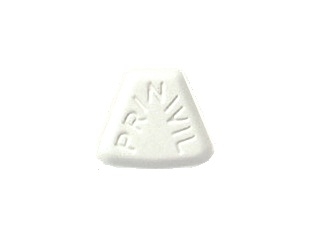


Prinivil (Lisinopril) — Patient-Friendly Medicine Information (Australia)
Prinivil is a brand of the medicine lisinopril, which belongs to a group of medicines called ACE inhibitors (angiotensin-converting enzyme inhibitors). It is widely used in Australia to treat conditions where improving heart and blood-vessel function can reduce symptoms and lower the risk of complications.
This information is designed to help you understand how Prinivil works, how it is usually taken, and what to watch for. Always follow your healthcare professional’s advice and the instructions on the product label.
Basic product information
| Item | Details |
|---|---|
| Active ingredient | Lisinopril |
| Medicine type | ACE inhibitor (blood pressure and cardiovascular medicine) |
| Common dosage forms | Tablets (strengths vary by product pack) |
| Main uses | High blood pressure, heart failure, and certain kidney-related conditions |
| How it’s taken | Usually once daily by mouth (timing may vary by condition) |
How Prinivil (lisinopril) works (mechanism of action)
Lisinopril blocks the ACE enzyme (angiotensin-converting enzyme). This reduces the body’s production of angiotensin II, a substance that normally tightens blood vessels and increases blood pressure.
By lowering angiotensin II, lisinopril:
- Helps blood vessels relax, lowering blood pressure.
- Reduces strain on the heart, improving symptoms in conditions like heart failure.
- Supports kidney blood flow in certain patients (particularly in people with diabetes-related kidney disease or protein in the urine).
- May increase bradykinin levels. This contributes to benefits but can also increase the risk of cough and, rarely, angioedema.
Typical use in Australia
Prinivil is commonly prescribed in Australia for:
- Hypertension (high blood pressure): to reduce blood pressure and lower the risk of cardiovascular events.
- Heart failure: to improve symptoms and reduce hospitalisation risk in appropriate patients.
- Post–heart attack (myocardial infarction): for certain patients to help improve outcomes after an event (often when heart function is reduced or specific risk features are present).
- Diabetic kidney disease: to help slow progression of kidney problems in appropriate patients, especially where there is albumin/protein in the urine.
Indications: when it may be used
Exact indications can vary depending on your individual situation and clinician assessment. Prinivil may be used when the goal is to:
- Lower blood pressure and reduce cardiovascular risk
- Improve heart failure outcomes
- Protect the kidneys in certain high-risk groups
If you’re unsure why you’ve been given lisinopril, speak to your healthcare professional. It can help to ask: “What is the main goal for me—blood pressure control, heart failure, or kidney protection?”
Timing and how to take Prinivil
Most people take Prinivil . The best time can depend on your routine and how you tolerate the medication.
Common timing tips
- Try to take it at the same time each day to maintain steady levels.
- If you feel light-headed after starting or increasing the dose, taking it at night may help some people—confirm this approach with your clinician.
- Do not double up if you miss a dose.
If you miss a dose
- Take it as soon as you remember on the same day.
- If it’s near the time of the next dose, skip the missed dose and take the next one as scheduled.
- For specific instructions, refer to the pack or ask a pharmacist.
Dosing: what’s usually considered
Doses must be individualised. Your clinician will consider your blood pressure, kidney function, age, fluid balance, and other medicines.
General dosing principles (not a substitute for your plan)
- Start low and adjust gradually for some patients, especially those who are older, have kidney impairment, or take diuretics.
- Check blood pressure and kidney function after starting and after dose changes.
- Typical regimens are often once daily.
What clinicians commonly monitor during dosing
- Blood pressure (to avoid being too low)
- Blood potassium (ACE inhibitors can raise potassium)
- Kidney function (creatinine/eGFR)
- Symptoms of dehydration or low blood pressure
Important: Never change the dose or stop lisinopril without medical advice, even if you feel well. Dose changes can affect blood pressure, heart workload, and kidney protection.
Mechanisms of action and pharmacokinetics (how the body handles it)
Absorption
- Lisinopril is absorbed after oral dosing.
- Absorption is generally sufficient for once-daily use, though individual response varies.
Time to peak effect
- After swallowing a tablet, lisinopril typically reaches peak blood levels within several hours.
Distribution
- Lisinopril distributes through the bloodstream to tissues where the ACE enzyme is relevant.
Metabolism and elimination
- Lisinopril is not significantly metabolised by the liver.
- It is primarily excreted unchanged through the kidneys.
- Kidney function strongly influences how long it stays in the body.
Half-life (duration)
- Its pharmacokinetic profile supports once-daily dosing in many patients.
- If kidney function changes, the effect and medication build-up may also change—monitoring is important.
Food interactions
In general, lisinopril can be taken with or without food. Food is not usually expected to cause major changes in how the medicine works.
Practical approach: choose a routine you can keep consistently—taking it with water and at a similar time each day is often easiest.
Alcohol interactions and safety
Alcohol can increase the risk of low blood pressure and dizziness, particularly when starting lisinopril or after a dose increase.
- If you drink alcohol, consider keeping it moderate.
- Avoid “catch-up” drinking, especially on days you’ve been unwell or dehydrated.
- Be cautious when standing up quickly if you feel light-headed.
Seek urgent advice if you experience fainting, severe dizziness, or signs of an allergic reaction (such as swelling of lips/face or difficulty breathing).
Medicine interactions (important)
Prinivil may interact with other medicines, especially those affecting kidney function, potassium levels, or blood pressure.
Medicines that may raise potassium
- Potassium supplements
- Potassium-sparing diuretics (for example, spironolactone or eplerenone)
- Some salt substitutes that contain potassium
Medicines affecting kidney function or fluid balance
- Diuretics (especially “water tablets”): may increase the chance of low blood pressure when starting ACE inhibitors.
- Non-steroidal anti-inflammatory drugs (NSAIDs) such as ibuprofen or naproxen (frequent or high-dose use may increase the risk of kidney problems in some people).
Other blood-pressure medicines
- Combining with other antihypertensives may increase the effect on blood pressure—this is sometimes intended, but it should be managed.
Medicines for certain conditions
- Lithium (requires careful monitoring due to toxicity risk).
- Some diabetes medicines that lower blood glucose may require monitoring if symptoms suggest blood sugar changes (most people are fine, but it’s worth discussing).
What to do
- Keep an up-to-date list of all medicines, vitamins, and supplements.
- Tell your pharmacist or prescriber about any new medicines, including over-the-counter pain relievers.
- Follow any monitoring schedule for blood tests.
Safety profile: who needs extra caution
Like all medicines, Prinivil can cause side effects. Many people tolerate it well, but certain risks require awareness.
Common side effects
- Dizziness (especially when standing)
- Dry cough
- Headache
- Fatigue
Less common but serious risks
- Angioedema (allergic swelling): rare but can be life-threatening. Symptoms may include swelling of the face, lips, tongue, throat, or trouble breathing.
- Kidney function changes: particularly in people with existing kidney impairment, dehydration, or certain medication combinations.
- High potassium (hyperkalaemia): can be dangerous, sometimes causing muscle weakness or abnormal heart rhythm.
- Very low blood pressure (hypotension): may lead to fainting.
- Worsening of kidney problems in certain circumstances (for example, during dehydration, severe vomiting/diarrhoea, or with NSAID use).
Urgent action: If you suspect angioedema (swollen face/lips/tongue or breathing difficulty), seek emergency help immediately.
Who should use with extra caution
- Older adults or people with dehydration
- People with kidney disease
- People taking diuretics or drugs that affect potassium
- People with a history of ACE inhibitor–related cough or angioedema
Practical use tips (to get the best results)
- Plan for monitoring: blood tests for kidney function and potassium are often done after starting and after dose changes.
- Rise slowly: to reduce dizziness—especially after sitting or lying down.
- Stay hydrated: particularly during hot weather or when unwell. If you’re vomiting/diarrhoeal, contact your clinician for “sick day” advice.
- Be careful with NSAIDs: occasional use may be okay for some people, but frequent use should be discussed with a pharmacist or doctor.
- Watch for cough: a dry cough is a known ACE inhibitor effect. If it becomes troublesome, speak with your healthcare professional.
- Potassium awareness: avoid high-potassium salt substitutes unless your clinician advises otherwise.
- Adherence matters: consistent daily use improves blood pressure and heart/kidney protection over time.
Alternative options (if lisinopril isn’t suitable)
If Prinivil isn’t tolerated (for example, due to persistent cough or certain side effects), your healthcare professional may consider alternatives.
Common alternatives
- ARBs (angiotensin receptor blockers): similar goals for blood pressure and kidney protection, often used when ACE inhibitors cause unacceptable side effects.
- Calcium-channel blockers for blood pressure control in some patients.
- Diuretics (depending on the condition and overall plan).
- Other heart failure medicines in specific regimens (your clinician will tailor this to your diagnosis).
Your best option depends on your diagnosis, blood pressure, kidney function, and other medicines. Don’t switch without guidance.
Market and legal context for Australia
In Australia, medicines are supplied under national medicines regulation and quality standards. Medicines like lisinopril may be subject to prescription supply arrangements and must be used according to Australian medicines legislation and the requirements of the relevant regulatory authority.
Online pharmacies in Australia typically require appropriate patient information to ensure safe ordering and suitable use, including identity verification and advice from qualified healthcare professionals where necessary.
Always check: that the product is authorised for supply in Australia and that the strength and dosage form match what your clinician intends.
Recent guidance and important updates to be aware of
While guidance can evolve over time, key themes commonly emphasised in Australian clinical practice include:
- Ongoing monitoring of kidney function and potassium when starting or increasing ACE inhibitors.
- Careful medication review for interactions (especially NSAIDs and potassium-related medicines).
- Sick day management: if you become severely unwell (e.g., vomiting/diarrhoea), you may need temporary advice about continuing or holding certain blood pressure/heart medicines—follow your clinician’s plan.
- Pregnancy avoidance: ACE inhibitors are generally avoided in pregnancy due to known risks to the developing baby. If pregnancy is possible or planned, discuss safe options promptly.
If you have questions about your personal monitoring schedule or whether you should temporarily adjust medicines during illness, ask your healthcare professional.
Delivery, packaging, and availability (Australia)
Availability of Prinivil (lisinopril) depends on the manufacturer, strength, and current supply in the Australian market. Online pharmacies may offer delivery to eligible Australian locations.
What to expect from delivery
- Packaging: medicines are typically dispatched in manufacturer or pharmacy-approved packaging with labelling.
- Cold chain: lisinopril tablets generally do not require refrigeration.
- Delivery timeframes: vary by location and shipping method.
- Tracking: many services provide order tracking updates.
How to check availability
Look for the relevant pack strength and tablet count on the product listing. If the exact pack is unavailable, a pharmacist may suggest the closest equivalent option if suitable.
How to store Prinivil
- Store at room temperature as directed on the pack.
- Keep in the original container to protect from moisture.
- Keep out of reach of children.
- Do not use after the expiry date.
FAQ: Prinivil (lisinopril)
1. What is Prinivil used for?
Prinivil (lisinopril) is used to treat conditions such as high blood pressure, heart failure, and certain kidney or post-heart-attack situations, depending on the patient.
2. How long does it take to work?
Some blood pressure effects may be noticed within hours to days, but benefits—especially for heart/kidney outcomes—may take weeks. Your clinician will monitor response and adjust the dose if needed.
3. Can I take it with food?
Yes. Lisinopril can usually be taken with or without food.
4. Will I get a cough?
A dry, persistent cough can occur with ACE inhibitors. Not everyone experiences it. If the cough is bothersome, speak with your healthcare professional about alternatives.
5. What side effects should I watch for?
Common effects include dizziness and dry cough. Seek urgent help if you develop swelling of the face/lips/tongue or difficulty breathing (possible angioedema), or if you feel faint or extremely unwell.
6. Why do I need blood tests?
Blood tests help monitor kidney function and potassium levels, which can change with ACE inhibitors—especially at the start or after dose increases.
7. Can I drink alcohol while taking Prinivil?
Moderate alcohol may be okay for some people, but alcohol can increase the risk of low blood pressure and dizziness. Use caution, particularly when starting or adjusting the dose.
8. Are there medicines I should avoid?
Some medicines can increase risk, including potassium supplements, potassium-sparing diuretics, and frequent/high-dose NSAIDs. Always check with a pharmacist before starting new medications.
9. What should I do if I become sick with vomiting or diarrhoea?
Dehydration can increase the risk of low blood pressure and kidney issues. Contact your healthcare professional for personalised “sick day” advice.
10. What if I forget a dose?
Take it when you remember unless it’s close to the next dose. Do not double doses. Refer to your pack or ask a pharmacist for guidance.
Disclaimer: This page provides general information about Prinivil (lisinopril). It does not replace advice from a qualified healthcare professional. If you have symptoms, concerns, or questions about your treatment, speak with your pharmacist or prescriber.