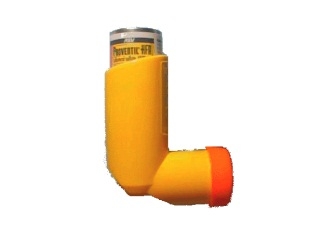
Proventil (Salbutamol) – Patient Guide (Australia)
Proventil contains salbutamol, a medicine used to relieve sudden breathing difficulties such as those experienced with asthma and other reversible airway conditions. It helps open the airways quickly, making it easier to breathe.
This guide is written to help you understand how Proventil works, how it’s typically used, what to watch for, and how it fits into asthma management. Always follow the directions on the label or given by your healthcare professional.
Key information at a glance
- Active ingredient: Salbutamol
- Common forms: Inhaler (puffer) and nebuliser solutions (depending on the product brand/form available)
- What it does: Relaxes airway muscles to improve airflow
- How fast it acts: Usually within minutes for inhaled use
- Typical use: “Reliever” medicine for asthma symptoms and wheeze; may also be used for exercise-induced symptoms or certain COPD symptoms as advised
- Main side effects: Tremor, fast heartbeat, palpitations, headache, throat irritation
- Important caution: Frequent use can indicate poor control—seek medical advice
What Proventil is
Proventil (salbutamol) is a short-acting beta2-agonist (SABA). It works directly on the muscles around the airways to quickly reduce narrowing.
In Australia, products containing salbutamol are widely available and are commonly used as relievers for asthma symptoms such as:
- Wheezing
- Shortness of breath
- Cough related to breathing difficulties
- Tightness in the chest
How it works (mechanism of action)
Salbutamol targets beta2 adrenergic receptors located in the airway smooth muscle. When stimulated, these receptors help to:
- Relax bronchial smooth muscle (airway dilation)
- Reduce airway resistance and improve airflow
- Support opening of airways during acute bronchospasm
Because it is a SABA, it is designed for rapid relief, rather than long-term control. If you need reliever medicine frequently, your overall asthma plan may need adjustment.
Pharmacokinetics (how the body processes it)
Pharmacokinetics describes absorption, distribution, metabolism, and elimination. With inhaled salbutamol, most of the effect is local in the lungs, but some amount can enter the bloodstream.
- Absorption: Inhaled salbutamol is absorbed through the lungs; swallowed portions may also be absorbed via the gastrointestinal tract.
- Distribution: After absorption, it can distribute throughout the body.
- Metabolism: Salbutamol is primarily metabolised in the body, including by the liver, forming mainly inactive metabolites.
- Excretion: Metabolites are excreted largely via the kidneys (urine).
- Onset and duration: Inhaled salbutamol typically begins working within minutes, with symptom relief generally lasting a few hours (duration can vary between people and devices).
Note: Exact timing and blood levels depend on the device used (puffer vs spacer vs nebuliser), inhalation technique, dose, and individual factors.
What it’s used for (indications)
Proventil (salbutamol) is commonly used for:
- Asthma relief of wheeze, breathlessness, chest tightness, and cough due to bronchospasm
- Exercise-induced bronchoconstriction (helping prevent symptoms triggered by exercise, as part of an individual asthma plan)
- Reversible airway conditions where beta2 agonists are appropriate
- COPD (chronic obstructive pulmonary disease) – in some situations to relieve breathlessness related to reversible bronchospasm, depending on your clinical plan
It does not replace anti-inflammatory therapy (commonly inhaled corticosteroids) when those are required for long-term control.
Timing: when Proventil is expected to work
Inhaler (puffer): Many people feel relief within 1–5 minutes after proper inhalation technique.
Nebuliser: Symptom improvement may begin within minutes, but depends on the prescribed regimen and device.
If symptoms don’t improve: Follow your action plan. In an asthma flare, you may be advised to repeat doses at specified intervals. If you’re unsure, contact a healthcare professional or seek urgent care—especially if you are struggling to speak in full sentences, have bluish lips, or are very drowsy.
Typical dosing (general guidance)
Always use the dose and frequency stated for your specific product and your personal asthma plan. Dosing below is general and may not match your exact prescription (or product labelling).
Adults and adolescents (general reliever use)
- Common inhaler dosing: Usually one or two puffs when symptoms occur, with repeat doses if needed at intervals described in your plan.
- Maximum frequency: If you need reliever frequently, it may indicate inadequate control. Do not keep increasing doses without medical review.
Children (general considerations)
- Dosing in children depends heavily on age, the device used, and the product strength.
- Use a spacer where appropriate and ensure correct inhalation technique.
- If you’re treating a child, confirm the correct dose and device with your clinician/pharmacist.
Nebuliser dosing (if applicable)
- Nebuliser regimens vary. The prescribed volume and concentration should be followed exactly.
- Nebulised salbutamol is often used for patients who have difficulty coordinating inhaler use or during more significant symptoms.
Practical tip: If you’re consistently requiring reliever medicine, ask your pharmacist or GP about an asthma review and whether your controller therapy should be optimised.
How to use Proventil correctly (practical tips)
Correct technique improves delivery to the lungs and reduces side effects from swallowing medicine.
If you use a puffer (metered-dose inhaler)
- Shake the inhaler if your device requires it (many do).
- Exhale fully away from the mouth.
- Place the mouthpiece in your mouth and seal your lips.
- Start to breathe in slowly.
- Press once to release a dose.
- Continue breathing in slowly and deeply.
- Hold your breath for about 10 seconds (or as comfortable).
- Wait before the next puff as directed.
Using a spacer: A spacer can help deliver more medicine to the lungs and reduces the amount that lands in the mouth/throat. This is especially helpful for children, older adults, and people who struggle with coordination.
After using your inhaler
- If you notice a taste or irritation, rinse your mouth with water (spit it out). This may help comfort, even though salbutamol is usually not associated with the same issues as steroid inhalers.
- Check whether your inhaler dose counter is functioning and keep track of remaining doses.
When to seek help
Get urgent medical advice if:
- Your reliever is not helping after repeated doses as advised by your action plan
- You need reliever much more often than usual
- You have severe breathlessness, chest retractions, inability to speak comfortably, or signs of low oxygen
Food interactions
Generally, food does not significantly affect inhaled salbutamol because the medicine mainly acts locally in the airways. However, small amounts of inhaled salbutamol may be swallowed.
Practical advice:
- If you take it with a nebuliser or swallow a portion from the inhaler, you may notice mild stomach upset in some people—taking doses after food may improve comfort.
- There are usually no specific dietary restrictions linked to salbutamol.
Alcohol interactions
There is no well-known direct interaction between moderate alcohol intake and inhaled salbutamol. However, alcohol can worsen breathing in some people and may contribute to dehydration or impaired coordination.
- If you drink alcohol, monitor how your breathing feels and avoid excessive intake during asthma flare-ups.
- Be cautious if alcohol triggers reflux or respiratory symptoms, which can indirectly affect asthma control.
Medicine interactions (important)
Salbutamol can interact with some medicines, particularly those affecting heart rhythm or beta receptors. Inform your pharmacist or clinician about all medicines you take, including:
- Beta-blockers (including some eye drops) – can reduce the effect of salbutamol or worsen bronchospasm in susceptible individuals.
- Other bronchodilators – combined use may increase side effects such as tremor or fast heart rate.
- Diuretics (especially “water tablets”) – may contribute to low potassium levels; salbutamol can also lower potassium in some cases, increasing risk in vulnerable patients.
- Medicines that affect heart rhythm (anti-arrhythmics) – may increase concern for palpitations in susceptible people.
- Some antidepressants and stimulants – may increase the chance of fast heartbeat or jitteriness.
What to do: If you experience severe palpitations, chest pain, fainting, or marked worsening of breathing, seek urgent medical care.
Safety profile and side effects
Like all medicines, Proventil (salbutamol) can cause side effects. Many people tolerate it well when used correctly and as a reliever.
Common side effects
- Tremor (shakiness), especially in the hands
- Fast heartbeat (tachycardia)
- Palpitations (awareness of heartbeat)
- Headache
- Throat irritation or mild cough after inhalation
- Feeling jittery or anxious
Less common but serious effects
- Chest pain or severe palpitations
- Abnormal heart rhythms
- Low potassium levels with high doses or frequent use
- Worsening breathing (rare; could indicate incorrect use or a severe flare needing urgent attention)
Seek urgent help if you have
- Severe or rapidly worsening shortness of breath
- Inability to speak due to breathlessness
- Blue lips or face
- Fainting, severe dizziness, or chest pain
Safety for special populations
- Pregnancy and breastfeeding: Salbutamol may be used if needed for asthma control. Decisions should consider benefits vs risks; discuss with a clinician.
- Children: Correct technique and spacer use are crucial. Watch for side effects such as tremor and fast heartbeat.
- Older adults: Because side effects like palpitations can occur, follow dosing carefully and report concerning symptoms.
- Cardiac conditions: People with heart rhythm issues should use salbutamol with appropriate clinical guidance.
When to review your asthma plan
One of the most important safety messages for asthma reliever medicines is that frequent use may indicate poor control. If you are needing Proventil more often than usual (for example, several times per week or more frequently), it’s worth arranging an asthma review.
Guidance is often based on a combination of symptoms and reliever use, plus lung function assessment where appropriate.
Alternative options
Your best alternative depends on your diagnosis (asthma vs COPD), severity, and control. Common alternatives include:
Reliever alternatives (quick relief)
- Other short-acting beta2 agonists (e.g., salbutamol alternatives depending on availability)
- Short-acting bronchodilator options as advised by your clinician
Controller options (long-term control)
- Inhaled corticosteroids (ICS) – reduce airway inflammation and help prevent flare-ups
- ICS/LABA combinations – for some adults and older adolescents with persistent symptoms
- Other add-on therapies depending on severity and phenotype
If you’re relying heavily on reliever therapy, controller options may be more appropriate to reduce symptoms and risk over time.
Proventil and asthma action plans
Many Australians with asthma use a written Asthma Action Plan. Proventil is usually part of the plan for managing flare-ups.
Common plan elements include:
- What to do when symptoms start
- How many doses to take and how far apart
- When to contact a doctor
- When to seek emergency care
If you don’t have an action plan, ask your pharmacist, GP, or asthma educator for help creating one.
Market and legal context in Australia
In Australia, medicines are regulated under the Therapeutic Goods Administration (TGA). Salbutamol products used in asthma and similar respiratory conditions are commonly supplied through pharmacies and may have different supply categories depending on formulation and strength.
Availability can vary by product form and concentration. Some salbutamol inhalers may be available under different arrangements at different times, while other formulations (or larger quantities) may require professional involvement. For the most accurate guidance, check the product page for the exact item you’re viewing.
Always check the label for the intended device (puffer vs nebuliser), strength, and instructions for use.
Recent guidance and best-practice notes
Australian asthma guidance emphasises:
- Using reliever medicines appropriately and recognising when increased use may signal worsening asthma control
- Regular review of symptoms, reliever use, and inhaler technique
- Adopting controller therapy when required to reduce flare frequency and severity
- Correct inhaler technique and use of spacers for better delivery (particularly in children)
Because treatment strategies can vary, it’s recommended you follow the most current advice from your clinician and local respiratory guidelines.
Delivery and availability (online pharmacy)
Proventil (salbutamol) may be available through online pharmacy services depending on stock levels and product formulation. When ordering, consider:
- Product form: Confirm whether you are purchasing an inhaler or nebuliser-related item.
- Strength and device: Check the dose per puff (for inhalers) and whether a spacer is included or recommended.
- Expiry date: Ensure the expiry date is acceptable for your needs.
- Delivery timeframe: Delivery times differ across Australian regions. View the shipping and delivery section on the checkout page.
Cold storage: Most inhalers do not require refrigeration. Store according to the label instructions (typically at room temperature and away from heat or direct sunlight).
Storage instructions
- Keep out of reach of children.
- Do not expose to high temperatures or puncture the canister.
- Check the device: If the inhaler seems damaged, blocked, or not delivering properly, do not continue to use it—replace or get it checked.
- Keep away from moisture where possible.
FAQ
1) Is Proventil a preventer?
No. Proventil (salbutamol) is a reliever. It helps quickly when symptoms occur. Many people also need a controller medicine (often an inhaled corticosteroid) to reduce inflammation and prevent symptoms over time.
2) How long does Proventil last?
Relief is often felt within minutes and typically lasts for a few hours, but duration can vary. If symptoms return quickly or you need repeat dosing more often than expected, discuss your asthma control with a clinician.
3) Can I use Proventil every day?
Some people use a reliever more frequently during flare periods, but daily reliance can indicate asthma is not well controlled. Many asthma action plans recommend seeking review if reliever use increases.
4) What should I do if my inhaler isn’t working?
First check technique and whether you’re using a spacer if advised. Also check:
- Is the inhaler empty or near empty?
- Is it blocked or damaged?
- Is your inhalation slow and deep as you press?
If you still can’t get relief, seek medical advice promptly—especially if breathing is worsening.
5) Does Proventil cause heart problems?
Proventil can cause fast heartbeat and palpitations in some people. These side effects are usually dose-related. If you experience severe symptoms such as chest pain, fainting, or irregular heartbeat, seek urgent medical care.
6) Can Proventil be used with other medicines?
Many people use Proventil alongside other asthma medicines. However, interactions can occur—especially with beta-blockers and certain heart rhythm-related medicines. Tell your pharmacist about all medicines you take.
7) Will food affect Proventil?
Food usually does not significantly change the effect of inhaled Proventil. Some swallowed portion may irritate the throat or stomach in sensitive individuals.
8) Can I drink alcohol when using Proventil?
Moderate alcohol is not typically known to have a direct interaction with inhaled salbutamol. Still, alcohol can worsen breathing for some people, so avoid excess and monitor symptoms—particularly during a flare.
9) What if I need to use more doses than usual?
If you find you need reliever doses much more frequently than normal, it can be a sign of worsening asthma. Follow your action plan and arrange a clinical review as soon as possible.
10) Are there alternatives to Proventil?
Depending on your condition, alternatives may include other relievers and controller medications. If you’re experiencing frequent symptoms, controller options (like inhaled corticosteroids) may be more appropriate. Ask your pharmacist or GP for advice.
Product summary
Proventil (salbutamol) is a rapid-acting reliever that helps open airways during asthma symptoms and reversible bronchospasm. It works by stimulating beta2 receptors in the airway muscles to reduce tightening and improve airflow. Most relief is felt quickly after inhalation, but side effects like tremor and palpitations can occur, especially with frequent or high doses.
If you use Proventil often, consider discussing a full asthma review and inhaler technique check. Proper ongoing management can reduce flare-ups and improve your day-to-day breathing.