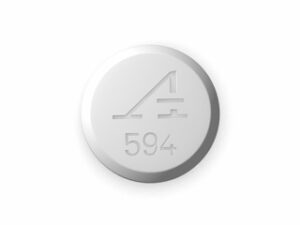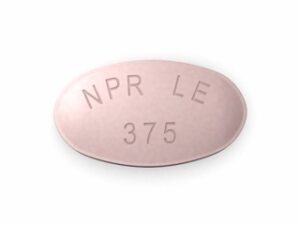


Pyridium (Phenazopyridine) – Patient-Friendly Guide (Australia)
Pyridium is a medicine that helps relieve the burning, pain, and urgency often associated with urinary tract irritation. It is designed for short-term symptom relief while the underlying cause—commonly a bacterial urinary tract infection (UTI)—is treated by appropriate care.
This page explains what Pyridium (phenazopyridine) does, how it works, how it’s taken, common safety considerations, and practical tips for comfortable relief.
Quick facts
- Active ingredient: Phenazopyridine
- What it helps: Temporary relief of urinary tract discomfort (burning/pain/urgency)
- How long it’s usually used: Short course (often up to a few days)
- Common side effects: Orange/red urine (expected), nausea, stomach upset, headache
- Important cautions: Do not use longer than advised; avoid in significant kidney problems
Basic product information
| Section | Information |
|---|---|
| Medicine name | Pyridium (Phenazopyridine) |
| Class | Urinary tract analgesic/antispasmodic for symptom relief |
| Typical form | Tablets |
| Common use | Helps relieve urinary burning, pain, and urgency |
| Works best for | Short-term symptom relief while other treatment is arranged |
| Expected urine change | Orange/red urine can occur and is normal with phenazopyridine |
Mechanism of action (how it works)
Phenazopyridine is a local urinary tract pain reliever. It helps soothe irritation by exerting a direct effect on the lining of the urinary tract. This can reduce the sensations of:
- Burning or stinging when urinating
- Lower abdominal discomfort related to bladder irritation
- Urinary urgency and discomfort
It is important to note that Pyridium is a symptom-relief medicine and does not treat the cause of infection (if present). If you have a suspected UTI, proper assessment and any needed antimicrobial treatment are still important.
Pharmacokinetics (what the body does with it)
Phenazopyridine is absorbed after oral dosing and is processed by the body, with metabolites contributing to its overall effect. The drug and its metabolites are eliminated mainly by the kidneys.
- Onset: Many people experience relief within about hours of taking a dose.
- Metabolism & elimination: Processed in the body and cleared through the urinary system.
- Urine colour: The orange/red staining can appear and is an expected sign of the medicine’s presence in urine.
Because elimination depends largely on kidney function, phenazopyridine requires extra caution in people with reduced kidney function.
Indications (what Pyridium is used for)
Pyridium is indicated for the temporary relief of symptoms caused by urinary tract irritation, including:
- Burning or pain during urination
- Urinary urgency and discomfort
- Relief of pain associated with bladder irritation
It may be used as a supportive treatment when symptoms are uncomfortable and while further evaluation and appropriate care for the underlying condition are arranged.
Typical use and timing
Pyridium is usually taken in a short course to improve comfort. Many people use it for a limited number of days to help bridge the period until symptoms settle or other treatments take effect.
When to take it
- Follow the label or pharmacist instructions for timing and duration.
- Some regimens use dosing after meals to reduce stomach upset.
- Relief can be noticed within a few hours, but continue only for the advised duration.
How quickly does it work?
Symptom relief is typically felt relatively quickly, often within 2–4 hours after a dose, though responses can vary.
Dosing (adult and special considerations)
Dosing can vary by product strength and local labelling. Always use the dosing instructions on your package or as advised by a healthcare professional.
General adult dosing guidance (typical use)
In many markets, adult phenazopyridine is commonly dosed after meals in divided doses across the day for short-term symptom relief. For exact dosing, check the product label supplied in your area.
Do not exceed recommended duration
One of the most important safety points is duration. Phenazopyridine should not be used longer than advised on the label. Prolonged use increases the risk of rare but serious adverse effects.
Missed dose
If you miss a dose, take it when you remember if it is close to the next scheduled time. If it is near the next dose, skip the missed dose. Do not double up.
Kidney and liver considerations
Because phenazopyridine is cleared via the kidneys, people with kidney impairment may be at higher risk of medicine accumulation. Avoid or seek professional advice before using Pyridium if you have:
- Known kidney disease or reduced kidney function
- Previously diagnosed kidney problems
- Dehydration or severe illness
Food interactions (and taking with meals)
Pyridium can sometimes cause nausea or stomach irritation. Taking doses after food or with a meal may help reduce these effects.
- Take with food if you feel nauseous.
- Avoid taking on an empty stomach if it upsets you.
- There are no major commonly reported food interactions, but stomach tolerance varies between individuals.
Alcohol and medicine interactions
During symptomatic urinary tract discomfort, it’s best to be cautious with anything that may worsen dehydration or irritate the bladder. While there aren’t always specific “hard” interactions listed for phenazopyridine with alcohol, alcohol may:
- Increase bladder irritation for some people
- Contribute to dehydration
- Increase nausea or stomach upset
Practical recommendation: Limit or avoid alcohol while taking Pyridium and drink water to stay hydrated, unless your clinician has advised otherwise.
Other medicines
Tell your pharmacist or healthcare professional about all medicines you are taking, including:
- Prescription medicines
- Over-the-counter products
- Herbal preparations
- Supplements
Particular caution may be needed when medicines affect the kidneys, urine tests, or cause similar side effects. If you are unsure, ask a pharmacist before starting.
Safety profile (who should be careful)
Most people tolerate Pyridium well when used for the recommended short time. However, it is important to recognise both common and serious potential side effects.
Common side effects
- Orange/red urine (expected; harmless staining)
- Nausea, stomach discomfort
- Headache
- Dizziness (occasionally)
Less common but important reactions
Stop use and seek medical advice promptly if you develop:
- Rash, itching, swelling of the face/lips, or breathing difficulty
- Severe stomach pain or persistent vomiting
- Yellowing of the skin/eyes (jaundice)
- Unusual weakness, severe fatigue, or symptoms of blood problems
Rare serious risks with prolonged use
Phenazopyridine is associated with increased risk when used too long or in people with reduced kidney function. Rare serious events may include blood-related and kidney-related complications. This is why short-term use and careful dosing are essential.
Warning about urine tests
Pyridium can cause orange/red urine, which may affect interpretation of some urine tests. If you are having urine tests, inform the clinician or laboratory that you are taking phenazopyridine.
Who should avoid or seek advice before using
- People with significant kidney impairment
- People with known hypersensitivity to phenazopyridine
- People who are pregnant or breastfeeding—seek advice from a healthcare professional before using
- Children—check suitability based on local product labelling and professional advice
Practical use tips for urinary comfort
Pyridium helps with the feeling of urinary burning and urgency, but comfort also depends on supportive care. Consider the tips below.
During a suspected UTI
- Drink water regularly (unless you have a fluid restriction from your doctor).
- Avoid bladder irritants such as caffeine and fizzy drinks if you notice they worsen symptoms.
- Use heat (e.g., warm compress on lower abdomen) for additional comfort.
- Don’t ignore red flags (see below).
Hydration and pain relief
- Staying hydrated can help reduce concentration of urine and may reduce stinging.
- Paracetamol or other pain relief may be considered for general pain/fever—confirm suitability with your pharmacist.
Important: Pyridium is not an antibiotic
If your symptoms are due to a bacterial infection, you may still require targeted treatment. Pyridium only addresses discomfort. If symptoms persist beyond a short period, worsen, or you develop fever, you should seek timely care.
When to seek medical advice urgently
Please seek prompt medical attention if you have any of the following:
- Fever or chills
- Back or flank pain (possible kidney involvement)
- Nausea or vomiting with urinary symptoms
- Blood in the urine that is not typical for you
- Symptoms in pregnancy, in men, or in children
- Symptoms that do not improve or return quickly
- Severe allergic symptoms such as swelling or difficulty breathing
Alternative options (supportive and symptomatic)
Depending on the cause of urinary symptoms, alternatives may include:
- Antimicrobial treatment if a bacterial UTI is confirmed or strongly suspected (as advised by a clinician).
- Analgesics for general pain relief (e.g., paracetamol) if appropriate for you.
- Hydration and bladder-friendly measures such as reducing caffeine, alcohol, and irritant drinks.
- Urinary alkalinising agents in selected situations—availability and suitability vary.
If your main problem is burning/urgency relief while awaiting assessment, Pyridium is specifically designed for that purpose. For recurrence or persistent symptoms, discussing underlying causes (such as frequent UTIs, bladder irritation, or other conditions) is important.
Market and legal context for Australia (general information)
In Australia, medicines are regulated under the Therapeutic Goods Administration (TGA) system, which governs quality, safety, and availability. The classification and dispensing status of products (e.g., prescription-only, pharmacist-only, or general sale) depends on the specific product, formulation, and local regulatory decisions.
For online purchases, Australian suppliers and pharmacies must comply with relevant advertising, consumer safety, and medicine supply regulations. Availability can vary by brand, strength, and current stock levels.
Recent guidance (what to watch for)
While guidance can evolve, common themes in Australian urinary symptom management include:
- Using urinary symptom relief medicines short-term while arranging appropriate assessment for suspected infection.
- Encouraging timely review if symptoms persist, fever develops, or there are signs of complicated infection.
- Attention to antimicrobial stewardship—unnecessary antibiotics are avoided.
Product-specific instructions should always follow the package label and any updates communicated by the TGA or the manufacturer.
Delivery and availability (online pharmacy)
Availability of Pyridium (phenazopyridine) may vary based on stock levels and regulatory/dispensing requirements. When ordering online in Australia:
- Dispatch times depend on whether stock is held locally.
- Delivery speed varies by suburb/postcode and courier service.
- Packaging will generally be discreet.
- You will usually receive tracking information once the order is dispatched (if offered by the pharmacy).
If you need it urgently for comfort, choose the delivery option that best suits your timeframe and consider contacting the pharmacy to confirm stock.
How to use Pyridium safely (step-by-step checklist)
- Read the label and follow the dose and frequency provided.
- Take with food if you get nausea or stomach upset.
- Plan for short-term use only—don’t continue beyond the advised duration.
- Expect orange/red urine; this is typically harmless staining.
- Tell your clinician/lab if you’re having urine testing.
- Stop and seek advice if you develop rash, swelling, breathing trouble, severe pain, or jaundice.
- Seek urgent help if you have fever, back/flank pain, or worsening symptoms.
FAQ
1) Is Pyridium an antibiotic?
No. Pyridium (phenazopyridine) is used for temporary pain relief from urinary tract irritation. It does not treat bacterial infections.
2) How long can I take Pyridium?
Use Pyridium only for the short duration recommended on the product label or by a pharmacist/clinician. Do not extend use beyond advised timeframes, especially if symptoms are not improving.
3) Why is my urine orange or red?
Orange/red urine is a common and expected effect of phenazopyridine. Inform your clinician if you are having urine tests, as it may affect results.
4) Can I drink alcohol while taking Pyridium?
It’s best to limit or avoid alcohol while you have urinary symptoms. Alcohol can worsen irritation for some people and may increase nausea or dehydration risk.
5) Should I take Pyridium with food?
Taking Pyridium after meals can reduce the likelihood of stomach upset for many people. If the label allows, choose a time that fits comfortably with your meals.
6) Will Pyridium mask symptoms of a more serious infection?
It may reduce burning and discomfort, but it does not treat the underlying cause. If you develop fever, back pain, vomiting, or symptoms that persist or worsen, seek medical advice promptly.
7) Can children take Pyridium?
Suitability for children depends on age and specific product labelling. Check with a pharmacist before use.
8) What if my symptoms don’t improve?
If you don’t feel better within the short time expected, or symptoms return quickly, it’s important to seek assessment. Persistent symptoms may indicate causes other than simple urinary irritation.
9) Are there any tests I should avoid while taking it?
Urine testing may be affected by phenazopyridine-related urine colour. Tell the clinician or laboratory that you are taking Pyridium before testing.
10) Who should be extra careful using phenazopyridine?
People with reduced kidney function, those with a history of medicine intolerance, and those who are pregnant or breastfeeding should seek professional advice before using Pyridium.
Summary
Pyridium (phenazopyridine) provides temporary relief of urinary burning, pain, and urgency associated with urinary tract irritation. It works by soothing the urinary tract lining rather than treating infection. The most important safety points are to use it short-term, follow the label dosing instructions, and watch for warning signs such as fever, back pain, rash, or jaundice.
If you’re unsure whether your symptoms require further assessment, or if you have complicated symptoms, seek timely medical advice.