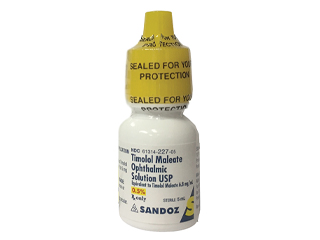
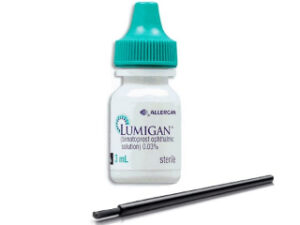
Timoptic (Timolol Maleate) Eye Drops – Patient Guide (Australia)
Timoptic is an eye-drop medicine that contains timolol maleate. It is used to lower pressure inside the eye (intraocular pressure) and can help protect vision. This guide explains what Timoptic is, how it works, how to use it properly, and what to consider for safety and interactions.
This information is designed to be patient-friendly and educational. Always follow the directions on your product label or as advised by your eye care professional.
Quick product information
| Item | Details |
|---|---|
| Active ingredient | Timolol maleate (a beta-blocker) |
| Dosage form | Eye drops (commonly available as ophthalmic solution) |
| Main purpose | Lowering intraocular pressure |
| Typical conditions | Glaucoma and ocular hypertension |
| Where it acts | Eye (reduces aqueous humour production) |
How Timoptic works (mechanism of action)
Timoptic contains timolol, a non-selective beta-adrenergic receptor blocker. In the eye, timolol works mainly by:
- Reducing the production of aqueous humour (the fluid that fills the front of the eye), which lowers intraocular pressure.
- In some people, it may also affect aqueous drainage, but the best-known effect is reduced fluid production.
Lower intraocular pressure helps reduce the risk of optic nerve damage associated with glaucoma and similar conditions. Timoptic does not usually “cure” glaucoma, but it can help control it—often long term.
Typical uses
Timoptic is commonly used to manage eye conditions where lowering intraocular pressure is beneficial, including:
- Open-angle glaucoma
- Ocular hypertension (raised eye pressure without definite glaucoma damage)
- Sometimes as part of combination therapy with other glaucoma medicines when additional pressure reduction is needed
When it starts to work and timing
Many patients notice pressure-lowering within the first hours after use, but the full benefit can build over several weeks. Eye pressure tends to vary throughout the day, so timing matters.
Common timing approach
- A common regimen is one drop in the affected eye(s) once or twice daily, depending on the specific product strength and your prescriber’s plan.
- Try to use it at similar times each day to maintain steady effect.
- If you are on more than one eye medicine, your clinician may specify an exact order.
Missed dose
If you miss a dose:
- Take it as soon as you remember unless it is close to the next dose.
- If it’s nearly time for the next dose, skip the missed dose.
- Do not use double doses to make up for a missed one.
Pharmacokinetics (what the body does with the medicine)
After eye-drop use, timolol can be absorbed through the eye and surrounding tissues. Some medicine may enter the bloodstream. In broad terms:
- Absorption: Timolol may be absorbed through conjunctival and nasal tissues after instillation.
- Distribution: The absorbed portion may distribute systemically.
- Metabolism: It is metabolised primarily in the liver.
- Elimination: Metabolites are excreted by the kidneys.
Because some systemic absorption can occur, side effects related to beta-blockade (for example, effects on heart rate or breathing in susceptible people) are possible, even though the medicine is applied to the eye.
Food interactions
Timoptic eye drops are applied to the eye and are not taken by mouth, so typical “food interactions” are not expected. However, overall health factors can influence tolerability.
- There is no known direct food interaction that requires special dietary changes when using timolol eye drops.
- If you are taking other medicines, the most relevant interactions are usually those involving other drugs rather than foods.
Alcohol and medicine interactions
There isn’t a specific alcohol interaction unique to timolol eye drops. Still, alcohol may worsen some symptoms such as dizziness or low blood pressure in certain people.
Be extra cautious if you take these types of medicines
Timolol can add to the effects of other medicines that slow the heart, lower blood pressure, or affect breathing. Discuss with your pharmacist or doctor if you use:
- Other beta-blockers (eye drops or tablets), because combined beta-blockade can increase risk of slow heart rate (bradycardia) or low blood pressure.
- Medicines that lower heart rate or blood pressure (for example, certain antihypertensives).
- Medicines that affect heart rhythm (antiarrhythmics).
- Medicines used for asthma or chronic lung disease, especially if you have breathing conditions. Timolol may cause or worsen bronchospasm in susceptible individuals.
- Medicines for diabetes (beta-blockers can sometimes mask early signs of low blood sugar).
- Medicines that can affect metabolism (some drugs can change how timolol is broken down), although significant interactions are less common than with oral beta-blockers.
If you use multiple eye drops
Interaction between eye drops is less about “drug chemistry” and more about timing and preservatives. If you’re using more than one eye product, spacing them correctly reduces dilution and improves effectiveness.
Indications (who Timoptic is for)
Timoptic is indicated for conditions where lowering intraocular pressure is medically beneficial, such as:
- Glaucoma (including open-angle glaucoma)
- Ocular hypertension
- Sometimes adjunct therapy where additional pressure reduction is required beyond one agent
Your eye care professional will confirm whether Timoptic is appropriate based on your eye pressure readings, optic nerve assessment, and your medical history.
Dosing and administration
The exact dose and frequency depends on the product strength and your individual plan. Follow your label instructions and any advice from your eye care professional.
Typical dose (general guidance)
- The most common regimens involve 1 drop into the affected eye(s) once or twice daily.
- If more than one eye is affected, treat both as directed.
How to apply Timoptic eye drops (practical step-by-step)
- Wash your hands.
- Check the bottle/pack for expiry date and integrity.
- Tilt your head back and gently pull down the lower eyelid to create a small “pocket”.
- Hold the bottle above the eye without touching the tip to your eye or lashes.
- Instil one drop into the lower eyelid pocket.
-
Close your eye gently.
- For better absorption and reduced systemic uptake, consider punctal occlusion: press a finger gently on the inner corner of the eye (near the nose) for about 1–2 minutes.
- If you are using another eye medicine, wait before applying the next one.
- Put the cap back on and wash your hands again.
Spacing with other eye drops
A general rule is to wait at least 5–10 minutes between different eye drops to reduce wash-out. Your clinician’s plan may specify a different interval.
Contact lenses
If you wear contact lenses, follow the guidance specific to your product and your eye care professional. Many glaucoma eye drops can be affected by lens materials or preservatives. In many cases, lenses are removed before instillation and replaced later.
Safety profile and when to seek help
Like all medicines, Timoptic can cause side effects. Many are mild and related to eye comfort, while a smaller number relate to systemic beta-blocker effects. Your risk is higher if you have medical conditions such as asthma, slow heart rate, or certain heart conduction disorders.
Common possible side effects (eye-related)
- Stinging or burning sensation after instillation
- Redness of the eye
- Dryness, irritation, or foreign-body sensation
- Watery eyes or blurred vision that settles after instillation
- Headache or mild discomfort
Less common but important possible systemic side effects
- Slow heart rate or dizziness
- Low blood pressure
- Shortness of breath, wheezing, or bronchospasm (especially in people with asthma or COPD)
- Fatigue or reduced exercise tolerance
- Sleep disturbances or changes in mood (reported by some patients)
Seek urgent medical advice if you develop
- Chest tightness, wheezing, or significant breathing difficulty
- Fainting, severe dizziness, or symptoms of very slow pulse
- Sudden severe eye pain, marked vision changes, or severe swelling
Who should be extra cautious
Discuss your full medical history before using Timoptic, especially if you have:
- Asthma, history of wheezing, or chronic obstructive pulmonary disease (COPD)
- Slow heart rate, heart block, or certain rhythm disorders
- Heart failure or low blood pressure
- Diabetes or episodes of low blood sugar
- Any condition where beta-blockers may be unsuitable
Practical use tips for best results
- Use it consistently: glaucoma control depends on long-term adherence.
- Don’t stop suddenly: if you feel unwell or have side effects, speak to your clinician rather than stopping without advice.
- Use proper technique: correct instillation reduces wastage and improves effectiveness.
- Reduce systemic absorption: gentle pressure at the inner corner for 1–2 minutes can help.
- Check expiry dates and store as directed on the carton/bottle.
- Record your routine: if you find it hard to remember eye drops, set reminders.
Alternative options
Depending on your condition and response, your eye care professional may consider other medications to lower intraocular pressure. Alternatives include:
Other common medicine classes
- Prostaglandin analogues (often once daily in the evening)
- Combination therapies (two active medicines in one drop)
- Carbonic anhydrase inhibitors (topical drops or oral options in some cases)
- Alpha-agonists
- Other beta-blockers (different agents within the class)
If Timoptic is not effective or not tolerated, alternatives may be better suited. Your clinician will choose based on your eye pressure targets, side effect profile, and other medical conditions.
Market and legal context in Australia
In Australia, eye medicines are supplied under national medicines regulation and must comply with Australian safety, quality, and labelling requirements. Availability can vary by brand, strength, and whether a product is listed for supply under pharmacy frameworks.
Timoptic is an established medicine and has been used for years in glaucoma and ocular hypertension management. Your pharmacist can assist with product identification (for example, confirming the correct strength) and guidance on use.
Recent guidance and clinical considerations (high-level)
Clinical guidance for glaucoma management typically focuses on:
- Achieving and maintaining an appropriate intraocular pressure target based on risk
- Monitoring optic nerve and visual field changes over time
- Balancing efficacy with tolerability
- Using combination therapy when single agents are insufficient
Beta-blocker eye drops like timolol remain an important option, especially when other medicines are unsuitable or in combination regimens. Because of possible systemic effects, clinicians often review asthma/COPD and cardiovascular history when choosing timolol-containing products.
Delivery, availability, and storage
Availability depends on the specific brand and formulation sold through the pharmacy. Delivery timelines vary by location and local courier services. When ordering online:
- Confirm the product name and strength match what you were instructed to use.
- Check that the packaging is intact and within its expiry date.
- Store the bottle according to the carton instructions (typically at room temperature, away from moisture and direct heat).
- If the medicine is supplied with preservatives, avoid contamination by touching the dropper tip to the eye or nearby surfaces.
If you have questions about delivery or stock, contact customer support using the details provided on the online pharmacy site.
FAQ
1) Is Timoptic the same as timolol?
Timoptic is a brand name. It contains timolol maleate, which is the active medicine. Other brands may contain the same active ingredient.
2) How many times a day should I use it?
Many patients use timolol eye drops once or twice daily. The correct frequency depends on your prescription plan, product strength, and your eye care professional’s instructions. Use the directions on your label.
3) What should I do if my eye stings after using the drops?
Mild stinging can occur. Try ensuring correct technique and avoiding contamination of the tip. If burning is persistent, severe, or accompanied by swelling or worsening redness, seek advice promptly.
4) Can I drive after using Timoptic?
Some people experience brief blurred vision after applying eye drops. If your vision is temporarily affected, avoid driving until it clears.
5) Can Timoptic affect my heart or breathing?
Because some timolol can be absorbed into the body, side effects related to beta-blockade (such as slow pulse or shortness of breath) are possible, especially in people with asthma/COPD or heart rhythm problems. Inform your clinician/pharmacist if you have these conditions.
6) Do I need to avoid alcohol?
There is no specific alcohol restriction for timolol eye drops, but alcohol may worsen dizziness or blood-pressure related symptoms in some people. If you notice dizziness or faintness, avoid alcohol and seek medical advice.
7) Are there interactions with other eye drops?
Interactions are usually managed by correct timing. Wait several minutes between different eye drops unless your clinician advised otherwise.
8) What if I use multiple medicines for eye conditions?
Keep a written schedule if needed. Consider asking your pharmacist for a routine that spaces drops appropriately and identifies which medicine goes first.
9) Can I wear contact lenses?
Many eye drops are not ideal to use while wearing contact lenses. Ask your pharmacist or check the product label for guidance on whether you should remove lenses before instilling Timoptic and when you can reinsert them.
10) What are the signs that Timoptic may not be right for me?
Seek medical advice if you have breathing problems, significant dizziness, fainting, worsening eye pain, severe redness, or notable vision changes.
Summary
Timoptic (timolol maleate) is an eye-drop medicine used to lower intraocular pressure in glaucoma and ocular hypertension. By blocking beta receptors, it reduces aqueous humour production and helps protect the optic nerve. While many people tolerate it well, systemic beta-blocker effects can occur, so it’s important to use it correctly and discuss relevant health conditions and medicines.