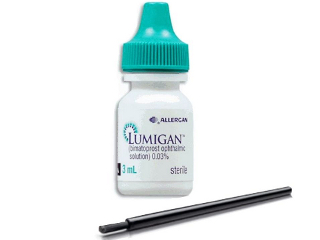
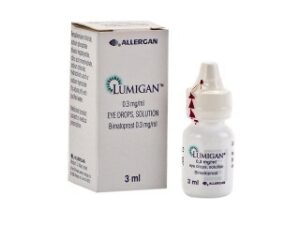
Lumigan + Applicators (Bimatoprost) — Patient Information (Australia)
Lumigan + Applicators is an eye medicine containing bimatoprost. It is used to reduce pressure inside the eye (intraocular pressure, or IOP) and is prescribed for certain eye conditions such as glaucoma and ocular hypertension. This guide explains how the medicine works, how it is usually used, key safety information, interactions, and practical tips to help you use it correctly.
Always follow the instructions given by your eye doctor and the directions on the product pack.
Quick facts
- Active ingredient: Bimatoprost
- Brand/package: Lumigan + Applicators
- Purpose: Helps lower intraocular pressure (IOP)
- Route: Ophthalmic (into the eye)
- Common dosing frequency: Once daily in the affected eye(s)
- Best time to use: Often at night
What is Lumigan + Applicators?
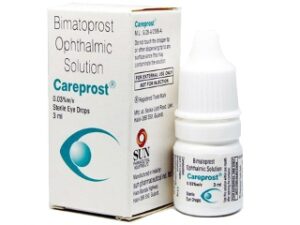
Lumigan + Applicators is an eye drop/solution product supplied with applicators designed to make dosing easier and more accurate. Bimatoprost is a prostaglandin analogue medicine used to lower pressure in the eye.
In Australia, ophthalmic medicines like this are regulated through the Therapeutic Goods Administration (TGA). Availability may vary by strength and supply. Your pharmacist can advise on the exact product details available at the time of ordering.
How it works (mechanism of action)
Bimatoprost works by increasing outflow of fluid (aqueous humour) from inside the eye. Reducing the fluid level helps lower intraocular pressure. Lower IOP helps protect the optic nerve and may slow progression in conditions such as:
- Glaucoma
- Ocular hypertension
It is not simply an “eye lubricant.” It actively targets eye pressure regulation.
Pharmacokinetics (how the body handles bimatoprost)
Bimatoprost is applied topically to the eye. While details vary by study and measurement method, the general pattern is:
- On-eye absorption: Absorbed through ocular tissues.
- Distribution: Limited systemic distribution occurs through normal ocular absorption.
- Metabolism: Bimatoprost is metabolised by the body.
- Excretion: Metabolites are eliminated primarily through the kidneys and to a lesser extent by other pathways.
For patients, the key takeaway is that systemic absorption is generally low when used correctly as an eye medicine. Nevertheless, side effects can occur locally in the eye and around the eye.
What is it used for? (indications)
Lumigan + Applicators (bimatoprost) is used to:
- Reduce elevated intraocular pressure in adults with open-angle glaucoma
- Reduce intraocular pressure in ocular hypertension
Your eye doctor will choose the most suitable medicine based on your eye pressure, optic nerve status, and overall treatment plan.
Typical dosing and timing
The usual adult regimen is once daily in the evening or at night. Many patients are advised to use it at about the same time each day.
Typical dosing (adults)
- Frequency: Once daily
- Time of day: Evening/night (e.g., before bedtime)
- Target eye(s): One or both eyes, as instructed
How to use it (step-by-step practical guide)
- Wash your hands before touching the eye or applicator.
- Check the applicator/pack for integrity and expiry date.
- Get comfortable (mirror helps).
- Look slightly downward and gently pull down the lower eyelid.
- Apply the prescribed drop/amount into the lower eyelid pocket without touching the eye with the applicator tip.
- Close the eye gently and press lightly on the inner corner of the eyelid (near the nose) for about 1 minute.
- Wipe away excess from the skin with a clean tissue.
- Repeat for the other eye only if instructed.
Do not use more than prescribed. If you miss a dose, follow the guidance in the “Missed dose” FAQ below.
Should you use it more often?
Generally, using bimatoprost more frequently than recommended does not improve results and may increase side effects. Stick to the once-daily plan provided by your clinician.
Do I need to avoid food?
Because Lumigan + Applicators is an eye medicine applied locally, food interactions are not expected in the way they are with tablets. There is no known direct dietary restriction.
However, you should still maintain your usual healthy diet and follow any specific advice given for other conditions (e.g., diabetes or cardiovascular disease).
Alcohol and medicine interactions
For bimatoprost eye drops, no specific alcohol interaction is typically expected at normal levels, because systemic exposure is generally low.
Still, alcohol may worsen dry eye discomfort or affect your ability to apply drops carefully. If you experience stinging or blurred vision, avoid alcohol if it makes eye irritation worse.
Interactions with other medicines (including eye medicines)
Tell your pharmacist or doctor about all medicines you use, including other eye drops/ointments and herbal supplements.
- Other eye drops: If using more than one eye medicine, space them out by at least 5–10 minutes unless your doctor tells you otherwise.
- Contact lenses: See the “Contact lens tips” section below.
- Blood pressure or heart medicines: These usually do not interact directly with bimatoprost eye drops, but your clinician should know about your full medicine list.
If you have had allergic reactions to eye drops in the past, discuss this before starting bimatoprost.
Safety profile and common side effects
Like all medicines, Lumigan + Applicators can cause side effects. Many are mild and improve with continued use, but some require medical advice.
Common side effects
- Redness of the eye
- Itching or mild irritation
- Dryness or a gritty feeling
- Stinging/burning on instillation
- Increased tear production
- Changes in eyelash growth (longer/thicker lashes)
- Eyelash darkening
- Possible darkening of the eyelid skin
- Periorbital (around-eye) skin darkening in some people
Less common but important side effects
- Eye pain or significant discomfort
- Marked redness or swelling
- Blurred vision that does not settle
- Light sensitivity (photophobia)
- New or worsening symptoms affecting vision
- Allergic reaction symptoms such as rash or swelling
When to seek urgent help
Seek urgent medical advice (or contact your eye care professional promptly) if you experience:
- Severe eye pain
- Sudden or worsening vision changes
- Significant swelling around the eye
- Symptoms of infection (e.g., discharge, fever, rapidly worsening redness)
- Severe allergic symptoms
Practical use tips for best results
Correct technique can improve effectiveness and reduce side effects.
- Use at the same time each day to maintain consistent eye pressure control.
- Don’t touch the eye with the applicator tip to reduce contamination.
- After applying, press the inner corner (punctum) gently for about 1 minute to limit drainage into the nose/throat.
- Expect gradual change: Reducing eye pressure can happen quickly, but you may notice changes over days. Follow-up checks measure IOP.
- Be aware of cosmetic changes: eyelash and skin darkening can occur and may be long-lasting.
- Remove contact lenses before using if you wear them (see below).
- Keep a routine: if you forget doses often, set a reminder for evening.
Contact lens tips
If you wear contact lenses, follow these general principles:
- Remove lenses before use unless your eye doctor specifically says otherwise.
- Wait until the eye is comfortable and any residual solution has settled before reinserting lenses.
- If you experience burning or dryness, avoid wearing lenses until symptoms settle.
Your product packaging may include more specific instructions—check them carefully.
Dosing details and special considerations
The exact dose you should use depends on your diagnosis and your clinician’s plan. Typical use is once daily at night.
General dosing guidance
- Do not double up if you miss a dose.
- One dose per day is the usual recommendation.
- Only use in the affected eye(s> as directed.
Missed dose (what to do)
If you miss a dose and remember later:
- If it is close to the next dose, skip the missed dose.
- If you remember well before the next dose, you can apply it then.
If you are unsure, ask your pharmacist or eye doctor for advice based on your schedule.
Stopping the medicine
Do not stop bimatoprost without medical advice. Eye pressure can rise again, potentially affecting your long-term eye health.
Alternative options (if Lumigan + Applicators isn’t suitable)
Your doctor may consider alternative treatments depending on your response and side effects. Alternatives commonly include:
Other prostaglandin analogue eye drops
- Latanoprost
- Travoprost
- Unoprostone (in some settings)
Non-prostaglandin options
- Beta-blocker eye drops (e.g., timolol-containing products)
- Alpha agonist eye drops
- Carbonic anhydrase inhibitor eye drops
- Combination products (when appropriate)
The best alternative depends on your medical history, other medicines, and how well your eye pressure is controlled.
Recent guidance and monitoring in glaucoma/ocular hypertension
Eye pressure control usually involves regular follow-ups. Clinicians typically monitor:
- Intraocular pressure (IOP)
- Optic nerve health
- Visual field testing (where appropriate)
- Adherence and technique (often a major factor in effectiveness)
If your IOP is not at goal, your clinician may adjust treatment timing, add another medicine, or consider a different option. Always report side effects early so the plan can be tailored.
Delivery and availability in Australia
Online pharmacies in Australia may supply Lumigan + Applicators depending on stock, strength, and prescribing requirements. Availability can change, so it’s best to check:
- In-stock status and expected dispatch times
- Pack size (how many applicators/doses)
- Therapeutic Goods Administration (TGA) listing for the product
Delivery times vary by location and courier service. Ensure you store the product as directed on the label and keep it away from heat and direct sunlight.
Storage and handling
- Store according to label instructions (commonly at controlled room temperature).
- Keep out of reach of children.
- Check expiry date before use.
- Do not use if the product appears damaged, contaminated, or expired.
Market and legal context (Australia)
In Australia, medicines are supplied in line with regulatory and professional standards designed to ensure safe use. Eye medicines like bimatoprost are available through pharmacies and healthcare providers who can confirm suitability and provide guidance on safe use, including:
- Appropriate product selection for the patient’s condition
- Correct dosing instructions and technique support
- Review of your current medication list and eye history
- Advice about side effects and when to seek help
Your pharmacist may ask questions to make sure you have the right product and understand how to use it.
Frequently asked questions (FAQ)
1) How quickly will Lumigan + Applicators work?
Many people start seeing pressure-lowering effects promptly, but the full benefit is judged through follow-up measurements of intraocular pressure. Continue using it consistently unless your eye doctor tells you otherwise.
2) Will it change my eyelashes?
Eyelash changes (such as increased length/thickness and darkening) are among the more common cosmetic effects. These changes may continue while you use the medicine and may be long-lasting after stopping for some people.
3) I missed a dose—what should I do?
If you remember later the same day and it is not close to the next dose, you may apply it then. If it is close to the next scheduled dose, skip the missed dose. Do not apply two doses to make up for the missed one.
4) Can I use Lumigan + Applicators if I wear contact lenses?
In most cases, contact lenses should be removed before using the eye medicine and reinserted only after sufficient time has passed and the eye feels comfortable. Check product instructions and ask your pharmacist for specific advice.
5) What if I accidentally get the solution in my mouth or drink alcohol?
Accidental mouth exposure is generally unlikely to be harmful in small amounts, but avoid swallowing the solution. Alcohol is not known to have a direct interaction with bimatoprost; however, alcohol can worsen dryness or irritation and make drop administration more difficult.
6) Are there any food restrictions?
There are typically no food restrictions because bimatoprost is an eye-applied medicine.
7) Can I use it with other eye drops?
Yes, but keep a gap between different eye medicines—commonly 5–10 minutes—so drops don’t wash each other out. Ask your pharmacist if you’re unsure of your dosing schedule.
8) What should I do if the eye burns or stings?
Mild stinging can happen, especially during the first days of treatment. If symptoms are mild and settle quickly, continue as directed. If burning is severe, persistent, or accompanied by increasing pain, swelling, discharge, or vision changes, seek prompt advice from your eye care professional.
9) Can bimatoprost cause colour changes in the iris?
Some patients experience gradual iris pigmentation changes (a change in eye colour), which is usually slow and may be permanent. Discuss your risk with your eye doctor, especially if you have mixed-colour irises.
10) Is Lumigan + Applicators suitable for children?
Use in children depends on the specific product indication and clinical judgement. Ask your paediatric eye specialist for guidance if this medicine is being considered for a child.
Summary
Lumigan + Applicators (bimatoprost) is an eye medicine used to lower intraocular pressure in glaucoma and ocular hypertension. It works by improving the eye’s fluid drainage and is typically used once daily at night. Most side effects are mild and local, but cosmetic changes around the eyes and eyelash growth can occur. For best results, apply the medicine carefully, keep a consistent schedule, and attend regular eye checks to monitor response.
If you have questions about your treatment plan, side effects, or how to use your applicator correctly, speak with your pharmacist or eye doctor.
Comparison table (at-a-glance)
| Feature | Lumigan + Applicators (Bimatoprost) |
|---|---|
| Active ingredient | Bimatoprost |
| Medicine type | Prostaglandin analogue (IOP-lowering eye medicine) |
| Main use | Reduces intraocular pressure in glaucoma/ocular hypertension |
| Typical dosing | Once daily (often at night) |
| Food interactions | Not expected to have direct effects |
| Alcohol interactions | No specific direct interaction expected; may worsen dryness/irritation |
| Common side effects | Redness, irritation, dry eye, eyelash growth/darkening |
| What helps | Correct technique, consistent timing, gentle inner-corner pressure |