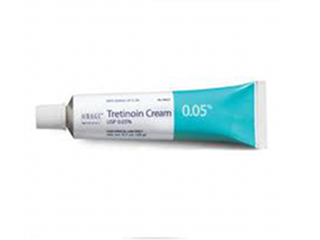
Tretinoin (Isotretinoin) – Patient Information (Australia)
Tretinoin (often referred to as isotretinoin) is a medicine used primarily for difficult forms of acne. It works by reducing skin oil production and helping to prevent clogged pores. This page is written in a patient-friendly way to explain how the medicine may work, how it is typically taken, and important safety considerations.
Please note: guidance for isotretinoin can change, and health professionals may adjust treatment based on your individual needs, test results, and medical history.
Basic product information
| Category | Details |
|---|---|
| Medicine | Tretinoin (Isotretinoin) |
| What it’s used for | Severe acne and certain acne-related conditions (as advised by a clinician) |
| How it works | Retinoid that reduces sebum production, normalises skin cell turnover, and helps reduce inflammation |
| Common forms | Oral capsules or tablets (strengths vary by product) |
| Typical schedule | Once or twice daily, with food (exact schedule varies) |
How it works: mechanism of action
Isotretinoin is a retinoid (a medicine related to vitamin A). It targets several key processes involved in acne:
- Reduces sebum (skin oil) production: This helps prevent pores from becoming clogged.
- Normalises follicular keratinisation: It can reduce the formation of comedones (blocked pores).
- Decreases acne-related inflammation: It helps calm inflammatory pathways that contribute to redness and pain.
- Indirectly reduces bacterial influence: Acne bacteria like Cutibacterium acnes contribute to inflammation; isotretinoin improves the environment in which acne develops.
Together, these effects can lead to long-term improvement for many people with severe or treatment-resistant acne.
Pharmacokinetics (how the body handles it)
While exact values differ by person and product, the following general points are helpful:
- Absorption: Isotretinoin is best absorbed when taken with food, particularly a meal containing some fat.
- Distribution: It is widely distributed throughout the body.
- Metabolism: The medicine is metabolised mainly in the liver to active metabolites, including 4-oxo-isotretinoin and other derivatives.
- Elimination: Metabolites are cleared through urine and bile/feces.
- Time to steady effect: Acne improvement is gradual. Some people notice early changes within weeks, while others take longer.
Because isotretinoin and its metabolites process through the body over time, regular monitoring during treatment is common.
What is isotretinoin used for? (typical use and indications)
Isotretinoin is typically used for more severe forms of acne or acne that has not responded well to other treatments.
Common indications may include:
- Severe acne (for example, nodular, cystic, or scarring acne)
- Acne causing significant emotional distress or functional problems
- Acne that has not responded to standard treatments (such as topical therapy and appropriate courses of oral antibiotics)
- Recurrent or chronic acne with a high risk of scarring
Your prescriber may consider your acne severity, previous treatments, and risk factors to decide whether isotretinoin is appropriate.
Starting treatment: timing and expected course
Isotretinoin is usually taken in courses. The timing of improvement varies:
- First 2–4 weeks: Some people experience initial flare (temporary worsening) or increased dryness.
- Weeks 4–8: Many notice reduced oiliness and fewer new inflamed spots.
- Months 2–4: Continued clearing is common as skin turnover normalises and inflammation settles.
- After 4+ months: For some, the most significant improvement occurs later in the course.
Treatment duration depends on your dose, response, acne pattern, and side-effect tolerance. It is important to keep expectations realistic: isotretinoin can be very effective, but progress is gradual.
Dosing (general information)
Dosing is individual. Clinicians typically calculate doses based on factors such as body weight and severity of acne. Common approaches may include:
- Starting dose: Often lower initially to improve tolerability.
- Ongoing dose: May be adjusted according to response and side effects.
- Daily schedule: Frequently once or twice daily.
- Course length: Varies; sometimes extended to achieve the desired cumulative effect.
Important: Do not change your dose without medical advice. Missing doses can reduce effectiveness and may increase unpredictability of side effects.
Food interactions and how to take it safely
Food effect: Isotretinoin is absorbed better when taken with food. Taking it on an empty stomach may reduce absorption in some people.
Practical tips for taking with food
- Take your dose with a meal or within 15–30 minutes after eating, as advised.
- If you miss a meal, avoid “catching up” without guidance—follow your clinician’s instructions for missed doses.
- If you take it twice daily, try to take each dose with your main meals to maintain consistent absorption.
For people with nausea or stomach sensitivity, taking with a substantial meal may help. If you experience significant gastrointestinal discomfort, seek advice promptly.
Alcohol and medicine interactions
Alcohol
Alcohol and isotretinoin may both affect the liver. During treatment, it is generally recommended to limit or avoid alcohol to reduce potential strain on liver function and to lower the risk of abnormal blood tests.
Medicines that may interact
Several medicines can interact with isotretinoin directly or indirectly (for example, by increasing liver stress or raising the risk of specific side effects). Tell your health professional about everything you take, including:
- Vitamin A or other retinoid products (risk of excessive vitamin A effects)
- Tetracycline antibiotics (used for some infections/acne; can increase risk of a rare condition related to pressure in the skull)
- Other medicines affecting the liver (your clinician may advise avoidance or closer monitoring)
- Phenytoin (may affect metabolism)
- Systemic corticosteroids (may affect bone and metabolic effects in some cases)
- Herbal supplements (for example, St John’s wort can affect metabolism; use caution)
- Over-the-counter products (including skin supplements, acne products, or high-dose supplements)
Blood tests and monitoring
Clinicians commonly arrange blood monitoring during isotretinoin treatment, such as: liver function tests and blood fats (triglycerides/cholesterol). These checks help detect changes early and guide safe dose adjustments.
Safety profile: important warnings and side effects
Isotretinoin is highly effective for many patients, but it can cause side effects. Some are expected and manageable; others require prompt medical attention.
Common side effects
- Dry lips (cheilitis)—often the most common issue
- Dry skin and mild peeling
- Dry eyes and irritation (sometimes worse with contact lenses)
- Dry nose and nosebleeds
- Sore throat/irritation due to dryness
- Increased sun sensitivity (sunburn risk is higher)
- Muscle or joint aches
- Temporary increase in acne lesions early in treatment
- Fatigue or general change in wellbeing
Less common but important risks
- Changes in blood fats (triglycerides)
- Liver enzyme changes (raised transaminases)
- Headaches, vision symptoms, or balance problems (rare but serious—seek medical attention)
- Severe mood changes (any new or concerning mental health symptoms should be discussed urgently with a clinician)
Pregnancy and severe birth defect risk
One of the most critical safety issues with isotretinoin is its ability to cause severe birth defects if taken during pregnancy. Strict pregnancy prevention measures are usually required, and treatment is typically only considered when pregnancy risk is fully controlled.
- Discuss contraception and pregnancy planning carefully with a healthcare professional.
- Seek urgent advice if pregnancy is possible or suspected.
Contact with blood and sharing medicine
- Do not share isotretinoin with others.
- Keep it secure and out of reach of others.
Practical use tips (making treatment easier)
1) Lip care
- Use a fragrance-free moisturising balm frequently.
- Choose products designed for sensitive lips, especially in dry or windy Australian weather.
2) Skin moisturising and cleansing
- Use a gentle cleanser and non-comedogenic moisturiser.
- Avoid harsh scrubs, alcohol-based toners, and frequent exfoliation.
- If you use acne topicals at the same time, ask whether they should be adjusted to avoid over-irritation.
3) Eye comfort
- Consider lubricating eye drops if dryness becomes troublesome.
- If you wear contact lenses, dryness may make them uncomfortable—seek advice about alternatives.
4) Sun protection
- Use broad-spectrum SPF and protective clothing.
- Avoid prolonged midday sun where possible.
5) Activity and pain management
- Muscle/joint discomfort can occur. Gentle stretching and staying hydrated may help.
- For pain relief, use only medicines that are safe for you—ask your pharmacist or clinician for guidance.
6) Don’t donate blood (often recommended)
Many isotretinoin safety programmes include guidance that patients should not donate blood during and for a period after stopping treatment to prevent exposure of a developing foetus in a recipient. Confirm the exact advice with your clinician and the relevant Australian programme materials.
Alternative options for acne treatment
Isotretinoin is one of the most effective medicines for severe acne, but other options may be appropriate depending on your acne type, previous treatments, and tolerance.
Common alternatives include:
- Topical retinoids (e.g., adapalene, tretinoin creams/gels) for mild to moderate acne
- Topical antibiotics or combinations (often used short-term with other agents)
- Oral antibiotics for inflammatory acne (typically limited duration and reviewed regularly)
- Hormonal therapy for some patients (particularly in females with acne linked to hormonal factors)
- Procedures such as chemical peels, laser/light therapies, or comedone extraction (case-dependent)
- Supportive skincare (gentle cleanser, moisturiser, and non-comedogenic products)
If isotretinoin is not suitable, your clinician may recommend a stepwise plan to manage acne and reduce scarring risk.
Australia: market and legal context, guidance, and monitoring
In Australia, isotretinoin is regulated due to its high risk profile. It is generally subject to controlled prescribing and patient safety measures, which may include:
- Strict pregnancy prevention requirements due to teratogenicity (ability to cause severe birth defects)
- Blood testing to monitor liver function and blood fats
- Clear patient education about side effects and what to report
- Use of structured safety programmes and documentation processes as required
In recent years, updates have also emphasised:
- improved education around dryness and skin care
- continued vigilance for mental health symptoms and serious adverse effects
- ongoing review of laboratory monitoring frequency and thresholds (individualised to patient risk)
Because safety programmes and local requirements can evolve, always follow the guidance provided by your healthcare team and Australian medicines information sources.
Delivery and availability (Australia)
Isotretinoin availability can vary by supplier and product strength. Some items may be kept in stock, while others are supplied on request depending on demand.
What to expect when ordering online
- Product confirmation: The pharmacy may verify product strength and directions before dispatch.
- Packaging: Medicines are typically packed to protect them during transit.
- Delivery times: Delivery estimates depend on location and courier availability across Australia.
If a product is temporarily unavailable, the pharmacy may contact you about alternatives or restocking timeframes. Always check the label and expiry date on arrival.
Safety checklist: when to get help urgently
Seek medical help promptly if you experience any of the following during treatment:
- Severe headache, blurred vision, or neurological symptoms
- Signs of serious allergy (swelling of face/lips, difficulty breathing, widespread rash)
- Severe mood changes, agitation, or thoughts of self-harm
- Severe abdominal pain, yellowing of the skin/eyes (jaundice), or dark urine
- Unusual bleeding or bruising
If you are unsure whether symptoms are related, it is safer to ask a healthcare professional.
FAQ
1) How long does isotretinoin take to work?
Acne improvement is gradual. Some people notice changes within the first 4–8 weeks, while larger improvements often occur after 2–4 months or longer, depending on the course plan and individual response.
2) Why does acne sometimes look worse at the start?
A temporary flare can happen early in treatment. This often improves over time, but tell your clinician if worsening is severe or persistent.
3) Can I take isotretinoin with other acne products?
Some topicals may be continued, reduced, or temporarily paused to prevent excessive dryness or irritation. Ask your clinician or pharmacist for a specific plan.
4) What should I do about dry lips and skin?
Use frequent moisturising products and a gentle cleanser. Lip balms (preferably fragrance-free) and a moisturiser will usually help significantly. Avoid harsh exfoliants and aggressive acne scrubs.
5) Is sun exposure dangerous while on treatment?
Yes. Isotretinoin can increase sun sensitivity, making sunburn more likely. Use broad-spectrum SPF, protective clothing, and avoid prolonged direct sun.
6) Is it safe to drink alcohol?
Alcohol may increase the risk of liver-related problems. Many clinicians recommend limiting or avoiding alcohol during treatment, especially if blood tests show abnormalities. Follow your clinician’s advice.
7) Are there important drug interactions I should know about?
Yes. Avoid or discuss medicines such as vitamin A/other retinoids and certain antibiotics (e.g., tetracyclines). Also tell your healthcare team about all prescription, over-the-counter, and herbal products so interactions can be checked.
8) What blood tests are commonly done?
Monitoring often includes liver function tests and blood fats (like triglycerides and cholesterol). The frequency and thresholds depend on your risk factors and how you are responding.
9) Can I become pregnant during treatment?
Pregnancy during isotretinoin treatment is strongly discouraged due to the high risk of severe birth defects. If pregnancy is possible, strict contraception and safety measures are required. Discuss your situation urgently with a healthcare professional.
10) What if I miss a dose?
If you miss a dose, follow the instructions provided with your medicine or from your healthcare professional. Do not double up unless specifically advised.
11) Can I stop early if my acne improves?
Stopping early may reduce the chance of long-term improvement. Dose and course length are typically based on cumulative response and safety. Discuss any changes with your clinician before stopping.
12) What alternatives can help if isotretinoin isn’t suitable?
Depending on your acne severity, alternatives may include topical retinoids, topical or oral antibiotics (short, reviewed courses), hormonal treatments for appropriate patients, and certain procedures. Your clinician can help choose a plan.
Disclaimer: This information is intended to help you understand isotretinoin in general terms. It does not replace advice from a healthcare professional. If you have questions about side effects, interactions, or suitability for your specific situation, contact your pharmacist or healthcare provider.