Aczone (Diaminodiphenyl sulfone) – Patient-Friendly Product Information (Australia)
Aczone is a medicine containing diaminodiphenyl sulfone, often referred to as dapsone. In Australia, Aczone is commonly used as a topical treatment for certain inflammatory skin conditions. This page explains how it works, how it is used, common practical tips, and key safety information to help you use the medicine correctly.
Always follow the instructions provided with your product and any guidance you receive from your healthcare professional. If you have questions about suitability for your skin or your medical history, ask your pharmacist.
Basic product information
- Medicine name: Aczone
- Active ingredient: Diaminodiphenyl sulfone (dapsone)
- Typical form: Topical gel (formulation strength may vary by product brand/pack)
- Common use: Treatment of inflammatory acne in selected patients; sometimes used for other approved indications depending on formulation and local approval status
- Who it suits: People with appropriate inflammatory skin conditions who can tolerate topical dapsone-related effects
Note: Product availability and the exact indication may vary depending on Australian regulatory status and the specific formulation you have. Your pharmacist can confirm the intended use for your specific item.
How Aczone works (mechanism of action)
The exact way Aczone improves acne and other inflammatory skin disorders is not solely one factor, but it is closely linked to its anti-inflammatory and antibacterial activity.
- Anti-inflammatory effects: Helps reduce inflammatory processes in the skin. This can lead to fewer red, swollen lesions.
- Antibacterial activity: Dapsone can affect certain bacteria involved in acne-related inflammation.
- Reduced formation of inflammatory lesions: By decreasing inflammatory mediators and bacterial involvement, it helps the skin heal more effectively.
Because the medicine targets inflammation and bacteria within the skin, improvements typically build over time rather than appearing immediately.
Pharmacokinetics (how the body handles it)
When used topically, only a portion of the active ingredient is absorbed through the skin. The majority acts locally at the site of application.
- Absorption: Topical absorption is generally limited compared with oral dosing.
- Distribution: Any absorbed drug distributes through the bloodstream to body tissues.
- Metabolism: Like many medicines, dapsone is metabolised in the body.
- Elimination: The drug and its metabolites are eliminated primarily via the kidneys and other excretory pathways.
Factors that can influence absorption include skin integrity (for example, intact vs. broken skin), amount applied, frequency, and whether the product is used over large areas.
Typical uses and indications
In Australia, Aczone is typically used to help treat acne, particularly inflammatory acne (such as red, tender blemishes and nodules) in people who are suitable candidates.
Depending on local approvals and product labelling, it may also be used for other conditions where the active ingredient is indicated. Always check the specific indication on your pack and follow the directions provided.
When Aczone may be considered
- When acne is predominantly inflammatory
- When other acne treatments are not fully effective or are not tolerated
- When a clinician decides the benefits outweigh potential risks for you
Dosing and timing: how to use Aczone
The exact dosing schedule depends on the specific product formulation and your healthcare professional’s instructions. The information below is general and meant to help you understand how topical medicines are commonly used.
Typical application schedule
- Frequency: Often applied once daily or twice daily depending on the product and your plan.
- How much: Apply a thin layer to the affected areas, avoiding excessive amounts.
- Area: Cover the acne-prone areas as instructed—avoid unnecessary application to very large surface areas unless advised.
When to apply
- Choose a time you can keep consistent (for example, morning and/or evening).
- If your skin is sensitive, consider applying after cleansing when your skin is dry.
How long until results?
- Early changes: Some people notice improvements in a few weeks.
- More significant results: Often take 8–12 weeks of consistent use.
- Best assessment: Evaluate improvement after a full treatment course as advised.
Food interactions
Because Aczone is generally used as a topical medication, food interactions are usually not relevant in the way they are for oral medicines. The amount absorbed through the skin is typically low.
If you are taking any medicines alongside Aczone, the more important interaction checks are usually related to other drugs and medical conditions (for example, blood-related concerns). For personalised advice, speak with your pharmacist.
Alcohol and medicine interactions
For topical Aczone, alcohol interactions are generally less likely than with oral medicines. However, dapsone (the active ingredient) has known systemic risks when absorbed or when taken orally, and it is important to be cautious if you are using the medicine on larger areas or if you have special medical circumstances.
General safety guidance
- Avoid heavy alcohol intake if you have any history of blood disorders, liver issues, or if you experience unusual symptoms after starting Aczone.
- Check interactions with other medicines: Some medicines can affect blood cells, liver function, or oxidative balance—these are key areas for dapsone-related safety.
- Seek advice promptly if you develop symptoms such as unusual tiredness, shortness of breath, pale/grey skin, fever, or sore throat.
If you are unsure, ask your pharmacist to review your current medicines (including supplements).
Safety profile and important precautions
As with all medicines, Aczone can cause side effects. Most are mild and related to skin irritation, but some rare and serious reactions can occur. Read this section carefully.
Common side effects (usually local)
- Dryness or flaking
- Skin irritation or redness
- Itching or burning sensation
- Peeling or discomfort at application sites
Serious side effects: get urgent medical help
Stop using the product and seek urgent medical attention if you develop signs of a serious reaction. Examples include:
- Allergic reaction: swelling of face/lips, hives, breathing difficulty
- Severe rash or skin blistering
- Signs of blood problems (more relevant with systemic exposure): unusual fatigue, weakness, shortness of breath, dizziness, pale/grey skin, or chest discomfort
- Signs of infection or blood-related illness: fever, persistent sore throat, or mouth ulcers
These are uncommon, but it’s important to recognise them early.
Special caution (discuss with a pharmacist/doctor)
- History of blood disorders (e.g., conditions affecting haemoglobin or red blood cells)
- G6PD deficiency: individuals with G6PD deficiency may have increased risk of blood-related issues with dapsone-like medicines
- Liver problems: any significant liver disease should be discussed before use
- Pregnancy or breastfeeding: discuss risks and benefits with your healthcare professional
- Extensive skin breakdown: using on broken/irritated skin can increase absorption
Practical use tips (how to get the best results with less irritation)
Step-by-step routine
- Cleanse gently: Use a mild cleanser and pat the skin dry.
- Wait until dry: Apply Aczone to fully dry skin to reduce irritation.
- Apply a thin layer: A small amount goes a long way—avoid rubbing aggressively.
- Wash your hands: After application, wash hands thoroughly.
- Avoid sensitive areas: Keep away from eyes, lips, nostrils, corners of the mouth, and broken skin.
- Moisturise if needed: Use a non-comedogenic moisturiser to reduce dryness.
- Use sunscreen daily: Sun exposure can worsen irritation and marks; broad-spectrum SPF is helpful.
If you get irritation
- Reduce frequency (for example, every second day) and gradually return to the prescribed schedule if tolerated.
- Consider using moisturiser before or after the medication (follow your product instructions).
- Avoid other strong acne actives at the same time if your skin is reacting (for example, harsh exfoliants).
If irritation is severe or persistent, stop and seek advice.
Alternative options for acne treatment (Australia)
Acne is highly individual. Depending on severity, skin type, and treatment history, there are several alternative options that may be considered. Your pharmacist or GP/dermatologist can help choose the best approach.
Common alternatives
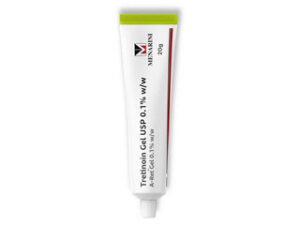
- Topical retinoids (help normalise skin cell turnover)
- Benzoyl peroxide (reduces acne bacteria and inflammation)
- Topical antibiotics (often used carefully and sometimes combined to reduce resistance)
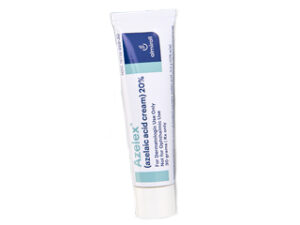
- Azelaic acid (anti-inflammatory and helps with pigmentation)
- Oral antibiotics for more severe inflammatory acne (used under medical guidance)
- Hormonal therapies for acne related to hormonal patterns
- Isotretinoin for severe, persistent acne (specialist-led)
The best option depends on whether your acne is mainly comedonal (blackheads/whiteheads), inflammatory, or mixed, and on your skin’s tolerance to products.
Market and legal context for Australia
Medicines in Australia are regulated by the Australian Therapeutic Goods Administration (TGA). Availability, required paperwork, and the way medicines are supplied (for example, prescription-only versus pharmacist-only/over-the-counter) depend on the specific product, formulation strength, and intended indication.
For topical medicines like Aczone, supply rules are based on the product’s classification and labelling. Online pharmacies in Australia provide medications in line with applicable laws and supply chain requirements, including checks to ensure suitable use and safe supply.
If you’re ordering online, ensure you choose a reputable Australian pharmacy and confirm the product matches what you were advised to use.
Recent guidance and what to watch for
Acne treatment recommendations can evolve as new evidence becomes available and as clinicians update best practice around:
- Reducing irritation and improving tolerability
- Minimising antibiotic resistance by using antibiotics appropriately
- Using consistent assessment timeframes (typically 8–12 weeks for topical regimens)
- Choosing therapy based on acne type and severity
- Safety monitoring for treatments with potential systemic effects
If you are using Aczone alongside other acne actives, follow a plan that balances effectiveness with skin comfort. If you have concerns about worsening symptoms, stop and seek advice.
Delivery and availability (online pharmacies in Australia)
Availability can vary by state and by supplier. Many online pharmacies offer home delivery across Australia, with shipping times depending on dispatch times and courier services.
- Processing time: Orders are typically dispatched after verification and packing.
- Delivery window: Varies by location; check the retailer’s estimated delivery times at checkout.
- Stock levels: If the item is temporarily unavailable, some pharmacies offer alternatives or restock notifications.
- Packaging: Medicines are supplied in tamper-evident packaging where required.
If you need the product urgently, check delivery estimates early and consider contacting the pharmacy for current stock status.
FAQ
1. Is Aczone the same as dapsone?
Aczone contains diaminodiphenyl sulfone, which is a form associated with dapsone (the commonly used name for this active substance). The specific formulation and the way it is used (topical vs systemic) can affect absorption and side effect risk.
2. How soon will my acne improve?
Many people need 8–12 weeks of consistent use before a clear improvement is seen. Some early changes may appear sooner, but acne often fluctuates during the first weeks of treatment.
3. Can I use Aczone with other acne products?
Often, yes—but it depends on which products you’re using. Combining multiple strong actives at once can increase irritation. Consider introducing products gradually and seek advice from your pharmacist if you plan to use retinoids, benzoyl peroxide, exfoliants, or salicylic acid alongside Aczone.
4. What should I do if I miss an application?
Apply it when you remember unless it is close to the time for your next dose. If it’s nearly time, skip the missed dose—do not apply extra to make up for it.
5. Can I apply Aczone after washing my face?
Yes. Wash with a gentle cleanser, rinse well, then pat dry. Apply Aczone to dry skin to reduce stinging and irritation.
6. Is it safe to use Aczone in pregnancy or breastfeeding?
Discuss with your healthcare professional. Safety depends on individual factors and the product formulation. Your clinician can help weigh potential benefits against risks.
7. Does food affect Aczone?
With topical use, food interactions are generally not expected to be clinically important. However, always check possible interactions with any other medicines you are taking, especially if you have medical conditions.
8. Can I drink alcohol while using Aczone?
With topical use, direct alcohol interactions are less likely. Still, avoid heavy alcohol intake if you have liver issues or a history of blood disorders, and seek medical advice if you notice unusual symptoms.
9. Are there any laboratory tests or monitoring needed?
Monitoring is more relevant for systemic (oral) forms of dapsone-like medicines. With topical use, routine blood testing is not always required, but you should follow clinician advice—especially if you have underlying conditions such as G6PD deficiency or blood disorders.
10. Where should I store Aczone?
Store according to the instructions on the pack. Keep out of reach of children. Avoid excessive heat and keep the container tightly closed when not in use.
Quick summary
- Aczone (diaminodiphenyl sulfone) is used to treat selected inflammatory acne and works mainly by reducing inflammation and affecting acne-related bacterial activity.
- Timing matters: consistent use for 8–12 weeks is often needed for meaningful results.
- Use on clean, dry skin and apply a thin layer to the affected areas.
- Manage irritation with moisturiser and by adjusting frequency if advised.
- Seek urgent help for signs of allergy, severe rash, or symptoms that could indicate blood-related problems.
If you would like, tell me the acne type you’re treating (e.g., red painful pimples vs blackheads/whiteheads) and the other products you use, and I can help you think through a safe, simple routine to reduce irritation.