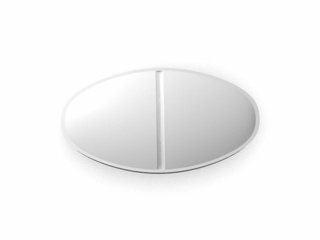
Uniphyl Cr (Theophylline) — Patient Guide (Australia)
Uniphyl Cr is a brand of theophylline formulated as a controlled-release (CR) medicine. It is used to help manage certain breathing conditions by relaxing airway muscles and improving airflow. This guide explains how Uniphyl Cr works, how it is typically used, what to watch for, and how to take it safely with other foods and medicines.
| Product name | Uniphyl Cr |
|---|---|
| Active ingredient | Theophylline (controlled-release) |
| Medicine type | Bronchodilator (xanthine) — long-acting/CR formulation |
| What it’s used for | Prevention/control of symptoms in certain chronic lung conditions (as advised by a healthcare professional) |
| How it works | Helps relax airway muscles and improves airflow |
| How it’s taken | Usually once or twice daily depending on the prescribed regimen |
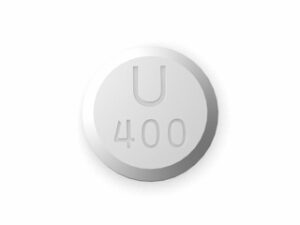
| Common form | Tablets or capsules with controlled-release design |
How Uniphyl Cr Works (Mechanism of Action)
Theophylline is a bronchodilator that helps open the airways. It works through multiple actions, including:
- Relaxing smooth muscle in the airways, reducing tightness and improving airflow.
- Reducing inflammation and airway reactivity in some patients.
- Modulating signalling pathways inside cells that influence broncho-constriction (airway narrowing).
Uniphyl Cr is designed for controlled, sustained release, which can help maintain a steadier effect over time compared with immediate-release theophylline.
Pharmacokinetics (How the Body Handles It)
Understanding pharmacokinetics helps explain why interactions and dosing matter with theophylline.
Absorption
- Controlled-release formulations are designed to release theophylline gradually.
- Taking the tablet/capsule exactly as directed helps maintain consistent absorption.
Distribution
- Theophylline distributes throughout body tissues, including the lungs.
- It can bind to plasma proteins to some extent.
Metabolism
- Theophylline is mainly metabolised in the liver.
- Liver metabolism can vary between people, and may be affected by smoking, alcohol, and other medicines.
Elimination
- Theophylline is eliminated primarily through the kidneys (as metabolites).
- People with reduced kidney or liver function may have higher risk of side effects.
Why monitoring can matter
Theophylline has a narrow therapeutic range in many patients, meaning levels that are too low may not help enough, while levels that are too high can increase risk of adverse effects. Some patients may need blood level monitoring, particularly when starting treatment, changing doses, or when taking interacting medicines.
Typical Uses
Uniphyl Cr is used as a controller/preventer to help reduce symptoms such as wheeze, shortness of breath, and breathlessness related to certain chronic respiratory conditions.
It is commonly considered in situations where additional bronchodilation or symptom control is needed, or where it is part of a clinician-led long-term plan.
Important: Uniphyl Cr is not intended for immediate relief of sudden breathing attacks.
Indications (When It May Be Prescribed/Used)
In Australia, theophylline products are generally used for:
- Chronic obstructive pulmonary disease (COPD) in appropriate patients, particularly when long-acting symptom control is required.
- Asthma in selected patients where other controller therapies are not sufficient or where a clinician recommends add-on therapy.
The exact indication and suitability depend on your history, severity of disease, other medicines, and risk factors for theophylline side effects.
How to Take Uniphyl Cr (Timing and Dosing Basics)
Your dosing schedule may differ depending on your age, overall health, smoking status, and liver function. Always follow your healthcare professional’s instructions and the packaging directions.
General timing
- Uniphyl Cr is typically taken at regular intervals (often once daily or twice daily for CR products, depending on strength and your plan).
- Try to take doses at the same times each day to maintain steadier blood levels.
Dosing guidance
Because theophylline dosing is individualised, dosing commonly starts at a lower dose and may be adjusted gradually.
- Adults: Doses vary; a clinician may start low and increase based on response and tolerability.
- Elderly: Often require more cautious dosing due to slower metabolism.
- People who smoke: Smoking can increase theophylline metabolism, possibly lowering levels; dose adjustments may be needed.
How to swallow CR tablets/capsules
- Swallow whole with water.
- Do not crush, chew, or break controlled-release forms unless your product information says it is safe.
- Breaking or crushing may release the medicine too quickly, increasing the risk of side effects.
If you miss a dose: Take it when you remember if it is close to the next scheduled time. If it’s nearly time for the next dose, skip the missed dose. Do not take a double dose.
Food and Drink Interactions
Food can influence theophylline absorption, though controlled-release formulations may reduce the impact compared with immediate-release products.
Food
- Taking the medicine consistently with respect to meals can help maintain predictable absorption.
- If your body reacts differently when taken with or without food, ask your pharmacist for a plan.
Alcohol
- Alcohol may increase the risk of side effects for some people (such as stomach irritation, dizziness, or fast heart rate).
- Alcohol may also affect liver metabolism and thus theophylline levels indirectly.
- Keep alcohol intake moderate and discuss heavier or regular drinking with a healthcare professional.
Medicine Interactions (Key Safety Points)
Theophylline is affected by liver enzyme activity and may interact with many medicines. Some interactions can increase theophylline levels (raising side effect risk), while others can decrease levels (reducing effect).
Medicines that may increase theophylline levels
- Ciprofloxacin and other certain antibiotics
- Erythromycin and other macrolide antibiotics
- Cimetidine (acid-reducing medicine)
- Some antifungal medicines
- Oral contraceptives (in some cases)
Medicines that may decrease theophylline levels
- Rifampicin and other strong enzyme inducers
- Some anti-seizure medicines
- Smoking (changes metabolism; stopping or starting smoking can change levels)
Other important interaction categories
- Other bronchodilators (including beta-agonists): may add to effects; side effects such as palpitations can be more likely.
- Diuretics: can influence electrolytes, which may affect heart rhythm risk.
- Flu vaccination and respiratory infection treatment: infections themselves can alter theophylline handling, so dose adjustments may be needed during illness. Consult your clinician during significant infections/fever.
Always inform your pharmacist or doctor about all medicines you take, including:
- Over-the-counter products
- Herbal supplements (e.g., St John’s Wort)
- Vitamins/minerals
- Any changes in smoking habits
Safety Profile (What to Watch For)
Theophylline can cause side effects, especially if blood levels become too high. Controlled-release forms reduce peak fluctuations but do not eliminate risk.
Common side effects
- Nausea, indigestion, or stomach discomfort
- Headache
- Tremor (shakiness)
- Restlessness or difficulty sleeping
- Increased heart rate or palpitations
Serious side effects (seek urgent medical help)
- Severe palpitations, chest pain, fainting, or signs of an abnormal heartbeat
- Seizures
- Persistent vomiting or severe dizziness
- Confusion or extreme agitation
If you experience serious symptoms, stop the guesswork—get urgent medical advice immediately.
Who should take extra caution
- People with liver disease
- People with heart rhythm problems
- Elderly patients
- People taking interacting medicines
- People who drink alcohol regularly or have episodes of heavy drinking
Practical Use Tips for Uniphyl Cr
- Keep a consistent routine: take doses at the same times daily.
- Don’t alter the tablet/capsule: do not crush or chew controlled-release forms.
- Check for interactions: before starting antibiotics, antifungals, or new respiratory medicines, ask your pharmacist.
- Plan around smoking changes: stopping or starting smoking can change theophylline metabolism; discuss with a clinician.
- Be careful with caffeine: coffee, tea, energy drinks, and some pre-workout products may increase stimulation and jitteriness.
- Stay hydrated: dehydration can make side effects more noticeable.
- Use your reliever inhaler as instructed: Uniphyl Cr supports ongoing control and is not a rescue medicine.
Monitoring and Follow-up
Some patients may require theophylline blood level monitoring, especially when:
- Starting treatment
- Changing the dose
- Starting or stopping interacting medicines
- Having significant illness (e.g., high fever or severe infection)
- Changing smoking habits
- Experiencing side effects that suggest high levels
Monitoring is one way to help keep therapy effective while reducing the risk of toxicity.
Alternative Options
Depending on your condition (and what you already use), there are other treatment approaches that may be considered. Alternatives vary by diagnosis and severity.
For chronic lung conditions, alternatives may include
- Inhaled corticosteroids (for asthma or certain COPD patients)
- Long-acting beta-agonists (LABA) and/or long-acting muscarinic antagonists (LAMA) (commonly used in COPD)
- Short-acting relievers for quick relief during symptoms
- Leukotriene receptor antagonists (selected asthma patients)
- Other xanthine products or different formulations (where appropriate)
Discuss with your healthcare professional what option best fits your condition, symptom pattern, and current medicines.
Uniphyl Cr in the Australian Market: Legal/Guidance Context
In Australia, theophylline products are regulated medicines and are supplied under Australian health rules. Availability, prescribing processes, and pharmacist guidance may vary depending on product classification and current regulatory requirements.
Clinical guidance for asthma and COPD in Australia is typically aligned with evidence-based national and international standards. In practice, theophylline use may be considered for selected patients, often as add-on therapy when inhaled treatments and lifestyle measures are not providing sufficient control.
Recent guidance and practical implications
While individual patient care remains clinician-led, broad trends in respiratory care include:
- Emphasis on inhaled therapies for most patients with asthma and COPD due to strong evidence and lower systemic side-effect risk.
- More careful patient selection for theophylline because of interaction potential and the need for caution around toxicity.
- Focus on personalised risk assessment (age, liver function, smoking status, co-morbidities, and medication list).
If you are using Uniphyl Cr, it’s reasonable to review annually (or sooner if symptoms change) whether it remains the best option for you.
Delivery and Availability (Online Pharmacy in Australia)
Availability can vary depending on stock levels and product strength. When ordering online in Australia, delivery timelines depend on your location and the pharmacy’s dispatch schedule.
Typical process:
- Order placed online
- Pharmacy verifies the item and checks relevant safety information
- Dispensing/preparation
- Dispatch to your nominated address
After dispatch, you may receive tracking details. If you need your medicine urgently due to worsening symptoms, contact the pharmacy to discuss options.
How to Store Uniphyl Cr
- Store at room temperature, as directed on the pack.
- Keep in the original packaging to protect from moisture/light if required.
- Keep out of sight and reach of children.
- Do not use after the expiry date on the carton/blister.
FAQ — Uniphyl Cr (Theophylline)
1) Is Uniphyl Cr the same as an inhaler?
No. Uniphyl Cr is an oral controlled-release medicine. Inhalers deliver medicine directly to the airways and are often used as relievers and controllers. Uniphyl Cr is usually an add-on for longer-term symptom control, not a substitute for your prescribed inhalers.
2) How long does Uniphyl Cr take to work?
Many patients notice improvement over days to weeks, depending on dosing and the underlying condition. The controlled-release design helps maintain levels over time, but the effect is not typically immediate like a rescue inhaler.
3) Can I stop Uniphyl Cr suddenly?
Don’t stop without medical advice. Stopping abruptly may worsen symptoms in some patients. If you’re considering stopping (for side effects or other reasons), discuss a safe plan with your clinician or pharmacist.
4) What should I do if I get side effects?
Mild side effects like nausea or headache may be manageable. However, if you experience significant palpitations, tremor, severe dizziness, persistent vomiting, or any signs of serious reaction, seek urgent medical help. Also contact your pharmacist/clinician promptly if side effects are new or worsening.
5) Does caffeine affect Uniphyl Cr?
Caffeine can increase stimulation (e.g., jitters, palpitations) and may make side effects more noticeable. If you’re using Uniphyl Cr, consider limiting caffeine-containing drinks and energy products and ask your pharmacist for personalised advice.
6) Can I take Uniphyl Cr with food?
You can typically take it with or without food, but consistency is important. If a particular routine (with meals or without) works best for you, stick to it. If your clinician/pharmacist advises otherwise for your product or situation, follow their guidance.
7) Is it safe to drink alcohol?
Moderate alcohol intake may be tolerated by some people, but alcohol can increase risk of side effects and may affect theophylline levels indirectly. It’s best to keep intake moderate and discuss your typical alcohol habits with your pharmacist or doctor.
8) Why do interactions matter so much with theophylline?
Theophylline levels can change when liver metabolism is affected by other medicines, infections, or smoking status. Increased levels can lead to toxicity. Decreased levels may reduce effectiveness. That’s why it’s important to check every new medicine with a pharmacist.
9) Can I take other medicines for colds or cough?
Some cold and cough products contain ingredients that may interact or worsen side effects (e.g., stimulants). It’s safest to check the ingredient list or ask your pharmacist before starting new OTC products.
10) Are there alternatives if I can’t tolerate Uniphyl Cr?
Yes. Depending on your condition, alternatives may include inhaled therapies, different controller medications, or other bronchodilators. Your healthcare professional can help choose options based on symptom pattern and medical history.
When to Seek Medical Advice
Contact a healthcare professional promptly if you:
- Develop worsening breathing symptoms
- Experience severe or persistent side effects
- Need to start a new antibiotic, antifungal, or seizure-related medication
- Change smoking habits (start, stop, or reduce significantly)
- Have fever/infection and feel unwell
If you have severe breathing difficulty, blue lips, inability to speak in full sentences, or symptoms of a medical emergency, seek urgent care immediately.