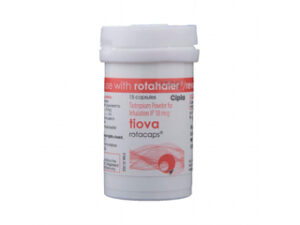
Tiova Inhaler (Tiotropium Bromide) – Patient Guide (Australia)
Tiova Inhaler contains tiotropium bromide, a medicine used to help people breathe more easily in certain long-term lung conditions. This guide explains what it does, how to use it properly, what to expect, and important safety information. It is written for patients in Australia and uses clear, practical language.
Basic product information
| Item | Details |
|---|---|
| Medicine name | Tiova Inhaler |
| Active ingredient | Tiotropium bromide |
| Medicine type | Long-acting inhaled antimuscarinic (anticholinergic) bronchodilator |
| Common conditions | COPD; sometimes used as maintenance therapy where appropriate based on clinical need |
| How it works | Relaxes airway muscles and helps reduce bronchospasm |
| Route | Inhalation using a device designed for tiotropium |
Note: Inhaler appearance and device instructions can vary between products. Always follow the consumer medicine information (CMI) and device steps supplied with your Tiova product.
How Tiova Inhaler works (mechanism of action)
Tiotropium bromide is an antimuscarinic medicine. In the airways, nerve signals release substances that can narrow the bronchi (airways). Tiotropium blocks muscarinic receptors (particularly M3 receptors) in the airway smooth muscle.
- Airway relaxation: Helps keep the airways open.
- Reduced bronchospasm: Can lessen symptoms such as breathlessness and wheeze.
- Long-acting maintenance: Designed to provide relief over much of the day when taken as directed.
Because Tiova is a bronchodilator, it is primarily aimed at maintenance control rather than quick rescue of sudden attacks (although individual responses may vary).
Pharmacokinetics (what happens in the body)
“Pharmacokinetics” describes how the body absorbs, distributes, metabolises, and eliminates a medicine. For inhaled tiotropium, the main points include:
- Absorption: After inhalation, tiotropium reaches the lungs; only a portion is absorbed into the bloodstream.
- Distribution: Tiotropium distributes mainly into the respiratory tissues and body fluids; it binds to muscarinic receptors.
- Metabolism: Tiotropium is not extensively metabolised in the body.
- Elimination: The medicine is cleared primarily by the kidneys. This is important for people with reduced kidney function.
- Duration: Its receptor binding properties support a once-daily or otherwise extended maintenance effect depending on the product and strength.
Kidney considerations: If you have kidney impairment, your clinician may monitor you more closely or adjust your treatment plan.
Typical use: who it’s for and why it’s used
In Australia, Tiova Inhaler is generally used as maintenance therapy for people with chronic obstructive pulmonary disease (COPD) to help improve symptoms and reduce airflow limitation.
Some patients may be prescribed tiotropium-based inhalers as part of a broader long-term plan, potentially alongside other COPD medicines such as:
- inhaled corticosteroids
- long-acting beta2-agonists (LABAs)
- other bronchodilators
Important: Tiova is not intended as a substitute for quick-relief (“rescue”) medication for sudden severe shortness of breath.
Indications (medical uses)
Tiova Inhaler is indicated for the maintenance treatment of airflow obstruction associated with COPD, including:
- helping reduce breathlessness
- improving lung function
- helping manage chronic symptoms
Use in other conditions depends on your individual clinical assessment. Always follow the treatment plan created with your healthcare professional.
Dosing and timing
Dosing depends on the specific Tiova inhaler formulation and strength. Common guidance for tiotropium in COPD is once daily maintenance dosing. Your packaging and CMI will specify the correct dose for your product.
Typical timing
- Once daily: Try to take your dose at the same time each day.
- Consistency matters: Regular use helps maintain bronchodilation.
If you miss a dose
- Take it as soon as you remember if it is close to the time of the next dose.
- If it is almost time for the next dose, skip the missed dose.
- Do not double to make up for a missed dose.
If you are unsure, check your CMI or speak with your pharmacist.
Practical use tips (how to use your inhaler correctly)
Using your inhaler properly makes a major difference. Follow the device instructions in your CMI. The steps below are general guidance—always adapt to your exact Tiova device.
Before you start
- Check the expiry date.
- Keep the inhaler dry and store it as directed.
- If your inhaler is new or unused, follow the “priming” steps in the instructions (if provided).
During use
- For best results, breathe out gently away from the mouthpiece.
- Seal your lips around the mouthpiece (or follow the technique specific to your device).
- Inhale steadily and deeply when you activate the dose (if required by the device).
- Hold your breath for the number of seconds recommended in the CMI.
- Remove the inhaler and breathe out slowly.
After use
- Close/lock the device if applicable.
- Rinse your mouth with water and spit (if your product’s directions advise this—this is more relevant for inhaled corticosteroids, but good oral hygiene is always beneficial).
- Keep track of doses and refill before you run out.
Common technique problems
- Not inhaling deeply enough: Less medicine reaches the lungs.
- Rushing the breath: Can reduce deposition in the airway.
- Not holding breath: Can reduce how much stays in the lungs.
Tip: If you can, ask your pharmacist or nurse to watch your technique once. Small adjustments can improve benefit and reduce side effects.
Food interactions
Food interactions are generally unlikely with inhaled tiotropium, because most of the medicine acts locally in the lungs and only a limited amount is systemically absorbed.
- You can usually take Tiova with or without food.
- However, if you experience reflux or indigestion symptoms that affect inhalation technique (e.g., coughing when lying down), discuss strategies with your healthcare professional.
Alcohol interactions
There is no well-known direct interaction between tiotropium and alcohol. However, alcohol can worsen breathing in some people by affecting sleep, airway irritation, or coordination of inhaler use.
- If alcohol makes your symptoms worse, limit intake.
- Be cautious if you are also taking other medicines that cause drowsiness or dizziness.
Seek advice if you notice increased breathlessness, dizziness, or confusion after drinking alcohol, especially if you already have significant lung disease.
Medicine interactions (important)
Tiotropium can interact with other medicines, mainly those with similar antimuscarinic effects or those that affect heart rhythm.
Potential interaction categories
- Other antimuscarinics: Using additional anticholinergic medicines may increase side effects such as dry mouth, constipation, or urinary retention.
- Other inhaled bronchodilators: Combination therapy is sometimes used in COPD, but dosing schedules should be coordinated to avoid duplicating medicines.
- Medicines for urinary symptoms (anticholinergic effects): Increased risk of urinary retention.
- Medicines that affect the eye or raise eye pressure: People at risk of angle-closure glaucoma should take extra care to avoid mist contacting eyes.
Always tell your pharmacist if you use
- any other inhalers (including “as-needed” medications)
- tablets or patches that affect the bladder, stomach, or movement/sweating
- any new medicines, including over-the-counter products
Do not change your inhaler regimen without guidance.
Safety profile: side effects and when to get help
Like all medicines, Tiova Inhaler may cause side effects. Many are mild and improve as your body adjusts. Still, it’s important to know what to watch for.
Common side effects
- Dry mouth
- Throat irritation or mild cough
- Headache (reported by some patients)
- Constipation (in some people)
- Blurred vision can occur if mist reaches the eyes (see “seek help” below)
Less common but important risks
- Urinary retention, especially in people with prostate enlargement
- Worsening of narrow-angle glaucoma if aerosol contacts the eyes
- Rapid heart rate or palpitations (rare)
Seek urgent medical help if you notice
- severe eye pain, halos around lights, or sudden vision changes
- swelling of the face/lips, difficulty breathing, or rash (possible allergy)
- inability to pass urine
- chest pain, fainting, or severe worsening breathlessness not relieved by your rescue medicine
Special populations
- Kidney impairment: because tiotropium is cleared by the kidneys, your clinician may monitor you.
- Prostate problems or bladder issues: monitor for urinary retention.
- Glaucoma or eye risk: avoid getting mist into the eyes.
- Older adults: side effects like constipation or urinary symptoms may be more noticeable.
Practical safety tips
- Avoid eye exposure: Do not aim inhaler toward your eyes. If you accidentally get mist in the eyes, rinse and seek advice if symptoms persist.
- Stay hydrated: Can help reduce dry mouth.
- Manage constipation risk: Use a fibre-rich diet and fluids; discuss stool softeners with your pharmacist if needed.
- Monitor symptoms: If you notice increasing breathlessness, wheeze, or reduced response, speak with your healthcare professional.
- Use your action plan: If your clinic has provided a COPD action plan, follow it during flare-ups.
How soon will it work?
Many people notice improved breathing and reduced symptoms within the first days of consistent use. However, COPD management often involves gradual improvement over weeks. Tiova is intended for ongoing daily maintenance, even if you feel better.
If you are not seeing expected improvement, check:
- inhaler technique
- adherence (taking it every day)
- presence of triggers (smoking, infections, allergens, pollution)
If symptoms remain uncontrolled, your clinician may adjust your overall treatment plan.
Alternative options (what else may be used)
COPD treatment options vary based on severity, symptoms, exacerbation history, and individual response. Alternatives or add-ons that may be considered include:
Other long-acting bronchodilators
- Long-acting beta2-agonists (LABAs)
- Other long-acting muscarinic antagonists (LAMA) or combination inhalers
Inhaled anti-inflammatory therapies
- Inhaled corticosteroids (ICS) for certain patients (for example, those with frequent exacerbations and other clinical markers)
Short-acting “rescue” medicines
- Short-acting bronchodilators (e.g., SABA) may be used for quick symptom relief.
Your pharmacist can explain how Tiova fits into your personalised regimen and whether another device or combination might be more suitable.
Market and legal context for Australia
In Australia, medicines are regulated through the Therapeutic Goods Administration (TGA). Tiotropium-containing inhalers are commonly used for COPD maintenance and are supplied through licensed pharmacy channels.
- Regulatory oversight: Medicines must meet quality, safety, and efficacy standards set by the TGA.
- Consumer information: Products typically include a Consumer Medicine Information (CMI) with device instructions and safety details.
- Pharmacy supply: Inhalers are provided through pharmacies in accordance with Australian supply rules and clinical requirements.
Recent guidance: COPD management guidance in Australia is generally aligned with international evidence and local clinical recommendations. Changes can occur over time regarding preferred medicine combinations, escalation strategies, inhaler technique education, and inhaled therapy review intervals. Always follow the most current guidance provided by your healthcare team and check the CMI for your specific product.
Delivery and availability (online pharmacy)
Tiova Inhaler is typically available via Australian online pharmacies, subject to stock levels and shipping coverage. Delivery timeframes vary depending on location and courier service.
- Stock availability: Most pharmacies show real-time availability; if out of stock, you may be offered alternatives or restock notifications.
- Temperature and storage: Store the inhaler as directed on the label (inhalers are usually stable at room temperature, but always confirm).
- Tracking: Many deliveries include tracking updates.
- Plan for refills: Keep spare stock to avoid missed daily doses.
If you have a clinical need for uninterrupted maintenance therapy, it’s advisable to order refills before you run out.
FAQ about Tiova Inhaler
1) Is Tiova Inhaler the same as a “reliever” inhaler?
No. Tiova Inhaler is a maintenance bronchodilator designed for long-term control. It is not usually intended for immediate relief during sudden severe breathlessness. Your reliever/“rescue” inhaler (if prescribed) is for quicker symptom relief.
2) How long can I take Tiova?
For COPD, tiotropium-based inhalers are often used long term as maintenance therapy. Your clinician will review your treatment periodically and adjust if needed based on your symptoms and lung function.
3) What if my breathing is worse after using Tiova?
Mild short-term changes can happen, but if you experience significant worsening breathlessness, chest tightness, or any signs of allergic reaction, seek urgent medical advice. Recheck your inhaler technique and contact your pharmacist promptly.
4) Can I use Tiova if I have glaucoma?
People with narrow-angle glaucoma should be cautious to avoid mist contacting the eyes. Use the inhaler exactly as instructed. Discuss your eye history with your healthcare professional before starting or continuing therapy.
5) Can Tiova cause dry mouth or constipation?
Yes, dry mouth and constipation are possible due to the antimuscarinic effect. If symptoms are bothersome, speak with your pharmacist about practical strategies and whether any additional management is needed.
6) Is it safe to drink alcohol while using Tiova?
There is no specific, well-established direct interaction, but alcohol may worsen breathing or affect coordination. Keep alcohol moderate and monitor how you feel.
7) Do I need to avoid any foods?
Food interactions are generally unlikely with inhaled tiotropium. You can usually take it with or without food.
8) What should I do if I miss a dose?
Take it when you remember if it’s close to the scheduled time. If it’s nearly time for the next dose, skip the missed one. Do not double doses.
9) Can Tiova be used by everyone?
It is typically used for adults with appropriate COPD indications. Suitability depends on your medical history (e.g., kidney function, urinary symptoms, glaucoma). Your pharmacist or doctor can confirm whether it’s appropriate for you.
10) How can I make inhalers work better?
Key factors are correct technique, inhaling steadily and deeply, and taking the dose at the right time every day. If possible, ask a pharmacist to observe your technique.
Summary
Tiova Inhaler (tiotropium bromide) is a long-acting inhaled antimuscarinic used to support maintenance management of COPD by relaxing airway muscles and improving airflow. It is generally taken as directed (often once daily) and is most effective when used consistently. While food interactions are unlikely, be aware of potential effects on the mouth, bowel, urinary system, and eyes. If you have concerns about side effects, technique, or symptom control, your pharmacist can help you get the best results.