
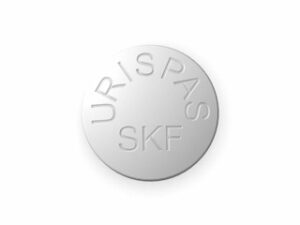
Ursodeoxycholic Acid (Ursodeoxycholic Acid Tablets/Capsules) — Patient Information (Australia)
Ursodeoxycholic acid (often shortened to UDCA) is a bile acid medicine used to treat certain gallbladder and liver conditions. It is commonly prescribed for people with cholesterol gallstones in selected circumstances and for some chronic cholestatic (bile flow–related) liver diseases, including primary biliary cholangitis (PBC).
This guide explains how ursodeoxycholic acid works, how it is taken, what to expect, and key safety considerations. It is written for an Australian audience and includes practical tips for safe use.
1) Basic product information
| Item | Details |
|---|---|
| Medicine name | Ursodeoxycholic acid (UDCA) |
| Common uses | Cholesterol gallstones (selected cases), and certain cholestatic liver diseases such as PBC |
| How it works | Helps normalise bile composition and supports bile flow |
| Typical presentation | Tablets or capsules (strengths vary by brand) |
| How long treatment may take | Gallstone dissolution can take months; liver conditions require longer-term use |
Note: Brand names, tablet strengths, and dosing instructions can vary. Always follow the directions provided with your product and consult a healthcare professional for guidance tailored to you.
2) What is ursodeoxycholic acid?
Ursodeoxycholic acid is a naturally occurring bile acid. In the body, bile acids help digest fats and remove waste products through the liver and bile ducts. UDCA modifies the bile acid mix so that bile becomes less irritating and may dissolve certain gallstones.
3) Mechanism of action (how it works)
UDCA helps in two main ways:
- Improves bile composition: It reduces the proportion of cholesterol in bile and helps shift bile acid balance, which can reduce formation and/or promote dissolution of certain cholesterol gallstones.
- Supports bile flow and reduces bile-related injury: In cholestatic liver diseases, UDCA can help protect bile duct cells, improve bile flow, and reduce inflammation caused by bile acid buildup.
Depending on your condition, the clinical goal may be:
- Gradual gallstone dissolution (for selected gallstones)
- Improved liver blood test results and slower progression of disease in PBC
- Relief of some bile-related symptoms such as itch (may take time)
4) Pharmacokinetics (how the body handles it)
Pharmacokinetics describes how the medicine is absorbed, distributed, metabolised, and eliminated.
- Absorption: UDCA is absorbed in the small intestine. Absorption can be influenced by bile flow and the presence of food and fats.
- Distribution: After absorption, UDCA circulates in the bloodstream and is taken up by the liver.
- Metabolism: UDCA undergoes conversion by the body’s bile acid pathways. A portion is converted into secondary bile acids.
- Excretion: UDCA is primarily eliminated via the bile and ultimately through the gastrointestinal tract and stool.
Why this matters: Because UDCA is handled through the liver and bile system, its effect and tolerability can be impacted by the underlying liver condition and bile flow.
5) Typical uses (indications)
Ursodeoxycholic acid is used for specific conditions. Common indications include:
- Cholesterol gallstones in selected people when gallstones are likely to dissolve and surgery is not suitable or has been considered. Not all gallstones dissolve with UDCA (for example, calcium or pigment stones may not respond).
- Primary biliary cholangitis (PBC), a chronic autoimmune cholestatic liver disease, to improve liver biochemistry and slow progression.
Your clinician may confirm eligibility using imaging (e.g., ultrasound) and blood tests (including liver function tests).
6) Dosing: how much to take and when
Dosing depends on the condition, your liver and gallbladder status, your weight, and the formulation strength. Always use the regimen provided by your healthcare professional.
Typical dosing principles
- For liver conditions (e.g., PBC): The dose is often weight-based, commonly around 13–15 mg per kg per day in divided doses, but the exact dose must be confirmed for your situation.
- For cholesterol gallstones: Total daily dosing is commonly in the range of 8–10 mg per kg per day, usually divided, but again individual dosing varies.
- Administration frequency: Many regimens are once or twice daily, depending on the product and dose.
Timing matters
- Take UDCA with food or shortly after meals if advised, as it may support bile release and improve absorption.
- If prescribed twice daily, distribute doses evenly (for example, with breakfast and dinner).
Missed dose: If you miss a dose, take it when you remember unless it is close to your next dose. Do not double up to make up for a missed dose.
7) How to take ursodeoxycholic acid (practical use tips)
- Use a consistent routine: Taking it at the same times each day helps maintain steady levels.
- Swallow whole: If your product is a tablet or capsule, swallow with water unless your pharmacist advises otherwise.
- Keep track of labs: For liver disease, routine blood tests are used to monitor response (often including liver enzymes such as ALP, bilirubin, and others).
- Be patient: Gallstones may take months to years to change. PBC response is assessed over time using blood results and clinical symptoms.
8) Food interactions and meal advice
UDCA is a bile acid, so meal composition can affect how bile is released. Food may support digestion and the normal delivery of bile.
- Generally: Taking UDCA with meals or shortly after is commonly recommended.
- High-fat meals: A heavy fat meal may increase bile release; this usually supports the intended use, but follow your clinician’s or pharmacist’s instructions.
- Consistency is key: Try not to drastically change your meal timing around doses.
9) Alcohol interactions
Moderate alcohol intake can affect the liver. Because UDCA is used for liver and bile conditions, it’s wise to take a cautious approach.
- General advice: Limit or avoid alcohol if you have liver disease, elevated liver tests, or symptoms related to cholestasis.
- Ask your clinician: If you drink alcohol, discuss safe amounts and whether you need additional monitoring.
UDCA itself is not typically described as having a direct “dangerous” interaction with alcohol, but alcohol can worsen liver stress and symptoms.
10) Medicine interactions (including important classes)
Some medicines can reduce UDCA absorption or interfere with bile acid movement. Other medicines may change liver metabolism.
Common interaction types to watch for
-
Bile acid sequestrants (used to lower cholesterol), such as cholestyramine or colestipol:
- These can bind bile acids and reduce UDCA effectiveness.
- They are often separated by a few hours from UDCA, but your pharmacist can confirm the best timing.
-
Anti-acid medicines and products affecting stomach acidity:
- Effects vary. Ask your pharmacist if you use antacids or acid-suppressing medicines regularly.
-
Cholesterol-lowering therapies and other bile-related treatments:
- Discuss your full list of medicines, including herbal products.
Always review your medication list
Tell your healthcare professional or pharmacist about all medicines you use, including:
- Prescription medicines
- Over-the-counter products
- Herbal supplements
- Vitamins (especially fat-soluble vitamins)
11) Safety profile: side effects and what to do
Most people tolerate UDCA well. Side effects are usually mild and may improve with time or with dose adjustment by your clinician.
Common side effects
- Diarrhoea or loose stools
- Abdominal discomfort, bloating, or nausea
- Headache (less common)
Serious side effects (seek medical help promptly)
Serious allergic reactions are uncommon, but seek urgent medical assistance if you experience:
- Swelling of the face, lips, tongue, or throat
- Difficulty breathing or severe wheezing
- Widespread rash or hives
- Severe or persistent abdominal pain
When to contact your doctor
- If diarrhoea is severe, persistent, or leads to dehydration
- If you notice worsening jaundice (yellowing of eyes/skin)
- If itching, fatigue, or other symptoms significantly worsen
- If gallstone-related symptoms occur (e.g., right upper abdominal pain with fever)
12) Special considerations
Pregnancy and breastfeeding
If you are pregnant, planning pregnancy, or breastfeeding, discuss UDCA use with a healthcare professional. They can weigh benefits against potential risks for your specific condition.
Children
Dosing and suitability in children depend on the condition and medical assessment. Follow clinician guidance and dosing instructions for paediatric use.
Liver and gallbladder status
Because UDCA works in the bile/liver pathway, regular monitoring is often recommended in liver disease. Your clinician may adjust treatment based on response and tolerability.
13) What to expect during treatment (timing and monitoring)
The response timeline differs by indication:
- Cholesterol gallstones: Dissolution can take many months. Your clinician may repeat imaging to assess progress.
- PBC and other cholestatic liver diseases: Improvement in liver enzymes (and symptoms such as itching) may occur over weeks to months, but treatment is typically long-term.
Monitoring: Liver blood tests are commonly repeated. In some cases, symptoms, medication adherence, and additional liver markers may be assessed.
14) Practical “do’s and don’ts”
Do
- Take UDCA at the same times each day.
- Take with meals or as directed.
- Keep follow-up appointments for blood tests and reviews.
- Maintain a balanced diet and stay hydrated, especially if you develop diarrhoea.
- Tell your pharmacist or doctor about any new medicines or supplements.
Don’t
- Do not stop UDCA suddenly without medical advice, especially for long-term liver disease.
- Do not use it for gallstones unless confirmed to be appropriate (stone type matters).
- Avoid starting bile acid sequestrants or major new medications without checking timing and compatibility.
15) Alternative options
“Alternative” depends strongly on your diagnosis. Options may include:
-
For cholesterol gallstones:
- Surgery (commonly laparoscopic cholecystectomy) may be considered in many cases.
- Some patients may be managed using “watchful waiting” if symptoms are minimal.
-
For PBC:
- Ursodeoxycholic acid is a standard foundational therapy.
- For people who do not respond adequately, clinicians may consider additional or alternative therapies depending on local guidance and individual risk factors.
-
Supportive measures:
- For symptoms such as itch, additional treatments may be used (selected under clinician guidance).
- Fat-soluble vitamin monitoring may be considered in cholestasis.
If you are considering alternatives, discuss with your clinician whether UDCA is suitable for your stone type or liver diagnosis, and whether other approaches are safer or more effective for you.
16) Market and legal context for Australia (overview)
In Australia, medicines are regulated by the Therapeutic Goods Administration (TGA). Availability depends on:
- Whether the product is registered on the Australian Register of Therapeutic Goods (ARTG)
- Its classification (e.g., prescription-only or other categories)
- Local pharmacy supply and dispensing requirements
Online pharmacies operate under Australian laws and policies, including requirements for verification of the correct medicine and dose, and secure dispensing processes where applicable.
Important: Always check the exact product details shown on the webpage and ensure the medicine strength matches your intended regimen.
17) Recent guidance and clinical updates (general)
Guidance for conditions such as PBC commonly emphasises:
- Early diagnosis and initiation of appropriate first-line therapy
- Regular monitoring of liver biochemistry to assess response
- Further evaluation and treatment adjustment if response is inadequate
While individual recommendations may vary, the general clinical approach is to use UDCA as an important component of long-term management for eligible patients, alongside monitoring and symptom control. Your treating clinician can provide the most current, condition-specific plan.
18) Delivery and availability (Australia)
UDCA may be available through both community pharmacies and online pharmacy services in Australia, depending on product availability and supply arrangements. Delivery options commonly include:
- Standard delivery (typically several business days)
- Express delivery where available
- Tracking for shipped orders
Availability can vary by strength and brand. If a specific product is temporarily out of stock, you may be offered an equivalent option if it is suitable and permitted by supply processes.
Tip: Check the webpage for current stock status, delivery time estimates, and any shipping cut-off times.
19) Related questions patients often ask (FAQ)
How quickly will ursodeoxycholic acid work?
It depends on the reason you’re taking it. Gallstone dissolution can take months, while liver enzyme improvements in cholestatic diseases may take weeks to months. Symptom relief (such as itching) can also take time. Regular monitoring helps assess progress.
Will UDCA dissolve all gallstones?
No. UDCA is most effective for certain cholesterol gallstones. Stone composition matters, and not all gallstones respond. Imaging results and clinical assessment are used to determine suitability.
Should I take UDCA with food?
Many people are advised to take UDCA with food or shortly after meals. Following your product instructions or clinician advice is the best approach for your specific regimen.
Can I drink alcohol while taking UDCA?
If you have liver disease, it’s generally safest to limit or avoid alcohol and discuss your personal situation with your clinician. Alcohol can increase liver stress and may worsen underlying conditions.
What if I forget a dose?
Take it when you remember unless it’s close to the next scheduled dose. Do not take a double dose to compensate. If you’re unsure, ask your pharmacist.
Are there any foods I should avoid?
No single “banned” food is universally required. However, consistent meal timing and taking UDCA with meals (if advised) can support use. If you have dietary restrictions for your liver or gallbladder condition, follow those recommendations.
What side effects should I watch for?
The most common effects include diarrhoea and stomach discomfort. Seek urgent help if you experience signs of a serious allergic reaction (such as swelling of the face or trouble breathing) or severe/persistent symptoms.
Can I take UDCA with my other medicines?
Some medicines (especially bile acid sequestrants) can reduce UDCA effectiveness or alter timing. Share your complete medication list with your pharmacist to confirm safe timing and compatibility.
Is UDCA safe long-term?
For eligible conditions, UDCA is often used long-term—particularly in PBC—under medical monitoring. Discuss any concerns with your clinician, and keep up with recommended blood tests and follow-up.
What monitoring do I need?
Monitoring commonly includes liver function tests and review of symptoms and adherence. Your healthcare professional will set the frequency based on your diagnosis and response.
Disclaimer: This information is intended to help you understand ursodeoxycholic acid. It does not replace medical advice. If you have questions about suitability, dosing, interactions, or symptoms, speak with a pharmacist or doctor.