
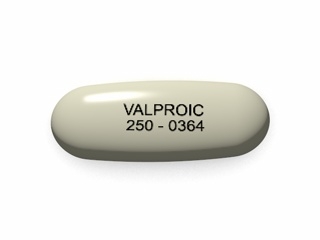

Valparin (Valproic Acid) — Patient-Friendly Guide (Australia)
Valparin is a brand name commonly used for medicines containing valproic acid (also known as sodium valproate or related valproate forms, depending on the exact product). Valproate medicines are used to treat certain seizure disorders and specific neurological and mood-related conditions. This guide explains how Valparin works, typical uses, how to take it safely, key interactions (including with alcohol and other medicines), and practical tips for day-to-day use.
Medication information can vary slightly depending on the exact formulation (for example, immediate-release versus modified/extended-release forms). Always follow the directions on your medicine label and the advice of your healthcare professional.
Quick product information
| Item | Details |
|---|---|
| Medicine name | Valparin (valproic acid/valproate) |
| Medicinal type | Antiepileptic (anti-seizure) medicine; also used for certain other conditions |
| How it works | Enhances inhibitory brain signalling (e.g., via GABA) and stabilises neuronal activity |
| Typical forms | Tablets, capsules, or modified-release options (varies by product) |
| Common dosing frequency | Usually once or more daily depending on formulation |
| Common monitoring | Blood levels, liver function tests, blood counts (as advised) |
How Valparin works (mechanism of action)
Valproic acid helps control abnormal electrical activity in the brain. While the precise mechanisms are complex, key actions include:
- Increasing inhibitory signalling in the brain: Valproate is believed to increase the effect of GABA (gamma-aminobutyric acid), a natural “brake” on nerve activity.
- Modifying neuronal firing: It may influence sodium and calcium channels, helping stabilise neuronal membranes.
- Reducing seizure spread: By dampening overactivity, it can help prevent seizures from escalating.
Over time, consistent dosing helps maintain steady levels in the body, which supports seizure control and other condition management.
Pharmacokinetics (how the body handles Valparin)
“Pharmacokinetics” describes absorption, distribution, metabolism, and elimination. Understanding these processes can help explain why dosing schedules matter and why some interactions are important.
Absorption
- Valproate is generally well absorbed after oral dosing, though the speed and shape of the response can differ by formulation (immediate-release vs modified/extended-release).
- Food may affect the rate of absorption, which is why timing instructions can vary between products.
Distribution
- Valproate binds to plasma proteins. In some circumstances (e.g., other medicines displacing binding), the “free” active drug fraction can change.
- It can cross into the brain and other tissues where it exerts its effects.
Metabolism
- Valproate is primarily metabolised by the liver.
- This is one reason liver function monitoring is important, and why liver-affecting medicines can be relevant.
Elimination
- Valproate and its metabolites are eliminated mainly through the kidneys.
- In kidney impairment, careful monitoring may still be needed, although liver function often has a bigger influence for valproate.
Half-life and steady state
Valproate has a half-life that can vary between people and formulations. With consistent dosing, levels typically reach steady state after several days. Changes in dose, formulation, or interacting medicines may require time to reflect fully in blood levels.
Typical uses and indications
Valparin is used for:
- Epilepsy/seizure disorders, including certain types of seizures (as determined by a clinician).
- Some neurological conditions where valproate may be appropriate in specific circumstances.
The exact indication depends on the individual, age, diagnosis, and the specific product/formulation. Your healthcare professional will determine whether valproate is suitable for you compared with alternatives.
How to take Valparin: timing and routines
Consistency is key. Many people do best when Valparin is taken at the same times each day. If you are switched between formulations (for example, to modified-release tablets), your dosing schedule may change.
General timing tips
- Take your doses at regular intervals to maintain stable levels.
- If you miss a dose, follow your healthcare professional’s advice or the medicine label instructions. Avoid taking extra doses to “catch up” unless advised.
- Do not stop suddenly—abrupt withdrawal may increase seizure risk.
With or without food?
Food can influence how quickly some forms are absorbed. In general:
- Many people can take valproate with or without food.
- If you experience nausea or stomach upset, taking it with food may help (unless your label advises otherwise).
- Keep your routine consistent: changing between “always with meals” and “sometimes on an empty stomach” may affect how your body responds.
If you are unsure about timing for your particular Valparin product, check the product information on your pack or ask your pharmacist.
Food interactions
There are no widely recognised food “do-not-combine” rules that apply to all valproate formulations. However, practical considerations include:
- Absorption rate: Taking with food can slow absorption for some people, which may reduce side effects like nausea.
- Stomach sensitivity: If you have a sensitive stomach, consistent meal timing can make side effects easier to manage.
If you take supplements or herbal products, mention them to your pharmacist because interactions may be medicine- or ingredient-specific.
Alcohol interactions
Alcohol can increase the risk of side effects with valproate, such as dizziness, drowsiness, poor coordination, and impaired thinking. Alcohol may also affect the liver and could worsen liver-related risks.
- It is generally best to avoid or minimise alcohol while taking Valparin.
- If you choose to drink, do so cautiously and monitor for excessive drowsiness or unsteadiness.
- Seek medical advice if you notice fatigue, yellowing of the eyes/skin, dark urine, severe abdominal pain, or unusual bruising.
For people with liver disease or a history of liver problems, alcohol should be avoided unless specifically cleared by a clinician.
Medicine interactions (important)
Valproate interacts with several medicines through liver enzyme effects, protein binding, and pharmacodynamic effects (additive side effects). Always tell your pharmacist and doctor about all medicines you take, including over-the-counter products and herbal remedies.
Medicines that may affect valproate levels
- Other anti-seizure medicines: Some can raise or lower valproate levels or change side-effect risk.
- Liver enzyme–affecting medicines: Certain drugs can alter metabolism, requiring dose adjustment and monitoring.
- Medicines affecting protein binding: These can alter the “free” active portion of valproate.
Medicines that may increase sedation
- Sedatives (including some anxiety or sleep medicines), certain pain medicines, and some antihistamines may add to drowsiness.
- Combining multiple “sleepy” medicines can increase risk of falls, driving impairment, and delayed reaction time.
Anticoagulants and bleeding risk
Valproate may affect clotting-related parameters in some people. If you take anticoagulants/antiplatelets, your clinician may monitor you more closely and advise on safe use.
Always check before starting or stopping
- Don’t start new medicines (including antibiotics, antifungals, and anti-nausea medicines) without checking interactions.
- If a dose change is made to any interacting medicine, valproate monitoring (including blood levels) may be needed.
Dosing: how valproate dosing is usually approached
Valproate dosing is personalised. The “right” dose depends on:
- Your diagnosis and seizure type (if epilepsy is being treated)
- Your age and body weight
- Whether you are starting treatment or switching from another medicine
- Your kidney and liver function
- Other medicines you take
- Your response and any side effects
Dosing is often started at a lower dose and increased gradually (titrated) to reduce side effects. Blood levels may be checked to help guide therapy, particularly in dose adjustments, pregnancy planning, or when interacting medicines are introduced.
Typical dose patterns (general information)
Doses vary widely. Common patterns include:
- Once or twice daily depending on formulation and clinician instructions.
- Gradual titration over days to weeks.
- Division of doses to improve tolerability if side effects occur.
For exact dosing instructions, use the directions on your medicine label or your healthcare professional’s plan.
If you miss a dose
General guidance:
- If you miss a dose and it is close to the next dose, skip the missed dose and continue with your next scheduled dose.
- If you are unsure, contact your pharmacist for advice tailored to your dosing schedule and formulation.
- Do not double up unless specifically instructed.
Safety profile: what to know
Like all medicines, Valparin can cause side effects. Many are mild and improve as your body adjusts, but some require prompt medical attention.
Common side effects
- Nausea or stomach discomfort
- Drowsiness, dizziness, tremor
- Changes in appetite or weight
- Headache
- Hair changes (in some people)
Serious side effects (seek urgent medical help)
Contact a doctor urgently or seek emergency care if you experience:
- Signs of liver problems: yellowing of the skin/eyes (jaundice), dark urine, severe abdominal pain, persistent vomiting, unusual tiredness
- Severe allergic reaction: swelling of the face/lips, difficulty breathing, widespread rash
- Unusual bleeding or bruising: nosebleeds, bleeding gums, blood in urine/stool
- Marked worsening of alertness: extreme drowsiness, confusion, fainting
- Suicidal thoughts or mood changes: new or worsening depression, agitation, or unusual behaviour
Important caution: liver and blood monitoring
Valproate is processed mainly by the liver and can affect blood components in some people. Your clinician may order:
- Blood tests (e.g., liver function tests and full blood counts) at baseline and periodically
- Valproate blood levels to ensure appropriate exposure and reduce risk of toxicity
Pregnancy and reproductive health (Australia guidance)
Valproate medicines have well-known risks for unborn babies when used during pregnancy, including increased risk of congenital malformations and neurodevelopmental problems. Because of these risks, valproate is subject to strict risk minimisation strategies in many countries, including Australia.
- Women who can become pregnant should discuss options urgently with their healthcare professional.
- Contraception and careful planning may be required if valproate is used.
- Never stop or change valproate suddenly without medical advice—seizures or other condition flare-ups can also be dangerous.
If pregnancy is possible or planned, ask for the most up-to-date information and ensure your care team discusses benefit-versus-risk and safer alternatives where appropriate.
Practical use tips for everyday life
- Use a routine: take it at the same times daily (e.g., with breakfast and dinner).
- Keep track: use a medication organiser or reminder app to reduce missed doses.
- Don’t crush or split unless your product specifically allows it. Some formulations are designed to release medication in a controlled way.
- Be cautious with driving: valproate can cause drowsiness or dizziness, especially when starting or when doses change.
- Attend monitoring appointments: blood tests help detect issues early.
- Tell your pharmacist about all products you take, including vitamins, herbal supplements, and “natural” sleep aids.
- Plan for illness: if vomiting/diarrhoea affects your ability to keep tablets down, contact your healthcare provider for advice.
Alternative options to discuss with your clinician
Depending on the condition being treated, there may be other options to consider. Alternatives are often chosen based on seizure type, previous response, side effects, age, and pregnancy-related risk.
Common categories of alternatives
- Other anti-seizure medicines (for epilepsy), such as levetiracetam, lamotrigine, carbamazepine, oxcarbazepine, and others—chosen case-by-case.
- Adjunctive or combination therapy: sometimes a second medicine is added if one is not sufficient.
- Non-medicine approaches for some people: lifestyle measures, sleep consistency, and in select cases specialist therapies.
- For mood/neurological indications, other medicines may be preferred depending on individual risk factors.
Switching medicines should only be done under clinical guidance. Abrupt changes may worsen symptoms or trigger seizures.
Market and legal context in Australia (overview)
In Australia, medicines containing valproate are regulated under the Therapeutic Goods Administration (TGA) and are subject to prescribing, supply, and safety requirements. Because valproate can cause serious fetal harm, Australian healthcare systems implement measures to reduce risk, particularly for people who could become pregnant.
Availability, prescribing practices, and safety requirements may vary by formulation and indication. Online pharmacies typically follow Australian legislative and pharmacy standards, including identity and supply requirements.
Recent guidance highlights generally focus on:
- Careful assessment of suitability and benefit-risk before use
- Ensuring appropriate patient counselling and risk minimisation where valproate is considered
- Close monitoring and documentation for ongoing therapy
If you’d like, check your pack or speak with a pharmacist for information specific to your Valparin product and your personal situation.
Delivery and availability (what to expect)
Valparin availability can vary by strength and formulation. Online pharmacies in Australia typically:
- Confirm product details (strength, formulation, quantity)
- Support accurate dispensing based on your prescription/medicine order details and pharmacy checks
- Offer delivery options depending on location, stock availability, and delivery schedules
- Provide tracking information when available
Stock and substitution
If a specific strength or formulation is temporarily unavailable, a pharmacy may discuss alternatives with you or your healthcare provider. To maintain seizure control and tolerability, switching between formulations (especially immediate-release vs modified/extended-release) may require medical advice and monitoring.
Storage
- Store in a cool, dry place away from direct sunlight.
- Keep out of reach of children.
- Check the packaging for specific storage instructions.
FAQ — Common questions about Valparin
1) What is Valparin used for?
Valparin (valproic acid/valproate) is used to treat certain seizure disorders and, in some situations, other neurological or mood-related conditions. The exact indication depends on your diagnosis and your healthcare professional’s plan.
2) How long does Valparin take to work?
Some effects may be noticed soon, but seizure control often improves gradually. Blood levels reach steady state after several days, and dose changes may take longer to fully show results. Your clinician may adjust your dose based on response and monitoring.
3) Can I take Valparin with food?
Many people can take valproate with or without food. If you get nausea, taking it with food may help. Keep your routine consistent and follow your specific product instructions.
4) What should I do if I miss a dose?
Generally, if you remember soon after but it is not close to the next dose, take it as directed. If it’s near the next dose, skip the missed dose. Do not double up unless your pharmacist or clinician advises it for your situation.
5) Is alcohol safe with Valparin?
Alcohol can increase side effects such as drowsiness and dizziness and may add risks to the liver. It’s usually best to avoid or minimise alcohol while taking Valparin and to speak with your pharmacist if you have concerns.
6) Are there special warnings for pregnancy?
Yes. Valproate can cause serious harm to an unborn baby. In Australia, additional risk minimisation steps and counselling are typically required. If pregnancy is possible or planned, discuss urgently with your healthcare professional.
7) What monitoring might I need?
Your clinician may arrange blood tests for liver function and full blood counts, and may check valproate blood levels—especially after starting, changing dose, or if interactions occur.
8) Can I stop Valparin suddenly?
Do not stop suddenly without medical advice. Abrupt withdrawal can worsen seizures or symptoms. If stopping is considered, tapering and planning are usually required.
9) What side effects are most common?
Common side effects include nausea, dizziness, drowsiness, tremor, and appetite/weight changes. Tell your pharmacist or doctor if side effects occur, especially if they are persistent or troublesome.
10) What should I do if I feel very unwell?
If you develop signs of liver problems (e.g., yellow skin/eyes, dark urine), severe rash or breathing difficulty, unusual bruising/bleeding, or marked confusion/extreme drowsiness, seek urgent medical care.
Important reminder
This information is intended to help you understand Valparin and how it is typically used. It does not replace personalised medical advice. If you have questions about your dose, interactions, side effects, or suitability for your situation, speak with a pharmacist or healthcare professional.