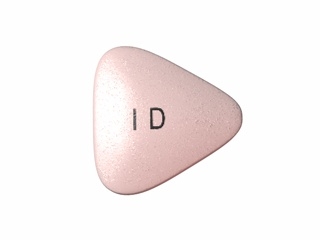

Voveran SR (Diclofenac) – Patient Guide (Australia)
Voveran SR is a brand of diclofenac formulated as a slow‑release (SR) medicine. Diclofenac belongs to the group of medicines called non‑steroidal anti‑inflammatory drugs (NSAIDs). It is commonly used to reduce pain, inflammation and swelling.
This page explains how Voveran SR works, what it’s used for, how to take it safely, and key safety information to help you get the best results. Always follow the instructions provided with your product and discuss questions with a pharmacist or doctor.
Basic product information
| Feature | What it means |
|---|---|
| Medicine | Voveran SR (diclofenac) |
| Drug group | NSAID (anti‑inflammatory pain relief) |
| Formulation | Slow‑release (SR) tablet/capsule (depending on presentation) |
| Common targets | Pain and inflammation (musculoskeletal and joint conditions) |
| How it’s taken | Swallowed whole with water; do not crush or split SR forms |
Note: Product strengths can vary by country and pack. Check the label on your specific brand and strength for exact details.
How Voveran SR works (mechanism of action)
Diclofenac reduces pain and inflammation by blocking enzymes known as cyclo‑oxygenases (COX‑1 and COX‑2). These enzymes are involved in producing prostaglandins—chemical messengers that contribute to:
- Pain sensitisation (heightened pain response)
- Inflammation (swelling, redness, heat)
- Fever (in some situations)
Because Voveran SR is slow‑release, diclofenac is released gradually over time to help maintain symptom relief.
Pharmacokinetics (how the body handles it)
While exact numbers can vary between individuals, the following describes the typical pattern for diclofenac in SR form.
- Absorption: After oral dosing, diclofenac is absorbed through the gastrointestinal tract.
- Slow release: The SR formulation helps provide more sustained drug levels, often allowing less frequent dosing than immediate‑release diclofenac.
- Distribution: Diclofenac distributes into body tissues, including sites of inflammation.
- Metabolism: The liver metabolises diclofenac.
- Excretion: Metabolites are eliminated primarily via the kidneys (urine) and to some extent via bile.
Why this matters: If you have liver or kidney problems, drug handling may change. NSAIDs can also affect kidney blood flow, so regular monitoring may be needed for some people.
Typical uses (indications)
Voveran SR is used to relieve pain and inflammation associated with a range of conditions, particularly where inflammation is a significant part of the symptoms, such as:
- Rheumatic and osteoarthritic disorders (e.g., joint pain and stiffness)
- Back pain and inflammatory musculoskeletal pain (as advised)
- Shoulder pain and other painful inflammatory conditions
- Soft tissue injuries and painful inflammatory conditions (short-term use where appropriate)
Your pharmacist can help explain whether diclofenac SR is suitable for your particular symptoms and whether an alternative NSAID or non‑NSAID option may be safer.
When to take it (timing) and how to use it
Voveran SR SR medicines are designed to release medication slowly. For best results and to reduce side effects, follow the dosing schedule on your label.
General timing tips
- Take at about the same time each day to maintain steadier drug levels.
- Swallow whole with water.
- Do not crush, split or chew SR formulations, as it can release diclofenac too quickly.
- Consistency with meals may improve stomach comfort (see Food interactions below).
Typical dosing frequency
Many SR diclofenac regimens are taken once or twice daily depending on the strength and local product instructions. Always follow the exact directions provided for your specific pack and strength.
Food interactions: can you take it with meals?
Food may help reduce stomach upset for many people.
- Taking with or after food may lessen irritation of the stomach.
- Avoid taking on an empty stomach if you have a sensitive stomach or a history of gastric problems.
While the medicine may still work if taken without food, taking with food is often the more comfortable option for the gastrointestinal tract. If you notice nausea, stomach burning, indigestion, or abdominal pain, speak with a pharmacist for tailored advice.
Alcohol and medicine interactions
Alcohol
It is generally advisable to limit alcohol while taking NSAIDs such as diclofenac. Alcohol can increase the risk of stomach irritation and bleeding and may also worsen dizziness or drowsiness in some people.
- Best approach: avoid heavy drinking.
- If you drink regularly: ask a pharmacist whether your level of risk is higher.
Medicine interactions (important)
Diclofenac can interact with other medicines. Tell your pharmacist about all medicines you use, including over‑the‑counter products and supplements. Common interaction concerns include:
- Other NSAIDs (e.g., ibuprofen, naproxen, aspirin used as pain relief): increases bleeding and stomach ulcer risk.
- Anticoagulants (e.g., warfarin) and antiplatelet agents (e.g., clopidogrel): can increase bleeding risk.
- SSRIs/SNRIs (some antidepressants): may increase gastrointestinal bleeding risk when combined with NSAIDs.
- Blood pressure medicines, including ACE inhibitors and ARBs: NSAIDs can reduce kidney protection and affect blood pressure control.
- Diuretics (water tablets): combined with NSAIDs may increase risk of kidney effects.
- Lithium: diclofenac may raise lithium levels (risk of toxicity).
- Methotrexate: may increase methotrexate levels and related toxicity.
- Corticosteroids (e.g., prednisone): increases stomach ulcer/bleeding risk.
- Digoxin: NSAIDs can increase digoxin levels in some cases.
- Diabetes medicines (some types): NSAIDs may affect glucose control in some individuals.
Tip: Keep an up‑to‑date list of your medicines and show it to your pharmacist before starting diclofenac SR. If you start a new medication while taking Voveran SR, recheck interaction risk.
Dosing (how much and how often)
The correct dose depends on the condition being treated, your age, your kidney/liver health, other medicines you take, and your risk factors. Always follow the dose directions on your pack or the advice given by a health professional.
General dosing principles
- Use the lowest effective dose for the shortest necessary time.
- Do not exceed the maximum daily dose listed for your product strength.
- Review regularly: if symptoms persist, it’s better to reassess treatment than to keep increasing NSAID exposure.
Example approach (not a substitute for your label)
Many SR formulations are taken once or twice daily, with the exact schedule differing by product strength. Check your Voveran SR pack for the exact directions.
Missing a dose: If you miss a dose, take it when you remember unless it’s close to your next dose. Do not take a double dose to make up for the missed one.
Safety profile: who should be cautious?
Like other NSAIDs, diclofenac can cause side effects. The main concerns relate to the gastrointestinal tract (stomach irritation/ulcers), the kidneys, the heart and blood vessels, and allergic reactions.
Common side effects
- Indigestion, heartburn, nausea
- Stomach discomfort
- Mild dizziness or headache
Serious side effects—seek urgent help if you notice
- Signs of stomach bleeding: black/tarry stools, vomiting blood or material that looks like coffee grounds
- Severe allergic reactions: swelling of face/lips, wheezing, severe rash, difficulty breathing
- Chest pain, shortness of breath, weakness on one side of the body (possible cardiovascular or stroke warning signs)
- Reduced urine, swelling in legs/ankles, or severe persistent abdominal pain (possible kidney or fluid balance issues)
- Yellowing of skin/eyes (possible liver problems)
People who should be cautious (or ask first)
Talk to a pharmacist or doctor before using diclofenac SR if you have any of the following:
- A history of stomach ulcers or gastrointestinal bleeding
- Heart disease, previous stroke or high cardiovascular risk
- Kidney disease or dehydration
- Liver disease
- Asthma triggered by NSAIDs
- Pregnancy (particularly later pregnancy—NSAIDs may be unsuitable)
- You are aged 65 years or older (risk of side effects may be higher)
If you’re unsure about your risk factors, a pharmacist can help you choose the safest option and dosing strategy.
Practical use tips for best results
- Start low and reassess: If you’re using diclofenac SR for a flare-up, reassess after a short period. If you’re not improving, seek guidance rather than continuing indefinitely.
- Protect your stomach: Consider taking with food; avoid combining with other NSAIDs.
- Stay hydrated: Dehydration increases kidney stress with NSAIDs—especially during hot weather or illness.
- Use other measures alongside medicine: gentle heat/cold, appropriate activity, physiotherapy, stretching, and posture changes can reduce reliance on medication.
- Read labels carefully: Avoid taking overlapping products (e.g., cold and flu medicines that contain NSAIDs).
- Keep track: Note symptom improvement and any side effects to share with your pharmacist or doctor.
Alternative options (depending on your condition and risk)
If diclofenac SR isn’t suitable—or if you want to reduce NSAID exposure—there may be alternatives. Options can include:
Non‑NSAID pain relief
- Paracetamol (acetaminophen) for pain relief (not anti‑inflammatory)
Other NSAIDs
- Some people may use a different NSAID (e.g., ibuprofen or naproxen). However, the same broad safety concerns apply across NSAIDs, and some people should still avoid the class.
Topical treatments
- Topical NSAIDs (such as diclofenac gel where available) may be helpful for some localised joint or muscle pain, with lower systemic exposure than oral tablets.
Non‑drug approaches
- Exercise therapy, physiotherapy, weight management (if relevant), improved ergonomics, and strengthening programs
- Heat/cold therapy
Your pharmacist can help you compare options based on your symptoms, age, past medical history and other medicines.
Market and legal context in Australia (high-level)
In Australia, diclofenac-containing medicines may be available in different forms and strengths, depending on formulation and risk. Access rules can vary across products and states/territories, and supply may be influenced by:
- Whether the product is registered for specific indications
- Whether it is listed as an over-the-counter item or requires professional oversight
- Safety monitoring requirements for higher-strength or higher-risk medicines
Online pharmacies in Australia operate under applicable consumer and pharmaceutical regulations, including product authenticity, storage requirements and delivery standards. If you’re ordering Voveran SR online, ensure the product name, strength and formulation match what you intend to take.
Recent guidance and safety messaging (general)
Healthcare guidance across many countries—including Australia—continues to emphasise that NSAIDs should be used:
- At the lowest effective dose
- For the shortest possible duration
- With attention to cardiovascular, stomach and kidney risk factors
- Without combining multiple NSAIDs unless a clinician advises otherwise
If you have risk factors (such as prior ulcers, heart disease, kidney impairment, or use of anticoagulants), discuss options with a pharmacist. They may suggest the safest dose schedule, timing with food, or an alternative treatment strategy.
Delivery and availability (online pharmacy)
Availability may depend on the strength, tablet form, and current stock levels. Most online pharmacies aim to provide:
- Product verification (correct brand, strength and dosage form)
- Safe packaging to protect tablets/capsules during transit
- Timely dispatch based on your location
- Clear delivery estimates at checkout
For the best experience:
- Check whether you need to be available for delivery
- Store tablets according to the label (usually at room temperature, away from moisture and heat)
- Keep the carton or box until you finish the course, for reference
FAQ
1) What is Voveran SR used for?
Voveran SR (diclofenac) is used to relieve pain and inflammation associated with conditions such as joint and musculoskeletal disorders, and certain inflammatory pains as advised. The best choice depends on your symptoms and risk factors.
2) How quickly does it start working?
Many people notice pain relief within hours. SR formulations may provide steadier relief over a longer period compared with immediate‑release forms. If there’s no improvement, or symptoms worsen, seek advice.
3) Can I take it on an empty stomach?
You may be able to, but taking diclofenac SR with or after food is often more comfortable and may reduce stomach upset. If you experience indigestion or burning, prioritise taking with food and speak with a pharmacist.
4) Should I take it with other painkillers?
Avoid combining with other NSAIDs (for example ibuprofen or naproxen). If you need additional relief, paracetamol is sometimes used, but confirm what’s suitable for you—especially if you have liver disease or other medical conditions.
5) What should I do if I miss a dose?
Take it when you remember unless it is close to your next dose. Do not take a double dose.
6) Can I drink alcohol while using Voveran SR?
It’s best to limit alcohol. Alcohol can increase the risk of stomach irritation and bleeding and may worsen side effects.
7) Are there people who should not use diclofenac SR?
Some people should avoid NSAIDs or use them only with careful professional advice—particularly those with history of stomach ulcers/bleeding, NSAID-triggered asthma, significant kidney disease, certain heart conditions, or during later pregnancy. If you’re unsure, ask a pharmacist.
8) Can I take it if I’m on blood thinners?
NSAIDs can increase bleeding risk when combined with anticoagulants or antiplatelet medicines. Do not start or change treatment without checking your specific medicine list with a pharmacist.
9) Does Voveran SR affect driving or operating machinery?
Some people may feel dizziness or headache. If you experience any impairing effects, avoid driving or operating machinery until you know how you react.
10) What if I get stomach pain or heartburn?
Mild indigestion can occur, but persistent or severe stomach pain, vomiting, or black/tarry stools can be serious. Stop and seek urgent medical advice if you suspect bleeding. A pharmacist can also help you consider protective strategies or alternative treatments.
When to seek urgent help
Get urgent medical advice if you experience signs of serious allergic reaction (swelling, breathing difficulty), possible gastrointestinal bleeding (black stools or blood in vomit), chest pain or shortness of breath, or symptoms suggesting liver or kidney problems (yellowing skin/eyes, reduced urination, severe persistent pain).
If you’d like, tell us the reason you’re considering Voveran SR (e.g., osteoarthritis flare, back pain, muscle injury) and your age and relevant medical history. A pharmacist can help you choose the most suitable option and dosing approach for your situation.