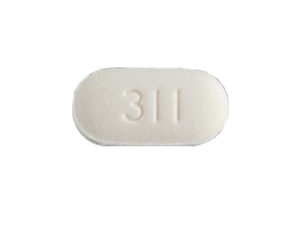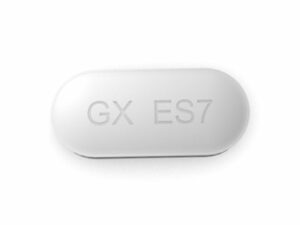


Xifaxan (Rifaximin) – Patient Information (Australia)
Xifaxan is a brand of rifaximin, an antibiotic medicine used for certain gut-related conditions. It works locally in the intestines and is designed to have minimal absorption into the bloodstream.
This guide is written to help you understand how rifaximin works, when it may be used, what to expect, and how to take it safely. Always follow the instructions provided with your medicine and ask a healthcare professional if anything is unclear.
1) Basic product information
Active ingredient: Rifaximin
Brand name: Xifaxan
Medicine type: Antibiotic (gut-selective)
How it is supplied (typical): Tablets (strength varies by product/pack). Your pharmacist or product carton will confirm the exact strength and dosing schedule.
Where it acts: Primarily in the gastrointestinal tract (especially the small intestine and colon, depending on the condition being treated).
2) Mechanism of action (how it works)
Rifaximin belongs to the rifamycin class of antibiotics. It works by interfering with bacterial DNA production:
- Inhibition of bacterial RNA synthesis: Rifaximin binds to bacterial RNA polymerase, preventing transcription.
- Targeted activity in the gut: Because rifaximin has low systemic absorption, it concentrates its effect in the digestive tract.
- Helps reduce abnormal intestinal bacteria activity: This can help improve symptoms related to bacterial overgrowth and certain types of diarrhoea.
Rifaximin is not intended for all infections. Its role is specific to certain gastrointestinal indications.
3) Pharmacokinetics (what happens in the body)
- Absorption: Generally low. Most of the drug stays in the gut lumen.
- Distribution: Limited systemic distribution due to minimal absorption.
- Metabolism: Little systemic metabolism is expected because systemic exposure is low.
- Elimination: Predominantly via faecal excretion (through the intestine).
Because systemic levels are typically low, many patients experience fewer whole-body antibiotic effects than with antibiotics that are more extensively absorbed.
4) Typical uses and indications
In practice, rifaximin may be used for gastrointestinal conditions where bacterial activity in the gut plays a role. Indications can vary by local clinical guidance and product approvals.
Common clinical indications
- Hepatic encephalopathy (HE): Often used to reduce episodes by decreasing gut-derived toxins that affect brain function.
- Travellers’ diarrhoea: In selected cases, depending on local recommendations and susceptibility patterns.
- Other gut conditions (as directed by healthcare professionals): In some settings, rifaximin may be used for diarrhoea related to specific bacterial causes.
Important: Use should be based on the exact indication for your prescription and the advice of a clinician. Not all diarrhoea is bacterial, and rifaximin is not a treatment for viral infections.
5) Timing: when to take Xifaxan
Follow the specific schedule provided for your condition. Many regimens are taken two or three times daily, but your exact frequency and duration depend on the indication.
- Try to take doses at evenly spaced times (for example, morning/evening or morning/noon/evening).
- If you miss a dose: Take it when you remember unless it is close to the next dose. Do not double up.
- Complete the course as directed, even if symptoms improve early.
6) Food interactions and what to eat
Many patients can take rifaximin with or without food. However, taking it with food may improve comfort and may help if you experience mild stomach upset.
General practical guidance:
- Consistency helps: Take each dose the same way each day (either always with meals or always on an empty stomach), unless your clinician advises otherwise.
- Gastrointestinal symptoms: If you’re dealing with active diarrhoea, focus on hydration and follow dietary advice from your healthcare professional (including oral rehydration solutions if recommended).
If you have questions about how to take it with your usual meals or specific diets, ask your pharmacist.
7) Alcohol and medicine interactions
Alcohol
There is no universal “safe/unsafe” rule for alcohol with rifaximin across all patients, but alcohol can:
- Worsen dehydration if you have diarrhoea
- Increase stress on the liver (particularly relevant if you take rifaximin for hepatic encephalopathy or if you have liver disease)
- Interfere with overall recovery and symptom control
Practical advice: It’s best to avoid alcohol during treatment and discuss alcohol intake with your healthcare professional, especially if you have liver-related conditions.
Medicine interactions (general)
Rifaximin has low systemic absorption, which may reduce the likelihood of many interactions. Still, interactions can occur—particularly with medicines that affect gut movement or the gastrointestinal environment.
Tell your healthcare professional about all medicines you take, including:
- Prescribed medicines
- Over-the-counter products (including antacids, antidiarrhoeals, herbal remedies)
- Supplements
- Medicines for liver conditions or encephalopathy
If you are taking several medications, your pharmacist can check for interaction risks using up-to-date resources.
8) Dosing (typical approach)
Dosing depends on the condition being treated and your individual medical situation. Below are common dosing patterns used clinically; exact dosing for your situation should be confirmed with your product label and healthcare professional.
| Indication (example) | Typical adult dosing pattern* | Duration* |
|---|---|---|
| Hepatic encephalopathy | Often taken multiple times daily (commonly two to three daily doses) | May be ongoing or repeated courses depending on response and clinician plan |
| Travellers’ diarrhoea (selected cases) | Multiple daily doses (commonly 3 times daily) | Usually a short course (commonly about 3 days, depending on guidance) |
| Other GI bacterial-related conditions | Varies by diagnosis and local protocols | Varies |
*Dosing schedules shown are illustrative patterns. Your exact regimen (strength, frequency, and duration) must follow the instructions on your pack and the advice of your clinician.
9) Safety profile: what to watch for
Like all antibiotics, rifaximin can cause side effects. Many people tolerate it well, but you should know what symptoms may require medical advice.
Common side effects
- Nausea or mild stomach discomfort
- Headache
- Abdominal pain or bloating
- Fatigue
- Changes in bowel habits (especially when treating diarrhoea-related conditions)
Less common but important reactions
- Allergic reactions (rash, itching, swelling, difficulty breathing)
- Severe diarrhoea that persists or worsens (seek advice promptly)
When to seek urgent help
Get urgent medical care if you experience:
- Swelling of the face/lips/tongue, wheezing, or trouble breathing
- Severe or persistent diarrhoea, especially with fever or blood in stool
- Signs of dehydration (dizziness, very dark urine, fainting)
- Confusion or worsening mental state (important if treating hepatic encephalopathy)
10) Practical use tips (making treatment easier)
- Use a dosing reminder: Set phone alarms to match your schedule.
- Hydrate appropriately: If you have diarrhoea, focus on fluid intake (oral rehydration solution can be helpful).
- Track symptoms: Note improvements (frequency of bowel movements, stool consistency, abdominal discomfort) and any side effects.
- Avoid stopping early: Completing the prescribed course improves the chance of treatment success.
- Maintain good hygiene: Hand washing is important if you’re treating infectious diarrhoea risk.
- Don’t share medicine: Rifaximin is not suitable for every person or every cause of diarrhoea.
11) Alternative options (discuss with your healthcare professional)
Alternatives depend on the diagnosis. A clinician may consider:
- Other antibiotics used for specific bacterial causes of diarrhoea or other GI infections (choice depends on local resistance patterns and your allergy history).
- Supportive care such as oral rehydration, dietary adjustments, and symptom relief for mild-to-moderate diarrhoea.
- For hepatic encephalopathy: other management strategies and medicines aimed at reducing toxin production/absorption (such as lactulose-based regimens in many settings).
- Non-antibiotic approaches when symptoms are not likely to be driven by bacteria (for example, addressing triggers, ruling out inflammatory conditions, or evaluating for non-infectious causes).
Because the best option depends heavily on the underlying cause, speak to your healthcare professional for personalised recommendations.
12) Market and legal context for Australia
In Australia, access to medicines depends on classification and local regulatory requirements. Product availability and dispensing rules can vary by:
- Therapeutic Goods Administration (TGA) approvals and listing status
- Medicine classification (for example, prescription-only medicines versus pharmacist-only availability)
- Clinical indication and current guidelines
Availability online can differ between brands, pack sizes, and supply channels. If a medicine is restricted, your online pharmacy will follow Australian requirements for appropriate supply and patient safety checks.
Note: This website information is general and does not replace medical advice.
13) Recent guidance and clinical considerations
Recommendations for rifaximin use may evolve as new clinical evidence and antimicrobial stewardship guidance become available. Key themes in modern GI care include:
- Confirming the likely cause: Antibiotics are most effective when bacterial causes are suspected or confirmed.
- Antimicrobial stewardship: Using the correct antibiotic for the correct duration helps reduce resistance and side effects.
- Monitoring response: If diarrhoea persists beyond a few days, worsens, or includes blood/fever, further medical assessment is important.
- Encephalopathy safety: For hepatic encephalopathy, ongoing monitoring for mental status changes is essential, alongside adherence to the full treatment plan.
Your healthcare professional may adjust the regimen based on severity, risk factors, and local protocols.
14) Delivery, availability, and how to order online (Australia)
Availability and delivery options depend on stock status and your location. Typical online pharmacy processes include:
- Stock confirmation: The pharmacy checks inventory and product details (including strength and expiry).
- Secure packaging: Tablets are supplied in protective packaging as per standard practice.
- Shipping timelines: Delivery estimates depend on courier services and local postal areas.
- Tracking: Many orders provide tracking information.
If you need delivery to a remote area or have time-critical requirements (e.g., before travel), contact the pharmacy to confirm dispatch and transit times.
15) Xifaxan FAQ
How quickly does Xifaxan (rifaximin) work?
For gastrointestinal conditions, some people notice symptom improvement within 24–72 hours. The timing depends on the condition being treated and the cause of symptoms.
Can I take Xifaxan with food?
Many people can take rifaximin with or without food. For comfort and consistency, follow your dosing instructions and maintain a similar routine each day. If your clinician advised a specific approach, follow that advice.
What if my diarrhoea gets worse during treatment?
Contact a healthcare professional if diarrhoea worsens, becomes severe, lasts longer than expected, or you develop fever or blood in your stool. Dehydration can become serious quickly.
Is rifaximin effective for all types of diarrhoea?
No. Rifaximin is used for selected indications where bacterial activity is suspected or confirmed. Viral diarrhoea and many non-infectious causes will not respond to antibiotics.
Can I drink alcohol while taking rifaximin?
Alcohol is generally best avoided during treatment. If you have liver-related conditions or hepatic encephalopathy, discuss alcohol intake with your healthcare professional.
Are there long-term risks if rifaximin is used repeatedly?
Repeated or prolonged antibiotic use can raise concerns such as side effects and effects on gut flora. Your clinician may weigh benefits versus risks and monitor you as needed.
What should I do if I miss a dose?
Take it when you remember unless it is close to the next dose. Do not double the dose. If you’re unsure, ask your pharmacist.
Who should be extra careful when using rifaximin?
If you have significant liver disease, a history of antibiotic-related allergic reactions, severe ongoing gastrointestinal symptoms, or you’re taking multiple medicines, you should seek personalised advice from a healthcare professional.
Does rifaximin affect driving or operating machinery?
Most patients do not experience impairment. However, if you feel unwell, dizzy, or have any change in alertness—especially relevant to hepatic encephalopathy—avoid driving and seek medical advice.
Can I take other medicines at the same time?
Many medicines can be taken with rifaximin, but it’s important to disclose all medicines and supplements to your pharmacist or clinician to check for any potential interactions.
Summary
Xifaxan (rifaximin) is a gut-focused antibiotic used for specific gastrointestinal conditions. It works by inhibiting bacterial RNA synthesis, with low systemic absorption. If you’re using it for an indicated condition, take it according to the dosing schedule, maintain hydration if you have diarrhoea, and contact a clinician promptly if you experience concerning symptoms such as severe diarrhoea, allergic reactions, or worsening confusion.
For personalised guidance, consult your healthcare professional or pharmacist.