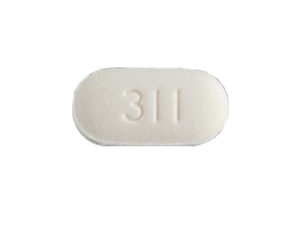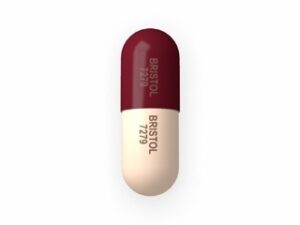


Rifaximin (e.g., Rifaximin 200 mg Tablets) – Patient Information (Australia)
Rifaximin is an antibiotic medicine used to treat certain intestinal conditions. It is designed to act mainly within the gut, with very low absorption into the bloodstream. This means it can help reduce harmful bacteria in the intestines while limiting whole-body exposure.
This information is intended to help you understand how rifaximin works, when it’s typically used, and what to consider for safe use. Always follow the instructions provided with your medicine and consult a healthcare professional if you have questions—especially if you have liver disease, bowel conditions, or you’re taking other medicines.
Basic product information
| Topic | Details |
|---|---|
| Generic name | Rifaximin |
| Medicine type | Antibiotic (non-systemic / gut-directed) |
| Where it acts | Primarily in the gastrointestinal tract (minimal systemic absorption) |
| Common strengths | Examples include 200 mg tablets (brand and strength may vary) |
| Common route | Oral (by mouth) |
| Typical prescription duration | Often 3–14 days depending on the condition and local guidance |
| Brand availability | Availability depends on supplier and local regulatory listings |
How rifaximin works (mechanism of action)
Rifaximin belongs to the rifamycin class of antibiotics. It works by inhibiting bacterial DNA synthesis. More specifically, it targets the bacterial enzyme DNA-dependent RNA polymerase, which reduces the bacteria’s ability to replicate and produce essential proteins.
Because rifaximin is poorly absorbed from the gut, it concentrates in intestinal tissues and the intestinal lumen. This local effect is one reason it can be used for certain gut-focused infections and conditions while limiting extensive exposure throughout the body.
Important notes about effectiveness
- Rifaximin is effective against susceptible bacteria and is not intended for viral illnesses.
- Your clinician may choose it based on the likely cause of symptoms, severity, and prior treatment history.
- Not all diarrhoea or intestinal symptoms are bacterial, and unnecessary antibiotic use can be harmful.
Pharmacokinetics (how the body handles rifaximin)
Pharmacokinetics describes what the body does with a medicine. For rifaximin:
- Absorption: Very low systemic absorption. Most of the medicine stays within the gastrointestinal tract.
- Distribution: Limited distribution beyond the gut due to low absorption.
- Metabolism: Minimal systemic metabolism because absorption is low.
- Excretion: Predominantly through the faeces (gut elimination), with low amounts expected in urine.
These features contribute to a lower risk of systemic side effects compared with antibiotics that are fully absorbed and widely distributed.
Typical uses and indications
Rifaximin is used for specific gastrointestinal conditions. Indications may vary by product registration and clinical guidelines in Australia. Common uses include:
Common indications
- Hepatic encephalopathy (a condition related to liver disease that can affect thinking and alertness). Rifaximin is often used to reduce recurrence in appropriate patients.
- Travellers’ diarrhoea caused by susceptible bacteria (symptom-driven, based on severity and clinical assessment).
- Small intestinal bacterial overgrowth (SIBO) (used in selected cases where clinically indicated).
- Other bowel conditions where gut bacteria contribute to symptoms may be considered by healthcare professionals depending on local guidance and individual patient factors.
If you’re unsure whether rifaximin is appropriate for your symptoms, it’s best to speak with a healthcare professional. Many causes of diarrhoea (e.g., viruses) won’t improve with antibiotics.
Timing and how to take rifaximin
The exact dosing schedule depends on the reason you’re taking rifaximin and the product instructions. Below are patient-friendly general timing principles.
General timing principles
- Try to take it at the same times each day to maintain consistent antibacterial activity in the gut.
- Space doses evenly if multiple times per day are recommended.
- Complete the full course even if symptoms improve early (unless advised otherwise by your clinician).
Do you need to take it with food?
Food interactions are usually limited. Many patients can take rifaximin with or without food. However, product-specific instructions can differ by formulation. If the medicine label or consumer medicine information (CMI) says “take with food,” follow that advice.
If you experience nausea or stomach upset, taking rifaximin with a light meal may improve comfort.
Food interactions
Rifaximin is largely not absorbed systemically, and major food interactions are generally not a major concern for many patients.
- General approach: You can usually take rifaximin with water and either with or without meals.
- Consistency helps: If you choose to take it with meals, try to do so consistently across the course.
- Watch for intolerance: If certain foods worsen diarrhoea or stomach cramps, avoid triggers while you’re treating symptoms.
If you are also taking antacids or other gut-active medicines, ask a pharmacist whether any timing adjustments are needed for your specific regimen.
Alcohol interactions and lifestyle considerations
Rifaximin is not typically associated with a direct “disulfiram-like” reaction (as some other medicines can). However, alcohol can worsen digestive symptoms and may affect liver health—especially important if rifaximin is being used for hepatic encephalopathy or other liver-related issues.
Practical guidance
- Avoid or minimise alcohol during treatment, particularly if you have liver disease.
- Hydrate well if you’re dealing with diarrhoea.
- If alcohol triggers symptom flare-ups, it’s sensible to avoid it until you’ve completed the course.
If you drink alcohol regularly or have liver problems, discuss with your healthcare professional what level of alcohol is safe for your situation.
Medicine interactions (important)
Because rifaximin is minimally absorbed, the likelihood of systemic drug-drug interactions is generally lower than with many other antibiotics. Still, interactions can occur indirectly—especially through effects on the gut environment, or if other medicines influence intestinal function.
Medicines to discuss with your healthcare professional
- Other antibiotics: combining antibiotics may be inappropriate unless specifically advised.
- Medications used for severe diarrhoea (antimotility agents): in some infections, suppressing bowel movement can be risky. Ask your pharmacist or doctor before using them.
- Liver-related medicines: if you take medications for liver conditions, your clinician may monitor you more closely.
- Oral contraceptives: for most antibiotics, contraceptive effectiveness is usually not significantly reduced. However, severe diarrhoea or vomiting can reduce absorption of oral contraceptives. If you have ongoing diarrhoea/vomiting, consider extra contraception and seek advice.
Always provide your pharmacist with a list of your current medicines, including over-the-counter products and supplements.
Dosing guidance (general information)
Doses vary depending on the indication and local clinical practice. The information below is educational and not a substitute for the instructions provided with your product.
Common dosing patterns (examples)
- Travellers’ diarrhoea: treatment courses are often short (commonly around 3 days, depending on clinical guidance and the specific product regimen).
- Hepatic encephalopathy: dosing regimens can be different and may be used to prevent recurrence. Course length may be longer than for diarrhoea.
- SIBO: regimens vary; treatment duration can be longer and may be tailored based on response.
If you have been given a specific dosing schedule, follow that exactly. Do not adjust the number of tablets or the duration without medical advice.
If you miss a dose
- Take it as soon as you remember if it is close to your next scheduled dose.
- If it’s nearly time for the next dose, skip the missed dose and continue your regular schedule.
- Do not double up to catch up unless a healthcare professional tells you to.
Safety profile and side effects
Like all medicines, rifaximin can cause side effects. Many people tolerate it well, particularly because systemic absorption is low. However, you should be aware of potential reactions.
Common side effects
- Nausea
- Abdominal discomfort or cramps
- Constipation or diarrhoea (depending on baseline bowel symptoms)
- Headache
- Flatulence (gas)
Less common but important side effects
- Allergic reactions such as rash, itching, swelling, or hives
- Severe or persistent diarrhoea (especially watery or bloody)
- Signs of dehydration (dizziness, very dry mouth, reduced urination)
Seek urgent medical help if
- You have signs of anaphylaxis (difficulty breathing, swelling of face/lips, severe dizziness)
- You develop severe watery diarrhoea, blood in stools, or fever
- You experience worsening confusion or sleepiness (particularly important for hepatic encephalopathy)
Antibiotic-associated considerations
Antibiotics can sometimes cause changes in gut bacteria that may lead to antibiotic-associated diarrhoea in some people. If diarrhoea becomes severe, persistent, or includes blood, contact a healthcare professional promptly.
Practical use tips (make treatment easier)
- Keep hydrated: especially if you have diarrhoea. Oral rehydration solutions can help replace salts and fluids.
- Track symptoms: note stool frequency, abdominal pain, fever, and any improvement. This can help clinicians assess response.
- Maintain gentle diet: during acute diarrhoea, bland foods and small meals may be easier to tolerate.
- Don’t use it for the wrong cause: antibiotics won’t treat viral gastroenteritis.
- Complete the course: finishing your prescribed regimen reduces the chance that symptoms return.
- Avoid sharing: don’t use leftover rifaximin or share it with others.
Alternative options
Alternative treatments depend on the specific condition rifaximin is being used for, the likely cause, and your medical history. Some alternatives may include:
For travellers’ diarrhoea
- Supportive care (oral rehydration, dietary adjustments)
- Other antibiotics when appropriate and based on suspected pathogens/resistance patterns
- Symptom management options may be considered depending on the situation (especially if fever or blood is present)
For hepatic encephalopathy
- Lactulose or other therapies used to reduce ammonia levels (selected by clinicians)
- Assessment of precipitating factors (e.g., infection, constipation, dehydration, certain medications)
For SIBO
- Other antibiotics used in gut-directed regimens (chosen case-by-case)
- Dietary approaches and evaluation of underlying causes (e.g., motility disorders)
A healthcare professional can advise which option is most appropriate based on symptoms, duration, severity, and diagnosis.
Rifaximin in Australia: market, regulatory and legal context
In Australia, availability and classification of medicines are regulated under the Therapeutic Goods Administration (TGA) framework and medicines legislation. Products containing rifaximin may be available depending on registration status, brand, strength, and prescribing/dispensing requirements under Australian rules.
- Medicine classification: rifaximin-containing products may be supplied under specific regulatory categories and dispensing rules.
- Quality and safety: approved products must meet TGA requirements for manufacturing, quality and supply.
- Consultation: Australian healthcare services emphasise appropriate antibiotic use and diagnosis-based treatment.
Guidance for antibiotic use can also be influenced by local antimicrobial stewardship recommendations from public health and clinical bodies. This helps ensure rifaximin and other antibiotics are used appropriately to reduce resistance risks.
Recent guidance (general themes)
While specific updates depend on ongoing TGA or professional society communications, recent Australian-focused guidance commonly reinforces:
- Right patient, right indication—use antibiotics only when bacterial infection or bacterial contribution is likely.
- Appropriate duration—shortest effective course to reduce side effects and resistance.
- Monitoring—review response; escalate care if symptoms worsen or complications occur.
Delivery and availability
Availability of rifaximin products can vary by brand, stock levels, and the dispensing processes used by pharmacies. When ordering online from an Australian pharmacy, your experience may include:
- Stock confirmation: availability is often confirmed after an order is placed.
- Packaging: medicine is supplied in original packaging where required.
- Delivery timeframes: depend on your location and the pharmacy’s dispatch schedule.
- Tracking: some deliveries provide tracking details.
If your order is time-sensitive (for example, when travelling), consider checking delivery estimates early and discussing options with the pharmacy.
Storage
Store rifaximin tablets according to the instructions on the carton and label. In general:
- Keep in a dry place.
- Store at room temperature unless otherwise stated.
- Keep out of reach of children.
- Do not use after the expiry date.
FAQ
1. What is rifaximin used for?
Rifaximin is used for specific gastrointestinal conditions, such as hepatic encephalopathy (often to reduce recurrence), travellers’ diarrhoea caused by susceptible bacteria, and selected cases of small intestinal bacterial overgrowth (SIBO), depending on clinical assessment and product/regional guidance.
2. How quickly does rifaximin work?
Some people notice improvement within days, especially for diarrhoea-related symptoms. Response time depends on the underlying cause, severity, and whether the symptoms are due to bacteria susceptible to rifaximin. If you don’t improve within the expected timeframe, seek advice.
3. Can I take rifaximin with food?
Many patients can take rifaximin with or without food. However, follow the instructions on your product label or CMI. If you find it upsets your stomach, taking it with food may help.
4. Is rifaximin safe for people with liver disease?
Rifaximin is often used in liver-related conditions (such as hepatic encephalopathy), but your safety depends on your overall health, severity of liver disease, and other medicines you take. Discuss your medical history with a healthcare professional.
5. Does rifaximin interact with alcohol?
There is usually no direct “treating alcohol” type interaction, but alcohol can worsen digestive symptoms and may be unsafe in some liver conditions. It’s generally wise to avoid or limit alcohol during treatment—especially if you have liver disease.
6. Can rifaximin cause diarrhoea?
It can, but diarrhoea could also be part of the condition you’re treating. If diarrhoea becomes severe, persistent, watery, or bloody—or if you develop fever—contact a healthcare professional promptly.
7. What should I do if I miss a dose?
Take it when you remember unless it’s close to your next dose. Do not double up. If you’re unsure, ask a pharmacist for advice based on your schedule.
8. Are there alternatives to rifaximin?
Yes—alternatives depend on the condition. For example, supportive care and other targeted therapies may be used for travellers’ diarrhoea, lactulose-based approaches for hepatic encephalopathy, and different treatment strategies for SIBO. A clinician can guide the best option for your situation.
9. Who should not take rifaximin?
People with a known allergy to rifaximin or other rifamycin antibiotics should avoid it. If you have previously experienced hypersensitivity reactions to similar medicines, consult a healthcare professional before using rifaximin.
10. When should I seek medical help?
Seek prompt advice if symptoms worsen, you develop fever, blood in stool, severe dehydration, or significant confusion (particularly in liver disease). For urgent symptoms such as difficulty breathing or swelling, seek emergency care.
Disclaimer: This page provides general patient information about rifaximin. It does not replace advice from a healthcare professional. If you have concerns about symptoms, dosing, side effects, or interactions, speak with a pharmacist or doctor.