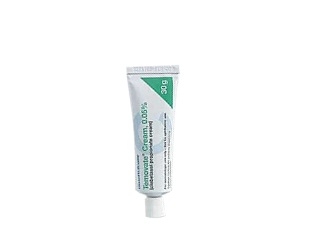
Temovate (Clobetasol) – Patient Guide (Australia)
Temovate contains clobetasol propionate, a very strong (high‑potency) topical corticosteroid used to treat certain inflammatory skin conditions. This guide is written to help you understand how Temovate works, how it is typically used, what to expect, and important safety information for safe use in Australia.
Note: Use Temovate exactly as directed by your healthcare professional or the instructions provided with your product. Because clobetasol is potent, careful use and short treatment courses are important.
Basic product information
| Feature | What it means for you |
|---|---|
| Medicine | Temovate (clobetasol propionate) topical corticosteroid |
| Strength / potency | Very high potency (“super‑potent”) topical steroid |
| Common forms | Cream, ointment, and sometimes other topical presentations (availability may vary) |
| Who it’s for | Adults and selected children only under specialist/medical guidance (children require extra caution) |
| Where it’s applied | Skin only (not for eyes, inside nose/mouth, or genital mucosa unless specifically directed) |
| How long it’s used | Typically short courses, with careful step‑down or review once symptoms improve |
How Temovate works (mechanism of action)
Clobetasol is a corticosteroid that reduces inflammation and calms overactive immune responses in the skin.
- Anti‑inflammatory action: helps reduce swelling, redness, and irritation.
- Anti‑itch effect: reduces the itch associated with inflammatory skin flare‑ups.
- Immune modulation: decreases immune activity that contributes to chronic inflammation in conditions like eczema and psoriasis (when appropriate).
Because clobetasol is very potent, it can bring rapid improvement in many inflammatory rashes—but it also carries a higher risk of side effects if used too often, too long, or on sensitive areas.
Pharmacokinetics (how the body handles it)
Understanding absorption helps explain why careful application is essential.
- Absorption through skin: Topical corticosteroids can be absorbed more when applied to damaged skin, inflamed areas, with thick skin folds, or when covered with occlusive dressings (e.g., airtight bandages).
- Effect of treatment area: Larger areas or higher frequency use increases the amount absorbed.
- Systemic exposure: In some cases, especially with high doses, extensive skin coverage, long duration, young children, or under occlusion, the drug may enter the bloodstream at levels sufficient to affect the body.
- Metabolism and elimination: Like other corticosteroids, clobetasol is metabolised primarily by the liver and excreted mainly through the kidneys.
Practical takeaway: Avoid using more than recommended, and avoid covering treated areas unless your prescriber specifically instructs you to.
Typical uses in practice (what it’s used for)
Temovate is used for inflammatory skin conditions that require a very strong topical steroid, especially when less potent treatments are not effective.
Common indications may include:
- Severe eczema/dermatitis (including certain flare‑ups)
- Psoriasis (selected forms and areas, under medical guidance)
- Other steroid‑responsive inflammatory skin disorders as assessed by a clinician
Important: Temovate is intended for skin inflammation. It should not be used for undiagnosed rashes without appropriate assessment, particularly because some conditions (such as infections) can worsen with steroid use.
When to apply it (timing & treatment course)
Typical usage involves applying a thin layer to the affected area and leaving it uncovered unless directed otherwise.
- Frequency: Often once or twice daily depending on severity and prescriber instructions.
- Expected response: Many people notice improvement within several days. If there is no improvement after a short period, speak with your healthcare professional before continuing.
- Duration: High‑potency steroids are usually used for a limited period, then stepped down to a lower potency product or stopped, based on symptoms and medical review.
Tip: If your skin improves, don’t automatically continue. The goal is the lowest effective potency for the shortest time.
Food interactions
Because Temovate is a topical medicine with minimal systemic absorption when used correctly, food interactions are not expected.
However, if you are using Temovate on a large body area, under occlusion, or for prolonged periods, increased systemic absorption is possible. In that case, your healthcare professional may advise additional precautions.
Alcohol and medicine interactions
Alcohol interactions: There are no well‑established direct interactions between alcohol and clobetasol topical treatment. Still, alcohol can worsen skin conditions indirectly by affecting sleep, hydration, and inflammation in some people.
Medicine interactions (overall): Systemic interactions are less likely with properly used topical corticosteroids. That said, interactions may become relevant if clobetasol is absorbed significantly (for example, with extensive use, prolonged courses, or occlusion).
- Other corticosteroids: Using another steroid (topical or systemic) at the same time may increase corticosteroid exposure.
- Immunosuppressive medicines: If you are taking immunosuppressants, any increased systemic corticosteroid absorption could be more significant—discuss with your clinician.
- Vaccination or infections: If immunosuppression is a concern, your clinician may advise timing of vaccines or monitoring.
Infections to watch for: If the treated area becomes more painful, develops pus, spreads quickly, or develops fever, stop and seek medical advice promptly—especially if you suspect a fungal, bacterial, or viral infection.
Indications (what conditions it may treat)
Temovate is indicated for steroid‑responsive inflammatory dermatoses that are severe enough to require a very potent topical steroid.
Common clinically recognised indications include:
- Severe eczema flare‑ups where inflammation is significant
- Psoriasis in appropriate circumstances (commonly plaques, and when guided by a clinician)
- Other inflammatory skin conditions diagnosed by a healthcare professional and responsive to corticosteroids
Avoid using on certain skin problems unless your clinician has advised it:
- Unexplained rashes of unknown cause
- Suspected fungal infections (e.g., ringworm), unless combined with appropriate antifungal therapy
- Viral skin conditions (e.g., herpes) in untreated form
- Areas with bacterial infection without appropriate treatment
- Acne, rosacea, or perioral dermatitis (steroids can worsen some of these)
Dosing (how much to use)
Because Temovate strength is high, dosing is typically described as a thin layer applied to affected skin. Your prescriber will specify frequency and maximum duration for your condition.
Common practical dosing approach (adult use)
- Apply: a thin film to the affected area.
- Frequency: often once or twice daily initially.
- Review: if symptoms do not improve quickly, seek medical advice rather than extending use.
How to estimate the right amount (the fingertip unit method)
Many clinicians use the fingertip unit (FTU) to help apply an appropriate amount:
- One fingertip unit (amount squeezed along the length of an adult fingertip) is roughly enough to treat an area about the size of two adult palms.
- The exact amount varies with body part, thickness of skin, and severity.
Important: For sensitive areas (face, eyelids, groin, underarms, skin folds), the required amount and duration are usually much smaller, and Temovate may not be appropriate unless specifically instructed.
Children
Children can absorb topical steroids more readily. Use in children should only occur under strict medical guidance with careful monitoring, conservative duration, and appropriate potency.
Safety profile (possible side effects and warnings)
Temovate can be very effective, but because it is super‑potent, the safety profile depends strongly on how much, how often, where, and how long you apply it.
Common local side effects
- Skin irritation, burning, or stinging
- Dryness or increased sensitivity
- Folliculitis (small inflamed spots)
- Skin thinning (atrophy) with ongoing or overuse
Serious or less common effects (seek medical advice)
- Striae (stretch marks)
- Telangiectasia (visible small blood vessels)
- Rebound flare when stopping abruptly after prolonged use
- Worsening or masking of infection (steroid can hide symptoms)
Potential effects from absorption (rare with correct use)
With extensive use, prolonged courses, occlusion, or application to large areas, topical corticosteroids can be absorbed enough to affect the body. This may include:
- Suppression of the adrenal glands
- Effects related to systemic corticosteroid exposure (risk is higher with high potency and large surface area)
When to stop and get help urgently
- The rash rapidly worsens, spreads, or becomes very painful
- You notice signs of infection: pus, honey‑coloured crusts, fever, or rapidly increasing redness
- Eye symptoms occur if it accidentally reaches the eye (pain, blurred vision)
- You’re using it on children and concerns about growth or hormone effects arise—discuss immediately
Practical use tips (how to apply safely)
Apply correctly
- Wash hands before and after applying.
- Clean and dry the affected area.
- Apply a thin layer to the affected skin only.
- Gently rub in—avoid vigorous massage.
Use with dressings (occlusion)
- Do not cover the treated area with airtight dressings unless your clinician specifically instructs you.
- Occlusion can increase absorption and side effects.
Avoid sensitive areas
- Be cautious with face, eyelids, groin, armpits, and skin folds. These areas are more prone to steroid side effects.
Don’t use longer than recommended
- Once symptoms improve, consider stepping down to a less potent option if advised.
- For persistent symptoms, reassessment is important.
Moisturiser strategy
For many steroid-responsive conditions, moisturisers help reduce flare frequency and improve skin barrier function.
- Apply moisturiser at other times of day (for example, between steroid doses), unless your clinician instructs otherwise.
Alternative options (other ways to manage flare-ups)
Alternatives depend on the condition, severity, body area, and your history of infections or skin sensitivity. Options your clinician may consider include:
- Lower potency topical corticosteroids (step‑down therapy after improvement)
- Non‑steroid anti‑inflammatory creams/ointments (e.g., topical calcineurin inhibitors, depending on indication)
- Emollients/moisturisers as ongoing maintenance
- Phototherapy (for certain psoriasis or chronic eczema cases)
- Systemic therapies (for severe cases under specialist care)
If you are using Temovate for psoriasis or eczema, it’s worth discussing a maintenance plan to reduce reliance on very potent steroids.
Market and legal context for Australia
In Australia, topical corticosteroids like clobetasol are regulated under medicines legislation and may be supplied with directions depending on formulation and strength. Supply may be restricted based on product scheduling and clinical criteria, and pharmacists may request additional information to support appropriate use.
Availability online: Australian online pharmacies may carry Temovate depending on product form and market listing. Supply is subject to product availability, storage, and compliance with local regulations.
Pharmacist role: Pharmacists help ensure that the medicine is suitable for your condition, confirm correct strength/form, and provide safety guidance—especially important for high‑potency steroids.
Recent guidance and best-practice considerations
Clinical best practice continues to emphasise:
- Short courses for very potent topical steroids
- Stepping down to lower potency treatments when symptoms improve
- Careful use on face and skin folds due to higher risk of thinning and other local effects
- Reassessment if symptoms don’t improve as expected, to rule out misdiagnosis or infection
- Using emollients and skin barrier support to reduce flare frequency
If you’re unsure whether your rash is the right condition to treat with a high‑potency steroid, seek medical advice.
Delivery and availability (Australia)
Online medicine availability depends on the specific Temovate product (cream vs ointment) and current stock levels. Typical delivery and service features you may expect from an Australian online pharmacy include:
- Pack sizes may vary by product listing.
- Dispatch times depend on order cutoff times and local courier schedules.
- Cold chain is usually not required for topical corticosteroids unless otherwise stated on the packaging.
When ordering, review product strength and form carefully, and ensure the quantity you purchase aligns with the treatment course you plan to follow.
FAQ: Temovate (Clobetasol)
1) Is Temovate safe to use?
When used correctly—thin layer, correct frequency, appropriate body area, and limited duration—Temovate can be safe and effective. Because it is very potent, it should not be used longer or on larger areas than advised. If you experience worsening symptoms, signs of infection, or severe irritation, contact a healthcare professional.
2) How quickly should my skin improve?
Many people notice improvement within a few days. If there is no meaningful improvement in a short time, don’t keep extending use—seek advice to confirm the diagnosis and treatment plan.
3) Can I use it on my face?
Face skin is more prone to side effects such as thinning and changes in pigmentation. Temovate may not be suitable for many facial rashes. If your clinician has recommended it for a specific condition, follow their instructions carefully and use the smallest effective amount for the shortest time.
4) Should I stop immediately once it looks better?
Often, treatment is continued only until symptoms settle, then stopped or stepped down. Don’t abruptly continue indefinitely. A step‑down plan may reduce rebound flare risk. If unsure, ask your clinician or pharmacist.
5) Can I cover the treated area with bandages?
Avoid airtight occlusion unless specifically directed. Occlusion can increase absorption and side effects. Loose, non‑airtight dressings may be advised for some conditions, but confirm the safest approach with your healthcare professional.
6) What should I do if I miss a dose?
If you miss an application, apply it when you remember unless it is close to the next dose. Do not apply extra to make up for a missed dose.
7) Can Temovate be used with moisturisers?
Yes, in many cases. A common approach is to apply moisturiser on the non‑steroid times of day. If your clinician has provided specific instructions, follow those.
8) Will using Temovate cause skin thinning?
Skin thinning is a risk with high‑potency steroids, especially with frequent or prolonged use, or on sensitive areas. Using the correct amount, short duration, and step‑down therapy helps reduce this risk.
9) Can Temovate worsen an infection?
Yes. Steroids can mask infection symptoms and may worsen conditions if used when an infection is present. Seek advice if you notice increasing redness, pain, pus, or rapid spread.
10) Is there an alcohol interaction?
No direct interaction is expected with topical clobetasol when used as directed. However, if alcohol triggers or worsens your skin condition, consider limiting intake and maintaining skin care routines.
Need help choosing the right product? If you’re uncertain whether Temovate is appropriate for your rash, or which formulation (cream vs ointment) fits your condition, speak to a pharmacist or healthcare professional for guidance.