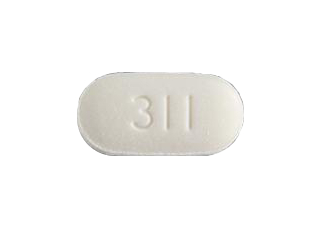
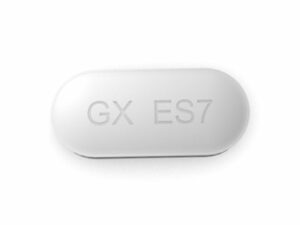
Cefixime (Cefixime Tablets / Oral Suspension) — Patient Information (Australia)
Cefixime is an antibiotic medicine used to treat certain bacterial infections. This page explains how cefixime works, how it is taken, what to expect, and important safety information. It is written for patients and carers in Australia to support safe and informed use.
Note: Antibiotics only work against bacteria. They do not treat viral infections such as the common cold or influenza.
At a Glance
- Medicine name: Cefixime
- Type: Cephalosporin antibiotic (oral)
- Common forms: Tablets and oral suspension (depending on brand/strength)
- How it works: Stops bacteria from building their protective cell walls
- Typical timing: Usually once daily or divided doses depending on the condition and strength
- Key safety considerations: Allergies to cephalosporins/penicillins, diarrhoea, kidney function, interactions
Basic Product Information
| Feature | Information |
|---|---|
| Active ingredient | Cefixime |
| Medicine class | Cephalosporin (third generation), beta-lactam antibiotic |
| Common routes | Oral (tablets or oral suspension) |
| Typical dosing interval | Often once daily or as divided doses (see dosing section) |
| Food | Can usually be taken with or without food |
How Cefixime Works (Mechanism of Action)
Cefixime is a beta-lactam antibiotic. It targets bacterial cell-wall construction by binding to penicillin-binding proteins (PBPs). Without a properly formed cell wall, bacteria cannot grow or multiply effectively and may be destroyed by the body’s natural defences.
Cefixime is most effective against susceptible bacteria. If a bacteria is resistant, the medicine may not work.
Pharmacokinetics (Absorption, Distribution, Metabolism, Excretion)
Pharmacokinetics describes how the body absorbs, processes, and clears cefixime.
- Absorption: Cefixime is absorbed after oral administration. Food may slightly delay absorption, but overall absorption is generally not reduced in a clinically important way.
- Distribution: Cefixime distributes into body fluids and tissues to help reach sites of infection.
- Metabolism: Cefixime is not extensively metabolised.
- Excretion: It is primarily eliminated via the kidneys in urine.
Why this matters: People with reduced kidney function may need dose adjustment or extra monitoring to avoid higher than intended drug levels.
What Cefixime Is Used For (Typical Use and Indications)
Cefixime is used for specific suspected or confirmed bacterial infections where it is appropriate. Indications may vary depending on local prescribing practices and antibiotic guidelines.
Common indications include:
- Uncomplicated urinary tract infections (UTIs) (where cefixime is considered suitable)
- Some respiratory tract infections caused by susceptible bacteria (for example, certain ear/throat infections depending on local guidance)
- Gonorrhoea (in some clinical scenarios, as part of recommended regimens and based on current Australian guidance and resistance patterns)
Important: Always use cefixime only for infections it is intended to treat. If symptoms do not improve, worsen, or new symptoms appear, seek medical review promptly.
Timing and How to Take Cefixime
Follow the dosing instructions provided with your product or by your healthcare professional. General principles include:
- Try to take it at the same time each day to maintain steady levels.
- Complete the full course even if you feel better—unless your clinician advises stopping.
- If you miss a dose: Take it when you remember unless it is close to the next dose. Do not take a double dose.
With or Without Food
Cefixime can usually be taken with or without food. Taking it with food may reduce stomach upset for some people.
Once Daily vs Divided Doses
Cefixime regimens may differ based on the infection, severity, and patient factors (such as age and kidney function). Your dosing schedule will reflect the product strength and your condition.
Food Interactions and Dietary Considerations
Food generally does not significantly reduce cefixime effectiveness. However, these practical points may help:
- Probiotics / yoghurt: Not required, but may help some people manage antibiotic-associated diarrhoea.
- Staying hydrated: Especially if you experience loose stools or reduced appetite.
- Separate from certain supplements: If you take iron, magnesium, or antacids, spacing may be advised for some antibiotics—check the specific instructions or ask a pharmacist.
Alcohol and Medicine Interactions
Alcohol
For many patients, moderate alcohol is not expected to directly “cancel out” cefixime. However, alcohol can irritate the stomach, worsen dehydration, and may increase side effects such as nausea or diarrhoea—particularly while you are unwell.
Best approach: Limit or avoid alcohol during treatment, especially if you have nausea, diarrhoea, or kidney problems.
Medicine Interactions
Cefixime can interact with certain medicines, mainly by affecting kidney clearance or altering how other drugs behave in the body.
- Probenecid: May affect cefixime excretion and increase levels.
- Warfarin or other blood thinners: Antibiotics can increase bleeding risk by affecting gut bacteria and vitamin K balance. Your INR/bleeding risk may need monitoring.
- Kidney-affecting medicines: If you take medicines that affect kidney function, monitoring may be needed.
Always tell your pharmacist about all medicines you take, including over-the-counter products, vitamins, herbal supplements, and recent antibiotics.
Dosing Information (General Guidance)
Dosing must be individualised. The information below is general and not a substitute for product-specific instructions from a healthcare professional.
Adults: Doses vary by infection type and severity and may be given once daily or split into two daily doses.
Children: Pediatric dosing is typically based on weight and the specific infection. Oral suspension dosing requires accurate measurement.
Common dosing patterns (example ranges)
- Once daily regimens: Often used in adults and some children for certain infections.
- Twice daily regimens: Sometimes used where split dosing improves tolerance or fits clinical practice.
Important: Because product strengths (for tablets and suspensions) can differ, you should rely on the exact dose recommended for your condition and product concentration.
Safety Profile: Who Should Be Careful and What to Watch For
Most people tolerate cefixime well, but like all medicines it can cause side effects. Seek prompt medical advice if you experience severe or concerning symptoms.
Common side effects
- Diarrhoea (mild to moderate)
- Nausea or stomach discomfort
- Headache
- Skin rash (mild rashes can occur)
Serious side effects (get urgent help)
- Signs of an allergic reaction:
- Swelling of the face, lips, tongue, or throat
- Difficulty breathing or wheezing
- Severe rash or blistering skin
- Severe or persistent diarrhoea, especially if watery or bloody, or accompanied by fever and abdominal pain
- Severe skin reactions (rare but serious)
- Yellowing of the skin/eyes or dark urine (possible liver involvement)
Allergy considerations
If you have ever had an allergic reaction to cephalosporins (like cefixime) or severe reactions to penicillins, discuss this with a healthcare professional. Cephalosporin and penicillin allergies can sometimes overlap, though risk varies.
Kidney health
Because cefixime is cleared mainly by the kidneys, people with kidney impairment may require dose adjustments or monitoring. If you have kidney disease, tell your pharmacist or clinician.
Practical Use Tips for Better Outcomes
- Use an accurate dosing device for suspensions. Ask your pharmacist for a dosing syringe or measuring spoon.
- Shake the suspension well (if required by the product instructions) before each dose.
- Store properly: follow label instructions for temperature and storage after reconstitution (if applicable).
- Complete the course: stopping early can contribute to treatment failure or relapse.
- Track symptoms: if you do not improve after a reasonable period (often within 48–72 hours, depending on the infection), seek medical review.
- Hydrate if you have nausea or diarrhoea.
Managing mild gastrointestinal side effects
If you get mild stomach upset, taking cefixime with food may help. If diarrhoea occurs, focus on hydration. Avoid anti-diarrhoeal medicines unless advised—especially if diarrhoea is severe or contains blood.
When to Seek Medical Review
Contact a healthcare professional if you experience:
- No improvement in symptoms within 48–72 hours after starting cefixime (or sooner if symptoms worsen)
- High fever, severe pain, or worsening infection signs
- Rash, swelling, breathing difficulty, or symptoms of allergy
- Severe diarrhoea, dehydration, or signs of blood in stool
- New symptoms after starting the medicine
Alternative Options (Discuss With a Pharmacist or Doctor)
“Best” antibiotic choice depends on the infection, the likely bacteria, local resistance patterns, allergy history, kidney function, and severity. Alternatives to cefixime may include:
- Other cephalosporins (depending on the condition and bacterial susceptibility)
- Penicillins or penicillin-related options (only if appropriate for the bacteria and allergy status)
- Macrolides (for selected respiratory infections when suitable)
- Other antibiotic classes for UTIs or specific sexually transmissible infections where recommended
Why alternatives matter: Inappropriate antibiotic selection increases the risk of resistance and treatment failure. If you’ve had recent antibiotics or treatment failure, it is particularly important to review the plan.
Antibiotic Stewardship and Recent Guidance (Australia)
In Australia, antibiotic prescribing is guided by national and local recommendations aimed at improving outcomes and reducing resistance. Key themes include:
- Use antibiotics only when needed and when a bacterial infection is likely.
- Choose the narrowest effective antibiotic based on likely bacteria and susceptibility.
- Review therapy if there is no response within an expected timeframe.
- Follow local guidance for specific conditions (e.g., UTIs, respiratory infections, and sexually transmissible infections).
Practical takeaway: Cefixime may be appropriate for certain infections, but the right choice depends on the clinical scenario and current guidance. If you are being treated for a condition where antibiotic resistance is common, clinicians may request culture tests or follow updated local recommendations.
Market and Legal Context for Australia (Availability and Use)
In Australia, medicines are regulated by the Therapeutic Goods Administration (TGA) and are supplied under rules designed to support safe access and proper use.
- Cefixime products are generally available through pharmacy supply channels in line with Australian scheduling and consumer protection requirements.
- Appropriate use includes correct indication, dose, and duration to avoid resistance and complications.
Online pharmacy availability: Availability can vary by brand and formulation. When ordering online, ensure you select the correct strength and form (tablet vs suspension) as listed on the product page.
Delivery and Availability (What to Expect)
Online pharmacies in Australia typically offer:
- Standard and express delivery options depending on your location
- Secure packaging to protect tablets or suspensions during transit
- Tracking for many orders
Availability timing: Stock can change due to demand and supply chain considerations. If a specific strength (e.g., a particular tablet strength or suspension concentration) is not available immediately, the pharmacy may offer alternatives such as another formulation or brand with the same active ingredient.
FAQ: Common Questions About Cefixime
1) How soon will cefixime start working?
Some improvement is often seen within 48–72 hours of starting treatment, depending on the infection. If symptoms are not improving or are worsening, seek medical review.
2) Can I take cefixime with food?
Yes. Cefixime can generally be taken with or without food. Taking it with food may help reduce nausea or stomach upset.
3) What if I miss a dose?
Take the missed dose when you remember unless it is close to the next dose. Do not take a double dose to make up for a missed one.
4) Is cefixime safe during breastfeeding or pregnancy?
Suitability in pregnancy and breastfeeding depends on individual factors and clinical judgement. Discuss your situation with a healthcare professional before starting.
5) Can I drink alcohol while taking cefixime?
Moderate alcohol is not expected to directly neutralise cefixime, but alcohol can worsen nausea or diarrhoea and slow recovery. Avoid or limit alcohol during illness and antibiotic treatment.
6) Will cefixime treat viral infections like colds?
No. Cefixime treats bacterial infections. For viral illnesses, antibiotics do not help.
7) What should I do if I get diarrhoea?
Mild diarrhoea can occur. Drink fluids. Seek urgent medical advice if diarrhoea is severe, watery, persistent, or contains blood, or if you have fever and abdominal pain.
8) Can cefixime be used for urinary tract infections?
It may be used for certain UTIs when cefixime is considered suitable. The best antibiotic depends on local resistance patterns, symptoms, and any past cultures or treatment history.
9) Are there any medicines I should avoid?
Tell your pharmacist about all medications—especially blood thinners like warfarin, medicines affecting kidney function, and probenecid. They can advise on interaction risk and monitoring.
10) What if I have an allergy to penicillin?
Some people with penicillin allergy can react to cephalosporins. It does not always happen, but you should disclose your allergy history so an appropriate assessment can be made.
Summary
Cefixime is an oral cephalosporin antibiotic used for selected bacterial infections. It works by stopping bacteria from forming a protective cell wall. For best results, take it consistently at the recommended times, with or without food, and complete the full course. Pay attention to safety—especially allergy symptoms and severe diarrhoea—and seek medical review if symptoms do not improve within the expected timeframe.
If you have questions about how to take cefixime, whether it is suitable for your situation, or possible interactions with your current medicines, speak with a pharmacist or healthcare professional.