


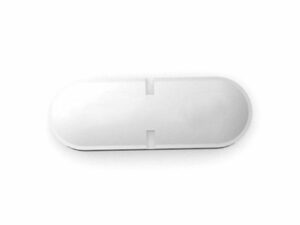
Flagyl (Metronidazole) – Patient Guide (Australia)
Flagyl is a medicine containing metronidazole, used to treat infections caused by certain bacteria and parasites. It works by damaging the genetic material of susceptible germs, helping your body clear the infection.
This guide explains how Flagyl works, how it’s used, common timing and food considerations, important drug interactions (including alcohol), and practical tips to help you take it safely. It is written for general information and does not replace advice from your healthcare professional.
Quick product information
| Item | Details |
|---|---|
| Active ingredient | Metronidazole |
| Brand example | Flagyl |
| Medicine type | Antibacterial/antiprotozoal (active against specific anaerobic bacteria and certain parasites) |
| Common forms | Tablets and other metronidazole formulations may be available depending on brand and local supply |
| How it’s taken | By mouth (oral) |
| Typical schedule | Often two to three times daily depending on indication |
| Key safety note | Avoid alcohol during treatment and for a period after finishing (see alcohol section) |
How Flagyl works (mechanism of action)
Metronidazole is effective mainly against anaerobic bacteria (organisms that grow without oxygen) and certain parasites. The exact effect varies by organism, but in general:
- Inside susceptible germs, metronidazole is converted into reactive compounds.
- These reactive compounds damage DNA (genetic material).
- DNA damage stops the organisms from multiplying and helps clear the infection.
Important: Metronidazole is not effective against many typical aerobic bacteria. That’s why it’s commonly chosen for specific infections where anaerobic bacteria or certain parasites are likely involved.
Pharmacokinetics (what the body does to the medicine)
Pharmacokinetics describes how metronidazole is absorbed, distributed, metabolised, and removed from the body.
- Absorption: Metronidazole is generally well absorbed after oral dosing.
- Distribution: It distributes into body tissues, including sites where anaerobic infection or certain protozoal infections occur. It can reach meaningful levels in body fluids.
- Metabolism: Metronidazole is metabolised in the liver.
- Elimination: Metabolites and a portion of drug are excreted mainly via the kidneys (urine). Some elimination may also occur via other routes.
- Half-life: The elimination half-life is typically several hours, which is why multiple daily doses are common for many regimens.
Your exact dosing interval and duration depend on the infection type, severity, and your personal medical circumstances.
What it’s used for (typical uses and indications)
Flagyl/metronidazole may be used to treat infections caused by anaerobic bacteria and certain parasites. Depending on local clinical practice and your diagnosis, it may be prescribed for conditions such as:
- Anaerobic bacterial infections, including infections where bacteria thrive without oxygen (for example, certain dental, abdominal, or pelvic infections—depending on assessment).
- Trichomoniasis (a sexually transmitted infection caused by a parasite).
- Bacterial vaginosis (imbalance of vaginal bacteria; metronidazole is one of the options used).
- Giardiasis (a parasite infection in the gut).
- Amoebiasis (infection due to Entamoeba species; including intestinal disease and sometimes liver involvement—depending on specialist guidance).
- Other targeted anaerobic infections where metronidazole is an appropriate choice based on culture results or likely organisms.
Note: Indications can differ between guidelines and individual cases. Always follow the instructions provided for your specific condition.
How to take Flagyl (timing and dosing guidance)
Correct timing improves treatment success and reduces side effects. Your dose and schedule depend on:
- the infection you’re treating
- your age and weight (especially in children)
- kidney and liver function
- whether you’re taking other medicines
- how severe the infection is
Typical timing
- Take it at evenly spaced times to maintain consistent medicine levels.
- If your regimen is twice daily, aim for morning and evening doses roughly 12 hours apart.
- If three times daily, aim for doses morning, afternoon, and evening roughly 8 hours apart.
With or without food?
Many people find metronidazole easier on the stomach when taken with food. Food can reduce nausea. If your specific product instructions say it can be taken with or without food, choose what helps you tolerate it.
How long to take it
Even if you feel better after a few doses, finish the full course unless your clinician advises otherwise. Stopping early can allow the infection to return or worsen.
Missed dose
- If you miss a dose, take it as soon as you remember.
- If it’s close to your next scheduled dose, skip the missed dose and continue as usual.
- Do not take a double dose to make up for a missed one.
Overdose
If you believe too much has been taken, seek urgent medical advice or contact the Poisons Information Centre (Australia: 13 11 26) for guidance.
Food interactions and stomach comfort
Metronidazole has no common “must avoid” food list for most patients. However, food can affect how you feel while taking it:
- Nausea and upset stomach: Taking doses with meals or snacks may help.
- Alcohol-containing foods/drinks: Avoid alcohol completely during treatment (see below).
If you notice persistent nausea, vomiting, or diarrhoea, discuss it with a healthcare professional, especially if symptoms are severe or ongoing.
Alcohol and medicine interactions (very important)
Avoid alcohol while taking Flagyl and for a period after finishing. Metronidazole can cause an unpleasant reaction when alcohol is taken, sometimes described as “disulfiram-like” effects.
What to avoid
- Alcoholic drinks (beer, wine, spirits, cocktails)
- Alcohol-containing products (some cough syrups, tonics, and some mouthwashes may contain alcohol)
- Home-brew or “low alcohol” drinks if you’re unsure—err on the safe side
Possible alcohol-related symptoms
These can include:
- flushing
- nausea or vomiting
- headache
- stomach cramps
- fast heartbeat or dizziness
Other medicine interaction considerations
Metronidazole can interact with certain medicines. Tell your healthcare provider or pharmacist if you take:
- Warfarin and other blood thinners (may increase bleeding risk by affecting blood clotting).
- Lithium (may affect lithium levels—monitoring may be needed).
- Some seizure medicines (e.g., enzyme inducers can alter metronidazole levels).
- Disulfiram (used for alcohol dependence; combination can increase risk of side effects).
- Other medicines metabolised through the liver (interaction potential depends on the specific medicine).
Always check for interactions with your pharmacist or clinician, especially if you’re on long-term treatment.
Safety profile and common side effects
Like all medicines, metronidazole can cause side effects. Many are mild and improve as your body adjusts, but some require prompt medical attention.
Common side effects
- Nausea
- Metallic taste or altered taste
- Headache
- Stomach discomfort, abdominal pain, or loss of appetite
- Dizziness
- Diarrhoea (sometimes)
Less common but important side effects
Seek medical advice if you experience:
- Allergic symptoms (rash, swelling of face/lips, difficulty breathing)
- Severe or persistent diarrhoea or signs of dehydration
- Severe abdominal pain or fever
- Unusual numbness, tingling, or nerve symptoms (rare but important)
- Yellowing of the skin/eyes or dark urine (possible liver effects—contact a clinician promptly)
During treatment: what to watch for
- Metronidazole may cause dark urine in some people. This can be harmless, but if you’re concerned or also have pain or fever, contact your healthcare provider.
- It may cause dizziness in some individuals. Use caution with driving or operating machinery if you feel unsteady.
- Longer courses can increase the risk of certain side effects—follow the prescribed duration.
Who should use caution
Discuss your suitability with a healthcare professional if you have:
- Severe liver disease (metabolism may be affected)
- History of blood disorders or unusual blood counts
- Neurological conditions or previous nerve problems
- Any past allergic reaction to metronidazole or similar medicines
Practical use tips (to improve comfort and results)
- Take with food if nauseous: A meal or snack may reduce stomach upset.
- Stay hydrated: Helpful if you experience mild stomach effects.
- Finish the course: Completing treatment helps prevent relapse and reduces resistance risk.
- Avoid alcohol: It’s important for safety and to prevent unpleasant reactions.
- Don’t skip doses: If you miss a dose, follow missed-dose guidance above.
- Keep a simple schedule: Use a phone reminder to support timely dosing.
- Contraception and infection considerations: If used for sexually transmitted infections, partners may need evaluation/treatment—follow local public health advice.
- Track symptoms: Note improvement after starting; if symptoms worsen or don’t improve, contact your clinician.
Alternative options (depending on the condition)
The best alternative depends on the specific infection being treated and your individual health history. Metronidazole is often chosen for anaerobic organisms or certain parasites. Depending on diagnosis, options may include:
- Other antiprotozoal/antibiotic agents used for specific parasites or bacterial patterns (examples vary by condition).
- Topical or different oral treatments for localised infections (for example, depending on whether treatment is vaginal/skin related).
- Supportive care where appropriate (such as pain relief, hydration, or monitoring), alongside targeted antimicrobial therapy.
Your healthcare professional may choose alternatives based on:
- your diagnosis and likely pathogens
- allergies and past side effects
- pregnancy/breastfeeding considerations
- other medications and interaction risk
Do not switch medicines without medical advice, especially for infections that may require a specific regimen.
Market and legal context for Australia (overview)
In Australia, medicines are classified by the Therapeutic Goods Administration (TGA) and must be supplied in accordance with Australian regulatory requirements. Medicines may be available:
- with prescriber authority when required, or
- as pharmacist-only or over-the-counter items when permitted for the appropriate product category.
Availability of a specific brand, strength, and pack size can vary by distribution channels and supply updates. Online pharmacies may request certain information to comply with Australian standards for safe supply. If a medicine requires clinician involvement, your pharmacy will follow applicable processes before dispensing.
Good antibiotic practice: Australia has strong antibiotic stewardship guidance. It’s important to use metronidazole only when it’s appropriate for the infection type and to follow the full course as directed.
Recent guidance and awareness points
Clinical guidance evolves as new evidence emerges. Common themes in up-to-date practice include:
- Right medicine for the right bug: Metronidazole is used for specific anaerobic bacteria and parasites, not for all infections.
- Adherence matters: Completing the full course and taking doses at correct intervals improves outcomes.
- Alcohol avoidance: Patients are advised to avoid alcohol during treatment and after finishing to reduce the risk of unpleasant reactions.
- Interaction checks: Because metronidazole can interact with medicines such as warfarin, pharmacists/clinicians often review your medication list before supply.
If you have questions about your particular regimen, your pharmacist can help explain how to take it safely.
Delivery and availability (online pharmacy Australia)
Availability of Flagyl (metronidazole) may vary. When ordering online, consider:
- Pack strengths and forms: Ensure you select the correct strength and formulation for your prescribed course.
- Postage and delivery times: Delivery estimates depend on location and stock availability.
- Cold-chain requirements: Metronidazole tablets do not typically require refrigeration; however, always follow product instructions.
- Substitutions: If a brand is unavailable, pharmacies may suggest or supply an equivalent alternative only where allowed and appropriate.
After ordering, check the confirmation email for expected dispatch timelines and tracking details (if provided). If you need the medicine urgently, contact customer support so they can advise on local stock and delivery options.
FAQ – Frequently asked questions
1) What is Flagyl used for?
Flagyl contains metronidazole, which treats infections caused by certain anaerobic bacteria and parasites. The exact use depends on diagnosis (for example, some pelvic/dental/abdominal anaerobic infections, trichomoniasis, bacterial vaginosis, giardiasis, and amoebiasis).
2) Can I take Flagyl with food?
Often yes. Taking metronidazole with food may reduce nausea or stomach discomfort. Follow the instructions provided with your specific product.
3) Can I drink alcohol while taking Flagyl?
No. Avoid alcohol during treatment and for a period after finishing. Alcohol can trigger an unpleasant reaction and may worsen side effects.
4) How soon should I feel better?
Many people start to notice improvement within a few days, but it depends on the infection, dose, and severity. If symptoms worsen or don’t improve after a reasonable time, contact your healthcare professional.
5) What if I miss a dose?
Take it when you remember unless it’s almost time for the next dose. Then skip the missed dose and continue. Don’t double up.
6) Are there medicines I should avoid?
Metronidazole may interact with medicines such as warfarin, lithium, and certain other drugs. Always tell your pharmacist about all medicines and supplements you’re taking.
7) Can Flagyl cause a metallic taste?
Yes. A metallic or unusual taste is a commonly reported side effect and usually settles after treatment.
8) Is metronidazole safe for everyone?
Most people tolerate metronidazole well when used correctly, but caution is needed for some conditions (for example, certain liver problems or previous nerve issues). Discuss your medical history with a healthcare professional.
9) What side effects require urgent help?
Seek urgent medical attention if you have signs of severe allergy (swelling, breathing difficulty), severe or persistent diarrhoea, severe dizziness/fainting, yellowing of skin/eyes, or neurologic symptoms such as worsening numbness/tingling.
10) Can I drive or operate machinery?
If you feel dizzy, drowsy, or unsteady, avoid driving or machinery. If you’re unsure how you’ll react, test your response before doing tasks that require full attention.
Remember: Take metronidazole exactly as directed, avoid alcohol, and contact your pharmacist or clinician if you have concerns about side effects or interactions.