

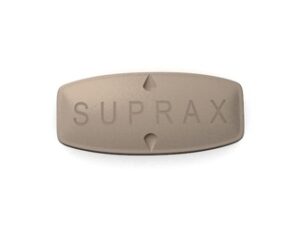
Bactrim (Trimethoprim): Patient-Friendly Guide (Australia)
Bactrim is a brand of the antibiotic trimethoprim (often used as a combination with sulfamethoxazole, depending on the product strength). It is used to treat certain bacterial infections caused by susceptible organisms.
This guide explains how Bactrim works, what it’s used for, how to take it, key safety information, and what to watch for—written in patient-friendly language for people in Australia.
Quick Facts
- Medicine name: Bactrim (trimethoprim; commonly in combination with sulfamethoxazole)
- Type: Antibiotic
- Common reasons it may be used: Some urinary tract infections (UTIs), certain skin infections, and other bacterial infections (depending on local guidelines and test results)
- How it works: Blocks bacterial folate production (stops bacteria making essential DNA components)
- Typical dosing: Depends on the infection and product strength; follow your prescriber’s directions and the medicine label
- Common side effects: Nausea, vomiting, loss of appetite, rash; in some people, diarrhoea
Basic Product Information
Bactrim contains trimethoprim and is commonly formulated as trimethoprim/sulfamethoxazole in many markets. In Australia, products may be labelled with the combination strength (for example, “960 mg” tablets for the combined ratio). Availability and exact strengths can vary by brand and formulation (tablets, paediatric suspensions).
Important: Always check the exact product name and strength on the pack. Doses differ depending on whether the medicine is trimethoprim alone or the combination product, and based on the infection type.
Who makes it / Brand details
Bactrim is a well-known antibiotic brand. You may see different pack sizes and formulations. Use the information on your specific Australian product label and Consumer Medicine Information (CMI) sheet.
How Bactrim Works (Mechanism of Action)
Bactrim works by interfering with bacterial folate (vitamin B9) metabolism:
- Trimethoprim inhibits an enzyme called dihydrofolate reductase in bacteria.
- When used as the common combination with sulfamethoxazole, the medicine also inhibits folate synthesis at an earlier step (via dihydropteroate synthase).
This “double blockade” reduces bacterial ability to make DNA and multiply. The result is bacteriostatic activity (it slows bacterial growth) at lower concentrations and may be more strongly inhibitory depending on organism sensitivity.
Pharmacokinetics (How the Body Handles It)
Pharmacokinetics describes absorption, distribution, metabolism, and excretion.
- Absorption: Trimethoprim (and the combination components) are generally well absorbed after oral dosing.
- Distribution: The medicine spreads through body tissues and fluids, including reaching therapeutic levels that can be relevant for certain infections (such as UTIs and respiratory tissues).
- Metabolism: Both components can be metabolised in the liver to varying degrees.
- Excretion: Primarily eliminated through the kidneys (urine). This is one reason kidney function matters for dosing decisions.
- Half-life: The elimination half-life is typically long enough to allow once or twice daily dosing depending on the regimen and infection.
Practical point: Because kidney function affects clearance, dosing may need adjustment in people with renal impairment.
Typical Use in Australia
Bactrim is used for infections where the likely bacteria are susceptible and where it fits current treatment guidance. The exact choice depends on local resistance patterns, your medical history, allergies, kidney function, and (often) whether testing results are available.
Common indications may include
- Uncomplicated urinary tract infections (UTIs) (in selected cases)
- Some skin and soft tissue infections
- Some infections caused by specific bacteria (depending on susceptibility and guidance)
Not for viral infections: Antibiotics do not treat colds, flu, or most sore throats caused by viruses.
Indications to clarify with your healthcare professional
Because Bactrim is a targeted antibiotic, it’s important to discuss whether it’s the best option for your particular infection. Guidance can change as resistance patterns evolve.
How to Take Bactrim (Timing and Dosing)
Always follow the dose on your label and the instructions provided in the medicine’s Consumer Medicine Information (CMI). Dosing depends on the infection, severity, age, body weight (in children), and kidney function.
Typical timing
- Consistency matters: Try to take each dose at evenly spaced times.
- Regimen examples: Some regimens are taken once or twice daily. Your product and infection guide the schedule.
- Complete the course: Even if you feel better, finish the prescribed duration (unless advised to stop).
With or without food?
- Bactrim can be taken with food or after food to reduce stomach upset.
- Drink adequate water, especially if you’re prone to dehydration or have urinary symptoms.
Table: Typical dosing considerations (general guidance)
| Patient group | Common approach (examples) | Key considerations |
|---|---|---|
| Adults | Once or twice daily depending on the infection and product strength | Kidney function may affect dose; take at regular intervals |
| Children | Weight-based dosing (especially for suspensions) | Use measured liquid doses; avoid adult tablet strengths unless advised |
| Elderly | May require review due to kidney function | Higher risk of side effects and interactions; ensure monitoring |
| Renal impairment | Dose adjustment or alternative therapy may be needed | Discuss kidney function; do not self-adjust dosing |
Do not self-adjust: If you miss a dose, take it when you remember unless it’s close to your next dose—then skip and continue. Avoid doubling up.
Food Interactions (What to Know)
Bactrim food interactions are generally manageable. Taking Bactrim with food can improve tolerance.
- Take with food if you have nausea: This is often the simplest way to reduce stomach upset.
- Hydration helps: Drinking water can support comfort and urinary health while you’re taking oral antibiotics.
- General diet: There are no major “must-avoid” foods for most people using Bactrim.
Folate-related considerations: Because Bactrim affects folate metabolism, diets low in folate or poor nutrition can potentially increase side-effect risk. Tell your healthcare professional if you are undernourished, have chronic illness, or are at risk of folate deficiency.
Alcohol and Medicine Interactions
Alcohol
There is no universal rule that Bactrim must be avoided with alcohol for everyone, but alcohol can worsen side effects like nausea and dizziness, and can interfere with recovery from infection.
- Recommendation: Limit or avoid alcohol while you’re taking the antibiotic, especially if you feel unwell.
- Seek advice urgently if you notice severe rash, breathing difficulty, or unusual symptoms after taking any medication with alcohol.
Other important medicine interactions
Bactrim can interact with several medicines. Always check your medication list (including supplements and herbal products) with a pharmacist or healthcare professional.
Common interaction themes include:
- Blood-thinning medicines (anticoagulants): Bactrim may increase the effect of some anticoagulants, raising bleeding risk.
- Diuretics (water tablets): Certain diuretics may increase the risk of side effects, including electrolyte changes.
- Medicines that affect potassium: Some drugs can raise potassium levels; combining can increase risk.
- Some oral diabetes medicines: Blood sugar changes can occur in some situations.
- Other drugs affecting folate: May influence tolerance and blood counts in certain patients.
Practical step: Keep a written list of all medicines you take and show it to your pharmacist when starting Bactrim.
Safety Profile: Side Effects and When to Get Help
Like all medicines, Bactrim can cause side effects. Many are mild, but some require urgent medical attention.
Common side effects
- Nausea
- Vomiting
- Loss of appetite
- Skin rash (mild rashes can occur)
- Headache
- Diarrhoea (mild)
Serious side effects—get medical help urgently
Contact emergency services or seek urgent medical care if you experience:
- Signs of severe allergy such as swelling of the face/lips, wheezing, severe dizziness, or trouble breathing
- Severe skin reactions such as blistering, peeling skin, mouth ulcers, or a rapidly spreading rash
- Unexplained bruising or bleeding (possible blood cell effects)
- Severe or persistent diarrhoea, especially watery or bloody diarrhoea
- Yellowing of the skin or eyes (jaundice) or severe fatigue
- New fever with rash or sore throat
Stop and seek advice: If you suspect a serious allergic reaction or severe rash, do not continue the medicine without urgent medical assessment.
Who may be at higher risk?
- People with known allergy to sulfonamides, trimethoprim, or related antibiotics
- People with kidney problems
- Older adults who may be more sensitive to side effects and interactions
- People taking interacting medicines (for example, certain blood thinners)
- People with a history of blood disorders or folate deficiency
Practical Use Tips for Better Outcomes
- Take at the same times daily: Helps maintain effective antibiotic levels.
- Stay hydrated: Especially if you’re being treated for urinary symptoms.
- Track symptoms: If symptoms are not improving after a reasonable timeframe (commonly 48–72 hours for many bacterial infections), contact a healthcare professional.
- Complete the course: Stopping early can contribute to treatment failure and resistance.
- Watch for side effects: Pay attention to rash, severe diarrhoea, or signs of allergy.
- Use sun protection if advised: Some antibiotics can make skin more sensitive; if you notice unusual reactions to sunlight, cover up and seek advice.
- Keep a medication list: Useful for pharmacists and doctors during reviews.
Alternative Options (When Bactrim May Not Be Suitable)
Alternative antibiotic choices depend on the infection type, the suspected bacteria, local resistance patterns, allergies, kidney function, pregnancy status, and previous antibiotic exposure.
Possible alternatives may include
- Other antibiotics used for UTIs or skin infections (chosen based on culture results or guideline recommendations)
- For specific infections, targeted therapies may be preferred after testing
Important: Do not switch antibiotics without medical advice. If Bactrim is not appropriate due to allergy or intolerance, your healthcare professional can choose another option.
Market and Legal Context for Australia
In Australia, antibiotics are regulated and access depends on clinical appropriateness and safety. Medicines are generally classified under the Australian Poisons Standard and managed through the Therapeutic Goods Administration (TGA) framework.
Online medicine supply must follow Australian rules for prescription-only or pharmacist-only medicines, depending on the product classification and regulatory status. Availability, required documentation, and dispensing processes can vary between suppliers.
What this means for you: If a medicine requires prescription status for safe use, you may need to complete an assessment and supply any required information to proceed with purchase. For pharmacist-supplied products, additional screening for safety and appropriateness may be required.
Recent Guidance and Resistance Considerations
Australia follows antimicrobial stewardship principles—using antibiotics only when needed, choosing appropriate agents, and using the shortest effective duration.
Key themes in guidance include:
- Testing where appropriate: For recurrent or complicated infections, urine culture or other testing may guide therapy.
- Local resistance patterns: Selection of antibiotics for UTIs and other conditions may depend on contemporary resistance data.
- Avoiding unnecessary antibiotics: Helps protect individual health and reduces community antibiotic resistance.
If you’re receiving Bactrim, it’s generally because it’s considered suitable for the bacteria most likely to be causing your infection (or based on test results).
Delivery and Availability (Online Pharmacy Information)
Availability of Bactrim products (tablet strengths and liquid formulations) can vary between stockists. When purchasing online in Australia, you should expect:
- Order processing: Confirmation of product availability and correct strength/formulation.
- Packaging: Medication supplied in original manufacturer packaging with label and Consumer Medicine Information.
- Delivery timelines: Typically a few business days, depending on your location and courier service.
- Cold-chain: Most oral antibiotics do not require refrigeration; always check storage instructions on the label.
Tip: Ensure the address details are correct and someone can receive the parcel if deliveries are unattended.
FAQ: Common Questions About Bactrim (Trimethoprim)
1) What is Bactrim used for?
Bactrim is an antibiotic used to treat certain bacterial infections. In Australia, it may be used for some UTIs, skin/soft tissue infections, and other infections depending on the likely bacteria and local treatment recommendations.
2) How quickly should I feel better?
Many people begin to feel improvement within 48–72 hours. If symptoms worsen or show no improvement after this timeframe, contact a healthcare professional for reassessment.
3) Can I take Bactrim with food?
Yes. Taking it with food or after food can reduce nausea and improve comfort.
4) What should I do if I miss a dose?
Take it as soon as you remember unless it’s close to the next scheduled dose. Do not take a double dose to “catch up.”
5) Can I drink alcohol while taking Bactrim?
It’s best to limit alcohol while you’re unwell and taking antibiotics because alcohol can worsen nausea, dizziness, and recovery. If you choose to drink, do so cautiously and stop if you feel unwell.
6) Are there medicines I should avoid with Bactrim?
Bactrim can interact with several medicines (such as certain blood thinners, diuretics, and some diabetes medicines). Provide your full medication list to your pharmacist to check for interactions.
7) What are the warning signs of a serious reaction?
Get urgent medical help if you have trouble breathing, facial/lip swelling, severe blistering rash, peeling skin, mouth sores, or severe diarrhoea (especially watery or bloody diarrhoea).
8) Is Bactrim safe for everyone?
Not for everyone. Safety depends on allergies, kidney function, age, pregnancy status, and other medicines you use. If you have kidney problems or a history of antibiotic allergy, discuss this before starting.
9) Can Bactrim be used in pregnancy or breastfeeding?
Use in pregnancy or breastfeeding depends on the specific situation and risk/benefit assessment. Always seek advice from a healthcare professional for personalised guidance.
10) How should I store Bactrim?
Store according to the label and CMI (typically at room temperature, away from moisture and heat). Keep it out of sight and reach of children.
Final Reminder
Bactrim (trimethoprim—often in combination with sulfamethoxazole) is a commonly used antibiotic for certain bacterial infections. Taking it correctly—at the right times, for the correct duration, and with attention to safety—helps improve outcomes and reduces the risk of complications.
If you have questions about side effects, interactions, or whether Bactrim is appropriate for your infection, talk to a pharmacist or healthcare professional.