
Suprax (Cefixime) — Patient-Friendly Medicine Information (Australia)
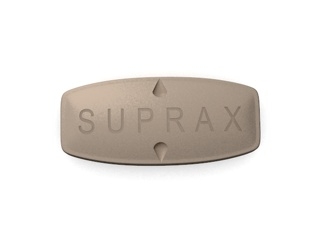
Suprax is a brand of cefixime, an antibiotic medicine used to treat certain bacterial infections. This page explains how Suprax works, how it’s used, common safety considerations, and practical tips to help you take it correctly.
Always use medicines as directed by your healthcare professional and read the product label provided with your supply. If you have questions about whether Suprax is suitable for you, speak with a pharmacist or doctor.
Quick Product Information
| Category | Details |
|---|---|
| Medicine | Suprax (cefixime) |
| Medicine type | Cephalosporin antibiotic (beta-lactam) |
| Common forms | Tablets and/or oral suspensions (varies by pack) |
| Typical dosing frequency | Often once daily or twice daily depending on indication and age |
| What it treats | Selected bacterial infections (not viral infections) |
| Key limitation | Not effective for colds, flu, or other viral illnesses |
How Suprax Works (Mechanism of Action)
Cefixime belongs to the cephalosporin family of antibiotics. It works by targeting bacterial cell wall formation. Bacteria rely on a strong cell wall to survive and multiply. Cefixime interferes with how the cell wall is built, weakening the bacteria and allowing the immune system to clear the infection.
Suprax is generally most effective when the infection is caused by bacteria that are susceptible to cefixime. Antibiotic resistance can occur when bacteria change so that antibiotics become less effective.
Pharmacokinetics (How the Body Handles Cefixime)
While individual results can vary, the following helps explain how cefixime behaves in the body:
- Absorption: Cefixime is absorbed after oral dosing. Food does not typically prevent absorption, but it may slightly affect absorption rate for some individuals.
- Distribution: It distributes into body tissues and fluids where susceptible bacteria may be present.
- Metabolism: Cefixime is not extensively metabolised in the body.
- Elimination: The medicine is primarily eliminated through the kidneys (urine), so kidney function can affect dosing needs.
- Half-life: Cefixime’s elimination half-life varies with kidney function, influencing how often it’s dosed.
If you have kidney problems, you may need dose adjustments or extra monitoring. Tell your healthcare professional if you have any history of kidney disease.
What Suprax Is Typically Used For (Indications)
Suprax is used for bacterial infections where cefixime is appropriate and active against the suspected organism(s). Indications can vary by product formulation and local clinical guidance.
Common infection categories where cefixime may be considered include:
- Ear, nose, and throat infections (e.g., some types of bacterial otitis media or sinus-related infections)
- Respiratory tract infections (e.g., certain bacterial bronchitis or bacterial community-acquired infections, depending on local guidelines and resistance patterns)
- Urinary tract infections (UTIs) caused by susceptible bacteria
- Other susceptible bacterial infections as assessed by a clinician
Important: Antibiotics do not treat viral infections such as the common cold, flu, most sore throats caused by viruses, or many cases of acute bronchitis.
When to Take Suprax (Timing and Dosing Schedule)
The exact dosing schedule depends on your age, the infection being treated, severity, and kidney function, and on the specific product strength. Try to take your doses at consistent times.
- If once daily: Take it at the same time each day.
- If twice daily: Space doses roughly 12 hours apart (e.g., morning and evening).
- Complete the course: Even if you feel better, finish the course unless your healthcare professional advises otherwise.
If you miss a dose, take it when you remember unless it’s close to the time of the next dose. Do not double a dose to catch up.
Dosing Information (General Guidance)
Below is general information to help you understand typical dosing patterns. Your prescribed dose may differ. Always follow the dosing instructions on the product label and from your healthcare professional.
Adults
Adult dosing is commonly given as either once daily or twice daily depending on the infection and formulation. The total daily dose should not be increased unless instructed.
Children
In children, cefixime dosing is often based on body weight and the specific indication. Use the measuring device provided for suspensions and confirm the strength (mg/5 mL or similar).
Kidney (Renal) Impairment
Because cefixime is eliminated mainly via the kidneys, reduced kidney function may require dose adjustment or a modified schedule. Tell your healthcare professional if you have known kidney disease, decreased urine output, or have ever needed kidney-related treatment.
Practical reminder: If your infection does not start improving within the expected time, contact your healthcare professional. It may be due to resistance, an incorrect diagnosis, or complications requiring reassessment.
Food Interactions (Can You Take Suprax With Meals?)
Cefixime is generally compatible with food. Taking Suprax with meals can help reduce the chance of stomach upset for some people.
- With food: Often tolerated well; absorption is usually not significantly reduced.
- Without food: Some individuals experience less or more gastrointestinal discomfort—if you feel nausea, try taking with food.
If the product you receive specifies “take with food” or provides additional instructions (for example, for suspensions), follow those instructions.
Alcohol and Medicine Interactions
Alcohol
There is no universally applicable “safe amount” of alcohol while taking antibiotics, and alcohol can worsen side effects like nausea, dizziness, and stomach irritation.
For most people, it’s best to avoid alcohol during treatment or keep it to a minimum, especially if you’re feeling unwell.
Medicine Interactions
Tell your pharmacist or doctor about all medicines you take, including over-the-counter products and supplements. Some combinations can affect how cefixime behaves in the body or increase side effects.
- Other antibiotics: Not usually combined without advice, as it can affect effectiveness or tolerability.
- Probenecid: Can reduce renal excretion of some antibiotics and may increase levels.
- Kidney-affecting medicines: If you take medicines that impact kidney function, your clinician may monitor you more closely.
- Anticoagulants (blood thinners): Some antibiotics can influence clotting tests or bleeding risk. Monitoring may be required.
- Oral contraceptives: While most evidence focuses on certain other antibiotics, if you experience unexpected bleeding or vomiting/diarrhoea, discuss backup contraception with a clinician.
Tip: Keep a list of your medicines (including doses) and bring it to pharmacy consultations.
Safety Profile (Who Should Be Cautious?)
Common Side Effects
Like all medicines, Suprax can cause side effects. Many are mild and resolve after completing treatment. Commonly reported effects include:
- Diarrhoea, loose stools
- Nausea or stomach discomfort
- Headache
- Rash (mild)
- Vaginal yeast infection in some people (due to antibiotic changes to normal flora)
Serious Side Effects — Get Urgent Medical Help
Seek urgent medical attention if you experience signs of a severe allergic reaction or significant bowel issues:
- Allergic reaction: swelling of the face/lips/tongue, difficulty breathing, wheezing, severe dizziness, or widespread hives
- Severe or persistent diarrhoea: especially if watery, severe, contains blood, or comes with fever or abdominal cramps (could indicate a serious bowel condition)
- Severe skin reactions: blistering, peeling, or painful rash
- Yellowing of eyes/skin or dark urine (possible liver-related issues)
If you’ve previously had an allergic reaction to cephalosporins (or severe penicillin/cephalosporin allergies), inform your pharmacist or doctor before taking cefixime.
Precautions
- Allergies: Cephalosporin allergy or history of severe drug reactions.
- Kidney disease: May require dose adjustment.
- History of colitis: Previous antibiotic-associated bowel inflammation should be discussed.
- Pregnancy and breastfeeding: Discuss suitability with a clinician; they can weigh benefits and risks for you.
Practical Tips for Correct Use
Taking the Dose
- Follow the label: Use the exact strength and dose provided for your situation.
- Use a timer: If you’re taking it once daily, set a daily reminder. For twice daily, use morning/evening reminders.
- Stay hydrated: If you have mild diarrhoea, drink fluids to prevent dehydration.
If You’re Using a Suspension (Liquid)
For oral liquid forms, correct preparation is essential. Follow the instructions included with your product.
- Shake well: Many suspensions require shaking before each dose.
- Measure accurately: Use the oral syringe/cup provided; household teaspoons are not accurate.
- Storage: Keep at the temperature stated on the label and note expiry after mixing (if applicable).
What to Expect During Treatment
- Symptom improvement: Many people start feeling better within 24–72 hours, depending on the infection.
- No improvement: If symptoms worsen or do not improve, contact a clinician promptly.
- Course completion: Stopping early can increase the risk of treatment failure and resistance.
Alternative Options (Discuss With Your Clinician)
If cefixime is not suitable, alternatives depend on the suspected infection, local resistance patterns, your medical history, and allergy status.
Possible alternatives (examples) that clinicians may consider include:
- Other cephalosporins (when appropriate)
- Penicillin-class antibiotics (if not allergic and if suitable)
- Macrolides for some respiratory infections (where appropriate)
- Other antibiotic classes based on culture results and guidelines
The best alternative depends on the specific bacteria and your tolerance. If you have previously reacted to antibiotics, ensure your clinician/pharmacist knows which ones and what happened.
Market and Legal Context in Australia
In Australia, antibiotic use is managed through a regulated medicines framework. Suprax (cefixime) is typically supplied in accordance with Australian medicines regulations and clinical practices. The goal is to ensure antibiotics are used appropriately to reduce resistance and improve outcomes.
Community antimicrobial stewardship is an ongoing priority in Australia. This means antibiotics should be used only when there is likely bacterial infection and when recommended by evidence-based guidelines.
Availability and supply arrangements can vary between pharmacies. Some products may be supplied as tablets or suspensions depending on stock and formulation.
Recent Guidance and Antimicrobial Stewardship (What It Means for You)
Across Australia, guidance emphasises:
- Right antibiotic for the right infection: cefixime is for bacterial infections that match its activity.
- Lowest effective dose and appropriate duration: helps reduce resistance and side effects.
- Review if not improving: reassessment can be needed if symptoms persist, to confirm diagnosis and adjust treatment.
- Culture when appropriate: for some UTIs or recurrent infections, identifying the bacteria can guide targeted therapy.
If you’re prescribed an antibiotic and symptoms do not improve, do not continue to “wait it out” for long—seek advice.
Delivery and Availability (Online Pharmacy Information)
Suprax (cefixime) availability depends on local pharmacy stock and the specific product strength and formulation (tablet vs suspension). Delivery options may include standard and express shipping, and delivery times vary by location within Australia.
- Stock checks: Orders are typically fulfilled once stock is confirmed.
- Packaging: Medicines are sent in protective packaging to help maintain quality.
- Cold chain: Cefixime products usually do not require refrigeration unless the label states otherwise.
- Tracking: Many online orders provide tracking updates.
If you need delivery by a certain date, contact customer support so they can advise on estimated dispatch times. For urgent situations, seek medical advice promptly.
Frequently Asked Questions (FAQ)
1) Is Suprax effective for colds or flu?
No. Colds and flu are caused by viruses, and antibiotics like cefixime do not work against viruses. If you’re unsure whether an infection is bacterial, consult a clinician or pharmacist.
2) How quickly should I feel better?
Many people notice improvement within 24–72 hours. If there is no improvement, symptoms worsen, or fever persists, seek medical advice so the diagnosis and treatment can be reviewed.
3) Can I take Suprax with food?
Generally, yes. Taking it with food may help reduce stomach upset. Follow the instructions on your specific pack.
4) What if I miss a dose?
Take it as soon as you remember, then continue as normal. If it’s close to the next dose, skip the missed dose. Do not take a double dose.
5) Can I drink alcohol while taking Suprax?
It’s best to avoid or limit alcohol during treatment, as it can worsen side effects such as nausea or stomach irritation. If you feel unwell, choose non-alcoholic options and stay hydrated.
6) Is it safe if I have a penicillin allergy?
Some people with penicillin allergies may also react to cephalosporins, but risk varies. Tell your pharmacist or doctor about your allergy history (what drug, what reaction, and how severe). They can advise safely.
7) What should I do if I develop diarrhoea?
Mild diarrhoea can occur. Drink fluids and monitor your symptoms. Seek urgent medical advice if diarrhoea is severe, persistent, watery, or contains blood, or if you have fever or severe abdominal cramps.
8) Can Suprax interact with other medicines?
Yes, interactions are possible. Common examples include medicines that affect kidney function or anticoagulants. Provide your full medicine list to a pharmacist for tailored advice.
9) How should I store Suprax?
Store the medicine according to the label instructions. Keep out of reach of children. If you are using a suspension, follow the directions for shaking and any expiry period after mixing.
10) What if I’m pregnant or breastfeeding?
Discuss with a clinician or pharmacist. They can help weigh benefits and risks based on your condition and trimester or breastfeeding stage.
11) What are signs that I should stop and get help?
Stop and seek urgent medical help for signs of severe allergy (swelling, breathing difficulty, widespread hives) or serious reactions (severe skin reactions, or severe/persistent diarrhoea).
12) Are there natural remedies I can use instead?
For suspected bacterial infections, antibiotics are often necessary to prevent complications. Supportive care (fluids, rest, symptom management) may help, but it should not replace appropriate treatment. Ask a clinician what’s suitable for your specific infection.
Important Reminder
Suprax (cefixime) is designed to treat susceptible bacterial infections. If you have concerns about side effects, missed doses, or whether your symptoms are improving, contact a healthcare professional.
This information is for general guidance for consumers in Australia. Product strength, formulation instructions, and dosing schedules can vary. Always refer to the pack leaflet and the instructions provided by your healthcare professional.