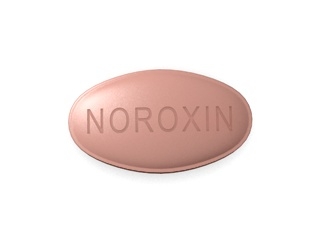
Noroxin (Norfloxacin) – Patient Information (Australia)
Noroxin is a brand of norfloxacin, an antibiotic used to treat certain bacterial infections. This page explains how Noroxin works, how it’s typically used, important safety information, and practical tips to help you get the best outcome from your treatment.
Always read the consumer medicines information (CMI) supplied with your product and follow the instructions provided by your healthcare professional.
Quick Facts
- Active ingredient: Norfloxacin
- Medicine type: Antibiotic (a fluoroquinolone)
- Common uses: Selected urinary tract and other infections caused by susceptible bacteria
- How it’s taken: Usually by mouth
- Key considerations: Absorption can be affected by food and minerals; certain medicines and alcohol may increase risk
Basic Product Information
| Category | Details |
|---|---|
| Brand name | Noroxin |
| Generic name | Norfloxacin |
| Drug class | Fluoroquinolone antibiotic |
| Route | Oral (tablets) |
| Where it acts | Targets susceptible bacteria |
How Noroxin Works (Mechanism of Action)
Norfloxacin works by interfering with processes bacteria need to survive and multiply. Specifically, it inhibits bacterial enzymes involved in DNA replication:
- DNA gyrase (topoisomerase II)
- Topoisomerase IV
By disrupting DNA formation and bacterial division, norfloxacin helps stop bacterial growth and allows your immune system to clear the infection.
Pharmacokinetics (How the Body Handles the Medicine)
Pharmacokinetics describes what the body does to the medicine—how it’s absorbed, distributed, metabolised, and eliminated.
Absorption
- Norfloxacin is absorbed after oral dosing, but absorption can be reduced by certain foods and minerals.
- Dairy products and antacids containing aluminium or magnesium can decrease absorption.
- Meal timing can significantly affect blood levels for some patients.
Distribution
- After absorption, norfloxacin distributes throughout the body, including into tissues and fluids.
- It is particularly used for infections where effective urinary concentrations are important.
Metabolism and Elimination
- Most norfloxacin is eliminated via the kidneys.
- Elimination can be slower in people with reduced kidney function, which may require dose adjustment or additional monitoring.
Typical Use and Timing
Norfloxacin is used to treat infections caused by susceptible bacteria. It is most commonly associated with certain urinary tract infections and, in some cases, other bacterial infections depending on local guidance and individual factors.
When you may notice improvement
- Some people notice symptom improvement within 24–48 hours.
- If symptoms are not improving within a few days, you should seek medical advice.
How to take it (timing basics)
- Try to take doses at consistent times each day.
- Swallow tablets with water.
- Finish the full course as directed, even if you feel better early.
Food Interactions (Important)
Food and certain beverages can influence how much norfloxacin your body absorbs. To help ensure reliable effectiveness:
- Avoid taking norfloxacin with dairy products (milk, yoghurt, cheese) near the dose time.
- Avoid antacids containing aluminium or magnesium close to dosing.
- Limit or separate intake of iron, zinc, calcium supplements or multivitamins containing minerals.
- Follow your specific product instructions for meal spacing (your healthcare professional or the CMI may advise whether to take with food or on an empty stomach).
Practical spacing tip: If you need minerals (for example, calcium or iron), consider taking them several hours away from norfloxacin unless your clinician has provided different instructions.
Alcohol and Medicine Interactions
Alcohol
While moderate alcohol may not be an absolute contraindication for every patient, alcohol can:
- Increase the chance of side effects such as dizziness or nausea
- Worsen dehydration, which may be relevant if you’re unwell
Safer approach: Consider avoiding alcohol during treatment, or keep it minimal and discuss with a clinician if you’re unsure.
Common medicine interactions
Certain medicines can affect norfloxacin levels or increase the risk of side effects. Tell your clinician and pharmacist about all medicines you take, including:
- Antacids containing aluminium/magnesium
- Multivitamins and mineral supplements (iron, zinc, calcium)
- Probenecid (may affect elimination)
- Warfarin (blood-thinning medicines may interact, increasing bleeding risk)
- Corticosteroids (may increase risk of tendon injury when combined with fluoroquinolones)
- Medicines that affect heart rhythm or cause QT prolongation (relevant for some patients)
- Other antibiotics or medicines that influence gut bacteria (your pharmacist can check suitability)
Because interaction risk depends on your personal health and medicine list, it’s important to get tailored advice.
Indications (What Noroxin Treats)
Norfloxacin is indicated for bacterial infections caused by susceptible organisms. In many settings, it has been used for certain urinary tract infections, but suitability depends on local resistance patterns, the infection type, and individual patient factors.
Because not every infection is appropriate for norfloxacin, clinicians may use urine culture results and clinical assessment to decide the best antibiotic.
Dosage (General Guidance)
Dosing varies depending on the infection being treated, kidney function, and patient-specific factors. Always use the dose schedule provided with your medicine or by your clinician.
Typical dosing patterns (illustrative)
- Norfloxacin is often taken in divided doses (for example, morning and evening) to maintain effective drug levels.
- For some infections, clinicians may use a specific number of days of therapy depending on response and guidelines.
Kidney function considerations
- If you have reduced kidney function, your healthcare professional may adjust dosing.
- Dehydration can concentrate substances in the blood and increase side-effect risk—aim to drink adequately unless you’ve been told to restrict fluids.
If you miss a dose
- Take it as soon as you remember.
- If it’s close to the time for the next dose, skip the missed dose—do not double up.
If you take too much
If you suspect an overdose, seek urgent medical advice or contact Poison Information (in Australia, call 13 11 26).
Safety Profile (What to Watch For)
Like all antibiotics, norfloxacin can cause side effects. Many are mild and improve with time, but some require prompt medical attention.
Common side effects
- Nausea
- Diarrhoea or stomach discomfort
- Headache
- Dizziness
- Vaginal thrush or oral thrush (in some people)
Serious side effects – seek medical help urgently
Fluoroquinolone antibiotics have been associated with rare but potentially serious reactions. Contact a healthcare professional urgently or seek emergency care if you experience:
- Allergic reaction: swelling of the face/lips, hives, trouble breathing
- Severe or persistent diarrhoea, especially watery or bloody diarrhoea (could indicate Clostridioides difficile)
- Tendon pain or swelling (pain in Achilles tendon or other tendons), or trouble walking
- New numbness, tingling, burning pain in hands/feet (nerve symptoms)
- Severe dizziness, fainting, or palpitations
- Severe skin reactions (blistering, peeling, widespread rash)
- Worsening mental health symptoms (confusion, agitation, unusual behaviour)
Important: If you develop tendon pain, stop exercise and seek medical advice promptly. Tendon injury can occur even after stopping the antibiotic.
Who should be extra cautious?
- People with a history of fluoroquinolone adverse reactions
- Older adults
- People with kidney impairment
- Those taking corticosteroids or with prior tendon disorders
- People with heart rhythm risks or who take medications that may affect QT interval
Practical Use Tips (How to Get the Most Benefit)
Take it correctly
- Keep consistent dosing times.
- Separate norfloxacin from minerals and dairy when possible.
- Use water to swallow tablets and avoid taking them with large amounts of dairy products.
Stay hydrated
- Drink enough fluid unless you’ve been told to restrict fluids.
- Hydration can help your overall recovery, especially with urinary symptoms.
Complete the course
- Even if you feel better, finishing the recommended period helps reduce relapse and resistance risk.
Know when to seek help
- If symptoms worsen or don’t improve, contact your healthcare professional.
- If you develop signs of a serious allergic reaction or severe diarrhoea, seek urgent care.
Alternative Options (Discuss with Your Pharmacist or Doctor)
Antibiotic selection depends on the infection, your medical history, kidney function, and local bacterial resistance patterns. Alternatives may include other antibiotic classes or different agents entirely.
Common alternatives (examples)
- Nitrofurantoin (often used for uncomplicated urinary tract infections, depending on kidney function)
- Trimethoprim or trimethoprim-sulfamethoxazole (where appropriate and based on local resistance)
- Amoxicillin-clavulanate or other beta-lactam antibiotics (depending on the site and organism)
- Cephalosporins in certain situations
Note: The “best” alternative is not one-size-fits-all. Culture results, allergies, pregnancy/breastfeeding status, kidney function, and severity all influence choice.
Market & Legal Context for Australia (What to Expect)
In Australia, antibiotics are regulated under the national medicines framework. Many antibiotics are supplied only under appropriate clinical supervision to ensure:
- Correct diagnosis and appropriate selection
- Minimising unnecessary antibiotic use and antimicrobial resistance
- Safe prescribing based on individual risk factors
For online pharmacy services, availability may vary depending on stock, regulatory requirements, and the product form/strength. When a medicine is not appropriate for self-management, a pharmacy may direct you to consult a healthcare professional.
Recent Guidance (Antibiotic Stewardship)
Across Australia, antibiotic use is increasingly guided by antimicrobial stewardship principles and evidence-based clinical pathways. Key themes include:
- Using antibiotics only when clearly needed
- Selecting antibiotics based on likely organisms and local resistance patterns
- Reviewing therapy when culture results are available
- Avoiding overly broad or unnecessary antibiotic courses
If you have recurrent urinary infections or complicated symptoms, clinicians may consider further assessment, urine testing, and prevention strategies rather than repeating antibiotics automatically.
Delivery and Availability (Australia)
Availability of Noroxin (norfloxacin) may depend on supply and the specific product strength and pack size. When you place an order through an online pharmacy, delivery timeframes can vary by:
- Your location within Australia
- Stock status at dispatch
- Packaging and courier service
Before ordering, check:
- Estimated delivery times shown at checkout
- Return/refund policies (especially for medicines)
- Cold-chain requirements (typically not needed for tablets, but confirm for your product)
Storage: Store tablets according to the package instructions, usually at room temperature, away from direct sunlight and moisture, and keep out of reach of children.
FAQ
1) What is Noroxin used for?
Noroxin (norfloxacin) is an antibiotic used to treat infections caused by susceptible bacteria. It’s most commonly associated with certain urinary tract infections, but suitability depends on the infection type and your individual situation.
2) How quickly will I feel better?
Many people begin to improve within 24–48 hours. If you don’t notice improvement within a few days, or if symptoms worsen, contact a healthcare professional.
3) Can I take Noroxin with food?
Food can affect absorption. Dairy products and mineral-containing supplements can reduce absorption. Check your product label or the CMI for exact meal instructions and spacing. If unsure, ask your pharmacist.
4) Can I drink alcohol while taking Noroxin?
Alcohol may increase side effects such as dizziness or nausea and may worsen dehydration. Avoiding alcohol or keeping it minimal is a safer approach during treatment.
5) What medicines should not be taken with Noroxin?
Be cautious with antacids (aluminium/magnesium), mineral supplements (iron, zinc, calcium), warfarin, probenecid, corticosteroids, and medicines that can affect heart rhythm. Tell your pharmacist about all medicines and supplements you take so they can check interactions.
6) What should I do if I miss a dose?
Take it when you remember unless it’s close to the next scheduled dose. Don’t double up.
7) Are there any warning signs that mean I should stop and get help?
Seek urgent advice for allergic reactions, severe diarrhoea, tendon pain/swelling, nerve symptoms (numbness/tingling), severe rash/blistering skin reactions, or significant palpitations/fainting.
8) Can Noroxin be used for every urinary infection?
No. The right antibiotic depends on whether the infection is uncomplicated or complicated, your symptoms, potential kidney involvement, local resistance patterns, and sometimes urine testing.
9) Is Noroxin suitable if I have kidney problems?
Kidney function affects how norfloxacin is cleared. Dose adjustments may be needed, and you should discuss this with your healthcare professional.
10) What are the most common side effects?
Common effects include nausea, diarrhoea, headache, and dizziness. If side effects are severe or persistent, seek advice.
Final Reminder
Noroxin (norfloxacin) can be an effective antibiotic when used for the right infection and the right bacterial cause. Correct timing, attention to food and mineral interactions, and monitoring for side effects are key to safer, more effective treatment.
If you have questions about whether Noroxin is suitable for your situation, ask a pharmacist or healthcare professional—especially if you’ve had tendon problems, nerve issues, allergic reactions to antibiotics, or complex urinary symptoms.