
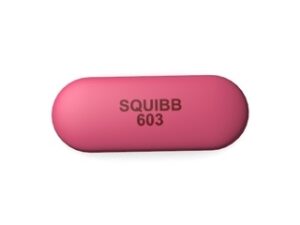
Cephalexin (Keflex and other brands) — Patient Guide (Australia)
Cephalexin is a widely used antibiotic medicine from the cephalosporin family. It is used to treat a range of bacterial infections, particularly those affecting the skin and soft tissues and certain infections of the ear, throat, and urinary tract. This guide explains how cephalexin works, what it’s used for, how to take it safely, and what to consider regarding food, alcohol, other medicines, and Australian supply and guidance.
| Topic | Summary |
|---|---|
| Medicine name | Cephalexin |
| Medicine type | Antibiotic (cephalosporin) |
| Common forms | Tablets and oral suspension (brands and strengths vary) |
| Typical dosing schedule | Often 4 times daily (every 6 hours) for many indications |
| Main targets | Common bacteria causing skin, ear, throat, and urinary infections |
| Key safety themes | Allergy risk, stomach upset, diarrhoea/colitis concerns; renal adjustment may be needed |
| Food & alcohol | Can be taken with food to reduce nausea; avoid alcohol during illness and treatment unless advised otherwise |
Basic product information
Cephalexin belongs to the beta-lactam class of antibiotics. It works against many bacteria by interfering with how they build and maintain their cell walls. In Australia, cephalexin-containing brands may be marketed under different names, with varying strengths and formulations. Your pharmacist or packaging label will confirm the exact brand and dose you have.
Cephalexin is generally used for short courses. The duration of treatment depends on the type and severity of infection, your response, and local prescribing guidance.
How cephalexin works (mechanism of action)
Bacteria require a sturdy cell wall to survive and multiply. Cephalexin binds to specific proteins on the bacterial cell wall (often referred to as penicillin-binding proteins). This prevents proper cell wall formation, leading to bacterial death.
Cephalexin is most effective against bacteria that are susceptible to first-generation cephalosporins. It does not work against viral illnesses such as the common cold or flu.
What this means for you
- You should start to feel better within a couple of days for many uncomplicated infections.
- It is important to complete the course as directed, even if symptoms improve early.
- If symptoms worsen or do not improve, you may need review or a change in treatment.
Pharmacokinetics (how the body handles cephalexin)
Understanding pharmacokinetics can help explain why timing matters and why dosing frequency is often repeated.
- Absorption: Cephalexin is absorbed after oral dosing. Taking it with food may reduce stomach upset and can improve comfort.
- Distribution: It distributes into body tissues and fluids, reaching sites where susceptible bacteria are present.
- Metabolism: Cephalexin is not extensively metabolised; most of the active drug is eliminated unchanged.
- Excretion: The kidneys remove most cephalexin from the body through urine.
- Half-life (general): The elimination half-life is typically around 0.5–1.5 hours in people with normal kidney function, which supports multiple daily doses.
Renal (kidney) considerations
Because cephalexin is largely cleared by the kidneys, lower kidney function may require dose adjustments and closer monitoring. If you have known kidney disease, or you are elderly with reduced kidney function, speak with your pharmacist or prescriber for an appropriate regimen.
Typical uses (indications) — what cephalexin is for
Cephalexin is used for bacterial infections where the likely bacteria are susceptible. Common reasons cephalexin may be used include:
- Skin and soft tissue infections such as impetigo, cellulitis, wound infections, and infected bites (as clinically appropriate)
- Ear, nose, and throat infections including certain forms of ear infection (otitis media), sore throat/tonsillitis caused by susceptible bacteria, and other bacterial upper respiratory infections where cephalexin is considered suitable
- Urinary tract infections (UTIs) including uncomplicated infections caused by susceptible organisms
- Bone and joint infections in some cases, depending on specialist advice and organism susceptibility
- Other infections where a clinician judges cephalexin to be appropriate based on local resistance patterns and patient factors
If your infection is severe, involves an abscess, is rapidly spreading, or requires hospital-level care, your treatment plan may differ and may involve different antibiotics or drainage.
Timing and how to take cephalexin
Cephalexin is commonly prescribed in multiple doses per day. The exact schedule depends on the dose strength and infection type. Follow the instructions provided with your medicine and confirm any timing questions with your pharmacist.
General dosing timing tips
- Use a consistent schedule: For example, if the regimen is four times daily, dosing is often every ~6 hours during waking hours.
- Try to take doses at the same times each day to maintain effective antibiotic levels.
- Space doses evenly: Uneven spacing can reduce effectiveness.
If you miss a dose
- Take it when you remember unless it is close to the next dose.
- Do not double up to make up for a missed dose.
- If you are unsure, ask a pharmacist for advice based on your dosing frequency and timing.
Duration of treatment
Treatment duration varies. For many uncomplicated infections, short courses are common. Follow your instructions and do not stop early just because you feel better.
Food interactions (and taking cephalexin with meals)
Cephalexin can usually be taken with or without food. However, taking it with food may help reduce nausea, stomach discomfort, or indigestion.
- With food: Often easier on the stomach.
- Without food: If you tolerate it well, it may still be effective.
- Keep hydration up: Drinking water supports overall recovery, especially during urinary infections.
Tip for oral suspension
If your cephalexin is in liquid form, the suspension should usually be shaken well before measuring a dose. Use the provided measuring device and ensure correct dosing.
Alcohol and medicine interactions
There is no universal rule that cephalexin must not be taken with alcohol. However, alcohol can worsen dehydration, impair sleep, and delay recovery while you are ill. It can also increase the likelihood of stomach upset and may aggravate side effects such as nausea, dizziness, or diarrhoea.
- During treatment: It is generally sensible to avoid or limit alcohol until you feel well.
- If you choose to drink: Keep it minimal, remain hydrated, and stop if you feel unwell.
Interactions with other medicines
Many people take other medications alongside cephalexin. Some combinations require caution or monitoring. Always inform your pharmacist about all medicines and supplements you use, including over-the-counter products.
Notable interaction themes
- Probenecid: Probenecid can reduce the kidney’s clearance of some antibiotics, potentially increasing antibiotic levels.
- Warfarin and other anticoagulants: Antibiotics can affect gut bacteria and may influence bleeding risk in some people. If you take warfarin (or similar medicines), you may need closer monitoring.
- Oral contraceptives: Most common antibiotics do not reliably reduce contraceptive effectiveness, but severe diarrhoea or vomiting can reduce absorption. If you have significant gastrointestinal upset, consider additional contraception precautions and seek advice.
- Kidney-impacting medicines: Because cephalexin is cleared by the kidneys, medicines that affect kidney function may require review.
This is not a complete list. Your pharmacist can check specific interactions for your exact brand, strength, and personal medicine list.
Safety profile and side effects
Like all medicines, cephalexin can cause side effects. Many are mild and resolve as your body adjusts. Some effects require urgent attention.
Common side effects
- Nausea or mild stomach upset
- Diarrhoea (mild, short-lasting)
- Vomiting (less commonly)
- Headache
- Vaginal yeast infection in some people due to changes in normal flora
- Skin rash (can occur even without severe allergy)
Serious side effects — seek urgent help
Contact a healthcare professional urgently or call emergency services if you experience:
- Signs of an allergic reaction: swelling of the face/lips/tongue, wheezing, severe difficulty breathing, widespread hives, or fainting
- Severe or persistent diarrhoea, especially if watery, bloody, or accompanied by fever or severe abdominal pain (could indicate antibiotic-associated colitis)
- Severe skin reactions such as blistering or peeling, or rash with fever
- Unexplained bruising or bleeding (uncommon, but important)
Allergy considerations
If you have had an allergic reaction to cephalosporins in the past, or a severe allergy to penicillin/other beta-lactams, discuss this before using cephalexin. Cross-reactivity is possible for some people. Your pharmacist can help you interpret your allergy history.
Practical use tips for best results
- Start on schedule: Taking the first dose promptly can help infection control.
- Complete the course: Stopping early can allow bacteria to persist and increase risk of recurrence or resistance.
- Support skin/wound care: For skin infections, follow local wound care advice and keep the area clean and dressed as directed.
- Monitor improvement: If there is no improvement after 48–72 hours for many uncomplicated infections, seek review.
- Hydrate: This is especially helpful for urinary infections.
- Take with food if sensitive: If you get nausea, try taking with meals.
- Keep notes: Record your dosing times and any side effects to discuss with your pharmacist if needed.
When to seek medical review
Please seek prompt medical advice if any of the following occur:
- Your symptoms rapidly worsen
- Fever persists or returns after initial improvement
- Severe pain, spreading redness, or signs of abscess (a painful lump, increasing swelling)
- Symptoms of allergic reaction
- Severe diarrhoea or dehydration
- UTI symptoms with flank/back pain, vomiting, pregnancy, or significant illness (these may require urgent assessment)
Alternative options to consider
The best antibiotic depends on the likely bacteria, the infection site, local resistance patterns, your allergy history, kidney function, and previous treatments. If cephalexin is not suitable, clinicians may consider alternatives such as:
- Other beta-lactam antibiotics (depending on infection and susceptibility)
- Macrolide antibiotics (for certain throat/respiratory infections when appropriate and suitable)
- Clindamycin (sometimes for certain skin infections where appropriate)
- Nitrofurantoin or trimethoprim-based options for some uncomplicated UTIs where appropriate
- Doxycycline or other agents in selected bacterial infections depending on diagnosis and local guidance
Alternatives should be chosen by a healthcare professional based on your specific situation. Cephalexin may not be effective for infections caused by organisms that are resistant or not susceptible to first-generation cephalosporins.
Cephalexin in the Australian market: legal and guidance context
In Australia, antibiotic medicines are regulated medicines and are supplied according to national rules and pharmacy standards. Antibiotic stewardship is strongly emphasised to reduce antimicrobial resistance. Australian guidance aims to encourage appropriate antibiotic use—only when a bacterial infection is likely, with the right choice, dose, and duration.
For recent local guidance, clinicians may refer to Australian antibiotic prescribing resources and recommendations used in general practice and hospital settings. Your healthcare professional will consider symptoms, exam findings, microbiology results (if available), comorbidities, and risk factors when deciding which antibiotic is appropriate.
Antibiotic stewardship: why it matters
- Using antibiotics when they aren’t needed can increase resistance and expose you to unnecessary side effects.
- Using the wrong antibiotic can fail to treat the infection and contribute to resistance.
- Finishing the course as directed helps reduce relapse and ongoing transmission.
Recent guidance and best-practice reminders (Australia)
In current antimicrobial stewardship practice, cephalosporins such as cephalexin are used selectively for infections likely caused by susceptible bacteria. Many prescribers emphasise:
- Careful assessment of whether the illness is likely bacterial
- Choosing narrow-spectrum antibiotics where appropriate
- Reviewing the patient at 48–72 hours if symptoms are not improving
- Collecting cultures where clinically indicated (for example, recurrent infections, severe infections, or treatment failure)
- Considering patient-specific factors such as age, pregnancy status, allergies, and kidney function
Because recommendations can evolve, always follow the advice provided with your medicine and any updates from your local healthcare service.
Delivery and availability in Australia
Availability of cephalexin varies by brand, strength, and formulation (tablet vs oral suspension). Online pharmacy suppliers typically provide options based on stock levels and may show current product availability on the website at the time you place an order.
- Delivery: Shipping time depends on your location and the courier service used.
- Cold-chain: Cephalexin oral formulations generally do not require refrigeration unless specified by the product label.
- Out-of-stock items: If a product is temporarily unavailable, the pharmacy may offer an equivalent brand/strength if you accept substitution or may notify you about alternatives.
If you need the liquid form or a specific strength, ordering early can help avoid delays. Always check the product label upon arrival for the correct strength and dosage form.
FAQ — Frequently asked questions about cephalexin
1) What infections does cephalexin treat?
Cephalexin is used for certain bacterial infections, commonly including some skin and soft tissue infections, ear/throat infections caused by susceptible bacteria, and urinary tract infections. It is not effective against viral illnesses.
2) How quickly should I feel better?
Many people notice improvement within 48–72 hours. If your symptoms are not improving, are worsening, or you develop severe side effects, seek medical advice promptly.
3) Can cephalexin be taken with food?
Yes. It can often be taken with or without food. Taking it with food may reduce nausea and stomach upset.
4) Is it okay to drink alcohol while taking cephalexin?
There is no universal direct interaction, but alcohol can worsen dehydration and increase side effects like nausea or diarrhoea. For best comfort and recovery, it’s generally wise to avoid alcohol while you are unwell and on treatment.
5) What if I miss a dose?
Take it when you remember unless it’s close to the next scheduled dose. Do not double up. If unsure, ask your pharmacist for guidance.
6) What side effects are expected?
Common side effects include mild gastrointestinal upset and diarrhoea. Seek urgent help for severe allergic reactions or severe/persistent diarrhoea (especially if watery, bloody, or associated with fever).
7) Can cephalexin cause an allergic reaction?
Yes. Allergic reactions can occur and range from mild rash to severe reactions. If you have a history of allergy to cephalosporins or severe penicillin allergy, discuss this with a pharmacist before using.
8) Does cephalexin affect kidney function?
Cephalexin is cleared by the kidneys. If you have kidney impairment, a dose adjustment may be required. Tell your healthcare provider if you have known kidney problems.
9) Are there interactions with other medicines?
Yes, some medicines may interact, including anticoagulants (e.g., warfarin) and medicines that affect kidney clearance (e.g., probenecid). Always provide your full medicine list to your pharmacist.
10) What should I do if I get diarrhoea?
Mild diarrhoea can occur with antibiotics. However, seek urgent medical advice for severe diarrhoea, diarrhoea with blood, or diarrhoea accompanied by fever or significant abdominal pain.
Summary
Cephalexin is an oral cephalosporin antibiotic used to treat a variety of bacterial infections, especially those involving skin, soft tissues, certain ear/throat infections, and urinary tract infections caused by susceptible bacteria. It works by disrupting bacterial cell wall formation. For best outcomes, take cephalexin at the recommended times, consider taking it with food if you experience nausea, avoid alcohol while you’re unwell, and seek medical advice if symptoms do not improve or if you develop signs of a serious reaction.