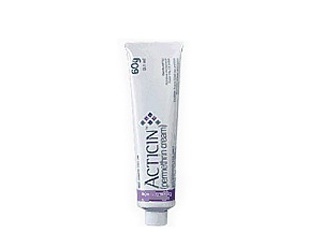
Permethrin (Permethrin Topical) – Patient Guide (Australia)
Permethrin is a topical medicine used to treat certain skin infestations caused by mites and parasites. It works by killing the organisms that live on the surface of the skin, helping relieve itching and stopping spread to others.
This guide is written for patients and carers. It explains how permethrin works, how to use it, what to expect, and key safety considerations—particularly relevant to people in Australia.
Basic product information
| Category | Details |
|---|---|
| Medicine | Permethrin (topical) |
| Common forms | Cream, lotion, or emulsion depending on brand and indication (e.g., scabies or lice) |
| Typical strength | Often 5% for scabies; other strengths may be used for different conditions such as head lice (varies by product) |
| How it’s used | Applied to skin or hair/scalp, left for a specified time, then rinsed or washed off |
| How it’s taken | Topical only (do not ingest) |
Note: Product strengths and instructions can differ between brands and between indications (scabies vs head lice). Always read the specific label and consumer medicine information (CMI) provided with your product.
What permethrin is used for (indications)
Permethrin is used to treat conditions caused by parasites that live on or near the skin:
- Scabies (mite infestation): intensely itchy rash caused by Sarcoptes scabiei.
- Head lice (in some products): infestation of hair by Pediculus humanus capitis.
In addition to treating the person with infestation, managing close contacts and using correct home hygiene practices is important to reduce reinfestation.
How permethrin works (mechanism of action)
Permethrin belongs to a class of medications called pyrethroid insecticides. It kills mites and lice by disrupting their nervous systems.
- Permethrin interferes with the way parasite nerve cells control sodium channels.
- This results in uncontrolled nerve signalling and ultimately death of the parasite.
- Because it acts directly on the parasite, it is used repeatedly for the correct duration and schedule to break the life cycle.
Important: Itching may persist for days to weeks even after successful treatment because of the body’s immune response to dead mites. This is not always treatment failure.
Pharmacokinetics (how the body handles it)
Permethrin is applied to the skin (or scalp/hair). Its absorption through intact skin is generally low.
- Absorption: Minimal systemic absorption is expected when used as directed.
- Distribution: Small amounts, if absorbed, are processed by the body.
- Metabolism: Permethrin is metabolised in the body.
- Excretion: Metabolites are eliminated primarily through urine.
Practical implication: Serious systemic side effects are uncommon when permethrin is used correctly, but irritation at the application site can occur.
Typical use and timing
Permethrin is used as a topical treatment with specific contact time and repeat scheduling depending on the condition.
For scabies
- Apply to all recommended areas (often including trunk, limbs, and areas under clothing; some protocols include head/neck for children and infants depending on guidance).
- Leave on for the time stated in the product directions.
- Wash off as directed.
- Commonly repeated after a set interval (often about 7 days) to kill mites that hatch after the first treatment.
For head lice
- Apply to hair and scalp according to the product instructions.
- Use the required contact time before rinsing.
- Many products require a repeat dose or additional nit combing on schedule to address newly hatched lice.
Timing reminder: Always follow the schedule in your CMI/label. If you miss a dose, check the instructions for what to do next—do not assume the interval can simply be doubled or halved.
Food interactions
Because permethrin is used on the skin, it is not associated with direct food interactions. There is no typical need to adjust diet when using topical permethrin.
However, if irritation affects the mouth or hands (for example, accidental contact), practice good hygiene and avoid transferring product to lips or foods.
Alcohol interactions
No specific alcohol–permethrin interactions are generally expected for topical use. Permethrin is not commonly associated with systemic effects that would be influenced by alcohol.
Safety note: If you are treating children or people who may accidentally touch treated skin and then mouth/chew objects, keep product away from the mouth and wash hands thoroughly after application.
Interactions with other medicines
Since permethrin absorption is typically low, drug–drug interactions are uncommon. Still, consider the following:
- Other topical products: Avoid applying other creams, oils, or lotions to the same areas unless the instructions specifically allow it, as this may dilute or interfere with proper contact.
- Broken or irritated skin: Avoid combining with strong topical products on already inflamed areas unless advised.
- Skin sensitivity: If you are using other known irritants (e.g., some acne treatments) on the same region, discuss with a pharmacist if you are unsure.
If you have a complex skin condition or are using multiple topical medicines, a pharmacist can help check whether they can be used together safely.
Dosing (how much to use)
Permethrin dosing depends on the condition, the product strength, and the exact brand formulation. Always follow the exact dose and instructions on your package.
General guidance (not a substitute for the label)
- Scabies: Apply enough to cover the entire treatment area as directed. Pay attention to commonly affected sites and areas likely to contain mites.
- Head lice: Apply to wet or dry hair as specified, ensuring the scalp is treated thoroughly. Use the amount required to coat hair evenly.
Quantity tip: Under-application is a common reason for treatment failure. If you are unsure whether you have used enough product for the size/length of the person’s hair or body area, ask a pharmacist.
Practical step-by-step instructions
Correct application helps permethrin work and reduces reinfestation.
Before you start
- Check the product instructions and confirm the correct strength for your condition.
- Wash and dry clothing and bedding guidance may be included—follow it closely.
- Keep the product away from eyes and mouth.
During application
- Use gloves if instructed or if you have sensitive skin.
- Apply to the areas described in the directions. For scabies, this may include hard-to-reach areas.
- Ensure the product stays on for the specified time. Set a timer if possible.
- Do not cover with tight occlusive dressings unless advised by a clinician.
After application
- Rinse or wash off exactly when directed.
- Wash hands thoroughly after removing gloves or after applying if you don’t use gloves.
- Follow any cleaning steps for clothes, bedding, towels, and items that may harbour parasites.
Reinfestation control: Treat close contacts as recommended by local guidance and the product instructions. Even when you apply permethrin correctly, untreated contacts can lead to ongoing spread.
Safety profile (side effects and precautions)
Most people tolerate permethrin well when used as directed. However, topical treatments can cause irritation.
Common side effects
- Mild skin irritation (redness, burning, or tingling)
- Itching or discomfort during/after treatment
- Dryness or mild rash at the application site
Less common but important reactions
- Allergic reaction (rare): swelling, hives, wheezing, severe rash
- Eye exposure: stinging, irritation—rinse with water promptly
When to seek medical advice urgently
- Signs of a serious allergic reaction (trouble breathing, facial swelling, widespread hives)
- Severe skin reaction (intense burning, blistering, or rapidly worsening rash)
Precautions
- Do not ingest. Keep away from children and pets.
- Use only on the affected areas as directed.
- Avoid eyes, lips, and inside the mouth.
- Use caution on broken skin; irritation can be more likely.
- Test patches are not typical for permethrin infestation treatments; if you have a history of sensitivity, consult a pharmacist for advice.
Pregnancy and breastfeeding
If you are pregnant or breastfeeding, permethrin may be considered in many cases, but the safest choice depends on the situation and your skin condition. Discuss with a pharmacist or healthcare professional to confirm the best approach.
What to expect after treatment
- Itch relief is not immediate: Itching can continue for several days to weeks after mites are killed due to ongoing inflammation.
- Skin may look worse before better: Irritation and redness can occur briefly after treatment.
- Re-treatment may be necessary: Many protocols use a second application to address newly hatched parasites.
If symptoms significantly worsen or do not improve after the recommended schedule, consult a healthcare professional. Sometimes reinfestation, incorrect application, or resistance may be factors.
Food, hygiene, and environmental measures (reinfestation prevention)
Permethrin treats parasites on the person, but environmental management can strongly influence outcomes—especially for scabies and head lice.
Scabies environment tips
- Follow product instructions or local guidance on washing or bagging bedding, towels, and clothing used close to the treatment time.
- Heat (hot wash/dryer) can help where appropriate.
- Vacuum furniture and carpets if recommended by your local guidance.
- Close contact treatment is essential; household members may need treatment even if symptoms are mild.
Head lice environment tips
- Wash washable items used recently (e.g., bedding and hats) if recommended.
- Nit combing is often a key part of successful head lice management (product directions may include combing advice).
- Check household members or close contacts as advised.
Always follow the label and guidance: Exact environmental instructions can vary depending on the parasite and product.
Practical use tips for better results
- Apply thoroughly: Ensure coverage of all areas specified. The “thickness” of coverage matters more than the speed.
- Keep contact time: Don’t wash off early. Use a timer to avoid leaving it too short.
- Don’t double up casually: More product or repeating too soon can increase irritation.
- Wash hands: Prevent accidental transfer to eyes or other body areas.
- Use correct schedule: If a second application is recommended (e.g., after about a week for scabies), complete it.
- Check contacts: Treatment success often depends on treating close contacts at the same time when advised.
- Manage itching safely: If itching is troublesome, discuss symptom-relief options with a pharmacist (e.g., antihistamines or soothing lotions) that are compatible with your skin.
Alternative options
If permethrin is not suitable, not available, or fails despite correct use, other options may be considered depending on the condition.
Scabies alternatives
- Other topical scabicides (availability and suitability vary)
- Oral treatments in some settings (administered under appropriate medical guidance)
- Adjunct measures for itch control and environmental decontamination
Head lice alternatives
- Other anti-lice topical preparations (may contain different active ingredients)
- Nit combing-based strategies (often used alongside or instead of medication depending on the plan)
A pharmacist can help you choose an alternative if permethrin is ineffective, you have a sensitivity, or you want to compare product options.
Market and legal context for Australia
In Australia, the availability of permethrin-containing products depends on formulation and indication. Some products may be listed on the Australian Register of Therapeutic Goods (ARTG) and supplied as medicines intended for specific conditions.
Key points for Australian consumers:
- Use products labeled for the condition you are treating (scabies vs head lice).
- Choose Australian brands or products that provide clear dosing instructions and consumer information.
- Follow advice from the pharmacist or health professional, especially for treatment of children, pregnancy, or widespread infestation.
Therapeutic product availability and labeling can change. Always check the product packaging and the CMI for the latest instructions.
Recent guidance and resistance considerations
Across many regions, including Australia, public health guidance commonly emphasises:
- Correct application and full coverage as the foundation for effectiveness
- Repeat dosing when recommended to address the parasite life cycle
- Treating close contacts to prevent ongoing reinfestation
- Environmental cleaning in a way that matches local recommendations
For head lice, resistance to some insecticides has been reported globally, which may affect outcomes with particular active ingredients. If infestation persists despite correct use, consider reassessment and an alternative active ingredient or approach guided by a pharmacist.
Delivery and availability (Australia)
Permethrin products are typically supplied through Australian pharmacy channels, including selected online pharmacies. Availability depends on stock levels, product type (scabies vs head lice), and formulation strength.
- Dispatch: Orders are usually processed shortly after purchase during business hours (times vary by supplier).
- Delivery: Delivery times depend on your location and selected shipping option within Australia.
- Packaging: Products should arrive in original packaging with label and Consumer Medicine Information.
- Storage: Store according to the label instructions (typically at controlled room temperature and away from moisture/heat).
If a product is out of stock, many pharmacies can offer alternatives or notify you about restock timing.
FAQ: Permethrin (Australia)
1) How quickly does permethrin work?
Permethrin starts killing parasites after the treatment is applied and left for the correct contact time. However, itching and skin irritation can continue for a while after successful treatment.
2) Can I wash off permethrin early?
No—follow the specified contact time on the product label. Washing off early may reduce effectiveness and can lead to treatment failure.
3) Why am I still itchy after treatment for scabies?
Even after mites are dead, your skin may remain inflamed. Itching can persist for days to weeks. Re-treatment and contact management are often scheduled to ensure the full life cycle is addressed.
4) Do I need to treat household contacts too?
Often yes—especially for scabies, where close contacts can harbour mites even if they don’t show symptoms. Follow local guidance or the product instructions, and ask a pharmacist for advice specific to your situation.
5) Is permethrin safe for children?
Permethrin products can be used in children when used according to label directions for age and condition. Because dosing and instructions may vary by product, it’s important to use the correct formulation and follow the specific instructions for the child’s age and infestation site.
6) What should I do if I accidentally get permethrin in my eyes?
Rinse immediately with plenty of clean water and continue rinsing for several minutes. If irritation persists, seek medical advice.
7) Can I use permethrin more than once?
Many infestation treatments include a repeat application after a set interval. Do not repeat outside the recommended schedule unless advised by a pharmacist or healthcare professional.
8) Are there food interactions with topical permethrin?
No direct food interactions are expected because permethrin is used on the skin. Still, avoid transferring product to the mouth; wash hands thoroughly after application.
9) Will alcohol affect permethrin?
No specific interaction is expected with alcohol for topical use. If you experience dizziness or unusual symptoms (uncommon), seek medical advice.
10) What if treatment doesn’t work?
If symptoms persist after correct use and the recommended repeat schedule, the most common causes are reinfestation from untreated contacts or incorrect application/insufficient coverage. Ask a pharmacist for troubleshooting and, if needed, discuss alternative treatment options.
11) How do I choose between scabies and head lice products?
Select the product specifically labelled for your condition and follow that product’s instructions. Using the wrong formulation/strength can lead to poor results and unnecessary irritation.
Summary
Permethrin is a topical pyrethroid used to treat skin infestations such as scabies and head lice. It works by disrupting the parasite’s nervous system and is generally well tolerated when applied correctly. Success depends on using the right product, applying it thoroughly for the specified contact time, repeating treatment when recommended, and managing close contacts and environmental hygiene.
If you’re unsure about dosing, timing, environmental steps, or alternative options for persistent symptoms, a pharmacist can help you choose the safest and most effective approach for your situation.