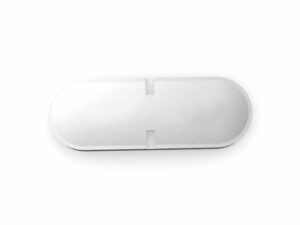


Mebendazole (Oral) – Patient Information (Australia)
Mebendazole is an anthelmintic medicine (a medicine that helps treat infections caused by worms/parasites). It is used to treat a range of intestinal worm infections in children and adults. This page explains how mebendazole works, when it is typically taken, common side effects, safety considerations, and practical tips to help you use it effectively.
In Australia, mebendazole products may be supplied by pharmacies as over-the-counter (OTC) medicines or as pharmacist-supplied products, depending on the specific brand, formulation, and indication. Always follow the instructions on the pack and/or your pharmacist’s advice.
Quick Facts
- Active ingredient: Mebendazole
- Uses: Treatment of certain intestinal worm infections (e.g., threadworm/pinworm, roundworm, whipworm, hookworm, and some other specific infections).
- How it’s taken: Usually by mouth, with or without food depending on the product instructions.
- Common feature: Some infections require a repeat dose to reduce re-infection (often due to eggs that can survive in the environment).
- Availability: Commonly available in Australia through retail pharmacies.
Basic Product Information
Mebendazole is a small-molecule medication that belongs to the benzimidazole class. It works by disrupting the worm’s energy production and nutrient absorption. In many cases, treatment is short (often a single dose or a short course).
The exact strength and dosing schedule can vary between products. Examples include tablets/suspension formulations with different strengths. Check your specific pack for the dose per tablet or per mL if using a suspension.
Typical formulations
- Tablets (various strengths)
- Chewable tablets (where available)
- Oral suspension (depending on brand)
How Mebendazole Works (Mechanism of Action)
Mebendazole selectively targets parasitic worms by interfering with their internal cellular processes. It primarily works by:
- Inhibiting microtubule formation within worm cells (microtubules are essential for cell structure and function).
- Disrupting glucose uptake and energy metabolism in the worm.
- Leading to starvation of the parasite and impaired survival/reproduction.
As a result, mebendazole helps eliminate adult worms and reduces the burden of infection. For some parasites, treatment may be repeated to address worms that hatch from eggs after the first dose.
Pharmacokinetics (How Your Body Handles It)
Pharmacokinetics describes what happens to the medicine after you take it—absorption, distribution, metabolism, and elimination.
- Absorption: Mebendazole is poorly absorbed from the gastrointestinal tract when taken by mouth. Much of the medicine stays in the intestines where it can act on intestinal worms.
- Distribution: After absorption, it is distributed through the body but tends to remain at relatively low levels compared with what’s present in the gut.
- Metabolism: The medicine is metabolised (broken down) mainly in the liver.
- Elimination: Metabolites are excreted primarily via faeces (and some via urine).
Important: Because systemic absorption is limited for many typical courses, side effects are often mild. However, higher-dose or prolonged courses (used for certain infections) can increase the risk of systemic effects and require closer medical monitoring.
Typical Uses and Indications
Mebendazole is used to treat infections caused by susceptible worms in the gastrointestinal tract and other specific locations depending on the condition and local guidance. Common indications include:
- Threadworm (pinworm) – Enterobius vermicularis
- Roundworm – Ascaris lumbricoides
- Whipworm – Trichuris trichiura
- Hookworm – Ancylostoma duodenale / Necator species
- Other worm infestations as listed for your specific product/region
The correct indication depends on symptoms, exposure risk, and sometimes stool tape/testing. If you’re unsure, consult your pharmacist for guidance on the most appropriate treatment and whether other measures (like family-wide treatment for threadworm) are needed.
When to Take Mebendazole (Timing & Duration)
Always follow the dosing instructions on your pack. Timing can depend on:
- The type of worm infection
- Your age and weight (for children)
- The formulation (tablets vs suspension)
- Whether a repeat dose is recommended
Common timing patterns
- Threadworm (pinworm): Many schedules use a dose now and a repeat dose about 2 weeks later to help break the life cycle and reduce reinfection.
- Other intestinal worms: Some infections may require a single dose, while others may require a longer course (e.g., multiple days), depending on the product and infection type.
If you missed a dose, follow pack instructions or ask your pharmacist for advice. Do not double doses unless instructed.
Food Interactions (Eating, Drinking, and Absorption)
For most people, food does not usually cause a major interaction with mebendazole. Many product instructions allow taking mebendazole with or without food.
- General guidance: Take it as directed on the pack.
- Stomach upset: If you feel nauseous, taking it with a light snack may improve comfort (unless your specific pack advises otherwise).
- Grapefruit / supplements: No common specific grapefruit interaction is widely highlighted for mebendazole in typical OTC dosing, but check product guidance and ask a pharmacist if you take multiple medicines or supplements.
Alcohol and Medicine Interactions
Alcohol
There is no universal “must avoid” alcohol rule for single or short courses of mebendazole for most people. However, it’s sensible to limit alcohol while you’re unwell or if you notice dizziness, nausea, or stomach upset.
Seek advice if you have a liver condition, heavy alcohol use, or you are taking higher-dose/prolonged treatment for a specific infection.
Medicine interactions
Mebendazole can interact with certain medicines, especially those affecting liver enzymes. Typical considerations include:
- Cimetidine (can increase mebendazole levels in some cases).
- Some enzyme inducers may reduce effectiveness (interaction depends on the specific drug).
- Other medicines affecting the liver may increase the importance of monitoring if higher doses are used.
If you are taking other medications (including prescription medicines, OTC products, vitamins, or herbal supplements), check with your pharmacist to confirm they are compatible with mebendazole and to ensure your dosing schedule is correct.
Dosing Information (General Guidance)
Dosing depends on the specific infection, age, and product strength. Always use the dose on your pack. Below is general information commonly used in worm infections; your product instructions are the final authority.
Typical dosing examples
Note: Always verify the dose for your specific mebendazole product and the infection type listed on the pack.
| Condition (example) | Common mebendazole approach (general) | Key note |
|---|---|---|
| Threadworm (pinworm) | Often a single dose followed by a repeat dose after ~2 weeks | Repeat dosing helps address eggs and reduces reinfection in household contacts. |
| Roundworm (Ascaris) | Often a single dose (varies by product guidance) | Some schedules may recommend repeat treatment depending on risk/exposure. |
| Whipworm (Trichuris) | May require multiple doses over several days (product-dependent) | Completing the course is important for best results. |
| Hookworm | May require multiple doses (product-dependent) | In some cases, additional supportive care may be needed (e.g., for iron deficiency). |
Children and dosing
- Doses for children are often based on age and/or weight, depending on the product.
- Use the measuring device provided for liquid/suspension if applicable.
- Do not switch between tablet and suspension doses without confirming the strength.
If you’re treating a child, consider asking a pharmacist to confirm the exact dose and schedule for your child’s age and the specific product you have.
Safety Profile and Side Effects
Most people tolerate mebendazole well, especially when used for short courses. Side effects are typically mild and temporary.
Common side effects
- Stomach discomfort, abdominal pain
- Nausea
- Diarrhoea or loose stools
- Headache
- Dizziness (less common)
Less common but important reactions
- Allergic reactions (e.g., rash, itching, swelling, difficulty breathing)
- Changes in blood counts or liver function are rare, but risk can increase with higher doses or prolonged treatment
When to seek urgent help
Seek urgent medical attention if you develop signs of a serious allergic reaction, such as:
- Swelling of the face, lips, or throat
- Breathing difficulties or wheezing
- Widespread hives or severe rash
Special populations
- Pregnancy: Mebendazole should be used with caution. Follow product guidance and consult a healthcare professional, particularly in the first trimester.
- Breastfeeding: Many people may be able to use it, but guidance depends on the product and the infection severity; ask your pharmacist if you’re breastfeeding.
- Children: Check pack age limits and dosing instructions carefully.
- People with liver disease: Because mebendazole is metabolised in the liver, higher-dose/prolonged treatment requires caution and advice.
Practical Use Tips (To Improve Results)
Worm infections can be difficult to fully clear if there is ongoing exposure from eggs in the environment. The best outcomes usually come from combining the medicine with basic hygiene measures.
If treating threadworm (pinworm)
- Treat household contacts as recommended by the pack or pharmacist, because threadworm spreads easily.
- Wash bedding and underwear regularly (especially after starting treatment).
- Keep fingernails short and avoid nail-biting.
- Morning hygiene: Pinworm eggs are often laid overnight. Washing the perianal area in the morning can help reduce spread.
General hygiene for intestinal worms
- Wash hands after using the toilet and before eating.
- Keep toilets and shared bathrooms clean.
- Wash clothes and towels regularly when appropriate.
- Ensure children use toilet hygiene correctly and practise handwashing.
Completing the schedule
- If your pack recommends a repeat dose, take it at the correct time.
- If your pack lists a multi-day course, finish the entire course—even if symptoms improve.
Effectiveness, Reinfection, and What to Expect
Symptoms such as itching (commonly for threadworm) may improve after treatment. However, itching can temporarily persist while the infection is resolving and while eggs in the environment are being addressed with hygiene and repeat dosing.
- Improvement is often seen within days for many infections.
- Reinfection risk can remain if household contacts aren’t treated or hygiene measures aren’t followed.
- If symptoms continue after completing the recommended schedule, seek pharmacist or clinician advice to confirm the diagnosis and whether another treatment approach is needed.
Alternative Options
Depending on the worm type, local availability, and your personal circumstances, other deworming options may include:
- Albendazole (another benzimidazole commonly used for intestinal worms)
- Pyrantel pamoate (often used for threadworm in some settings)
- Other antiparasitics for specific parasites not covered by mebendazole
Which alternative is best depends on:
- The suspected parasite
- Age and weight of the person being treated
- Pregnancy/breastfeeding status
- Any liver conditions or other medicines taken
Your pharmacist can help compare options and confirm which product matches the infection you’re treating.
Market and Legal Context for Australia
In Australia, availability of mebendazole products is regulated under the Therapeutic Goods Administration (TGA) framework. Depending on the brand and formulation:
- Some products are sold over the counter for certain worm infections.
- Some products may be pharmacist-supplied or require pharmacist review based on indication and patient factors.
Supply must follow Australian medicine scheduling and product labelling. Online pharmacies typically require you to complete relevant health and product information steps to ensure suitability and safe use.
Recent Guidance & Common Updates (Australia)
Guidance for worm treatment in Australia commonly emphasises:
- Correct diagnosis (e.g., recognising threadworm patterns such as night-time itching)
- Repeat dosing where recommended to reduce reinfection
- Household and hygiene measures, particularly for threadworm
- Safety considerations for pregnancy, breastfeeding, children, and those with liver disease
Because schedules can vary by product and infection type, always follow the instructions on your specific mebendazole pack. If symptoms are atypical, severe, recurrent, or associated with weight loss or blood in stool, seek medical advice rather than repeating treatment repeatedly on your own.
Delivery, Availability, and How to Buy Online
Mebendazole is widely stocked by Australian pharmacies and is often available for online order. Availability may vary by brand, formulation (tablet vs suspension), and pack size.
Typical online purchasing experience
- Select the mebendazole product and strength that matches your needs.
- Check the pack for the indication you intend to treat.
- Complete any required online health information prompts.
- Choose delivery options available in your location.
Delivery considerations
- Orders are typically packed and dispatched according to pharmacy processing times.
- Medicines should be stored as directed on the label (usually at controlled room temperature, away from moisture and heat).
- Keep the outer carton so you can refer to dosing instructions and expiry date.
If you need help choosing the right product strength or formulation, you can ask a pharmacist before ordering.
FAQ – Frequently Asked Questions
1) What is mebendazole used for?
Mebendazole is used to treat certain intestinal worm infections. Common examples include threadworm (pinworm), roundworm, whipworm, and hookworm, depending on the indication listed for your specific product.
2) How quickly does mebendazole work?
Many people notice symptom improvement within a few days. However, complete clearance may require the full dosing schedule (including repeat dosing when recommended) and hygiene measures to prevent reinfection.
3) Do I need a repeat dose?
Sometimes. For many cases of threadworm, a repeat dose is commonly recommended about 2 weeks after the first dose to break the life cycle. Follow your pack instructions.
4) Can I take mebendazole with food?
Often yes. Most product instructions allow taking it with or without food. If you experience nausea, taking it with a light snack may help, unless your pack advises otherwise.
5) Can I drink alcohol while taking mebendazole?
Moderate alcohol is not universally restricted for short courses, but it’s best to limit alcohol if you’re unwell or if you experience side effects. If you have liver issues, ask a pharmacist for advice.
6) Are there interactions with other medicines?
There can be interactions, especially involving liver-metabolising pathways. If you take other medicines (including OTC products and supplements), check with a pharmacist so they can review your specific situation.
7) Is mebendazole safe for children?
Mebendazole is commonly used in children for certain worm infections, but dosing and suitability depend on age and product instructions. Always check the pack and consider asking a pharmacist to confirm the correct dose.
8) What side effects should I watch for?
Common side effects include stomach discomfort, nausea, diarrhoea, and headache. Seek urgent help for signs of severe allergic reaction (such as facial swelling or breathing difficulty).
9) What if symptoms return after treatment?
Return of symptoms may be due to reinfection (especially in threadworm) or an incorrect diagnosis. Make sure household contacts and hygiene measures are addressed. If you’re still symptomatic after the recommended schedule, contact a pharmacist or healthcare professional for next steps.
10) How should I store mebendazole?
Store it according to the label instructions, generally at room temperature and away from heat, light, and moisture. Keep it out of reach of children.
Need Help Choosing the Right Treatment?
If you’re unsure which worm infection you have, which product strength to buy, or how to manage household treatment and timing (especially for threadworm), a pharmacist can help you select the most appropriate mebendazole product and dosing schedule based on your situation.