
Arcoxia (Etoricoxib) — Patient Information
Arcoxia is a brand of etoricoxib, a medicine from the group of anti-inflammatory medicines (NSAIDs) designed to relieve pain and inflammation. It can help with conditions such as arthritis flare-ups and certain kinds of acute musculoskeletal pain.
This page explains how Arcoxia works, when it’s typically used, how to take it safely, and what to discuss with a healthcare professional. It is written for patients in Australia and includes practical guidance.
Quick Facts
- Active ingredient: Etoricoxib
- Medicine type: COX-2 selective NSAID
- Common uses: Osteoarthritis, rheumatoid arthritis, ankylosing spondylitis, acute gout flares, acute pain (selected situations)
- Typical dosing frequency: Once daily (varies by condition)
- Key safety considerations: Possible increased risk of cardiovascular events, blood pressure increases, and stomach/kidney side effects
- Food: Food can delay absorption at higher doses, but does not usually change the overall effect
Basic Product Information
| Category | Details |
|---|---|
| Brand | Arcoxia |
| Generic name | Etoricoxib |
| Drug class | NSAID (COX-2 selective) |
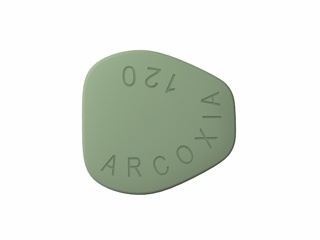
| Common strengths | Often available as 30 mg, 60 mg, 90 mg, and 120 mg tablets (availability may vary) |
| Route | Oral tablets |
| Dosing frequency | Typically once daily |
| Onset | Pain relief often begins within hours; peak levels can occur within about 1–2 hours (may be delayed with food at higher doses) |
How Arcoxia Works (Mechanism of Action)
Inflammation and pain often involve substances called prostaglandins. These are made by enzymes known as cyclooxygenases (COX-1 and COX-2).
Etoricoxib is a COX-2 selective NSAID. By preferentially blocking COX-2, it helps reduce:
- Pain associated with inflammation
- Swelling and stiffness
- Inflammatory responses that contribute to flare-ups
Compared with some older NSAIDs, COX-2 selectivity may influence the risk pattern for stomach side effects, but it does not remove the need for stomach protection or safe NSAID use in all patients.
Pharmacokinetics (How the Body Handles Etoricoxib)
Pharmacokinetics describes what the body does to the medicine—absorption, distribution, metabolism, and elimination.
Absorption
- After taking by mouth, etoricoxib is absorbed into the bloodstream.
- Timing with food: Taking Arcoxia with food may delay the time to reach peak levels, especially at higher doses, but usually does not significantly change the total amount absorbed.
Distribution
- Etoricoxib distributes into body tissues and binds to plasma proteins.
Metabolism
- It is metabolised primarily in the liver.
- Some drugs can interact by affecting liver enzymes, which may change etoricoxib levels.
Elimination
- Excretion occurs mainly through kidneys (via metabolites) and also partly through other routes.
Because etoricoxib is metabolised by the liver and eliminated via the kidneys, people with liver disease or kidney impairment may need dose adjustments and closer monitoring.
Typical Uses and Indications
Arcoxia is used for pain and inflammation related to various musculoskeletal conditions. Indications can vary by local product information and prescriber assessment.
Common indications include:
- Osteoarthritis (OA): Pain and stiffness in joints (e.g., knees, hips, hands)
- Rheumatoid arthritis (RA): Inflammation in multiple joints
- Ankylosing spondylitis (AS): Inflammatory back pain and stiffness
- Acute gout: Reduction of pain and inflammation during a flare
- Acute pain (selected situations): For short-term relief of certain acute pain conditions
Always use the lowest effective dose for the shortest possible duration, especially if you are taking the medication for flare-ups.
How and When to Take Arcoxia (Timing)
Arcoxia is usually taken once daily. The best time of day depends on your personal routine and symptom pattern.
General timing tips
- Consistency helps: Try to take it at the same time each day.
- For fast symptom relief: If you need quicker pain relief, follow advice from your healthcare professional and consider timing relative to meals (see “Food Interactions”).
- Do not exceed prescribed limits: Higher doses increase the risk of side effects.
If you miss a dose
If you miss a dose, take it when you remember unless it is close to the time for your next dose. Do not take a double dose to make up for a missed tablet.
Food Interactions (What to Know)
Food generally does not cancel out the effect of etoricoxib, but it may delay absorption.
- With meals: Peak blood levels may occur later than when taken fasting, particularly with higher doses.
- Overall exposure: Total absorption is usually not substantially affected.
If you take Arcoxia for morning stiffness or morning pain, you may prefer to take it at a consistent time in relation to meals. If you’re unsure, ask your pharmacist for advice based on your dose and dosing schedule.
Alcohol and Medicine Interactions
Alcohol
Combining NSAIDs with alcohol can raise the risk of stomach irritation and gastrointestinal bleeding. It may also worsen side effects such as dizziness, nausea, or liver stress.
- If you drink alcohol, consider keeping it moderate and discuss your risk factors.
- Seek medical advice promptly if you develop black/tarry stools, vomiting blood, or severe stomach pain.
Medicine interactions
Arcoxia may interact with other medicines. Important examples include:
- Other NSAIDs (e.g., ibuprofen, naproxen, diclofenac): generally avoid combining due to increased risk of side effects.
- Blood thinners (e.g., warfarin): NSAIDs may increase bleeding risk; careful monitoring may be required.
- Antiplatelet medicines (e.g., aspirin for heart protection): increases bleeding risk; risk depends on the reason for aspirin.
- Diuretics (e.g., hydrochlorothiazide, furosemide): NSAID use can reduce kidney function and may affect fluid balance.
- ACE inhibitors/ARBs (e.g., perindopril, lisinopril, losartan): “triple whammy” risk increases when combined with diuretics and NSAIDs—watch kidney function and blood pressure.
- Lithium: NSAIDs may increase lithium levels, causing toxicity.
- Methotrexate: NSAIDs can increase methotrexate toxicity (particularly at higher doses used in some conditions).
- Digoxin: may increase digoxin levels.
- Selective serotonin reuptake inhibitors (SSRIs) and other antidepressants: may raise bleeding risk when combined with NSAIDs.
- CYP or enzyme-interacting medicines: certain drugs may change etoricoxib levels in the body.
This is not a complete list. Tell your pharmacist or prescriber about all medicines and supplements you use, including over-the-counter pain relievers.
Dosage and Administration (Typical Adult Use)
Dose depends on the condition being treated and individual risk factors (e.g., cardiovascular disease history, kidney function, liver health, and other medicines).
Arcoxia is commonly prescribed as once daily dosing. The safest approach is typically:
- Start low when appropriate
- Use the lowest effective dose
- Use for the shortest duration needed
Common dosing patterns (examples)
The following table provides typical dosing ranges used in clinical practice. Your exact dose should follow your healthcare professional’s advice and the official product information for your situation.
| Condition | Typical once-daily dose* | Notes |
|---|---|---|
| Osteoarthritis | 30 mg to 60 mg | Adjust based on symptom control and tolerability |
| Rheumatoid arthritis | 60 mg to 90 mg | Use lowest effective dose |
| Ankylosing spondylitis | 60 mg to 90 mg | May require ongoing treatment |
| Acute gout flare | 120 mg | Often used short-term for flare control |
| Acute pain (selected) | Single daily dose may be used short-term | Short duration and careful risk assessment |
*Doses are provided for general informational purposes. Individual dosing may differ based on age, organ function, drug interactions, and safety considerations.
Special populations
- Older adults: may be more sensitive to side effects; review risk factors.
- Liver impairment: may require dose limits and monitoring.
- Kidney impairment: may require caution and review of suitability.
- Cardiovascular risk: requires careful assessment before higher doses or longer use.
Safety Profile: Side Effects and When to Get Help
Like all medicines, Arcoxia can cause side effects. Many people tolerate it well, but some effects require urgent attention.
Common or expected side effects
- Headache
- Dizziness
- Fluid retention (swelling in feet/ankles)
- Indigestion or stomach discomfort
- Nausea
Serious risks (important)
COX-2 selective NSAIDs are associated with certain risks. Your prescriber and pharmacist can help you weigh these risks.
- Cardiovascular risk: Possible increased risk of heart attack or stroke, particularly with higher doses or longer use, or in people with existing cardiovascular disease risk.
- Blood pressure increase: NSAIDs can raise blood pressure; monitor if you have hypertension.
- Kidney effects: Decreased kidney function can occur, especially with dehydration or in those with existing kidney disease.
- Gastrointestinal complications: Ulcers, bleeding, or perforation can occur even though COX-2 selectivity may reduce some stomach risk compared with nonselective NSAIDs. Risk increases with certain factors and with alcohol.
- Allergic reactions: Rarely, serious hypersensitivity can occur.
- Liver effects: Rarely, liver enzyme abnormalities may occur.
Seek urgent medical help if you notice
- Chest pain, shortness of breath, sudden weakness, or facial drooping (possible stroke/heart event)
- Black/tarry stools, vomiting blood, or severe persistent stomach pain
- Swelling of the face/eyes, wheezing, or trouble breathing (possible allergy)
- Severe skin rash or blistering
- Very little urine or sudden significant swelling (possible kidney issue)
- Yellowing of skin/eyes (jaundice) or dark urine
If you’re concerned about any symptoms, contact a healthcare professional promptly.
Practical Use Tips (How to Get the Best Balance of Benefit and Safety)
- Use the lowest effective dose: This helps reduce risk while achieving symptom relief.
- Review duration: If your pain improves, ask whether you should stop or step down.
- Stay hydrated: Dehydration increases kidney risk with NSAIDs.
- Avoid duplicating NSAIDs: Don’t take other NSAIDs at the same time unless advised.
- Monitor blood pressure: Especially if you have hypertension or take blood pressure medicines.
- Watch for stomach symptoms: New indigestion, pain, or bleeding signs should be assessed.
- Keep a symptom diary: Track pain/stiffness and side effects to guide safe dosing.
- Tell your pharmacist about all medications: Including over-the-counter products and herbal supplements.
If you’re taking long-term NSAID therapy, it’s wise to have periodic checks (for example blood pressure and kidney function), based on your clinician’s advice.
Alternative Options (What Else Can Help)
Depending on your condition, the alternatives to Arcoxia may include:
Non-medicine options
- Physiotherapy and strengthening programs
- Exercise (low-impact, consistent movement)
- Weight management (for osteoarthritis)
- Heat/cold therapy for flare management
- Assistive devices (braces, canes, ergonomic modifications)
Medicinal alternatives
- Paracetamol (acetaminophen): Useful for mild-to-moderate pain (not anti-inflammatory).
- Other NSAIDs: e.g., ibuprofen or naproxen (may have different risk profiles).
- Topical NSAIDs: (e.g., for knee/hand osteoarthritis) can reduce systemic exposure.
- Anti-inflammatory treatments for specific conditions: For rheumatoid arthritis and ankylosing spondylitis, other disease-modifying therapies may be used by specialists.
- Gout-specific approaches: During flares, clinicians may use other regimens; preventions may include long-term urate-lowering therapy.
The best choice depends on your symptoms, medical history, and other medicines.
Arcoxia in Australia: Market and Legal Context
In Australia, NSAIDs including etoricoxib are regulated medicines. Availability, supply conditions, and product format can vary. Online pharmacies in Australia may provide guidance to help you access medicines safely.
Key points for Australian patients:
- Safety checks: Online suppliers may ask questions to confirm suitability and reduce the risk of harmful interactions.
- Pharmacist support: A pharmacist may provide advice about dosing, interactions, and safe use.
- Regulatory standards: Medicines are supplied according to Australian regulatory requirements and pharmacy practices.
- Reporting side effects: Suspected adverse reactions can be reported to relevant health authorities (your pharmacist can assist).
If you are unsure about whether Arcoxia is appropriate for you in Australia, speak with a pharmacist or healthcare professional.
Recent Guidance and Ongoing Safety Messages
Over time, global and Australian medicine safety communications have reinforced consistent themes for NSAIDs, including:
- Using the lowest effective dose for the shortest duration.
- Extra caution in people with heart disease, stroke risk, uncontrolled hypertension, kidney disease, or history of stomach ulcers/bleeding.
- Awareness of interactions with common medicines such as blood thinners, ACE inhibitors/ARBs, diuretics, and SSRIs.
- Monitoring for symptoms of gastrointestinal bleeding, fluid retention, and allergic reactions.
Because guidance can evolve, it’s helpful to review up-to-date advice through your pharmacist or official Australian medicine information sources.
Delivery and Availability (Australia)
Online pharmacy availability can vary by strength and stock level. When ordering Arcoxia, you may receive:
- Home delivery to eligible Australian addresses (timing depends on courier and location)
- Discrete packaging for privacy
- Pharmacist review to confirm suitability and reduce medication errors
Delivery times may differ depending on:
- Your postcode
- Stock availability
- Any necessary pharmacy verification steps
If you need the medicine urgently for an arthritis flare, contact customer support to ask about dispatch time and product availability.
FAQ (Frequently Asked Questions)
1) What is Arcoxia used for?
Arcoxia (etoricoxib) is used to relieve pain and inflammation associated with conditions such as osteoarthritis, rheumatoid arthritis, ankylosing spondylitis, and acute gout flares. It may also be used for other short-term pain conditions depending on clinical assessment.
2) How quickly does Arcoxia work?
Many people feel pain relief within hours. The medicine reaches peak levels relatively quickly after dosing, though taking it with food—particularly at higher doses—may delay the peak.
3) Can I take Arcoxia with food?
Yes. Food may delay absorption and peak levels, but overall absorption is usually not substantially affected. For more predictable timing, take it consistently the same way each day.
4) Can I drink alcohol while taking Arcoxia?
It’s best to limit alcohol. Alcohol can increase the risk of stomach irritation and bleeding with NSAIDs. If you drink regularly or have a history of ulcers or gastrointestinal bleeding, discuss with a pharmacist or clinician.
5) Is Arcoxia safer than other NSAIDs for the stomach?
Etoricoxib is COX-2 selective, which may influence stomach risk compared with some nonselective NSAIDs. However, gastrointestinal side effects and serious bleeding can still occur. Extra caution is needed if you have ulcer history, older age, or combined risk factors.
6) Who should be extra careful using Arcoxia?
People at higher risk include those with heart disease or stroke risk, uncontrolled high blood pressure, kidney impairment, liver disease, history of ulcers/bleeding, or those taking interacting medicines (such as blood thinners, ACE inhibitors/ARBs with diuretics, or SSRIs). A pharmacist can help assess your risk factors.
7) Can I take Arcoxia with other pain medicines?
Avoid taking other NSAIDs at the same time unless advised. Paracetamol is often considered a safer alternative for pain relief, but your overall situation matters. Tell your pharmacist what else you’re taking.
8) What should I do if I miss a dose?
Take it when you remember unless it’s close to your next dose. Don’t take a double dose.
9) What are the warning signs of serious side effects?
Seek urgent help if you have chest pain, shortness of breath, signs of stroke, black/tarry stools or vomiting blood, severe stomach pain, swelling of the face or breathing difficulty, severe skin rash, or marked changes in urine output.
10) How long can I take Arcoxia?
Duration depends on the condition and response. The safest approach is usually the shortest effective period and lowest effective dose. Discuss duration with your healthcare professional, especially for ongoing use.
Final Reminder
Arcoxia (etoricoxib) can be an effective option for managing pain and inflammation in several arthritis-related conditions. To use it safely:
- Follow the dosing schedule provided by your healthcare professional.
- Use the lowest effective dose for the shortest duration.
- Be alert to symptoms of cardiovascular, gastrointestinal, liver, or kidney problems.
- Tell your pharmacist about all medicines and alcohol use.