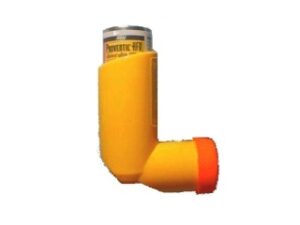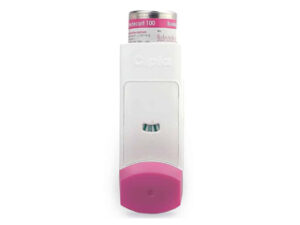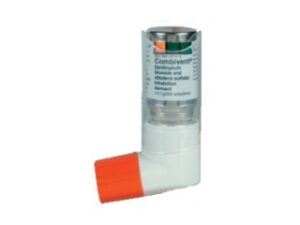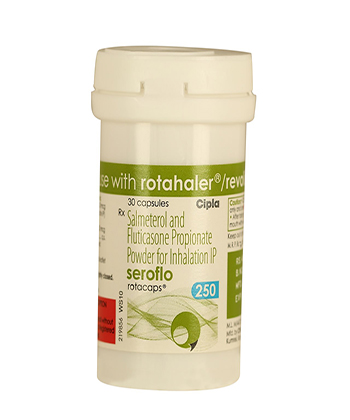
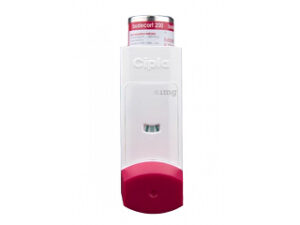
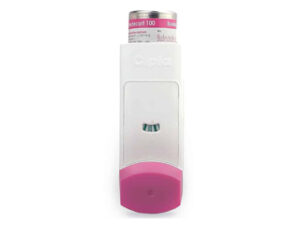
Advair Rotahaler (Fluticasone Propionate)
Advair Rotahaler is a brand of inhaled medicine used to help control symptoms of certain long-term lung conditions. It contains fluticasone propionate, a corticosteroid medication delivered directly into the airways. By reducing airway inflammation, Advair Rotahaler can help improve breathing and reduce flare-ups.
This page explains how the medicine works, how to use it effectively, typical dosing approaches, safety considerations, and practical tips—tailored for customers in Australia.
Key product information
| Item | Details |
|---|---|
| Medicine name | Advair Rotahaler |
| Active ingredient | Fluticasone propionate (inhaled corticosteroid) |
| Therapeutic class | Inhaled corticosteroid (anti-inflammatory) |
| Route | Inhalation (via Rotahaler device) |
| Common benefits | Helps control asthma symptoms; reduces inflammation and risk of flare-ups |
| Important note | Advair Rotahaler is for long-term control and is not designed for immediate relief of sudden breathing difficulties. |
How Advair Rotahaler works (mechanism of action)
Fluticasone propionate is a corticosteroid. When inhaled, it acts mainly within the lungs to:
- Reduce airway inflammation, which contributes to wheezing, coughing, and shortness of breath.
- Decrease airway hyper-responsiveness, making the airways less reactive to triggers.
- Lower the release of inflammatory substances from cells in the airway lining.
Over time, this anti-inflammatory action helps improve symptom control and reduces the likelihood of flare-ups.
Pharmacokinetics (how the body processes it)
Understanding the medicine’s handling in the body can be reassuring—especially for long-term therapy. With inhaled fluticasone, most of the dose is deposited in the airways, while a smaller portion may be swallowed.
Absorption
- The inhaled fraction contributes primarily to local lung effects.
- A swallowed fraction may be absorbed from the gastrointestinal tract, but systemic absorption is limited.
Distribution
Fluticasone is distributed throughout the body, but systemic exposure is generally low at typical inhaled doses.
Metabolism
Fluticasone is extensively metabolised in the liver, primarily by the enzyme system CYP3A4. This matters for possible drug interactions (see “Medicine interactions” below).
Elimination
Metabolites are eliminated mostly via the bile and faeces. The overall systemic half-life is influenced by metabolism and distribution.
What Advair Rotahaler is used for (indications)
In Australia, inhaled fluticasone products are used for conditions where controlling inflammation in the airways is important. Depending on the individual product strength and clinical plan, Advair Rotahaler may be used for:
- Asthma—for ongoing control of symptoms and to reduce flare-ups.
- Other inflammatory airway conditions may be considered in some situations, based on clinician assessment and product availability.
Your healthcare professional will determine the right diagnosis, treatment plan, and device technique based on your symptoms and history.
When and how it should be taken (timing and routine)
Because Advair Rotahaler works by reducing inflammation, it is usually used as a regular controller medicine. It is not intended for immediate relief during sudden attacks.
Typical timing
- Take it consistently at the same times each day to maintain control.
- If prescribed twice daily, a common approach is morning and evening.
- If you miss a dose, take it when you remember—unless it is close to the next dose (in which case skip the missed dose).
How quickly should it work?
Some people notice improvement within days, but full benefits can take longer. Many controllers are assessed over several weeks as inflammation stabilises.
Dosing guidance (general information)
Dosing varies by age, severity, prior therapy, and inhaler strengths. Follow your healthcare professional’s instructions and the information supplied with your product.
Common dosing patterns
- Adults and adolescents: frequently once or twice daily depending on the regimen.
- Children: dosing is usually individualised; correct technique and device use are essential.
If you feel you need your reliever more often, or your symptoms are not controlled, speak with a healthcare professional. Do not increase the inhaled steroid dose on your own unless advised.
Step-by-step use (practical instructions)
Advair Rotahaler is used with the Rotahaler device. Proper technique helps deliver the right dose to the lungs. Always use the specific instructions provided with your product packaging.
- Check your device: ensure the Rotahaler is clean and dry. Wash hands before use.
- Prepare the dose: follow the device instructions for loading the medicine correctly.
- Inhale deeply and forcefully through the mouthpiece (as directed). This is important for powder delivery.
- Hold your breath briefly after inhalation, if comfortable (commonly ~10 seconds, or as advised).
- Close and store the Rotahaler as instructed to protect it from moisture.
- Rinse and spit with water after use (see “Safety profile” below).
If you are unsure whether you are inhaling correctly, ask a pharmacist or clinician to observe your technique.
Food interactions
In general, food does not significantly affect the performance of inhaled fluticasone. The medicine acts locally in the lungs and is designed for inhalation.
However, swallowing a small fraction of the dose may occur with any inhaled therapy. While there are typically no specific food restrictions, maintaining a consistent routine can help overall adherence.
Alcohol and swallowing precautions
Alcohol does not have a known direct interaction with inhaled fluticasone, but general considerations apply to respiratory health (e.g., sleep disruption, reflux, and asthma triggers). If alcohol worsens your symptoms, consider reducing intake and discuss options with your healthcare professional.
Alcohol and medicine interactions
Fluticasone can interact with certain medicines, largely because of metabolism by CYP3A4. Some interactions may increase fluticasone levels and raise the risk of systemic steroid effects.
Common types of interactions to be aware of
- Strong CYP3A4 inhibitors (examples include some antiviral medicines and certain antifungals such as ketoconazole/itraconazole): may increase fluticasone exposure.
- Cobicistat or ritonavir-containing regimens (commonly used with some HIV treatments) can significantly affect steroid metabolism.
- Other corticosteroids (oral or injectable): combined effects may increase risk of side effects.
- Non-steroidal medicines: no specific interaction is expected for routine use, but always check with your pharmacist if you are unsure.
Alcohol
- There is no specific “dose adjustment” for alcohol with inhaled fluticasone, but alcohol may worsen breathing in some people.
- If you use other medicines (for example, sedatives), alcohol can increase drowsiness and may indirectly affect breathing safety.
Keep a list of all medicines you take (including over-the-counter products and herbal supplements) and review it with your pharmacist.
Safety profile: what to expect and when to seek help
Inhaled corticosteroids are widely used and generally well tolerated. Most side effects relate to local effects in the mouth and throat, or changes in infection risk in the airway.
Common local side effects
- Hoarseness or voice changes
- Throat irritation
- Oral thrush (fungal infection in the mouth)
- Sore mouth
How to reduce mouth/throat side effects
- Rinse your mouth and spit after each dose (do not swallow the rinse).
- Use proper inhalation technique to reduce residue in the mouth.
- If you develop thrush, you may need treatment—contact a healthcare professional.
Less common systemic side effects
Systemic effects are less likely with inhaled therapy than with oral corticosteroids, especially at recommended doses. Still, long-term or high-dose inhaled steroids can potentially contribute to systemic effects.
- Reduced bone mineral density risk (particularly with high doses and other risk factors)
- Eye-related effects (e.g., cataracts or glaucoma) with prolonged use
- Adrenal suppression (rare, but risk increases with higher doses or long durations)
When to seek urgent medical attention
Get urgent help if you experience:
- Severe shortness of breath, persistent wheeze, or symptoms that rapidly worsen
- Swelling of the face, lips, or throat, or difficulty breathing after using the inhaler
- Signs of serious infection (high fever, severe illness)
- Visual disturbances or eye pain
Practical use tips for best results
- Correct inhaler technique matters as much as the medicine choice. If you have repeated flare-ups, check technique and adherence.
- Keep it dry: powder inhalers can be affected by moisture. Store as directed.
- Clean your device as instructed by the manufacturer. Do not use wet methods unless allowed.
- Don’t stop suddenly without advice, especially if you have been using inhaled steroids regularly.
- Track your symptoms: note night-time waking, rescue inhaler use, and triggers.
- Use a spacer only if applicable: Advair Rotahaler is a dry powder inhaler; if a spacer is not part of the device design, do not improvise. Ask your pharmacist what is appropriate for your specific inhaler type.
Alternative options
Depending on your condition and control level, your clinician may consider other inhaled therapies. These may include:
- Other inhaled corticosteroids (different brands or devices)
- Combination inhalers that include an inhaled corticosteroid plus a long-acting bronchodilator
- Other controller medicines (for example, non-steroidal anti-inflammatory options) where appropriate
- Reliever inhalers for fast symptom relief (separate from controller therapy)
Switching between inhalers can affect dose delivery and technique. If you want alternatives, ask your pharmacist about equivalent inhaler options and device training.
Australia market and legal context
In Australia, medicines including inhaled corticosteroids are supplied under pharmacy and regulatory frameworks. Availability, brand presentation, and specific device instructions can vary.
Online pharmacies typically provide product information to support safe use and guidance on ordering, delivery, and customer support. Your pharmacist can also advise on:
- compatibility with your current asthma/COPD plan
- correct inhaler technique
- interaction checks based on your medicine list
- how to store and maintain your device
Recent guidance (general trends in Australia)
In recent years, Australian respiratory guidance has continued to emphasise:
- Regular controller use for people who need it to reduce symptoms and exacerbations
- Checking inhaler technique and adherence frequently
- Reviewing therapy when control is inadequate rather than repeatedly escalating without confirming technique
- Using a written asthma action plan where relevant
Local recommendations may be updated over time. If your treatment plan is not working, ask your healthcare professional to review it.
Delivery and availability in Australia
Availability of Advair Rotahaler products can vary by strength and device stock levels. Online pharmacies in Australia may offer delivery options to metro and regional areas. Delivery timelines depend on the supplier, warehouse location, and local transport.
When ordering, confirm:
- the exact strength you require
- the expiry date displayed for the stocked item
- the delivery address and any shipping restrictions
If you need help finding the correct product strength or want advice on device differences, contact the pharmacy’s customer support team before placing your order.
FAQ: common questions about Advair Rotahaler
1. Is Advair Rotahaler for immediate symptom relief?
No. Advair Rotahaler is a controller inhaler that reduces inflammation over time. It is not intended for immediate relief of sudden breathlessness. For sudden symptoms, use the reliever medicine in your asthma/COPD plan as directed by your clinician.
2. How long does it take to start working?
Some people notice improvement within days, but full benefit often takes longer—commonly assessed over several weeks. Consistent daily use is important for best results.
3. Do I need to rinse my mouth after using it?
Yes. Rinsing your mouth and spitting out after inhalation helps reduce the risk of hoarseness and thrush. Do not swallow the rinse.
4. What should I do if I accidentally swallow the inhaled dose?
It can be difficult to avoid swallowing a small fraction of inhaled medicine. This is generally not a problem. Continue using the device as instructed and focus on correct technique. If you’re concerned, speak with a pharmacist.
5. Can I drink alcohol while using Advair Rotahaler?
There is no specific direct interaction with inhaled fluticasone, but alcohol may worsen breathing or affect sleep and triggers for some people. If alcohol affects your symptoms, consider limiting intake and discuss options with your healthcare professional.
6. What medicine interactions should I watch for?
Tell your pharmacist if you take medicines that affect CYP3A4, such as certain antifungal medicines or antivirals. These can increase fluticasone levels and raise the chance of steroid side effects.
7. Will Advair Rotahaler cause thrush?
Thrush can occur in some people, particularly if mouth rinsing is skipped or inhalation technique allows residue to remain in the mouth. Prompt treatment and correct use reduce risk.
8. Can I use Advair Rotahaler during an asthma flare-up?
Your controller inhaler is usually continued as part of ongoing management, but flare-ups require action based on your asthma action plan. If symptoms are severe or worsening, seek urgent medical advice.
9. What if I miss a dose?
Take your dose when you remember unless it’s close to the next scheduled dose. Do not double up. If you’re unsure, check with your pharmacist.
10. Are there alternatives if this inhaler doesn’t suit me?
Yes. Depending on your diagnosis and control needs, your clinician may choose a different inhaled corticosteroid, a combination inhaler, or another controller option. Always ensure you learn the new device technique before switching.
Important reminders
- Use Advair Rotahaler as a regular controller and follow the technique instructions carefully.
- Rinse and spit after each dose to reduce mouth/throat side effects.
- Contact a healthcare professional if symptoms worsen, you require reliever medicine more often than usual, or you experience concerning side effects.
- Keep a current list of your medicines for interaction checks, especially if you take antifungal or antiviral therapies.