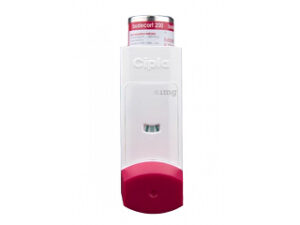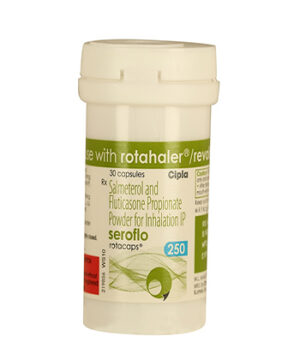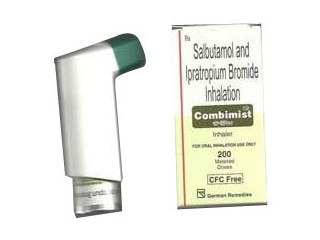

Combimist L Inhaler (Australia) – Patient Information
Combimist L Inhaler is a combination inhaled medicine used for long-term control and relief of symptoms in certain chronic respiratory conditions. It contains two active components—typically a long-acting beta2-agonist (LABA) and an inhaled corticosteroid (ICS)—worked together to reduce airway inflammation and relax breathing passages.
This guide is designed to help you understand how Combimist L Inhaler works, how to use it correctly, what to expect, and when to seek medical help. Always follow the instructions provided by your healthcare professional and read the consumer medicine information leaflet supplied with your product.
Basic Product Information
| Product name | Combimist L Inhaler |
|---|---|
| Medicines commonly included | LABA + ICS (exact strengths may vary by presentation) |
| Dosage form | Metered-dose inhaler (MDI) / press-and-breathe inhaler |
| How it is used | Inhaled into the lungs for local effect |
| Typical goals | Improve breathing, reduce symptoms, prevent exacerbations |
| Common conditions | Asthma and COPD (depending on formulation and prescriber guidance) |
Note: In Australia, product names and strengths can vary by pack. Check the label for the exact active ingredient strengths in your particular Combimist L inhaler.
How Combimist L Inhaler Works (Mechanism of Action)
Combimist L Inhaler contains two types of medicines that work in different ways:
- Long-acting beta2-agonist (LABA): relaxes airway smooth muscle, helping to keep airways open for longer periods. This reduces symptoms such as wheeze, shortness of breath, and chest tightness.
- Inhaled corticosteroid (ICS): reduces inflammation in the airways. Over time, this lowers airway swelling and mucus production, improving control and reducing flare-ups.
Together, the combination targets both: bronchoconstriction (tightening of airways) and inflammation (swelling/irritation inside the lungs).
Pharmacokinetics (What Happens in the Body)
Inhaled medicines act mainly in the lungs, so systemic exposure is generally lower than with tablets. The exact levels depend on technique, lung function, and individual factors.
- Absorption: A portion of the inhaled dose deposits in the airways; some may be swallowed and absorbed through the gut.
- Distribution: LABAs and corticosteroid components distribute through the body; most activity intended is local within the lungs.
- Metabolism: Many inhaled medicines are metabolised in the liver and/or other tissues.
- Elimination: Metabolites are removed primarily via urine and/or faeces, depending on the active ingredient.
Practical takeaway: Correct inhaler technique improves delivery to the lungs and reduces “wasted” medicine. If you frequently use your inhaler incorrectly, you may notice reduced symptom control.
What Combimist L Inhaler Is Used For (Indications)
Combimist L Inhaler is commonly used for:
- Asthma: long-term control of symptoms and prevention of asthma flare-ups in people who require both anti-inflammatory treatment and ongoing bronchodilation.
- COPD (Chronic Obstructive Pulmonary Disease): management of airflow limitation and symptoms for selected patients, depending on their severity and treatment plan.
Your exact indication depends on the formulation strength and your diagnosis. If you are unsure whether it is for asthma or COPD, check with your pharmacist or clinician.
Typical Timing and How to Take It
Combimist L Inhaler is intended for regular use as part of long-term management (often 1–2 times daily, depending on the prescribed regimen).
- Take it at the same times each day to maintain steady effect.
- Use it even when you feel well—it helps prevent inflammation and flare-ups.
- Do not use it as a sole rescue medicine unless specifically instructed. A separate reliever inhaler (often short-acting) may be required.
If you miss a dose: Take it as soon as you remember, unless it is close to your next dose. Do not take extra puffs to “catch up” unless advised by your doctor or pharmacist.
Does Food Affect Combimist L Inhaler?
For inhaled therapy, food interactions are usually minimal because the medication is delivered to the lungs. However, if part of the dose is swallowed, that portion may be affected by your stomach contents—typically without clinically significant changes.
- You can generally take Combimist L Inhaler with or without food.
- If you experience throat irritation or hoarseness, rinsing your mouth after use (or using a spacer, if suitable) may help—this is not related to food, but improves local tolerability.
Alcohol and Medicine Interactions
There are no common, major direct alcohol interactions expected with inhaled LABA/ICS combinations. However, alcohol can affect overall breathing and recovery from respiratory infections in some people.
- If you drink alcohol, do so cautiously—especially if you have COPD or asthma with frequent symptoms.
- Avoid alcohol if it worsens breathing, triggers reflux, or contributes to missed doses.
- Seek advice if you are taking other medicines that could interact with your inhaler components (see below).
Important: Interaction risk is mainly influenced by other medications, rather than alcohol.
Medicine Interactions (Other Medicines to Mention)
Tell your pharmacist or doctor about all medicines you take, including over-the-counter products and herbal supplements. Interactions can occur because of liver enzyme pathways or additive effects.
- Other LABAs or long-acting bronchodilators: using multiple bronchodilators may increase side effects.
- Other corticosteroids (tablets or injections): may increase risk of systemic effects if total steroid exposure is high.
- Strong CYP450 inhibitors (for some LABAs): may increase LABA levels, which could raise side effect risk. Examples of medicines that can inhibit metabolism include certain antifungals and some antibiotics—your pharmacist can check specifics for you.
- Beta-blockers: non-selective beta-blockers may reduce the effectiveness of beta2-agonists (advice depends on the type of beta-blocker).
- Diuretics and other medicines affecting potassium: while inhaled doses usually have less impact, combine guidance if you have electrolyte issues.
Practical advice: Bring a list of your medicines (or photos of labels) when you talk to your pharmacy. This helps check for interactions quickly and accurately.
Dose and Administration (How Much and How Often)
The dose of Combimist L Inhaler depends on the product strength and your condition. Always follow your personalised plan.
- Adults and adolescents: dosing is usually based on symptom control and disease severity. Many combination inhalers are used once or twice daily.
- Children: dosing schedules depend on age and the specific inhaler strength; this is usually more carefully targeted to minimise side effects.
Typical regimen (example): Many patients are prescribed 1 puff twice daily or 2 puffs once or twice daily—however, you must use the exact directions on your prescription/label. If your inhaler’s dose is unclear, confirm with your pharmacist.
Safety Profile: Common and Serious Side Effects
Most people tolerate Combimist L Inhaler well. Because it is inhaled, side effects are often local to the mouth and throat. With correct technique and appropriate dose, risks can be reduced.
Common side effects
- Hoarseness/voice changes
- Sore throat or mouth irritation
- Oral thrush (candidiasis)—more likely if mouth is not rinsed after use
- Mild cough or throat clearing after inhalation
- Headache (varies by person)
Potential systemic effects (less common, dose-dependent)
- Effects related to corticosteroid exposure (e.g., potential impacts on bone health with higher cumulative doses, eye effects such as cataracts or glaucoma in some people over time)
- Adrenal suppression is uncommon with inhaled doses but risk increases with higher doses or prolonged use
Seek urgent medical attention if you experience
- Severe wheezing or difficulty breathing that worsens after using the inhaler
- Swelling of the face, lips, tongue, or trouble breathing (possible allergic reaction)
- Chest pain, fainting, or severe palpitations
- Signs of infection such as fever with worsening breathing, especially if symptoms rapidly deteriorate
If you are unsure whether your symptoms are an emergency, seek prompt medical advice.
Practical Use Tips (Getting the Best Results)
Inhaler technique strongly influences medicine delivery. Below are practical steps that can improve effectiveness. If you’ve never been shown how to use your inhaler, ask your pharmacist to observe your technique.
General technique tips
- Check the dose counter/label so you know when the inhaler is running low.
- Shake the inhaler (if required by your specific device instructions).
- Exhale fully before inhalation (not into the device).
- Start breathing in slowly and press the canister to release the dose.
- Continue inhaling steadily and deeply.
- Hold your breath for as long as comfortable (often 5–10 seconds) to allow medicine to settle in the lungs.
- If you need a second puff, wait about 30 seconds (or as directed) and repeat.
Use a spacer if appropriate
A spacer can help reduce throat deposition and improve delivery to the lungs, especially for children or anyone having difficulty coordinating actuation and inhalation. Ask your pharmacist whether a spacer is recommended for your exact inhaler type.
Rinse your mouth after each dose
- After using Combimist L Inhaler, rinse your mouth and spit out the water.
- This helps reduce the risk of oral thrush and hoarseness.
Alternatives to Combimist L Inhaler
Depending on your diagnosis and symptom control, other treatment options may be considered. Alternatives can include:
- Different LABA/ICS combinations (same medicine “types,” different strengths or devices)
- ICS alone for some people with asthma, particularly if symptoms are mild or specific conditions apply
- Triple therapy inhalers (for some COPD patients), where an additional bronchodilator class is added
- Reliever medicines (usually short-acting bronchodilators) for quick symptom relief when needed
- Non-inhaled options in select cases (e.g., tablets for specific asthma phenotypes) depending on clinician assessment
Switching options should be guided by symptom response, side effects, lung function assessments, and an inhaler technique review.
Market and Legal Context for Australia
In Australia, respiratory medicines are supplied through a regulated medicines framework. Availability, brand naming, and prescribing/dispensing rules vary depending on the active ingredients and product classification.
Pharmacists play an important role in ensuring you receive:
- the correct formulation strength
- the correct inhaler technique instructions
- appropriate ongoing monitoring for safety (e.g., thrush symptoms, symptom control, escalation needs)
If you are purchasing or continuing therapy, ensure your supply is current and confirm whether any updates apply to your specific product/strength.
Recent Guidance and Best-Practice Notes (Australia)
Clinical guidance for asthma and COPD in Australia emphasises:
- Regular controller use for preventable symptoms and exacerbations (where appropriate)
- Reviewing inhaler technique at routine visits and whenever control worsens
- Step-up/step-down treatment based on symptoms and exacerbation history
- Vaccination and prevention strategies for respiratory health (especially in COPD)
If your symptoms are not improving, do not simply increase puffs without guidance. Poor control is often due to inhaler technique issues, incorrect device, insufficient dosing for your severity, or need for an updated action plan.
Delivery and Availability
Combimist L Inhaler may be available through Australian pharmacies, including online pharmacy services. Availability can vary based on brand supply, strength, and packaging.
- Shipping: Many online pharmacies offer tracked delivery across Australia, with delivery times depending on your location.
- Cold-chain: Inhalers generally do not require cold storage, but keep them in a dry place away from heat.
- Check the pack: Confirm the dose counter and that the product matches the intended strength and device type.
If you need it urgently (for example, due to an almost-empty inhaler), contact the pharmacy to check dispatch times and stock availability.
How to Store Combimist L Inhaler
- Store at room temperature, away from direct sunlight and heat.
- Keep the inhaler dry.
- Do not puncture or burn the canister (if your device is an MDI).
- Keep out of reach of children.
FAQ: Combimist L Inhaler
1) Is Combimist L Inhaler a reliever or a preventer?
Combimist L Inhaler is generally used as a controller/preventer (especially due to the inhaled corticosteroid component). Many people still need a separate reliever inhaler for sudden symptoms—unless your clinician has advised otherwise for your specific plan.
2) How long does it take to work?
Some breathing improvement may be felt within days due to the bronchodilator component, but full anti-inflammatory benefits typically take longer. If you are not noticing improvement after the expected initial period, speak with your pharmacist or clinician rather than increasing dose on your own.
3) Can I use it when I’m having an asthma or COPD flare?
If Combimist L is part of your controller therapy, continue it as directed. For flare symptoms, you may need your reliever and an individual action plan. If symptoms are severe or rapidly worsening, seek urgent medical attention.
4) What should I do if I get thrush or persistent hoarseness?
Stop and seek advice if symptoms are persistent or severe. In many cases, rinsing your mouth after each dose and using a spacer (if appropriate) helps reduce risk. Your pharmacist can review your technique and suggest steps to prevent recurrence.
5) Will using Combimist L make my heart race?
Some people may notice palpitations or a “fast heartbeat,” especially soon after inhalation. This can be related to the beta2-agonist component. If symptoms are persistent, severe, or include dizziness/chest pain, seek medical advice promptly.
6) Can I take it with other inhalers?
Many patients use a controller inhaler plus a separate reliever inhaler, and sometimes additional therapies. Always follow your action plan. If you are unsure what to use and when, ask your pharmacist to review your regimen.
7) Do I need to rinse my mouth after every use?
Yes. Rinsing and spitting after each dose helps lower the risk of oral thrush and hoarseness.
8) Can I stop Combimist L once I feel better?
Don’t stop controller therapy abruptly unless your clinician tells you to. Stopping can allow inflammation to return, increasing the risk of flare-ups. Your plan may be adjusted over time (step-down), but it should be guided.
9) Are there any restrictions on driving or operating machinery?
Combimist L Inhaler is not generally expected to impair driving. However, if you feel unwell, dizzy, or have breathing difficulty, avoid driving and seek medical advice.
10) What if I’m not sure my inhaler technique is correct?
Many inhaler technique issues are fixable. Bring your inhaler to your pharmacy for a technique check. Proper technique helps ensure the right dose reaches your lungs.
When to Seek Medical Advice
Contact your healthcare professional promptly if:
- your symptoms worsen despite using your inhaler as directed
- you are needing your reliever more often than usual
- you develop signs of infection or persistent fever
- you experience serious side effects such as chest pain, severe palpitations, or allergic symptoms
For urgent emergencies (severe breathing difficulty, blue lips, severe chest pain, or collapse), seek emergency medical care immediately.
Reminder: This information is provided to help you understand Combimist L Inhaler. It does not replace personalised advice from a pharmacist or doctor.