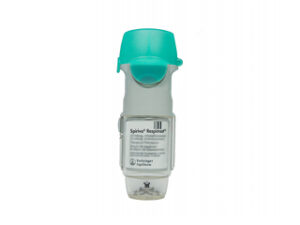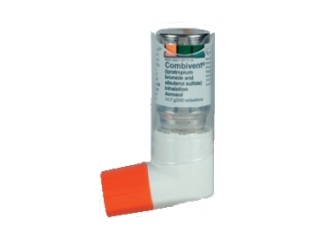

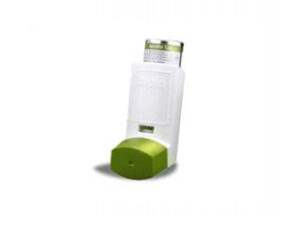
Combivent (Levosalbutamol / Ipratropium bromide) – Patient Guide (Australia)
Combivent is an inhaled medicine used to help relieve breathing difficulties in people with certain chronic lung conditions. It combines two active ingredients: levosalbutamol (a fast-acting “reliever” bronchodilator) and ipratropium bromide (an anticholinergic bronchodilator). Together, they work in complementary ways to open the airways and improve airflow.
This page explains how Combivent works, how it’s typically used, key safety considerations, and what to expect in everyday life in Australia.
Quick Facts
- Medicine: Combivent
- Active ingredients: Levosalbutamol + Ipratropium bromide
- Type: Inhaled bronchodilator combination
- Common uses: Improving breathing in chronic obstructive pulmonary disease (COPD) and related airway narrowing
- How it’s taken: Usually by inhalation using a metered-dose inhaler (device details depend on the specific product presentation)
- Onset: Often within minutes for relief symptoms
How Combivent Works (Mechanism of Action)
Airway narrowing in conditions like COPD and some other chronic respiratory diseases is driven by several mechanisms, including: airway smooth muscle constriction, airway inflammation, and increased mucus. Combivent helps address the smooth muscle “tightening” from two directions:
-
Levosalbutamol (a β2-agonist):
- Stimulates β2 receptors on airway smooth muscle.
- Activates pathways that lead to relaxation of smooth muscle.
- Results in bronchodilation (opening of the airways).
-
Ipratropium bromide (an antimuscarinic):
- Blocks muscarinic (cholinergic) receptors in the airways.
- Reduces signals that normally promote bronchoconstriction and mucus-related effects.
Why the combination helps: Levosalbutamol and ipratropium bromide target different receptors. Using both can improve bronchodilation more than either component alone for many people.
Typical Use and Indications
Combivent is used to relieve breathing symptoms caused by reversible airway narrowing. In Australia, it is commonly used in the management of chronic obstructive pulmonary disease (COPD) when symptoms are not adequately controlled with single-agent bronchodilation.
Indications (Common Clinical Use)
- COPD: relief of symptoms and improvement in airflow, particularly where combined bronchodilation is beneficial.
- Acute symptom flare-ups (under clinical guidance): a clinician may recommend use during worsening breathlessness depending on the individual plan.
If you are unsure whether Combivent is right for you, review your individual treatment plan and talk to your healthcare professional. The sections below explain general dosing and safety information.
How Soon It Works and Timing
Inhaled bronchodilators generally act quickly. Many people notice improvement within minutes. Timing varies between individuals and depends on:
- Correct inhaler technique
- Severity of airway narrowing
- Whether the airways are currently inflamed or congested
- Device performance (spray speed, coordination, inhalation depth)
Practical approach: Use Combivent as directed on your product information and your care plan. If you need it much more often than usual, or symptoms worsen despite use, seek medical advice promptly.
Dosing – What Is Typical?
Dosing depends on the specific product presentation and your individual condition. Always follow the written directions provided with your medicine. Below is general guidance consistent with how Combivent combination inhalers are commonly prescribed/used:
| Situation | Typical dosing approach (general) | Notes |
|---|---|---|
| Routine symptom control | Multiple inhalations per day at set intervals | Often used as a planned bronchodilator regimen rather than only as-needed. |
| Breathlessness episodes | May be used as part of an individual action plan | If you require frequent rescue doses, it may indicate worsening disease. |
| Missed dose | Use when remembered unless close to the next dose | Do not double up; follow product directions or clinician advice. |
Important: Do not exceed the recommended dose. Taking more does not necessarily improve effectiveness and can increase side effects, such as tremor, palpitations, or dry mouth.
Pharmacokinetics – What Happens to the Medicine in the Body?
Pharmacokinetics describes how the body absorbs, distributes, metabolises, and eliminates a medicine. For inhaled combinations like Combivent, key points are:
- Absorption: After inhalation, the medicines deposit primarily in the lungs and to a smaller extent in the oropharynx. Some swallowed portion may contribute to systemic absorption.
- Distribution: Both components can enter the bloodstream to a limited degree. Most of the therapeutic effect is local in the airways.
- Metabolism: The body processes each component through its normal metabolic pathways. Exact pathways vary for each ingredient.
- Elimination: Metabolites and drug residues are eliminated primarily via the kidneys (and to a lesser extent other routes, depending on the ingredient and individual factors).
Because much of the benefit is local (in the lungs), systemic exposure is generally lower than with oral bronchodilators, though side effects can still occur. People with kidney problems or other comorbidities may require closer attention to overall medication tolerance.
Food Interactions
Combivent is inhaled. In general, food does not significantly affect absorption because the medicine is delivered to the lungs rather than swallowed and digested.
Still, consider these practical points:
- If you use the inhaler soon after eating and you experience coughing or throat irritation, allow a short interval before inhalation.
- Rinsing or gargling after use may help reduce throat discomfort (particularly if you use other inhaled medicines as well).
Alcohol and Medicine Interactions
Alcohol
There is no universal “absolute” alcohol restriction for everyone using Combivent, but alcohol may worsen breathing for some people and can contribute to dehydration or sleep disruption. Alcohol can also increase the risk of feeling unwell when combined with medications that can cause dizziness or palpitations.
If you notice increased heart rate, tremor, dizziness, or worse breathlessness after drinking alcohol, reduce or avoid alcohol and discuss this with your healthcare professional.
Medicine Interactions (Key Examples)
Interactions can occur because Combivent’s components affect heart rate, airway tone, and electrolyte balance in specific ways. The most important interaction considerations include:
-
Other β-agonists (e.g., salbutamol/other relievers):
- Using multiple bronchodilators together can increase the chance of side effects such as tremor or palpitations.
-
Other anticholinergic medicines:
- Combivent already contains an antimuscarinic component. Combining with other anticholinergics may increase side effects such as dry mouth, blurred vision, or urinary retention risk.
-
Beta-blocker medicines (for some heart conditions):
- Non-selective beta-blockers may reduce the bronchodilator effect of β-agonists.
- Many beta-blockers are selective; the overall impact depends on the specific medicine. Do not stop any heart medication—seek advice.
-
Diuretics and other drugs affecting potassium:
- β-agonists can sometimes contribute to lowering potassium. When combined with diuretics, this may increase risk in susceptible individuals.
-
Some medicines that affect heart rhythm:
- People with existing rhythm issues may need extra caution. Discuss your full medication list.
Tip: If you are unsure about an interaction, keep a written list of all medicines (including over-the-counter medicines and supplements) and show it to a pharmacist. In Australia, pharmacists are very helpful for interaction checks.
Safety Profile – Side Effects and When to Seek Help
Common Side Effects
Side effects are usually mild and may improve as your body adjusts. Potential common effects include:
- Tremor
- Headache
- Nervousness
- Dry mouth (more associated with ipratropium)
- Throat irritation or mild cough after inhalation
- Palpitations (a noticeable heartbeat), especially if you take frequent doses
Less Common but Important Side Effects
- Rapid or irregular heartbeat
- Chest pain or fainting
- Allergic-type reactions (swelling of face/lips, hives, difficulty breathing beyond your usual pattern)
- Eye symptoms if the medicine gets into the eyes (blurred vision, eye pain, halos around lights)
- Urinary difficulty (more likely in people with prostate problems or bladder outflow obstruction)
Seek Urgent Medical Help If
- Your breathlessness is rapidly worsening, or you are struggling to speak in full sentences.
- You experience severe chest pain, fainting, or a very fast irregular heartbeat.
- You develop facial/lip swelling, hives, or severe allergic symptoms.
- You get eye pain or vision changes after using the inhaler.
Practical Use Tips (How to Get the Best Results)
Inhaler technique strongly affects how well Combivent works. Poor technique can lead to less medicine reaching the lungs and more medicine depositing in the mouth and throat.
Before You Start
- Check the inhaler type and follow the specific steps for your device.
- If possible, ask a pharmacist or nurse to watch your technique at your first visit and periodically thereafter.
Common Technique Tips
- Shake the inhaler if your device instructions indicate it should be shaken.
- Breathe out fully before inhaling the dose (do not exhale into the device).
- Start a slow, deep inhalation at the right moment of actuation (timing depends on the device).
- Hold your breath for about 5–10 seconds (or as long as comfortable) after inhalation.
- If a second puff is needed, wait the recommended interval between puffs.
After Use
- If you experience throat irritation, consider rinsing/gargling with water after use (spit out the water; don’t swallow if you only rinsed).
- Keep your inhaler clean and ensure the mouthpiece stays free from blockage.
Missed Doses and Dose Escalation
If you miss a dose, generally take it when you remember, unless it is nearly time for your next dose. Do not take extra doses to “catch up.”
If your breathing symptoms worsen or you require frequent inhalations more than your usual pattern, this may indicate that your COPD (or another condition) is not adequately controlled. Talk to your healthcare professional promptly to review your treatment plan.
Alternative Options
People with COPD or similar airway conditions may use different combinations of bronchodilators depending on symptoms, exacerbation history, and individual tolerance. Alternatives may include:
- Single-agent inhalers:
- Short-acting β2-agonists (relievers)
- Short-acting anticholinergics
- Different bronchodilator combinations:
- Short-acting combinations
- Long-acting bronchodilators (including combinations of different mechanisms)
- Controller therapies (for some patients):
- Inhaled corticosteroids and other options may be considered when indicated as part of long-term control.
The best alternative depends on your diagnosis, symptom pattern, and exacerbation risk. A pharmacist or GP can help compare options available in Australia.
Market and Legal Context in Australia
Medicines in Australia are regulated under the Australian regulatory framework administered by the Therapeutic Goods Administration (TGA). The classification (for example, whether a medicine is listed on the Register of Therapeutic Goods and its scheduling) affects how it is supplied.
In general terms, inhaled bronchodilators like Combivent are provided through appropriate channels in accordance with Australian medicines regulation and the relevant product information. If you have questions about supply eligibility or documentation requirements, your local pharmacy can clarify what applies to your location and product.
Guidelines and Recent Guidance (High-Level)
Treatment of COPD and chronic airway diseases in Australia is commonly guided by evidence-based clinical guidance, such as resources developed by specialist and government bodies and professional societies. The overall trend in COPD management is:
- Use bronchodilators to reduce symptoms and improve exercise tolerance
- Consider long-acting bronchodilators for long-term control in appropriate patients
- Use inhaled relievers for symptom relief and management of flare-ups as part of a personalised action plan
- Provide optimisation of inhaler technique and adherence, and review ongoing needs regularly
For the latest recommendations, consult current Australian COPD resources and your healthcare professional, as guidance can be updated over time.
Delivery and Availability (Australia)
Combivent is typically available through pharmacies and may be supplied in different pack sizes depending on availability. Online pharmacies may offer:
- Home delivery within Australia (availability varies by pharmacy and product stock)
- Tracking for shipped orders
- Packaging that protects inhalers and maintains product integrity
Delivery timeframes depend on your location and courier service. When ordering online, check:
- Estimated delivery window at checkout
- In-stock status
- Substitution policy (if applicable)
- Cold-chain requirements (usually not relevant for inhaler products, but always confirm per product label)
Storage and Handling
- Store according to the instructions on the pack or leaflet.
- Keep away from direct heat, moisture, and sunlight.
- Do not puncture or dispose of the inhaler in fire (if it contains propellant).
- Keep out of reach of children.
FAQ – Combivent (Levosalbutamol / Ipratropium bromide)
1. What is Combivent used for?
Combivent is used to help relieve breathing symptoms related to airway narrowing, most commonly in COPD, by opening the airways through combined bronchodilation.
2. How fast does it work?
Many people feel improvement within minutes after inhalation. Exact timing varies based on inhaler technique and the severity of your symptoms.
3. Can I use Combivent “as needed”?
It may be used for relief as part of your individual care plan. Some people use it as a regular schedule. Follow the dosing directions supplied with your product and your asthma/COPD management plan.
4. What if I get tremor or palpitations?
These can be related to β2-agonist effects. If symptoms are mild, review whether you are taking more frequently than prescribed. If palpitations are strong, persistent, or accompanied by chest pain or fainting, seek urgent medical care.
5. How do I know I’m using the inhaler correctly?
Technique is critical. If possible, ask a pharmacist to observe you using the device. If symptoms aren’t improving, reassessing technique is often the first step.
6. Will it interact with my other inhalers?
Combivent can be used alongside other respiratory medicines, but interactions depend on which medicines you’re using. In particular, combining multiple β-agonists or anticholinergics may increase side effects. Tell your pharmacist your full list of inhalers and medications.
7. Is it safe with alcohol?
Moderate alcohol may be tolerated by many people, but alcohol can worsen breathing or cause dizziness in some individuals. If you notice worsened breathlessness, palpitations, or feeling unwell, reduce or avoid alcohol and discuss with your healthcare professional.
8. Can I drive after using Combivent?
Most people can drive as usual. However, if you feel shaky, dizzy, or have palpitations, avoid driving until you feel steady. If you have concerns, seek advice.
9. What side effects should worry me?
Seek medical help urgently for severe allergic reactions, chest pain, fainting, rapidly worsening breathlessness, or eye symptoms such as pain or blurred vision after inhalation.
10. Are there alternatives to Combivent?
Yes. Depending on your condition, your clinician may consider single-agent bronchodilators, different combinations, or long-acting controller therapies. Your pharmacist can help you understand which options are commonly available in Australia.
Summary
Combivent (levosalbutamol / ipratropium bromide) combines two bronchodilators that relax and open the airways through different mechanisms. It’s commonly used in COPD to improve symptoms and relieve breathlessness. For best results, correct inhaler technique and adherence to your dosing plan are essential. As with any inhaled medicine, side effects can occur—most are mild, but certain symptoms require urgent assessment.
If you have questions about your inhaler, interactions with your current medicines, or whether your symptoms suggest a need to review your treatment plan, speak with a pharmacist or healthcare professional.