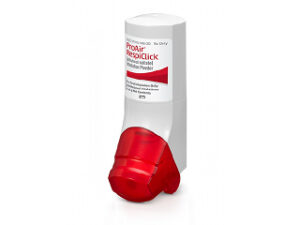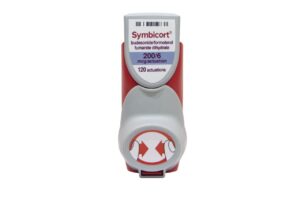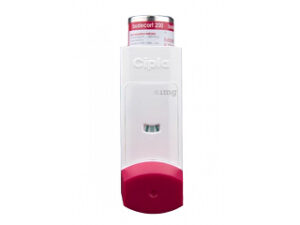
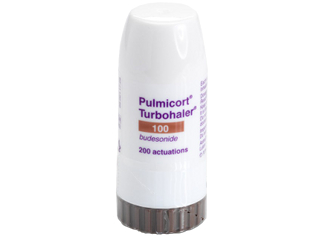
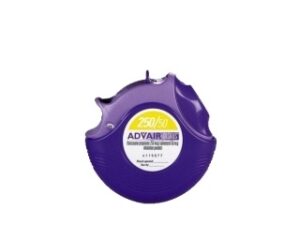
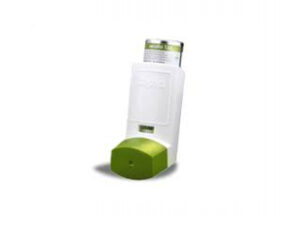
Pulmicort (Budesonide) — Patient Information (Australia)
Pulmicort is a brand of budesonide, a corticosteroid medicine used to help control inflammation in the airways. It is commonly used for asthma and other steroid-responsive breathing conditions. This page explains how Pulmicort works, how it’s used, what to expect, and important safety information to help you use it confidently.
Note: Product strengths and device types may vary (for example, inhalers, nebules). Always follow the specific instructions supplied with your Pulmicort product and any advice from your healthcare professional.
Quick overview
- Active ingredient: Budesonide
- Medicine type: Inhaled corticosteroid (ICS)
- Main use: Reducing airway inflammation to prevent asthma symptoms
- Typical benefit: Better symptom control, fewer flare-ups
- Works best when used regularly (not as a fast “reliever”)
Basic product information
| Feature | Details |
|---|---|
| Brand name | Pulmicort |
| Generic name | Budesonide |
| Dosage forms (may vary by product) | Inhaled formulations including nebuliser solution (nebules) and inhalers, depending on availability |
| Medicine class | Glucocorticoid (corticosteroid), inhaled |
| Therapeutic role | Controller (maintenance) therapy for airway inflammation |
How Pulmicort works (mechanism of action)
Budesonide is an anti-inflammatory corticosteroid. When inhaled, it delivers medication directly to the lining of the airways. It works by:
- Reducing inflammatory chemicals released in asthma
- Decreasing airway swelling and mucus production
- Improving airway responsiveness so breathing is easier
- Lowering the likelihood of flare-ups when used consistently
Important: Pulmicort is generally used for prevention and long-term control. It is not usually intended as a rapid relief medicine during sudden asthma attacks.
Pharmacokinetics (how the body handles it)
“Pharmacokinetics” describes how the body absorbs, distributes, metabolises, and eliminates a medicine.
- Absorption: With inhaled use, budesonide deposits in the lungs and is absorbed through lung tissue.
- First-pass metabolism: A significant portion of any swallowed drug (from inhalation) can be processed in the liver before it reaches the bloodstream.
- Metabolism: Budesonide is mainly metabolised by the liver enzyme system (notably CYP3A4).
- Elimination: Metabolites are excreted primarily by the kidneys.
Clinical implication: Because budesonide is metabolised in the liver, some medicines that affect liver enzymes can change its levels in the body (see “Medicine and alcohol interactions”).
What Pulmicort is used for (indications)
Pulmicort is used to treat conditions where corticosteroids help control airway inflammation. Common indications include:
- Asthma (maintenance/controller treatment to improve symptoms and reduce exacerbations)
- Croup (in some settings, nebulised budesonide may be used as an anti-inflammatory treatment for croup symptoms)
- Other steroid-responsive inflammatory airway conditions as assessed by a clinician
Which indication applies to your exact product and strength depends on the device and your local treatment plan.
Typical use and expected timing
How soon it starts working
- Short-term relief: Some people notice improvement in symptoms within days.
- Best effect: Full anti-inflammatory effect typically develops over 1–2 weeks (sometimes sooner, sometimes longer depending on the person and severity).
How to schedule your dose
Many patients are prescribed a once or twice daily regimen depending on severity and the formulation.
- Use regularly even when you feel well.
- Try to take doses at the same times each day to maintain consistent control.
- If you miss a dose, take it when you remember unless it’s close to the next dose. Do not double up.
Tip: Setting reminders on your phone can help you stay consistent, especially if your schedule changes.
Food interactions
Because Pulmicort is primarily delivered by inhalation, food interactions are generally minimal. However, there are a few practical considerations:
- Swallowed medicine: Some inhaled dose may be swallowed after inhalation. This is usually processed by the liver and may be affected by other medicines, not by food.
- Rinsing after use: It is recommended to rinse your mouth (and gargle if appropriate) after inhalation to reduce the risk of mouth/throat side effects such as oral thrush.
Practical advice: Food does not typically need to be avoided. If you feel your dose affects appetite or causes nausea, take it with a snack unless your clinician has advised otherwise.
Alcohol interactions and considerations
Direct interactions between inhaled budesonide and alcohol are not commonly highlighted. However, alcohol can indirectly affect asthma control by:
- Triggering symptoms in some people
- Worsening reflux (in some), which can aggravate cough
- Reducing your ability to notice early symptoms of flare-ups
Guidance: If you notice alcohol worsens breathing, consider limiting it. If you have severe asthma or frequent exacerbations, discuss alcohol habits with your healthcare professional.
Medicine interactions (including important enzyme effects)
Budesonide is metabolised mainly by CYP3A4. Medicines that strongly inhibit or induce CYP3A4 may alter budesonide exposure.
Potential interactions
- CYP3A4 inhibitors (can increase budesonide levels): examples include some antifungals (e.g., ketoconazole, itraconazole) and certain antibiotics (e.g., clarithromycin) and some HIV medicines. Increased steroid exposure can raise the risk of side effects.
- CYP3A4 inducers (can reduce budesonide levels): for example some seizure medicines (e.g., phenytoin, carbamazepine) and rifampicin. Reduced exposure may reduce effectiveness.
- Systemic corticosteroids: taking multiple steroid medicines can increase overall steroid effects.
- Other inhaled medicines (such as bronchodilators): usually used together in asthma plans; ensure correct timing and technique.
Always check: Tell your pharmacist about all medicines you use, including over-the-counter products, herbal supplements, and skin creams or tablets that contain steroids.
Dosing: general information
Dose depends on the condition, severity, age, and the specific Pulmicort product/strength. Therefore, dosing must be individualised.
General principles
- Use the lowest effective dose that controls symptoms.
- Do not stop suddenly without medical advice if you’ve been using it regularly, especially at higher doses.
- Correct technique matters for the dose to reach the lungs.
How dosing is typically approached in asthma
- Many patients start at a dose based on symptom frequency and past control.
- Once control is stable, a clinician may step down to the lowest effective dose.
- If symptoms worsen, treatment may be stepped up (often adding or adjusting medicines in the asthma action plan).
Croup dosing (where nebulised budesonide is used) is commonly weight/age-based in clinical protocols and emergency/urgent care settings. If you are using a prescribed nebulised product, follow the specific dosing instructions provided with your course.
Because Pulmicort products vary, use the dosing instructions on your medicine label or the device guide for your exact product.
Safety profile: side effects and what to watch for
Inhaled corticosteroids are designed to act mainly in the lungs, which helps reduce whole-body steroid effects. However, side effects can still occur, especially at higher doses or if technique is poor.
Common side effects
- Throat irritation, hoarseness, or voice changes
- Oral thrush (white patches in the mouth) or mouth discomfort
- Cough or mild irritation after inhalation
- Headache (sometimes)
Less common but important side effects
- Systemic corticosteroid effects (more likely at high doses or prolonged use), such as reduced bone density over time, growth effects in children, or adrenal suppression
- Increased susceptibility to infections (for example, thrush)
- Eye problems with long-term steroid exposure (e.g., cataracts or glaucoma) — discuss with a clinician if you use it long term
When to seek urgent medical help
Seek urgent care if you experience:
- Severe breathing difficulty
- Signs of a serious allergic reaction (e.g., facial swelling, hives, wheezing after a dose)
- Rapid worsening of asthma symptoms that do not respond to your usual reliever
Monitoring and follow-up
- If you use Pulmicort regularly, clinicians often review symptoms, inhaler technique, and sometimes lung function.
- Children may be monitored for growth, especially at higher doses.
- Discuss any recurrent thrush or persistent voice issues—often technique adjustments and rinsing help.
Practical use tips (technique and daily habits)
Good technique increases the amount of medicine delivered to your lungs and lowers the risk of side effects.
General tips after using Pulmicort
- Rinse your mouth after each dose (and gargle if you can).
- Do not swallow the rinse water (spit it out).
- Check your device instructions; each device has a specific method.
Inhaler/nebuliser technique basics
- Inhale correctly: Slow and steady inhalation is often important (depends on device).
- Timing: Coordinating pressing and inhaling is crucial for some inhalers; others are breath-actuated.
- Consistency: Use the device exactly as described, every time.
- Cleaning: Keep inhaler parts clean as instructed to reduce contamination and maintain delivery.
Adherence tips
- Pair your dose with routine events (e.g., after brushing teeth in the morning and before bed).
- Keep a written list of your doses and your asthma action plan (if you have one).
- If you use a spacer with an inhaler, learn how and when to use it—spacers can improve lung delivery.
Missed dose
- If you miss a dose, take it when you remember.
- If it’s near your next dose, skip the missed one.
- Do not take extra doses to “catch up.”
Alternative options
If Pulmicort isn’t suitable (for example, due to side effects, incorrect fit with a device, or your asthma plan requirements), there are other controller options. Alternatives may include:
- Other inhaled corticosteroids (similar class): e.g., fluticasone, beclometasone, mometasone (choice depends on device and dosing schedule).
- Combination inhalers (ICS plus a long-acting bronchodilator), when recommended as part of a step-up plan.
- Leukotriene receptor antagonists (not a steroid, different mechanism) for selected patients.
- Other add-on therapies for severe asthma as assessed by specialists (e.g., biologics).
Your best alternative depends on your diagnosis, severity, device preference, and how well your symptoms are controlled.
Market and legal context for Australia
In Australia, inhaled corticosteroids like budesonide are regulated medicines. Availability can depend on the specific product format and strength, and some may be available without prescription while others may require assessment by a healthcare professional under Australian medicines regulations and pharmacy requirements.
Branding and supply: Pulmicort products may be stocked by pharmacies and may be subject to periodic supply changes. Prices and availability can vary by manufacturer and supply chain.
Safety and quality: Medicines sold in Australia must comply with Australian regulatory standards. Your online pharmacy should provide clear product identification (brand name, strength, pack size) and dosing instructions consistent with the supplied product information.
Recent guidance and clinical approach (Australia)
Asthma treatment in Australia commonly follows guideline-based “step” approaches. In general:
- Inhaled corticosteroids are foundational controller therapy for persistent asthma.
- Regular review helps confirm correct technique, adherence, and whether treatment should be stepped up or down.
- When symptoms increase, clinicians often adjust controller therapy rather than relying on reliever medicines alone.
Clinical decisions should be personalised to the individual. Guidance can evolve, so it’s important to use the most current advice provided by healthcare professionals and official asthma resources.
Delivery and availability (online pharmacy)
Delivery timelines and availability may vary across Australian states and territories. Typical considerations include:
- Stock status: Some strengths or pack sizes may sell out temporarily.
- Cold chain: Most inhaled corticosteroid products do not require refrigeration, but always confirm handling instructions for your specific product.
- Packaging: Your order should arrive in manufacturer packaging with readable labels and expiry dates.
Before you order: Confirm the correct product type (inhaler vs nebuliser) and strength to match your prescribed treatment plan or product instructions.
Frequently Asked Questions (FAQ)
Is Pulmicort the same as a reliever inhaler?
No. Pulmicort is an inhaled corticosteroid controller that reduces inflammation over time. Most reliever inhalers (often short-acting bronchodilators) work faster for sudden symptoms. Your asthma plan usually includes both controller and reliever medicines.
How long does it take for Pulmicort to work?
Some people notice improvement within a few days, but the full anti-inflammatory effect often takes about 1–2 weeks. Consistent daily use is key.
What should I do if I get thrush?
Thrush appears as white patches in the mouth or soreness. Rinse and gargle after each dose. If symptoms persist or are severe, speak with a healthcare professional—treatment may be required and your technique may need adjusting.
Can I stop Pulmicort suddenly?
Do not stop suddenly unless your clinician advises it, particularly if you’ve been using it regularly for a long time or at higher doses. Your doctor may recommend a gradual step-down based on your control.
Should I rinse my mouth after using Pulmicort?
Yes. Rinsing your mouth (and gargling if appropriate) after each dose helps reduce the risk of oral thrush and hoarseness.
Can I take Pulmicort with other asthma medicines?
Often yes. Many asthma plans use Pulmicort alongside bronchodilators and, in some cases, other controller medicines. Make sure you understand your schedule and technique for each device.
Does food affect Pulmicort?
Generally, food interactions are minimal because Pulmicort is inhaled. The main practical step is mouth rinsing after use. If you have reflux or specific sensitivities, discuss them with a healthcare professional.
Are there any alcohol restrictions?
There are usually no strict alcohol restrictions. However, alcohol can worsen asthma symptoms in some people or contribute to reflux. If you notice a pattern, reduce or avoid alcohol and seek advice.
What if I’m taking medicines that affect the liver?
Because budesonide is metabolised (mainly via CYP3A4), some medicines (such as certain antifungals or antibiotics) may interact and increase budesonide levels. Always tell your pharmacist and clinician about your full medicine list.
Is Pulmicort safe for children?
Inhaled corticosteroids are commonly used in children when needed and prescribed. Children may require careful dosing and monitoring. Follow the child’s dosing instructions exactly and ensure technique is correct, often with a spacer and caregiver support.
How should I store Pulmicort?
Store at the temperature stated on the pack and keep it in a dry place. Keep out of reach of children. Check the packaging for specific storage conditions.
Where can I find the correct device instructions?
Your Pulmicort product box and leaflet should include device-specific instructions. If you’re unsure, ask a pharmacist to demonstrate technique for your exact device.
Summary
Pulmicort (budesonide) is an inhaled corticosteroid used to prevent and control airway inflammation, particularly in asthma. It works best when used regularly and may take 1–2 weeks to reach full benefit. Rinsing your mouth after each dose helps reduce common side effects such as oral thrush. As budesonide is metabolised in the liver (notably via CYP3A4), some medicines may interact, so always keep your pharmacist informed of your full medicine list.
If you have questions about your specific Pulmicort product, device technique, or how it fits into your asthma or airway plan, consult a healthcare professional.