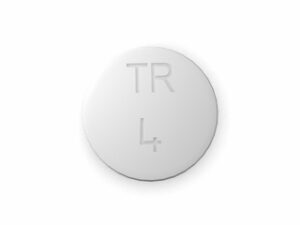
Desogestrel / Ethinyl Estradiol
Desogestrel and Ethinyl estradiol is a combined oral contraceptive pill (COCP) used to help prevent pregnancy and can also provide other benefits for some people. It contains two hormones: a progestogen (desogestrel) and an oestrogen (ethinyl estradiol).
This guide is designed to be patient-friendly and informative. It explains how the medicine works, how to take it, common side effects, safety considerations, and practical tips for best results in an Australian context.
Basic product information
| Item | Details |
|---|---|
| Medicine name | Desogestrel / Ethinyl estradiol |
| Medicine type | Combined oral contraceptive pill (COCP) |
| Active ingredients | Desogestrel (progestogen) + Ethinyl estradiol (oestrogen) |
| How it’s taken | Oral tablet, once daily |
| Typical cycle | Usually 21 active tablets followed by a break or placebo tablets (exact regimen varies by brand) |
| Main purposes | Contraception; sometimes helps regulate bleeding and reduce period pain/acne in suitable individuals |
How it works (mechanism of action)
Combined oral contraceptives help prevent pregnancy mainly by stopping ovulation (the release of an egg). They do this through:
- Suppression of ovulation: The progestogen and oestrogen together reduce the brain signals that trigger ovulation.
- Thickening cervical mucus: This makes it harder for sperm to move through the cervix.
- Changing the uterine lining: The endometrium becomes less suitable for implantation.
When taken correctly and consistently, COCPs are highly effective at preventing pregnancy. Effectiveness decreases if pills are missed or taken late, or if vomiting/diarrhoea affects absorption.
Pharmacokinetics (how your body processes the medicine)
Pharmacokinetics describe how the body absorbs, distributes, metabolises, and eliminates the hormones. Exact values can vary between individuals and between brands, but these general principles apply:
- Absorption: Both hormones are absorbed after oral dosing. Ethinyl estradiol tends to have relatively predictable absorption.
- Distribution: The hormones bind to plasma proteins. Ethinyl estradiol is largely bound to sex hormone–binding globulin (SHBG) and albumin.
- Metabolism: Desogestrel and ethiny estradiol are metabolised mainly in the liver through metabolic pathways (including CYP enzymes).
- Elimination: Metabolites are cleared through urine and faeces. Hormone levels fluctuate with dosing schedule and metabolism.
- Steady state: Hormone levels become more stable after repeated daily dosing over several days.
Understanding pharmacokinetics helps explain why some medicines can reduce contraceptive reliability (for example, strong enzyme inducers).
Typical uses
Desogestrel / ethiny estradiol is used for:
- Contraception: preventing pregnancy.
- Cycle regulation: helping create more predictable bleeding patterns.
- Period-related symptoms: some people experience reduced menstrual pain and may have improved acne/hormonal skin symptoms. (Benefits vary by person.)
The most appropriate choice of contraceptive depends on your health history, preferences, smoking status, and other medicines.
When and how to take it (timing and start)
Always follow the schedule provided with your specific brand of desogestrel/ethinyl estradiol tablets. Regimens can differ (for example, 21 active tablets with a pill-free break, or sequences containing placebo tablets).
Starting the first pack
Common starting options include:
- Start on day 1 of your period: effective contraception starts immediately in most cases.
- Start after day 1: contraception may not be fully effective right away; extra contraception (e.g. condoms) may be needed for a short period.
- Switching from another contraceptive: timing depends on what you are switching from (pill, patch, ring, injection, implant, or IUD).
If you’re unsure whether you need additional protection at the start, seek product-specific guidance or ask a healthcare professional.
Daily timing
- Take one tablet each day at about the same time.
- If you miss a dose, follow the missed-pill advice for your specific regimen. Missing pills can reduce protection.
- If you vomit shortly after taking a tablet, it may not be absorbed fully. Take advice on what to do next (often another tablet is recommended depending on timing).
For best results, consider setting a daily reminder and storing your tablets somewhere easy to access.
Food interactions
Food generally does not significantly affect how desogestrel/ethinyl estradiol is absorbed, so you can take it with or without food. However, if you have ongoing vomiting or severe diarrhoea, absorption may be reduced—this can affect contraceptive reliability.
- Vomiting or severe diarrhoea: treat as potential reduced absorption—use extra contraception and follow product-specific guidance.
- Grapefruit and similar foods: no routine dietary restriction is typically required, but always check for interactions with any medicines you take.
Alcohol and medicine interactions
Moderate alcohol intake does not typically directly interfere with the hormones in combined oral contraceptives. However, heavy drinking or episodes of vomiting can indirectly reduce absorption and increase missed-dose risk.
Alcohol
- Occasional/moderate alcohol: generally not a problem for most people.
- Heavy alcohol use: may increase the chance of missed doses and vomiting—use caution.
Medicine interactions (important)
Some medicines can reduce effectiveness of combined oral contraceptives by increasing hormone metabolism. Others can increase hormone levels or increase side effect risk.
Tell us (or your prescriber) about all medicines you take, including herbal products and over-the-counter remedies.
Examples of medicines that may reduce contraceptive effectiveness
- Enzyme inducers (commonly discussed categories include certain anti-epileptics such as carbamazepine, phenytoin, topiramate at higher doses, and some others).
- Rifampicin and rifamycin-class antibiotics.
- Some treatments for HIV (depending on regimen).
- Some herbal products such as St John’s wort.
Examples where interactions may increase oestrogen exposure or risk
- Some antifungals and antibiotics may increase hormone levels in certain cases.
- Medicines that affect clotting risk in combination with COCPs may increase overall risk (this depends on your individual situation).
If you start or stop an interacting medicine, ask how long additional contraception is needed. Many interactions require extra precautions for the duration of the interacting medicine and for a period afterwards.
Indications (who it’s for)
Desogestrel / ethinyl estradiol is indicated for people who:
- Want reliable pregnancy prevention using an oral contraceptive, and
- Have no contraindications to combined hormonal contraception, such as certain clotting risks or specific migraine patterns, and
- Can safely use oestrogen-containing contraception based on their medical history and current medications.
If you have any history of blood clots, certain migraine types, uncontrolled high blood pressure, significant liver disease, or you smoke and are older, combined pills may not be suitable. Risk assessment is important.
Dosing and how to use correctly
The standard approach is:
- Dose: typically one active tablet daily.
- Duration: continue the course according to the pack schedule (e.g. 21 active tablets then break, or active/placebo sequences).
- Missed doses: follow the missed-pill instructions specific to your product and regimen.
What to do if you miss a pill (general guidance)
Missed-pill rules vary by brand and by whether you missed one or multiple pills. Because accuracy matters for safety and effectiveness, use the instruction leaflet that comes with your tablets or follow the advice provided by a healthcare professional.
In general, missed pills can require:
- Taking the missed pill as soon as you remember (if still within the recommended window),
- Taking the next pill at the usual time,
- Using additional contraception (e.g. condoms) for a short period, especially if multiple pills are missed.
Starting after pregnancy, breastfeeding, or postpartum
After pregnancy and during breastfeeding, hormonal contraception choices may differ. In many situations, oestrogen-containing pills are avoided in the early postpartum period due to clot risk. Seek tailored advice based on timing and breastfeeding status.
Safety profile
Common side effects
Many people tolerate combined oral contraceptives well. Common, usually mild or temporary effects include:
- Nausea
- Breast tenderness
- Headache
- Spotting or breakthrough bleeding, especially in the first few months
- Mood changes
- Changes in libido
Serious risks (seek urgent help if symptoms occur)
Combined oral contraceptives are associated with an increased risk of blood clots compared with not using hormonal contraception. The risk is still generally low in healthy non-smokers, but it is higher in certain situations.
Get urgent medical attention if you experience symptoms that may indicate a clot, such as:
- Leg swelling/pain (often one-sided), warmth, or redness
- Chest pain, coughing blood, or sudden shortness of breath
- Sudden severe headache or vision changes
- Weakness or numbness on one side of the body
- Severe abdominal pain
Other important safety considerations
- Migraine: If you develop new migraine headaches or migraine with aura, combined pills may need reconsideration.
- Smoking: Smoking significantly increases cardiovascular risks, especially in people over 35.
- Blood pressure: Oestrogen-containing pills can raise blood pressure in some people.
- Liver issues: COCPs may not be suitable in certain liver conditions.
- Cholestasis/previous liver disease: discuss with a clinician if you have a history.
Practical use tips for better effectiveness
- Choose a consistent time: morning with breakfast, or at bedtime—whatever you can maintain daily.
- Use reminders: alarms on your phone or a pill organiser.
- Carry a backup supply: especially when travelling.
- Track your pack schedule: know when your pill-free or placebo days occur.
- Plan for missed doses: keep the leaflet guidance accessible.
- Consider additional contraception when unwell: if you have vomiting or severe diarrhoea.
- Check drug interactions: review new medications, including short courses and herbal products.
If you frequently miss pills or have trouble maintaining daily consistency, you may consider longer-acting methods such as an implant or injection, depending on your preferences and suitability.
Alternative options
If desogestrel/ethinyl estradiol isn’t suitable or you prefer a different approach, there are several contraceptive alternatives. Options vary in effectiveness, bleeding patterns, and suitability depending on individual health factors.
Other hormonal methods
- Other combined oral contraceptives (different progestogens and oestrogen doses)
- Progestogen-only pill (no oestrogen; different missed-pill rules)
- Contraceptive implant (long-acting, typically several years)
- Contraceptive injection (administered every few months)
- Hormonal IUD (long-acting; may reduce bleeding)
Non-hormonal options
- Copper IUD (long-acting; may increase bleeding in some)
- Barrier methods (condoms, diaphragms)
A pharmacist or clinician can help compare options based on health, goals (e.g. cycle control), and lifestyle.
Australia: market and legal context, availability and guidance
In Australia, oral contraceptives are regulated medicines and are generally supplied through approved channels. Availability depends on the specific product and formulation, and some brands may be listed for dispensing under local arrangements.
Guidance for safe use often emphasises:
- Assessing personal risk factors (e.g. clotting risk, smoking status, migraine history).
- Considering interactions with other medications.
- Using reliable timing and missed-dose guidance to maintain effectiveness.
- Reviewing ongoing suitability if new medical conditions arise.
Recent and common clinical guidance (what it means for you)
While product-specific advice can vary, ongoing clinical and public health messages generally reinforce:
- Do not delay seeking advice if you develop severe symptoms (especially clot or stroke-like symptoms).
- Be cautious with enzyme-inducing medicines and herbal products.
- Individualise contraceptive choice based on risk factors and preferences.
If you are unsure whether desogestrel/ethinyl estradiol is appropriate for you, it’s reasonable to discuss with a pharmacist. They can help with general safety checks, interactions, and how to take the tablets correctly.
Delivery and availability (online pharmacy)
Availability can vary by brand and strength. When ordering online in Australia, delivery time depends on stock status and your location. Many online pharmacies offer:
- Secure packaging to protect tablets during transit
- Tracking updates in the dispatch process (depending on carrier)
- Packaging and labelling consistent with Australian requirements
To support smooth delivery, ensure your details are accurate and follow any recommended storage instructions on the pack.
How long until it starts working?
The contraceptive effect depends on when you start your first pack and your regimen. Some people become protected immediately when starting on the right day of their cycle, while others need additional contraception for a short time.
- Starting on day 1 of your period: protection is typically immediate.
- Starting later: consider additional contraception for the first period of active tablets (follow product instructions).
If you have had sex since starting or during the first days of a new pack, consider the timing guidance in the leaflet and ask for tailored advice.
FAQ
1) Can I take desogestrel/ethinyl estradiol with food?
Yes. It can usually be taken with or without food. The bigger issue is vomiting or severe diarrhoea shortly after taking a tablet, as this can reduce absorption.
2) What if I’m late taking my pill?
Taking it at the same time each day helps. If you are late, follow the missed/late dose advice for your specific brand and pack type. In many regimens, “late but not missed” rules differ from “missed” rules.
3) What should I do if I miss more than one pill?
Missed-dose rules depend on how many pills were missed and where you are in the pack. Use the instructions in your leaflet and consider using additional contraception. If you’re unsure, ask a pharmacist for the correct guidance for your regimen.
4) Will it stop my periods?
Some people have regular withdrawal bleeding or scheduled bleeds. Others may have lighter bleeding or occasional spotting. It usually doesn’t “permanently stop” menstruation; bleeding patterns can change over time.
5) Can I drink alcohol while taking it?
Moderate alcohol is generally fine. However, heavy drinking or vomiting can increase missed-dose risk or reduce absorption.
6) Do antibiotics affect the pill?
Many antibiotics do not significantly affect COCP effectiveness, but some medicines—particularly enzyme-inducing ones like rifampicin—can reduce effectiveness. It’s best to check with a pharmacist if you’re starting any new antibiotic or long-term medication.
7) Is it safe if I get migraines?
Migraine history matters. Combined pills may be inappropriate for migraine with aura or in certain other circumstances. If you develop new migraines or aura symptoms, seek medical advice promptly.
8) What are warning signs that mean I should stop and get help?
Seek urgent medical attention for symptoms suggestive of blood clots (e.g. chest pain, sudden shortness of breath, leg swelling, severe sudden headache, or neurological symptoms such as weakness or vision changes).
9) Are there alternatives if I have side effects?
Yes. Options include other combined pills (different progestogens), progestogen-only methods, or long-acting methods like implants or IUDs. The best choice depends on your health and your goals.
10) How do I store the tablets?
Store according to the instructions on the packaging (often at room temperature, away from moisture and heat). Keep tablets in their original packaging until use.
Important note
This information is general and may not cover every situation. Individual suitability depends on your medical history, risk factors, and current medicines. If you have questions about whether desogestrel/ethinyl estradiol is right for you, or you’re starting/stopping interacting medicines, contact a healthcare professional or pharmacist for personalised guidance.