Tenormin (Atenolol) – Patient-Friendly Guide
Tenormin is a brand of atenolol, a medicine used to help manage several heart-related conditions and to control blood pressure. It belongs to a group of medicines called beta-blockers. This guide explains how Tenormin works, how it’s typically used, what to expect, and important safety information—written for people in Australia.
1) Basic Product Information
- Brand name: Tenormin
- Active ingredient: Atenolol
- Medicine type: Beta-blocker (selective beta-1 blocker)
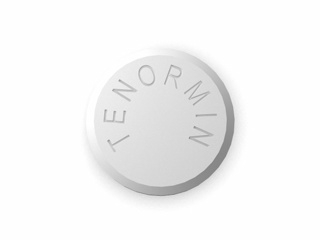
- Common strengths: Often available as oral tablets in different dose strengths (e.g., 25 mg, 50 mg, 100 mg), depending on local supply.
- Route: By mouth (oral tablets)
Note: Availability, tablet strengths, and pack sizes can vary. Always follow the directions provided with your specific product.
2) How Tenormin Works (Mechanism of Action)
Atenolol is a beta-1 selective (cardioselective) beta-blocker. It works mainly by:
- Reducing the heart rate (slower beating)
- Decreasing the force of contraction (less workload on the heart muscle)
- Lowering blood pressure and helping the heart pump more efficiently
By blocking beta-1 receptors, Tenormin can also help reduce the frequency and severity of some symptoms caused by increased adrenaline activity.
3) Pharmacokinetics (How the Body Handles Tenormin)
Understanding pharmacokinetics can help you know what affects onset, consistency, and duration.
- Absorption: Atenolol is absorbed from the gastrointestinal tract after oral dosing. Absorption may be variable between individuals.
- Peak effect: Blood levels typically rise to peak around 2–4 hours after taking a dose (exact timing varies).
- Distribution: It distributes to body tissues; it can cross into body fluids and may enter the central nervous system at some level, though effects vary.
- Metabolism: Atenolol is not extensively metabolised by the liver compared with some other beta-blockers.
- Elimination: It is primarily cleared by the kidneys (renal excretion).
- Half-life: The elimination half-life is generally around 6–7 hours, which is why once or twice daily dosing may be used depending on the condition and your prescriber’s plan.
Kidney function matters: Because atenolol is removed largely through the kidneys, people with reduced kidney function may need dose adjustments.
4) Typical Uses and Indications
Tenormin is used for conditions where slowing the heart and reducing its workload or controlling blood pressure are beneficial. Common indications include:
- High blood pressure (hypertension): Helps lower blood pressure and reduce cardiovascular risk.
- Angina (stable angina): Helps reduce chest pain frequency and improves exercise tolerance for some people.
- After a heart attack (post-myocardial infarction): May help reduce risk of certain complications, depending on the overall treatment plan.
- Some rhythm-related conditions: In certain cases, beta-blockers help control heart rate in arrhythmias.
- Off-label and specialist use: Some uses may be guided by specialist assessment and local clinical practice.
Important: The right indication and dose depend on your health history, other medicines, and kidney function.
5) When to Take Tenormin (Timing and Consistency)
Many people take Tenormin once or twice daily depending on the prescribed regimen.
General timing tips
- Take it at the same times each day to maintain steady effect.
- If prescribed once daily, choose a time that’s easy to remember (morning or evening).
- If prescribed twice daily, space doses roughly evenly (e.g., morning and evening).
- Don’t double up if you miss a dose—follow the guidance provided with your medicine or talk to a pharmacist.
What to expect
- Blood pressure: Some lowering may occur within days, but the full benefit may take a few weeks.
- Angina: Chest pain frequency may improve within days to weeks, depending on disease severity and dose.
- Heart rate control: Often begins relatively soon after dosing.
6) Food Interactions (With Food and Drinks)
Food can affect how quickly atenolol is absorbed for some people.
- General advice: Take Tenormin consistently with regard to meals (either always with food or always on an empty stomach), unless your clinician advises otherwise.
- Absorption variability: Taking it with food may reduce or delay peak levels in some individuals, though blood pressure and heart-rate effects are usually still maintained.
Grapefruit and similar products: Atenolol is less influenced by typical CYP metabolism pathways than some beta-blockers, but you should still check with a pharmacist about specific foods or supplements if you’re making major dietary changes.
7) Alcohol and Medicine Interactions
Alcohol can influence blood pressure and cause dizziness in combination with blood pressure medicines, including beta-blockers.
- Alcohol may increase dizziness or light-headedness, especially when you first start Tenormin or if your dose changes.
- Risk of low blood pressure may be higher if you drink heavily or stand up quickly after drinking.
Practical approach: If you drink alcohol, consider limiting intake and avoid sudden position changes. Seek medical advice if you experience fainting, severe dizziness, or unusual weakness.
8) Medicine Interactions (Important Considerations)
Tenormin can interact with other medicines that affect heart rate, blood pressure, rhythm, or glucose control.
Medicines that may increase risk of slow heart rate or low blood pressure
- Other heart-rate lowering medicines such as certain calcium channel blockers (e.g., verapamil, diltiazem)
- Other beta-blockers or duplicate agents
- Some antiarrhythmic medicines
- Clonidine (and medicines related to it): stopping clonidine abruptly can cause rebound effects; combining therapy should be managed carefully.
Medicines affecting heart rhythm
- Some drugs that affect electrical activity may increase the risk of rhythm disturbances. Your pharmacist can help check your specific list.
Blood glucose medicines
- Beta-blockers can sometimes mask symptoms of low blood sugar (hypoglycaemia), such as fast heartbeat or tremor.
- People with diabetes should monitor glucose carefully and discuss how to recognise hypoglycaemia without relying on pulse-related symptoms.
Non-steroidal anti-inflammatory drugs (NSAIDs) and others
- Some anti-inflammatory medicines (NSAIDs) can sometimes affect blood pressure control in certain people. This is not always a direct danger, but it can make blood pressure harder to manage.
- Tell your pharmacist if you use regular NSAIDs (e.g., ibuprofen, naproxen) or have frequent pain relief needs.
Always check before starting new products
- Include prescription medicines, over-the-counter items, herbal products, and supplements.
- If you’re taking multiple medicines, a pharmacist can help assess interaction risk.
9) Dosing and Administration (General Guidance)
Dosing should be individualised. The exact regimen for you depends on the condition being treated, your age, heart rate, blood pressure response, symptoms, and kidney function.
Typical dosing patterns may include:
- Hypertension: Often started at a lower dose and adjusted gradually based on blood pressure response.
- Angina: Dose may be adjusted to reduce symptoms and improve exercise tolerance.
- Rate control and other cardiac indications: Dose depends on the target heart rate and tolerance.
Do not change your dose suddenly: Stopping beta-blockers abruptly can worsen angina or cause rebound symptoms in some people. Any change should be discussed with a healthcare professional.
10) Safety Profile (Who Should Be Cautious)
Tenormin is generally well tolerated when used appropriately, but like all medicines, it can cause side effects.
Common side effects
- Fatigue or tiredness
- Dizziness or light-headedness
- Cold hands and feet
- Slower heart rate (bradycardia)
- Sleep disturbances in some people
- GI upset (e.g., nausea) occasionally
Serious or urgent side effects (seek medical advice promptly)
- Fainting, severe dizziness, or symptoms of very low blood pressure
- Severe shortness of breath or worsening breathing problems
- Chest pain that worsens or new severe chest pain
- Signs of an allergic reaction (swelling, rash, difficulty breathing)
Who should take extra care
- Asthma or chronic lung disease: Although atenolol is beta-1 selective, it may still affect breathing in sensitive individuals, especially at higher doses.
- People with slow heart rate or certain heart conduction problems (e.g., heart block) should be monitored closely.
- Reduced kidney function: Dose adjustment may be necessary.
- Diabetes: Beta-blockers may mask low blood sugar symptoms.
Pregnancy and breastfeeding (general considerations)
Beta-blockers can be used during pregnancy in some situations, but the specific choice and monitoring depends on individual risk factors. If you are pregnant, planning pregnancy, or breastfeeding, discuss the safest option with your clinician and pharmacist.
11) Practical Use Tips
- Keep track of your heart rate and blood pressure if you’ve been advised to. Write down readings to share with your clinician.
- Rise slowly from sitting or lying positions, especially when starting or increasing the dose to reduce dizziness.
- Don’t stop suddenly without advice. If you miss a dose, follow guidance rather than making abrupt changes.
- Stay consistent with meals if you’ve been tolerating the medicine well.
- Use a pill organiser and set reminders to support adherence.
- Know your “red flags” (fainting, severe breathlessness, worsening chest pain).
12) Missed Dose and Overdose Information (General)
Missed dose: If you miss a dose, take it when you remember unless it’s close to the time for the next dose. Avoid doubling doses. If unsure, ask a pharmacist.
Overdose: Taking more than prescribed can cause dangerous low heart rate, low blood pressure, dizziness, fainting, and breathing issues. If an overdose is suspected, seek urgent medical help immediately and contact relevant emergency services.
13) Alternative Options
If Tenormin (atenolol) isn’t suitable due to side effects, kidney considerations, or your specific condition, there may be alternative beta-blockers or other medicines. Options can include:
Other beta-blockers
- Metoprolol (often used for hypertension and angina; some formulations differ)
- Bisoprolol (commonly used in cardiovascular conditions)
- Propranolol (non-selective beta-blocker; may have different side-effect profile)
Non-beta-blocker alternatives for blood pressure and angina
- ACE inhibitors (e.g., perindopril, enalapril)
- ARBs (e.g., losartan, valsartan)
- Calcium channel blockers (e.g., amlodipine)
- Diuretics (e.g., hydrochlorothiazide)
Choice depends on the condition, other health problems, and what combination achieves the best balance of benefit and tolerability.
14) Tenormin in the Australian Market and Legal Context
In Australia, medicines are regulated through the Therapeutic Goods Administration (TGA). Beta-blockers such as atenolol are subject to prescription and dispensing requirements and must be used according to Australian medicines legislation and pharmacy guidelines.
- Regulatory oversight: Brands and generics must meet Australian safety, quality, and efficacy standards.
- Dispensing rules: Tenormin is dispensed through appropriate Australian pharmacy channels in accordance with its classification.
- Quality and supply: Australian suppliers follow storage and handling standards to maintain medicine quality.
Note: Product classification, eligibility to purchase, and dispensing processes can vary by platform and supplier. Your pharmacy will confirm what is required.
15) Recent Guidance and Clinical Considerations
Clinical practice continues to emphasise careful cardiovascular risk management, appropriate beta-blocker use, and monitoring for side effects. While specific “recent guidance” may differ by condition and by updated clinical pathways, common themes include:
- Individualising beta-blocker therapy to balance symptom relief with tolerability (e.g., heart rate and blood pressure targets).
- Monitoring for bradycardia, fatigue, and signs of low blood pressure, especially early in treatment or after dose changes.
- Special caution in people with asthma/COPD, conduction abnormalities, and diabetes.
- Renal function considerations where medicines rely on kidney clearance.
If your dose was changed or your symptoms have changed, discuss ongoing monitoring and whether any additional tests are needed.
16) Delivery and Availability (Australia)
Tenormin availability can vary between pharmacies and suppliers depending on stock levels and product strength. Many Australian online pharmacies can deliver within Australia, but delivery times depend on your location and local logistics.
- Stock status: Availability depends on demand and supply of specific tablet strengths.
- Delivery time: Typical timeframes vary by metro vs regional areas. Check the shop’s delivery information at checkout.
- Packaging: Medicines are dispatched in protective packaging to maintain integrity.
- Storage at home: Store tablets as directed on the label (commonly at room temperature away from moisture and heat).
If you’re seeking Tenormin specifically, ask the online pharmacy about current stock and potential generic alternatives if Tenormin isn’t available in your strength.
17) FAQ – Frequently Asked Questions
1. How long does it take for Tenormin to work?
Some effects on heart rate may be noticed relatively quickly after dosing. Blood pressure and angina symptom control may take days to a few weeks for full benefit. Consistent daily use is important.
2. Should I take Tenormin with food?
Many people can take it with or without food. The key is to be consistent with how you take it day to day. If you notice dizziness or stomach upset, tell your pharmacist—timing adjustments may help.
3. Can I drink alcohol while taking Tenormin?
Alcohol can increase dizziness and lower blood pressure. If you choose to drink, limit intake and avoid heavy alcohol, especially when starting Tenormin or after dose changes.
4. Will Tenormin affect my heart rate?
Yes. Tenormin typically lowers heart rate. Monitoring may be recommended, especially if you feel faint, unusually tired, or have symptoms of slow heart rate.
5. What if I miss a dose?
Take it when you remember unless it’s close to the next dose. Do not double up. If unsure, ask a pharmacist for personalised advice based on your schedule.
6. Can Tenormin be used for asthma?
People with asthma or certain lung conditions should take beta-blockers cautiously. Even beta-1 selective medicines may trigger breathing symptoms in sensitive individuals. Your pharmacist or clinician can advise based on your history and current lung status.
7. Does Tenormin interact with diabetes medicines?
Tenormin may mask some symptoms of low blood sugar (e.g., fast heartbeat). People with diabetes should monitor glucose regularly and discuss hypoglycaemia planning with a healthcare professional.
8. Can I stop Tenormin suddenly?
Stopping beta-blockers abruptly can be harmful for some people, potentially worsening angina or causing rebound symptoms. Dose changes should be discussed with your clinician or pharmacist.
9. What should I do if I feel dizzy after taking it?
Dizziness is a known side effect, particularly early in therapy or after a dose increase. Sit or lie down, avoid driving if you feel unsteady, and contact a pharmacist or clinician if symptoms are persistent, severe, or accompanied by fainting.
10. Are there alternatives if I can’t tolerate atenolol?
Yes. Depending on your condition, other beta-blockers (such as metoprolol or bisoprolol) or other cardiovascular medicines may be suitable. A pharmacist can help you understand the options available in Australia.
18) Summary Table (Quick Reference)
| Topic | Key Points |
|---|---|
| Medicine | Tenormin (atenolol) – beta-1 selective beta-blocker |
| Main effects | Slows heart rate, reduces workload, helps lower blood pressure |
| How it’s cleared | Primarily by the kidneys; kidney function may affect dosing |
| Typical timing | Once or twice daily; take at consistent times |
| With food | Can be taken with or without food; be consistent |
| Alcohol | May increase dizziness or low blood pressure—use caution |
| Common side effects | Fatigue, dizziness, cold extremities, slower heart rate |
| Seek urgent help if | Fainting, severe shortness of breath, worsening chest pain |
Always read the consumer medicine information (CMI) provided with your specific Tenormin product. If you have questions about suitability, interactions, or how to take it alongside your other medicines, a pharmacist can help.