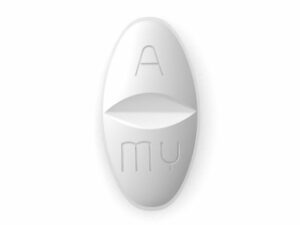



Enalapril: Patient-Friendly Medicine Information (Australia)
Enalapril is a medicine widely used in Australia for conditions such as high blood pressure and certain types of heart failure. It belongs to the group of medicines called ACE inhibitors (Angiotensin-Converting Enzyme inhibitors). This page explains how enalapril works, how it is typically taken, what to expect, and important safety information.
If you have questions about whether enalapril is suitable for you, discuss them with a healthcare professional. When starting or adjusting dose, it is especially important to be monitored for blood pressure, kidney function and blood potassium.
Quick product overview
| Category | Details |
|---|---|
| Generic name | Enalapril |
| Medicine group | ACE inhibitor (Angiotensin-Converting Enzyme inhibitor) |
| Common reasons used | High blood pressure, heart failure, and some post–heart attack situations |
| Typical form | Tablets (strengths vary by brand) |
| Key effects | Helps relax blood vessels, lowers blood pressure, and supports heart function |
| Important monitoring | Blood pressure, kidney function (creatinine/eGFR), and blood potassium |
| Common early side effects | Dry cough, dizziness, headache, fatigue |
What is enalapril and what is it used for?
Enalapril is an ACE inhibitor. By reducing certain hormone effects that tighten blood vessels and cause the body to retain salt and water, it can improve blood flow and reduce strain on the heart.
Typical use in Australia
- Hypertension (high blood pressure): helps lower blood pressure and reduce cardiovascular risk.
- Heart failure: improves symptoms and can help reduce hospitalisations for worsening heart failure.
- Asymptomatic left ventricular dysfunction: in some patients with reduced heart pumping function, to slow progression.
- After certain heart attacks (depending on individual clinical circumstances): may be used as part of cardiovascular care.
The exact reasons you’re taking enalapril may vary based on your medical history, test results and overall treatment plan. Always follow the dosing plan provided by your healthcare team.
How enalapril works (mechanism of action)
Enalapril is converted in the body to its active metabolite (enalaprilat). It works by inhibiting ACE, an enzyme that converts angiotensin I to angiotensin II.
Key steps and effects:
- Less angiotensin II: blood vessels relax and widen, lowering blood pressure.
- Less aldosterone: the body retains less sodium and water, which reduces fluid overload.
- Reduced strain on the heart: improved efficiency and decreased workload can help in heart failure.
- More bradykinin activity: contributes to the dry cough some people experience with ACE inhibitors.
Because it treats the underlying blood-vessel and heart-loading processes, enalapril can be beneficial even when you don’t feel symptoms. For chronic conditions, consistent use is important.
Pharmacokinetics: how the body processes enalapril
“Pharmacokinetics” describes what the body does with a medicine—how it is absorbed, distributed, metabolised and eliminated. While individual responses can vary, the following general features are commonly seen with enalapril:
- Absorption: enalapril is absorbed after oral dosing.
- Activation: enalapril is converted to enalaprilat (the active form).
- Onset and peak effects: blood pressure effects generally begin within hours and may peak later depending on the patient.
- Distribution: the active form circulates and acts on the ACE enzyme in relevant tissues.
- Elimination: mainly via the kidneys (important for dosing in kidney impairment).
Because enalapril relies partly on kidney clearance, people with reduced kidney function often need dose adjustments and closer monitoring.
When and how to take enalapril (timing)
Enalapril is usually taken once or twice daily depending on the prescribed dose and schedule. Many patients find it easiest to take it at the same times each day.
Common timing tips
- Take at the same time(s) daily to keep blood levels steady.
- First dose caution: your first dose (or after increasing dose) may cause dizziness or lightheadedness due to blood pressure changes. Consider taking it when you can sit or rest afterwards.
- If you forget a dose: take it when you remember unless it is close to the next dose. Do not take double doses.
If you experience dizziness, especially when standing, rise slowly from sitting or lying positions. Tell your healthcare professional if symptoms are frequent or severe.
Food interactions: can you take enalapril with meals?
In general, enalapril can be taken with or without food. Food is not usually considered a major barrier to absorption.
However, patient comfort matters: if the medicine upsets your stomach, taking it with a light meal may help. Keep your routine consistent and follow your healthcare provider’s instructions.
Alcohol and medicine interactions
Alcohol
Alcohol can lower blood pressure and may increase the risk of dizziness or faintness when combined with blood-pressure medicines like enalapril. For many people, moderation is best—avoid heavy drinking, particularly when starting therapy or after a dose change.
Other common medicine interactions
Enalapril can interact with other medicines and supplements, sometimes affecting kidney function or potassium levels. Always inform your healthcare professional and pharmacist about all medicines you take, including over-the-counter products and herbal supplements.
- Potassium supplements or salt substitutes containing potassium: may increase the risk of high potassium (hyperkalaemia).
- Diuretics: “water tablets” can work together to lower blood pressure. Certain diuretics may raise potassium, while others may reduce it—monitoring is important.
- Non-steroidal anti-inflammatory drugs (NSAIDs) (e.g., ibuprofen, naproxen, diclofenac): regular or high-dose use with ACE inhibitors may increase risk of kidney stress and affect blood pressure control.
- Lithium: ACE inhibitors can increase lithium levels; close monitoring may be needed.
- Some medicines for heart rhythm: as clinically relevant, potassium and kidney function may need monitoring.
- Other blood pressure medicines: combining may increase blood pressure-lowering effect; sometimes intended, but requires careful dosing.
For a complete interaction check, it is safest to review your full medication list with a pharmacist.
Indications: who may be prescribed enalapril?
Enalapril is indicated for specific cardiovascular conditions. Eligibility depends on your diagnosis and test results. Common clinical indications include:
- Hypertension: to lower blood pressure and reduce long-term cardiovascular risk.
- Symptomatic heart failure (often in combination with other therapies).
- Asymptomatic left ventricular dysfunction: to reduce progression in selected patients.
- Post–myocardial infarction in appropriate circumstances, based on clinical judgment.
Your healthcare provider will consider factors such as kidney function, blood electrolytes, blood pressure, and other medicines you use before starting enalapril.
Dosing guidance (general information)
Dosing must be individualised. Many factors influence the starting dose and adjustments, including age, kidney function, blood pressure and the presence of heart failure. Always follow the exact instructions on your medicine label or provided by your healthcare professional.
Typical dose adjustment considerations
- Kidney impairment: dose adjustments are commonly required because enalapril is cleared by the kidneys.
- Heart failure: starting doses are often lower to reduce risk of dizziness and kidney-related side effects.
- Concomitant medicines: if you take diuretics or other blood pressure medicines, your dose plan may be adjusted.
- Blood pressure response: the target dose is reached gradually in many patients.
Do not change your dose without medical advice. If you feel unwell or your blood pressure is very low, contact your healthcare professional.
Safety profile: side effects and when to get help
Like all medicines, enalapril can cause side effects. Many are mild and improve as your body adjusts, while others require urgent medical attention.
Common side effects
- Dry, persistent cough (often occurs within weeks; may persist while on therapy).
- Dizziness, especially after starting or increasing dose.
- Headache
- Fatigue
- Nausea or mild gastrointestinal discomfort
Less common but important risks
- High potassium (hyperkalaemia), which may cause muscle weakness or abnormal heart rhythms.
- Kidney function changes, particularly in people with dehydration, certain kidney conditions, or when using interacting medicines.
- Low blood pressure (hypotension), especially after the first dose.
- Angioedema (swelling under the skin, often around the face, lips, tongue, or throat). This is rare but serious.
Seek urgent medical help if
- You develop swelling of the face, lips, tongue or throat
- You have difficulty breathing or swallowing
- You feel faint or have severe dizziness
- You experience fast or irregular heartbeat or severe weakness that could suggest electrolyte issues
- You pass very little urine or notice sudden changes in fluid balance
Routine monitoring (often recommended)
Your clinician may check blood tests after starting or changing dose, including:
- Kidney function (creatinine/eGFR)
- Potassium
- Blood pressure
Practical use tips for everyday life
1) Rise slowly
If you feel lightheaded when standing, move gradually from lying to sitting, then standing. Consider sitting for a moment before walking.
2) Keep an eye on hydration
Dehydration can increase the chance of kidney-related side effects with ACE inhibitors. Ensure adequate fluids, particularly in hot weather or during illness (unless you’ve been told to restrict fluids).
3) Don’t start new supplements without checking
Avoid potassium-containing supplements or salt substitutes unless your clinician confirms they are safe.
4) Report persistent cough
A dry cough is a common ACE inhibitor side effect. If it becomes troublesome, discuss alternatives such as switching to an ARB (angiotensin receptor blocker) with your healthcare professional.
5) Use blood pressure monitoring if advised
Home blood pressure checks can help track response, but use correct technique: seated, rested, cuff fitted properly, and record results to share with your clinician.
Overdose: what to do
Accidental extra dosing can be dangerous, especially due to blood pressure lowering and electrolyte changes. If you suspect an overdose, seek urgent medical advice immediately (in Australia, you can contact the Poison Information Centre or emergency services as appropriate).
Alternative options to enalapril
Treatment choice depends on your diagnosis, response, and side-effect profile. If enalapril isn’t suitable (for example, due to persistent cough or specific safety concerns), your healthcare professional may consider alternatives such as:
Same class alternatives (ACE inhibitors)
- Perindopril
- Lisinopril
- Ramipril
Related class alternatives (ARB medicines)
- Losartan
- Valsartan
- Irbesartan
- Candesartan
Your clinician may also adjust other parts of therapy (for example diuretics, beta-blockers, or mineralocorticoid receptor antagonists), especially in heart failure.
Enalapril in Australia: market, legal and healthcare context
In Australia, medicines are regulated by the Therapeutic Goods Administration (TGA). Enalapril is an established cardiovascular medicine and is commonly available through pharmacies. Supply and brand availability may vary over time.
For heart and blood pressure medicines, it is important that the right product strength matches the dose schedule your healthcare professional intends. Patients are encouraged to use consistent brands where possible and check the label carefully when receiving repeat supplies.
How care is typically managed
- Initial assessments include blood pressure, kidney function and electrolytes.
- Dose adjustments are made gradually based on tolerability and results.
- Ongoing monitoring continues during long-term therapy.
Recent guidance and practical updates (general)
Current clinical practice for ACE inhibitors like enalapril generally emphasises:
- Appropriate patient selection (especially kidney function and potassium status).
- Monitoring after initiation and dose changes to catch electrolyte or kidney-related changes early.
- Hydration and “sick day” awareness: if you become severely unwell with vomiting/diarrhoea or dehydration, seek advice on whether to pause certain medicines temporarily.
- Medication reconciliation to avoid interacting products (especially NSAIDs and potassium-containing agents).
Because guidance can evolve, always follow the most current advice from your healthcare provider and pharmacist for your individual situation.
Delivery, availability and ordering online (Australia)
Online pharmacies in Australia typically provide delivery options to metropolitan and regional areas. Availability may depend on the strength and brand of enalapril.
What to expect when ordering
- Product strength: check the mg strength on the label before confirming your order.
- Packaging: tablets are commonly supplied in blister packs or bottles depending on brand.
- Dispatch times: delivery timeframes vary by provider and location.
- Storage: store below 25°C (unless your specific product label says otherwise) and keep out of direct sunlight and moisture.
If you have specific needs (e.g., timing for running out, region-specific delivery), contact the pharmacy before ordering so they can advise.
FAQ: Enalapril (patient questions)
1) How quickly will enalapril start working?
Many people notice blood pressure changes within hours to days, but the full cardiovascular benefits—especially for heart failure—may take longer. It’s important to continue taking it regularly even if you feel fine.
2) Will enalapril cause a cough?
A dry cough can occur with ACE inhibitors like enalapril. If it becomes persistent or bothersome, speak to your clinician—alternatives (such as ARBs) may be considered.
3) Can I take enalapril with other blood pressure tablets?
Often, enalapril is used with other cardiovascular medicines. However, the combination should be planned by your healthcare professional to minimise side effects and ensure effective blood pressure control.
4) What if I miss a dose?
Take it when you remember unless it’s close to the next dose. Do not double up. If you’re unsure, ask your pharmacist for guidance based on your dosing schedule.
5) Is enalapril safe if I have kidney problems?
Enalapril may still be used in some people with kidney impairment, but dosing and monitoring are crucial. Your clinician will check kidney function and potassium and adjust dose accordingly.
6) Can I drink alcohol while taking enalapril?
Alcohol may increase dizziness because both can lower blood pressure. If you choose to drink, keep it moderate and avoid heavy drinking, particularly around dose increases or when you feel lightheaded.
7) Can I take ibuprofen or other anti-inflammatory painkillers?
NSAIDs (such as ibuprofen) can interact with ACE inhibitors and may affect kidney function or blood pressure control—especially with frequent use. Check with a pharmacist or clinician before regular NSAID use.
8) What are the signs of high potassium that I should watch for?
High potassium may not cause symptoms early on. When it does, symptoms can include muscle weakness, tingling, or unusual heartbeats. Blood tests are the best way to detect it.
9) What should I do if I feel faint?
Sit or lie down immediately and seek medical advice. Fainting or severe dizziness—especially after a first dose or dose change—should be reported promptly.
10) Are there any pregnancy or breastfeeding considerations?
ACE inhibitors are generally not used during pregnancy due to potential harm to the developing baby. If you are planning pregnancy or might become pregnant, discuss safe alternatives promptly with your healthcare professional. Breastfeeding considerations vary; ask your clinician for specific advice for your circumstances.
Summary
Enalapril is an ACE inhibitor used to treat high blood pressure, heart failure and certain forms of heart dysfunction. It works by relaxing blood vessels and reducing hormones that increase strain on the cardiovascular system. While many people tolerate it well, key side effects and risks include dry cough, dizziness, and the potential for changes in kidney function and potassium levels.
If you’re starting enalapril or adjusting your dose, pay attention to how you feel, keep follow-up appointments for blood tests, and contact your healthcare team if you experience concerning symptoms such as swelling of the face or difficulty breathing.