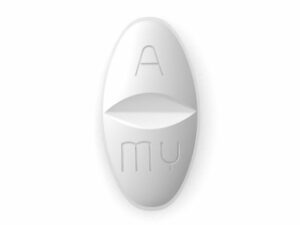

Arpamyl (Amitriptyline) — Patient-Friendly Guide
Arpamyl is a medicine widely used in Australia for the treatment of certain nerve-related conditions and mood-related symptoms. It contains amitriptyline, a type of medicine known as a tricyclic antidepressant (TCA). Although it is often thought of as an antidepressant, amitriptyline is also used at appropriate doses to help relieve pain from nerve damage and other conditions.
This guide is designed to help you understand how Arpamyl works, how it is taken, what to expect, and how to use it safely. Always follow the instructions provided with your medicine and consult a qualified healthcare professional for advice tailored to you.
Key Product Information
| Feature | What to know |
|---|---|
| Medicine name | Arpamyl |
| Active ingredient | Amitriptyline |
| Medicine class | Tricyclic antidepressant (TCA) |
| Common forms | Tablets (strength varies by brand/product listing) |
| How it’s usually used | Daily, with dose adjustments over time depending on your condition |
| Typical onset | Some symptom relief may occur in days; full benefit may take several weeks |
How Arpamyl Works (Mechanism of Action)
Amitriptyline helps regulate chemical messengers in the brain and spinal cord, particularly:
- Serotonin and noradrenaline pathways: It influences reuptake, helping increase availability of these neurotransmitters.
- Anticholinergic effects: It can reduce the influence of acetylcholine, which contributes to side effects such as dry mouth and constipation.
- Other receptor actions: It can affect histamine and adrenergic receptors, which may explain drowsiness and changes in blood pressure in some people.
For some pain conditions (for example, nerve pain), amitriptyline may help by altering pain signal processing in the nervous system rather than simply treating mood.
Pharmacokinetics (How the Body Handles It)
While individual responses vary, these are general patterns seen with amitriptyline:
- Absorption: Tablets are absorbed through the gastrointestinal tract.
- Metabolism: The liver metabolises amitriptyline, producing an active metabolite called nortriptyline.
- Distribution: Amitriptyline and its metabolite distribute throughout body tissues.
- Elimination: The metabolites are mainly cleared by the kidneys.
- Half-life: Amitriptyline has a relatively long half-life, meaning steady effects build gradually and stopping abruptly can be more noticeable.
Practical implication: Dose changes often need time to reflect fully, so it’s usually not helpful to judge effectiveness after only a few doses.
What Arpamyl Is Typically Used For
Arpamyl is used for a range of conditions depending on your clinical picture and dose. Common uses include:
- Neuropathic pain (nerve-related pain), such as burning, shooting, or painful tingling sensations
- Chronic pain syndromes where a pain-modulating effect may help
- Depression and other mood symptoms in appropriate circumstances
- Prevention of certain headache types (commonly migraine prophylaxis in some patients, as advised by a clinician)
Note: The exact reason you’ve been given Arpamyl and the target dose should come from your healthcare professional. Different conditions can use different dose ranges.
Indications (When It May Be Prescribed)
In Australia, amitriptyline-containing medicines like Arpamyl may be indicated for:
- Depressive illness (where a TCA is considered suitable)
- Neuropathic pain and related chronic pain conditions
- Treatment of specific chronic pain presentations, including those associated with nerve injury or persistent pain without clear inflammatory cause
- Other conditions where the prescriber considers the benefits outweigh risks
Because the suitability of TCAs depends on factors like age, other medicines, heart rhythm risk, and past side effects, your prescriber will consider your individual history.
How to Take Arpamyl (Typical Dosing and Timing)
Dose depends on the indication, your age, other medical conditions, and how you respond. It is common practice to start low and increase gradually to reduce side effects.
Typical timing
- Once daily is common, especially because it can cause drowsiness.
- It is often taken in the evening or before bed if sedation occurs.
- For some regimens, your clinician may recommend split dosing (morning and night) to improve tolerability.
Dose adjustment
- When starting or increasing, it may take several days to weeks to notice benefit and to find a tolerable dose.
- If side effects are significant, dose adjustments may be needed.
Dosing guidance (general, not personalised)
Because strength and dosing schedules can differ between patients and products, always use the dose written on your label. As a general pattern for many conditions, clinicians may:
- Begin with a low dose
- Increase gradually every several days to 1–2 weeks depending on response and side effects
- Use the lowest effective dose
Important: Do not increase or decrease your dose suddenly without medical advice. Stopping suddenly may lead to withdrawal-like symptoms or a return of symptoms.
Food Interactions (Can You Take Arpamyl With Meals?)
Arpamyl can usually be taken with or without food. However, food may affect comfort and absorption timing indirectly.
- If it upsets your stomach, take it with a meal or after food.
- If it makes you drowsy, taking it in the evening may help you manage the side effect.
Grapefruit and some other substances can affect certain liver enzymes. If you consume grapefruit regularly or take supplements, ask a healthcare professional or pharmacist for advice.
Alcohol and Medicine Interactions
Alcohol
It is generally recommended to avoid or minimise alcohol while taking Arpamyl. Alcohol can increase:
- Drowsiness and impaired coordination
- Risk of falls, especially at the start of treatment
- Worsening of mood symptoms in some people
Other medicines that may interact
Because amitriptyline can interact with multiple medicine types, it’s important to review everything you take, including over-the-counter products and herbal supplements.
- Other antidepressants (especially MAO inhibitors): may increase risk of serious interactions.
- Medicines that affect serotonin: increases the need for careful monitoring.
- Sleep medicines, sedatives, opioids: can increase sedation and breathing-related risks.
- Anticholinergic medicines (e.g., some allergy, bladder, or motion sickness medicines): may increase constipation, dry mouth, and blurred vision.
- Medicines that affect heart rhythm: TCAs may affect electrical activity in the heart. Your clinician may take an ECG in higher-risk situations.
- Medicines that are processed by the liver: some can raise or lower amitriptyline levels, changing side effect risk or effectiveness.
Practical rule: Tell your pharmacist about all medicines and supplements you use. This includes “natural” products, cough/cold medicines, and sleep aids.
Safety Profile (Common Side Effects and When to Seek Help)
Like all medicines, Arpamyl can cause side effects. Many are more likely at the beginning of treatment or after dose increases.
Common side effects
- Drowsiness or fatigue
- Dry mouth
- Constipation
- Dizziness (especially when standing up quickly)
- Blurred vision
- Increased appetite and potential weight gain
- Sweating changes
- Tremor or restlessness (less commonly)
- Sexual side effects (may occur)
Less common but important risks
- Heart rhythm changes: TCAs can affect cardiac conduction, particularly at higher doses or in people with heart disease.
- Low blood pressure (orthostatic hypotension): may increase fall risk.
- Confusion or worsening cognition (more likely in older adults).
- Increased risk of suicidal thoughts in some younger people when starting antidepressants (monitoring is important).
- Serotonin toxicity (rare): more likely when combined with certain other serotonergic medicines.
- Seizures (rare): risk increases with high doses or certain risk factors.
Seek urgent medical attention if you experience
- Chest pain, fainting, severe palpitations, or sudden shortness of breath
- Severe confusion, very high fever, stiff muscles, or collapse
- Signs of an allergic reaction such as swelling of the face/lips, difficulty breathing, or widespread rash
- Severe dizziness with falls or inability to stay awake
Driving caution: If Arpamyl makes you drowsy or dizzy, avoid driving or operating machinery until you know how it affects you.
Practical Use Tips (How to Get the Best Results)
- Start and go slow: If you’re early in treatment, allow time for your body to adjust. Side effects often lessen as your dose stabilises.
- Take it consistently: Try to take Arpamyl at the same time each day.
- Manage dry mouth: Sip water regularly, consider sugar-free lozenges, and maintain good oral hygiene.
- Prevent constipation: Increase dietary fibre, fluids, and gentle activity. If needed, ask a pharmacist about appropriate stool softeners.
- Rise slowly: If you feel dizzy when standing, get up gradually and consider checking hydration.
- Track symptoms: Use a diary for sleep quality, pain intensity, mood, and side effects so your prescriber can adjust therapy.
- Don’t stop abruptly: If you need to stop, discuss a gradual taper plan.
Alcohol and Lifestyle Considerations
- Limit alcohol to avoid worsening sedation and coordination problems.
- Be cautious with other sedating substances, including cannabis, some antihistamines, and prescription pain medicines.
- Hydration and regular meals can reduce dizziness and fatigue.
- Sleep hygiene (consistent bedtime, reduced screen time) often improves overall outcomes, especially if you take Arpamyl for sleep-related symptoms.
Alternative Options
If Arpamyl is not suitable or is not well tolerated, several alternative approaches may be considered depending on your condition:
For neuropathic pain
- Other antidepressants used for nerve pain (for example, SNRIs or similar agents in some cases)
- Anticonvulsant medicines used for neuropathic pain (e.g., gabapentinoids)
- Topical treatments where appropriate (for example, topical analgesics)
- Non-medicine strategies such as physiotherapy, graded activity, or cognitive behavioural approaches to pain
For depression or mood symptoms
- Other antidepressant classes such as SSRIs or SNRIs
- Psychological therapies (e.g., CBT) and lifestyle supports
Important: Alternatives should be selected by a healthcare professional based on your medical history, current medicines, and the risks of switching from a TCA.
Market and Legal Context for Australia (Practical Overview)
In Australia, access to medicines is regulated to support safe and appropriate use. Availability and dispensing requirements can vary depending on the exact product, strength, and prescribing rules applicable at the time.
- Authorised supply: Always ensure you purchase from a reputable pharmacy operating in line with Australian regulations.
- Safety checks: Pharmacists may conduct screening for interactions, dose suitability, and appropriateness for your situation.
- Quality assurance: Look for proper labelling, batch information, and clear product identification.
Recent guidance (general): Australian clinicians and pharmacists continue to emphasise careful monitoring when using medicines that can affect the heart rhythm, sedation, or anticholinergic side effects—particularly in older adults and people taking multiple medicines. If you have heart disease, electrolyte issues, or multiple medications, extra monitoring may be recommended.
Delivery and Availability (Online Pharmacy Considerations)
Arpamyl availability online can vary by stock and strength. When ordering through a registered Australian pharmacy website, typical delivery information may include:
- Shipping options: Standard and express (depending on location)
- Packaging: Secure, discreet delivery
- Processing time: Orders may require verification and screening before dispatch
- Delivery timeframes: Vary by state and metro/regional location
What to check on checkout: confirm your address, contact phone number (for delivery updates), and any delivery instructions. If you’re travelling or change addresses, contact customer service to avoid missed deliveries.
If you need Arpamyl urgently, consider contacting the pharmacy directly about expected dispatch timelines.
FAQ
1) How long does Arpamyl take to work?
Some people notice early benefits in days, but for many conditions, meaningful improvement can take several weeks. Pain and mood symptoms may respond at different rates.
2) Why am I told to start with a low dose?
Starting low helps reduce side effects such as drowsiness, dizziness, dry mouth, and constipation. Gradual dose changes also allow your body to adapt.
3) Can I take Arpamyl in the morning?
It may be possible, but many people are advised to take it at night because it can cause drowsiness. If morning dosing causes excessive fatigue, speak with your pharmacist or prescriber about adjusting timing.
4) What if I miss a dose?
General advice is to take it when you remember unless it’s close to your next dose. Avoid double dosing. If you’re unsure, ask a pharmacist for guidance based on your schedule.
5) Are there foods I should avoid?
There are no universal strict dietary bans, but it’s wise to take Arpamyl as directed and follow any advice given for your personal situation. If you consume grapefruit regularly, ask a pharmacist, as interactions can occur with some liver enzyme pathways.
6) Can I drink alcohol while using Arpamyl?
It’s usually best to avoid or greatly limit alcohol because it can increase sedation, dizziness, and impairment. If you plan to drink, discuss options with your pharmacist.
7) Will Arpamyl make me gain weight?
Weight gain can occur in some people, especially with longer use. Appetite changes vary. Maintaining balanced nutrition and monitoring weight can help.
8) Is Arpamyl safe for older adults?
It can be used in some older adults, but the risk of side effects (such as dizziness, confusion, constipation, and falls) may be higher. Clinicians often use extra caution, lower starting doses, and close monitoring.
9) Can I stop Arpamyl suddenly?
Stopping suddenly may cause withdrawal-like symptoms and can worsen the condition being treated. If you want to stop, request a tapering plan from a healthcare professional.
10) What should I do if I experience troublesome side effects?
Contact your pharmacist or prescriber. They may adjust your dose, change the timing, or suggest supportive treatments (for example, constipation management).
Summary
Arpamyl (amitriptyline) is a tricyclic antidepressant used for conditions such as neuropathic pain and other mood-related symptoms, depending on your individual care plan. It works by influencing neurotransmitter activity and pain signal pathways. Because it can cause drowsiness and anticholinergic side effects, it’s often started at low doses and gradually adjusted. Taking it consistently—often in the evening—helps many people manage side effects and improve tolerability.
If you have questions about starting, adjusting, or taking Arpamyl alongside other medicines, talk to your pharmacist. They can help ensure safe use and answer practical questions about interactions, timing, and what to expect.