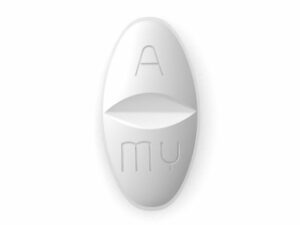



Hytrin (Terazosin hydrochloride)
Hytrin contains terazosin hydrochloride. It belongs to a group of medicines called alpha-1 (α1) blockers. Hytrin is used to improve symptoms related to urinary flow and, in some cases, to help manage blood pressure.
This page provides patient-friendly information about how Hytrin works, what it’s used for, common dosing approaches, important safety considerations (including dizziness and blood pressure changes), and practical tips to use the medicine more comfortably.
| Category | Details |
|---|---|
| Active ingredient | Terazosin hydrochloride |
| Medicine type | Alpha-1 adrenergic receptor blocker (α1 blocker) |
| Common uses | Lower urinary tract symptoms due to benign prostatic hyperplasia (BPH); sometimes high blood pressure |
| How it helps | Relaxes smooth muscle in the prostate/bladder neck (urinary symptoms) and blood vessels (blood pressure) |
| Typical administration | Once daily (timing often depends on whether dizziness risk is present) |
| Key cautions | May cause dizziness, low blood pressure, and “first-dose” effects |
How Hytrin works (mechanism of action)
Hytrin works by blocking alpha-1 adrenergic receptors. These receptors are found in smooth muscle in the prostate, bladder neck, and blood vessels.
- For urinary symptoms (BPH): blocking α1 receptors relaxes muscle tone in the prostate and bladder neck, helping urine flow and reducing symptoms such as difficulty starting urination, weak stream, and frequent urination.
- For blood pressure: relaxing blood vessel muscle can reduce peripheral resistance, which may lower blood pressure.
Pharmacokinetics: how the body handles terazosin
Pharmacokinetics describes what happens to a medicine in the body—absorption, distribution, metabolism, and elimination. While exact values can vary between individuals, the following points help explain what to expect.
- Absorption: terazosin is absorbed after oral use. It may take a little time to reach peak levels.
- Peak effect: symptom improvement for urinary problems may occur gradually; blood pressure effects are often seen earlier after dosing.
- Metabolism: terazosin is metabolised mainly in the liver.
- Elimination: metabolites are excreted mainly via the bile and faeces, and to a lesser extent via the kidneys.
- Long enough duration for once-daily dosing: the medicine’s effect typically lasts long enough for many people to take it once daily.
What Hytrin is used for (indications)
Hytrin is commonly used for:
- Lower urinary tract symptoms due to benign prostatic hyperplasia (BPH): helps improve urinary flow and reduce bothersome urinary symptoms.
- High blood pressure (hypertension): in certain people, terazosin may be used as part of blood pressure management.
Typical timing and how soon it may work
Timing matters because Hytrin can affect blood pressure and cause dizziness—particularly when starting or increasing dose. Many patients are advised to take it at a time that reduces the risk of falls.
Starting and dose increases
- First dose / early doses: some people experience a strong drop in blood pressure after the first dose (or after a dose increase). Because of this, Hytrin is often taken at bedtime to lower the chance of dizziness while standing or walking.
- After dose changes: similar precautions may apply when increasing the dose, as sensitivity can happen again.
When you may notice benefit
- Urinary symptoms: some improvement may be noticed within days, but for full benefit it can take several weeks.
- Blood pressure: blood pressure-lowering effects can occur relatively soon after starting, though the overall plan may take longer to optimise.
Dosing: common approaches
Dosing can vary based on the reason for treatment, your blood pressure, other medicines, and tolerance (especially dizziness). Always follow the schedule given by your healthcare professional and the instructions on the packaging.
Important: do not adjust the dose on your own. If you miss doses, ask for advice on how to restart safely.
| Use | Typical starting approach | General adjustment pattern |
|---|---|---|
| BPH (urinary symptoms) | Often begins with a low dose to reduce dizziness risk | Gradual increase may be used based on symptom control and blood pressure response |
| Hypertension (blood pressure) | Often starts low, then titrates | Increases are made carefully while monitoring blood pressure |
How to take Hytrin
- Take Hytrin once daily, as directed.
- If you are prone to dizziness or have been advised due to your risk profile, take it at night or bedtime.
- Swallow tablets whole with water. Do not crush or break unless your pharmacist advises otherwise.
- Keep your routine consistent. If timing must change, ask whether the change is safe.
Food interactions: does Hytrin need to be taken with meals?
Food can influence the absorption rate of some medicines. For Hytrin, meals are not typically a major barrier to use, but it is generally recommended to take it consistently with or without food—whichever suits you and matches your prescriber’s advice.
- If you notice that taking Hytrin on an empty stomach makes you feel more dizzy, taking it after a light meal may feel better.
- If your instructions specify a particular approach (e.g., “take with food”), follow that advice.
Alcohol and other medicine interactions
Hytrin can lower blood pressure, and combining it with other substances that also lower blood pressure can increase the risk of dizziness, fainting, and falls.
Alcohol
- Alcohol may increase dizziness and the risk of low blood pressure.
- Try to keep alcohol minimal, particularly when starting treatment or after dose increases.
- Avoid binge drinking and be extra cautious with driving and operating machinery.
Blood pressure medicines
- Combining Hytrin with other antihypertensive medicines can further lower blood pressure.
- This does not always mean you cannot take them together, but monitoring and careful dose titration may be needed.
Other medicines that can cause dizziness or low blood pressure
- Medicines such as some antidepressants, anti-anxiety medicines, opioids, or drugs that cause sedation may add to dizziness risk.
- Tell your pharmacist about all medicines you take, including non-prescription products.
Medicines used for erectile dysfunction (PDE-5 inhibitors)
PDE-5 inhibitors (for example sildenafil, tadalafil) can also lower blood pressure. Using them with alpha-1 blockers like Hytrin may increase the chance of symptomatic hypotension (e.g., light-headedness or fainting).
- Ask your healthcare professional about safe timing and dose adjustments if you use these medicines.
- If you feel dizzy after combined use, seek advice.
Medicines for BPH or urinary symptoms
Other medicines for BPH may be used alongside or instead of Hytrin depending on your individual situation. Combining therapies requires careful consideration to avoid excessive blood pressure lowering and to ensure effectiveness.
Safety profile: who should be cautious
Most people tolerate Hytrin well when it is started carefully and dose changes are made gradually. However, Hytrin can cause certain side effects, especially related to blood pressure.
Common or expected side effects
- Dizziness or light-headedness
- Low blood pressure (especially when standing up)
- Headache
- Fatigue
- Swelling in the lower legs (oedema) in some people
“First-dose” effect and orthostatic symptoms
A key safety concern is the possibility of a sudden blood pressure drop after the first dose or after increasing dose. This can lead to dizziness or fainting.
- Take the first dose (and any increased dose) at the recommended time—often bedtime.
- Stand up slowly, especially in the morning.
- If you feel faint, sit or lie down immediately and seek advice.
Serious reactions—seek urgent medical help
Seek urgent medical attention if you experience symptoms that may indicate a serious adverse reaction, such as:
- Fainting or severe dizziness that does not settle
- Chest pain, severe shortness of breath, or signs of an allergic reaction (e.g., swelling of face/lips, rash with breathing difficulty)
- Persistent severe weakness or sudden collapse
Precautions related to eye surgery (important)
People taking alpha-1 blockers, including terazosin, may have a higher risk of a complication called Intraoperative Floppy Iris Syndrome (IFIS) during cataract or glaucoma surgery.
- If you plan eye surgery, tell your ophthalmologist that you take Hytrin (or have taken it recently).
- Your ophthalmologist may need to take additional precautions.
Driving and falls risk
- Avoid driving or risky activities if you feel dizzy, especially at the beginning of treatment or after a dose change.
- If you have a history of fainting or falls, discuss your risk with your healthcare professional.
Practical use tips for day-to-day comfort
- Start low and go slow: following a gradual titration plan reduces dizziness and blood pressure drops.
- Rise slowly: sit on the edge of the bed for a moment before standing.
- Stay hydrated: dehydration can worsen low blood pressure in some people.
- Monitor symptoms: keep note of dizziness, light-headedness, and urinary symptom improvement.
- Blood pressure checks (if advised): some people benefit from home monitoring, particularly during titration.
- Be cautious with temperature changes: hot showers, saunas, and very warm weather can worsen dizziness for some people.
What to do if you miss a dose
If you miss a dose, take it as soon as you remember unless it is close to the next dose. If you’re unsure, ask your pharmacist for advice. Because restarting after missed doses can sometimes cause dizziness in sensitive individuals, it’s best to confirm the safest approach.
Alternative options for BPH and urinary symptoms
If Hytrin is not suitable or not effective enough, other treatment options may be considered depending on your symptoms and medical history. Alternatives can include:
Alpha-1 blockers
- Examples include other α1 blockers used for BPH symptoms (choice depends on availability, dosing schedule, and tolerance).
Other medicine groups
- 5-alpha-reductase inhibitors (may help shrink the prostate in selected patients, often requiring longer to take effect).
- Combination therapy for some patients with more severe symptoms or larger prostates.
- Other symptom-relieving medicines may be used in selected cases.
Non-medicine approaches
- Fluid timing strategies and reducing bladder irritants (e.g., caffeine) may help symptoms in some people.
- Pelvic floor exercises may help selected patients with urinary control symptoms.
- In more severe cases, procedural or surgical options may be considered by a specialist.
Market and legal context in Australia
In Australia, medicines are regulated by TGA (Therapeutic Goods Administration). Medicines like Hytrin are supplied according to Australian prescribing and dispensing rules. Availability can vary by strength, pack size, and supply chain factors.
Online pharmacies in Australia typically provide medicines only under the appropriate category and with required safeguards. If you have questions about eligibility, supply, or ordering, contact the pharmacy for guidance.
Recent guidance and monitoring expectations (general)
While individual advice should follow current local medical guidance and product information, general trends in patient care for α1 blockers include:
- Emphasis on starting low to reduce “first-dose” dizziness.
- Careful review of interacting medicines, especially other blood pressure-lowering drugs and PDE-5 inhibitors.
- Awareness about eye surgery in patients planning cataract procedures.
- Monitoring symptoms and blood pressure during dose titration.
If you want to understand the most up-to-date advice that applies to you, ask your pharmacist or doctor about what’s current for your condition and risk profile.
Delivery and availability (Australia)
Hytrin may be available through Australian online pharmacies depending on stock levels and product strength. Delivery options and timeframes vary by provider and location.
- Check availability: some strengths or pack sizes may be temporarily out of stock.
- Delivery times: commonly depend on metro vs regional locations and courier schedules.
- Packaging: medicines are typically dispatched in tamper-evident packaging with appropriate labelling.
If you require regular ongoing treatment, it’s usually helpful to plan refills before you run out to avoid missed doses.
Frequently Asked Questions (FAQ)
1) Is Hytrin used only for prostate symptoms?
Hytrin is widely used to improve lower urinary tract symptoms due to BPH. In some people it may also be used as part of blood pressure management. Your exact indication depends on your medical assessment.
2) Why do I feel dizzy after starting Hytrin?
Hytrin can lower blood pressure, particularly after the first dose or after increasing dose. This can cause dizziness or light-headedness, especially when standing. Taking the dose at bedtime (if recommended) and rising slowly can help.
3) How long does it take to work for urinary symptoms?
Some improvement may occur within days, but many people need several weeks for the full effect. Continue taking it as directed and track changes in symptoms.
4) Can I drink alcohol while taking Hytrin?
Alcohol may increase dizziness and the risk of low blood pressure. If you do drink, keep it modest and avoid binge drinking—especially when starting or after dose increases. If you feel unwell, do not drive and seek advice.
5) Does food affect Hytrin?
Food is not usually a major limitation, but consistency can be helpful. If you notice increased dizziness when taken on an empty stomach, consider taking it with a light meal—unless your pharmacist has advised otherwise.
6) What medicines should I avoid or be careful with?
Be cautious with other medicines that lower blood pressure or cause sedation, and with PDE-5 inhibitors for erectile dysfunction. Always tell your pharmacist about all medicines and supplements you take, including non-prescription products.
7) What should I tell my eye surgeon?
Tell your ophthalmologist if you take (or have recently taken) Hytrin. Alpha-1 blockers are linked with IFIS, which may require special surgical precautions.
8) Should I stop Hytrin if I feel dizzy?
Do not stop suddenly without advice. Contact your pharmacist or doctor to discuss symptoms and possible dose adjustments. If dizziness is severe or you faint, seek urgent medical care.
9) How should I take Hytrin if I miss a dose?
Take it when you remember unless it is close to the next dose. If you missed several doses or feel unsure, ask your pharmacist for advice before restarting.
10) Are there alternatives if Hytrin doesn’t suit me?
Yes. Depending on your symptoms and health profile, your clinician may consider other alpha-1 blockers, other BPH medicines, or non-medicine strategies. Discuss options if side effects are difficult to manage or symptoms don’t improve.
Important information to discuss with your healthcare professional
Before starting Hytrin, it’s helpful to discuss:
- Your current blood pressure and any history of fainting, falls, or dizziness.
- A full list of medicines (including blood pressure drugs, erectile dysfunction treatments, antidepressants, and sedatives).
- Any planned cataract or eye surgery.
- Any liver problems, as terazosin is metabolised in the liver.
If you have questions about how Hytrin fits your condition or whether it’s appropriate for you, speak with your pharmacist or healthcare professional. This information is intended to support understanding and safe use and does not replace individual medical advice.