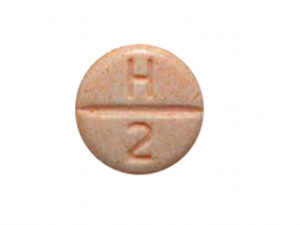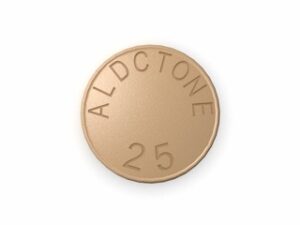
Microzide (Hydrochlorothiazide) — Patient Information
Microzide is a brand of hydrochlorothiazide, a medicine in the “thiazide” group of diuretics (often called “water tablets”). In Australia, hydrochlorothiazide is widely used to help manage certain conditions such as high blood pressure and fluid retention (oedema). This guide explains how Microzide works, how it’s typically taken, what to expect, and how to use it safely.
Always follow the instructions provided by your healthcare professional and read the consumer medicine information (CMI) for your specific product.
Basic product information
| Feature | Details |
|---|---|
| Medicine name | Microzide (Hydrochlorothiazide) |
| Drug class | Thiazide diuretic (water tablet) |
| Common uses | High blood pressure, fluid retention due to various causes, prevention of certain calcium-related problems (as advised) |
| Typical dosing frequency | Often once daily (or as directed) |
| How it’s taken | By mouth |
| Availability in Australia | Usually available through prescription channels; availability may vary by manufacturer/strength |
How Microzide works (mechanism of action)
Hydrochlorothiazide works mainly in the kidneys. It helps the body remove excess salt (sodium) and water by reducing reabsorption of sodium in the distal tubules of the kidney. This increases urine output and can reduce blood volume.
Over time, diuretic effects also help lower blood pressure by reducing fluid and relaxing blood vessels. In many people, the blood-pressure benefit develops over days to weeks, even though urine output may increase earlier.
- Diuretic effect: increases urine production
- Electrolyte effects: may lower potassium and sodium, and can increase calcium levels
- Blood pressure effect: helps reduce high blood pressure, lowering cardiovascular risk when used appropriately
Pharmacokinetics (how the body processes it)
Pharmacokinetics describe what happens after you take the medicine: absorption, distribution, metabolism, and excretion.
- Absorption: Hydrochlorothiazide is absorbed from the gastrointestinal tract after oral dosing.
- Onset: Some diuretic effect may occur within a few hours of taking a dose.
- Peak effect: Blood and urine effects typically peak in the early hours after a dose.
- Duration: Effects can last around 6–12 hours or longer depending on individual factors and dose.
- Distribution: It circulates in the bloodstream and acts primarily on kidney function.
- Elimination: Hydrochlorothiazide is largely excreted by the kidneys, so kidney function affects how long it stays in your system.
Because hydrochlorothiazide is eliminated through the kidneys, people with reduced kidney function may need extra monitoring and dose adjustments as advised by their clinician.
Typical uses and indications
Microzide (hydrochlorothiazide) is used for a range of conditions where reducing fluid balance and/or lowering blood pressure is beneficial.
Common indications (as used in clinical practice)
- Hypertension (high blood pressure): to help lower blood pressure.
- Oedema (fluid retention): for fluid accumulation associated with certain medical conditions (as determined by your doctor).
- Adjunct therapy: sometimes used alongside other blood pressure medicines for better control.
- Calcium-related conditions: in some patients, thiazides may help reduce urinary calcium loss (for example, in certain kidney stone risk strategies when advised).
The exact suitability of hydrochlorothiazide depends on your overall health, current medicines, blood test results (such as electrolytes), and kidney function.
How and when to take Microzide (timing guidance)
Timing can matter because hydrochlorothiazide can increase urination. Many people prefer to take it earlier in the day to reduce night-time trips to the toilet.
General timing advice
- Usually once daily: take at the same time each day.
- Prefer morning doses: to minimise nocturia (needing to urinate at night).
- With or without food: take it consistently according to your usual routine.
If you have been prescribed more than one daily dose, follow your clinician’s specific schedule.
If you miss a dose
- Take it as soon as you remember on the same day.
- If it is close to your next dose, skip the missed dose and resume your regular schedule.
- Do not take a double dose to make up for a missed one.
Food interactions (including salt and potassium)
Hydrochlorothiazide interacts more with dietary salt and electrolyte balance than with specific foods. However, some dietary patterns can affect how well the medicine works or how you feel.
Salt (sodium) intake
- High salt intake: can reduce blood pressure control and counteract some of the benefit of diuretics.
- Moderate/controlled salt: is generally recommended for blood pressure management.
Potassium and “salt substitutes”
Hydrochlorothiazide can lower potassium levels. Some salt substitutes contain potassium (potassium chloride). Using these without guidance can cause problems, especially if you have kidney impairment or take medicines that raise potassium.
- Ask your pharmacist/doctor before using potassium-containing salt substitutes.
- Do not take potassium supplements unless instructed.
Grapefruit and food timing
Unlike some other medicines, hydrochlorothiazide is not known for a major grapefruit-specific interaction. Still, try to keep your routine consistent and report any side effects to your healthcare professional.
Alcohol and medicine interactions
Alcohol can increase the chance of dizziness or
Practical alcohol advice
- Limit alcohol, especially at the beginning of treatment.
- Avoid binge drinking, which can increase dehydration and electrolyte imbalance.
- If you feel faint, dizzy, or unusually weak, stop alcohol and seek advice.
Common medicine interaction considerations
Hydrochlorothiazide can interact with several medicines through changes in kidney function and electrolyte levels. Tell your healthcare professional about all medicines and supplements you use, including over-the-counter products.
- Blood pressure medicines: combined effects can lower blood pressure more than expected (monitor for dizziness).
- NSAIDs (e.g., ibuprofen, naproxen): may reduce diuretic and blood pressure effects in some people and increase kidney strain—especially with dehydration.
- Lithium: thiazides can increase lithium levels, which may be unsafe.
- Diabetes medicines: thiazides can affect blood glucose; monitoring may be needed.
- Digoxin and other heart medicines: low potassium or magnesium increases risk of abnormal heart rhythms.
- Calcium supplements or vitamin D: thiazides may increase blood calcium, so dosing may require adjustment.
- Other potassium-affecting medicines: depending on what you take, potassium levels may rise or fall—monitoring may be required.
This is not an exhaustive list. If you’re unsure whether your medicines interact, ask a pharmacist.
Dosing information (general guidance)
Dosing is individual and depends on the condition being treated, your kidney function, your age, and results of blood tests (electrolytes). Your clinician will determine the most appropriate dose for you.
Typical dosing approach
- Hypertension: often starts at a lower dose and may be adjusted based on blood pressure response and tolerability.
- Oedema/fluid retention: dosing may be adjusted based on fluid response and blood tests.
If your prescribed strength differs from what you expect, do not change it. Use the exact dose on your label.
What to monitor
- Blood pressure: especially after dose changes.
- Electrolytes: potassium, sodium, and sometimes magnesium.
- Kidney function: blood tests such as creatinine/eGFR.
- Glucose levels: in people with diabetes.
- Symptoms of dehydration: thirst, dizziness, reduced urine output.
Safety profile and side effects
Like all medicines, Microzide can cause side effects. Many are mild and improve with time or with dose adjustments. However, some effects need prompt medical attention.
Common or expected effects
- Increased urination (especially shortly after starting)
- Thirst
- Mild dizziness, particularly when standing up quickly
- Headache
- Muscle cramps (can relate to electrolyte changes)
Electrolyte-related effects (important)
Thiazides can alter electrolyte levels. Low potassium (hypokalaemia) is one of the more important risks, and low sodium can also occur. These changes can cause symptoms such as weakness, cramps, or irregular heartbeat in some people.
Less common but serious side effects
- Severe dizziness or fainting (possible low blood pressure)
- Marked weakness, confusion, or severe muscle cramps (may indicate significant electrolyte imbalance)
- Unusual bleeding or bruising (rare; seek urgent advice)
- Allergic reactions (rash, swelling of face/lips, difficulty breathing)
- Signs of kidney problems (significant reduction in urine, persistent nausea, severe fatigue)
- Signs of very high or very low fluid levels (severe thirst, persistent vomiting, severe dehydration)
Skin and eye precautions
Rarely, diuretics may be associated with photosensitivity (increased sensitivity to sunlight) or changes that affect the eyes in some individuals. If you develop new skin rashes, blistering, or eye symptoms, stop use and seek medical advice promptly.
When to seek urgent help
- Fainting, severe shortness of breath, or signs of an allergic reaction.
- Severe weakness, confusion, persistent vomiting, or inability to keep fluids down.
- Chest pain or a very irregular heartbeat.
Practical use tips for better outcomes
The goal of Microzide therapy is to improve blood pressure and/or fluid balance while minimising side effects. The tips below can help.
1) Stay hydrated, but don’t overdo fluids
- If you’re sweating heavily, have diarrhoea/vomiting, or are unwell, dehydration risk increases.
- Seek medical advice if you become unwell while taking diuretics—your clinician may temporarily adjust treatment.
2) Take it at a consistent time
- Morning dosing often reduces night-time urination.
- Use reminders or link it to a daily routine.
3) Get recommended blood tests
Regular monitoring is important to check electrolytes and kidney function—especially after starting treatment or increasing dose.
4) Review your “OTC” options
Some over-the-counter medicines can affect kidney function or electrolyte balance. For example, some pain medicines (NSAIDs) may reduce effectiveness or increase kidney risk, especially if you’re dehydrated. Ask a pharmacist if unsure.
5) Stand up slowly
- If you feel dizzy when standing, rise slowly from sitting or lying positions.
- Prevent falls by ensuring good lighting and removing trip hazards.
6) Lifestyle support
- Reduce excessive salt intake.
- Maintain a balanced diet with vegetables and whole foods.
- Keep physically active as advised by your healthcare professional.
Alternative options
If Microzide isn’t suitable (for example, due to side effects, interactions, or your clinical profile), there are other treatment options. Alternatives may include other diuretics or medicines from different classes. Your clinician will choose based on your specific condition.
Possible alternatives (examples)
- Other diuretics: loop diuretics or other thiazide-like medicines (depending on the reason for treatment).
- Blood pressure medicines from other classes: ACE inhibitors, angiotensin receptor blockers (ARBs), calcium channel blockers, beta blockers, or combination therapies.
- Non-pharmacological approaches: salt reduction, weight management, regular exercise, and limiting alcohol can support blood pressure control.
Don’t switch medicines without professional advice. If you’re experiencing side effects or poor blood pressure control, discuss options promptly.
Market and legal context for Australia
In Australia, medicines containing hydrochlorothiazide are generally regulated under the Therapeutic Goods Administration (TGA) framework. Many cardiovascular medicines and diuretics are supplied through prescription channels to ensure safe use, appropriate monitoring, and correct dosing.
If you are purchasing online, ensure the website is legitimate and compliant with Australian regulations. Only use services that provide:
- Clear information about the product (active ingredient, strength, and form)
- Legible labelling and correct product identification
- Secure payment and appropriate delivery practices
- Customer support for medication questions
Availability can vary by strength, manufacturer, and supply conditions. For availability updates, check with the pharmacy you plan to order from.
Recent guidance and monitoring considerations
Clinical practice commonly emphasises safety monitoring for medicines like thiazide diuretics. While guidance can evolve, current priorities typically include:
- Regular blood tests for electrolytes and kidney function (especially after initiation or dose changes)
- Review of interacting medicines (for example, NSAIDs, lithium, and drugs that affect potassium)
- Attention to risk during illness (e.g., vomiting/diarrhoea or dehydration)
- Individualised blood pressure targets based on age, comorbidities, and overall cardiovascular risk
Your clinician may set a specific monitoring timetable for you. If you’ve not had blood tests recently, ask when to schedule them.
Delivery and availability (what you can expect)
Online pharmacies in Australia typically provide delivery to eligible addresses, with delivery timeframes depending on location, stock availability, and order verification requirements.
Tips before ordering
- Check the strength and dose form (tablet strength differs by product).
- Confirm you’re ordering the correct item for your label.
- Allow time for processing if product supply is limited.
- Store medicines as directed on the label (commonly in a cool, dry place, away from direct heat/sunlight).
If you have questions about product identification, let the pharmacy know—using the wrong strength is a common medication error.
FAQ — Microzide (Hydrochlorothiazide)
1) How long does Microzide take to work?
Diuretic effects (increased urination) may start within a few hours. Blood pressure improvement often takes days to weeks. If you don’t notice any change, don’t stop the medicine—blood pressure control is the goal.
2) Why do I need blood tests while taking hydrochlorothiazide?
Hydrochlorothiazide can affect electrolytes (such as potassium and sodium) and kidney function. Monitoring helps keep treatment safe and effective.
3) Can I take Microzide if I have kidney problems?
Some people with kidney impairment can still use thiazide diuretics, but suitability depends on the severity of reduced kidney function and your specific medical plan. Your clinician may adjust dose and monitoring frequency.
4) Will it affect my potassium levels?
It can lower potassium in some people. Symptoms of low potassium may include muscle weakness or cramps, but blood tests are the best way to know. Don’t start potassium supplements or potassium-containing salt substitutes without advice.
5) Is Microzide safe during pregnancy or breastfeeding?
Medicine safety in pregnancy and breastfeeding depends on the situation and your clinician’s risk assessment. If you are pregnant, trying to conceive, or breastfeeding, discuss options with your healthcare professional before using hydrochlorothiazide.
6) Can I take it with other blood pressure medicines?
Often yes. Combination therapy is common for blood pressure control, but it can increase the risk of low blood pressure and electrolyte issues, so monitoring may be needed.
7) What should I do if I feel dizzy?
Sit or lie down, and avoid sudden standing. Dizziness can be related to low blood pressure or dehydration. If dizziness is severe, persistent, or associated with fainting, seek medical advice urgently.
8) Does Microzide interact with painkillers?
Some painkillers—particularly NSAIDs like ibuprofen and naproxen—can interfere with diuretic effect and may strain kidneys, especially if you’re dehydrated. Ask a pharmacist for advice on the safest choice for you.
9) Can I drink alcohol while taking Microzide?
Alcohol may increase dizziness and dehydration risk. Limit alcohol and avoid binge drinking. If you feel unwell, stop and seek advice.
10) What if I miss a dose?
Take it when you remember on the same day. If it’s close to your next dose, skip the missed dose and resume your regular schedule. Do not double up.
11) Are there alternatives if Microzide causes side effects?
Yes—options may include other diuretics or different blood pressure medicines. The best choice depends on your diagnosis, blood test results, and how you respond to treatment.
Key takeaways
- Microzide (hydrochlorothiazide) is a thiazide diuretic used for high blood pressure and fluid retention.
- It increases urine output and can change electrolytes (especially sodium and potassium).
- Morning dosing is often preferred to reduce night-time urination.
- Blood tests and kidney function monitoring are important for safety.
- Be cautious with alcohol and medicines that can affect kidneys or electrolytes (including some pain relievers).
If you’d like, tell me your age range, the condition you’re using it for (e.g., blood pressure or fluid retention), and any other medicines you take—then I can provide a more tailored list of interaction checks and practical tips.