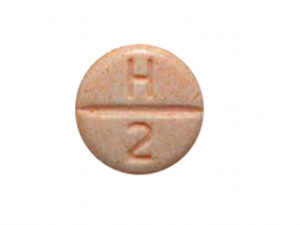


Zestoretic (Lisinopril / Hydrochlorothiazide) — Patient Guide (Australia)
Zestoretic is a combination medicine used to treat high blood pressure (hypertension) and, in certain situations, to help protect the heart in people at higher cardiovascular risk. It contains:
- Lisinopril (an ACE inhibitor)
- Hydrochlorothiazide (a thiazide “water tablet”/diuretic)
This guide explains how the medicine works, how it is used, timing and food/alcohol interactions, safety information, and practical tips for everyday use. It is written to be patient-friendly for an Australian audience.
Basic product information
| Feature | What it means |
|---|---|
| Brand name | Zestoretic |
| Active ingredients | Lisinopril + Hydrochlorothiazide |
| Drug class | ACE inhibitor + Thiazide diuretic (combination antihypertensive) |
| Common purpose | Lower blood pressure; in some patients, reduce cardiovascular risk |
| How it’s taken | Usually once daily by mouth (exact regimen varies by strength and patient) |
| Key side effects to know | Dry cough, dizziness, possible low blood pressure, increased urination, changes to kidney function/electrolytes |
How Zestoretic works (mechanism of action)
Zestoretic combines two medicines that work in different but complementary ways to lower blood pressure:
-
Lisinopril (ACE inhibitor): helps relax blood vessels.
It blocks angiotensin-converting enzyme (ACE), which lowers production of angiotensin II (a substance that constricts blood vessels) and reduces aldosterone effects. This leads to lower vascular resistance and can reduce strain on the heart and blood vessels. -
Hydrochlorothiazide (thiazide diuretic): helps your body remove excess salt and water.
It acts on the kidney’s tubules to reduce sodium reabsorption, which increases urine output. Over time, it helps lower blood pressure by reducing fluid volume and promoting vascular relaxation.
Why combination therapy? Using both medicines together can provide stronger blood pressure control than either alone, often at lower doses of each.
Typical uses in Australia
Zestoretic is commonly used for:
- Hypertension (high blood pressure), especially when blood pressure is not adequately controlled on a single medicine.
- Cardiovascular risk/heart protection in selected patients where an ACE inhibitor and a diuretic are appropriate as part of overall management (the exact fit depends on your health history and treatment plan).
If you have conditions such as heart failure or kidney disease, the decision to use Zestoretic is individualised. Your clinician may monitor blood tests more closely.
Indications (who it’s used for)
In general, Zestoretic may be indicated for:
- Adults needing combination blood pressure lowering with an ACE inhibitor and a thiazide diuretic.
- People who have responded to either component but need better overall blood pressure control.
- Certain patients where the healthcare team aims to reduce cardiovascular risk with an ACE inhibitor-based regimen and manage fluid-related blood pressure components.
Important: Indications and eligibility can vary. Always follow the advice provided by your healthcare professional and the information on the product label.
Dosing and how to take it
Do not change your dose without medical advice. Dosing is based on your blood pressure, kidney function, electrolyte levels (such as potassium and sodium), age, and other medicines.
Typical dosing principles
- Once daily is commonly used for this type of combination product.
- Many patients start with a low dose and may be adjusted based on response.
- Blood tests may be checked after starting or dose changes, especially for kidney function and potassium.
Timing
- Take the tablet at the same time each day to help maintain steady effect.
- Because hydrochlorothiazide can increase urination, it’s often taken in the morning to reduce nighttime bathroom visits.
- If your prescriber has advised a different timing, follow that.
If you miss a dose
- Take it when you remember on the same day.
- If it’s close to the time for your next dose, skip the missed dose and resume your usual schedule.
- Do not take two doses to make up for a missed tablet.
Pharmacokinetics (how the body processes it)
Understanding pharmacokinetics helps explain timing, onset, and why monitoring is important.
Lisinopril
- Absorption: absorbed after oral dosing.
- Onset: blood pressure reduction typically begins within hours; maximal effects may develop over days.
- Elimination: primarily excreted by the kidneys.
- Half-life: intermediate; steady control depends on consistent daily dosing.
Hydrochlorothiazide
- Absorption: absorbed after oral dosing.
- Onset: diuretic effects may begin within hours after a dose.
- Elimination: excreted largely by the kidneys.
- Half-life: long enough to support once-daily use in many people.
Kidney function matters: Because both components are handled through the kidneys, kidney disease can affect exposure and increase risk of side effects. This is why blood tests are often required.
Food interactions and what you should know
Zestoretic can generally be taken with or without food. Food is unlikely to cause major changes in effectiveness.
Practical approach:
- If you feel queasy, taking it with a light meal may improve comfort.
- Try to keep your usual eating pattern consistent for the first couple of weeks after starting, while you and your healthcare team adjust to the medicine.
Salt intake: While food doesn’t usually interact directly with the tablet, your blood pressure response can be influenced by dietary salt. Follow any lifestyle advice you’ve been given for low-salt or heart-healthy eating.
Alcohol interactions
Alcohol can worsen side effects of blood pressure medicines, especially:
- Dizziness or light-headedness, particularly when standing up
- Low blood pressure and fainting risk
- Possible dehydration (which may affect kidney function)
If you choose to drink alcohol, consider:
- Keeping to low-to-moderate amounts (or avoiding alcohol if you’ve experienced dizziness on treatment).
- Avoiding binge drinking.
- Staying well-hydrated and standing up slowly.
Other medicine interactions (important)
Tell your pharmacist or doctor about all medicines you use, including over-the-counter products, vitamins, and herbal supplements. Several interaction types are particularly relevant:
1) Potassium and electrolyte balance
Lisinopril can increase potassium levels, while hydrochlorothiazide can decrease potassium. Together they may partly offset, but potassium can still become high or low depending on your kidney function and other medications.
- Potassium supplements or salt substitutes containing potassium may raise potassium too much.
- Medicines that affect potassium (for example, some diuretics, certain heart medicines, and some supplements) require careful review.
2) Kidney-impacting combinations
Because both components depend on kidney function, caution is needed with medicines that affect kidneys or hydration. Examples include:
- Non-steroidal anti-inflammatory drugs (NSAIDs) such as ibuprofen, naproxen, or diclofenac (especially if used frequently). These can reduce the blood-pressure-lowering effect and increase kidney risk.
- Diuretics and dehydration (vomiting, diarrhoea, or poor fluid intake may increase kidney stress).
3) Lithium
Zestoretic may increase lithium levels, potentially leading to toxicity. If you take lithium, your clinician will monitor levels carefully.
4) Diabetes medicines
ACE inhibitors can influence blood sugar levels. If you use insulin or tablets for diabetes, monitoring for changes in glucose control may be needed.
5) Blood pressure “stacking”
- Other blood pressure medicines, nitrates, or certain antidepressants may increase the chance of low blood pressure.
- Medications for prostate enlargement can also contribute to dizziness on standing in some people.
6) Other common considerations
- Antacids may affect absorption in some cases (generally timing separation may be considered).
- Corticosteroids and some laxatives may affect electrolytes, including potassium.
Tip: Keep a current list of your medicines and show it to your pharmacist. They can highlight interaction risks quickly.
Safety profile: what to watch for
Like all medicines, Zestoretic can cause side effects. Many people tolerate it well, but it’s important to know what’s normal and what requires prompt attention.
Common side effects
- Dizziness or feeling light-headed (often when starting or after dose increases)
- Dry cough (more typical of ACE inhibitors like lisinopril)
- Increased urination (especially after the morning dose)
- Headache
- Fatigue
Less common but important side effects
- Low blood pressure, fainting, or marked dizziness
- Changes to kidney function (detected via blood tests)
- Electrolyte imbalances (for example, low sodium, low potassium, or high potassium)
- Rash or itching
Seek urgent medical help if you experience
- Swelling of the face, lips, tongue, or throat or trouble breathing (possible angioedema)
- Severe dizziness, fainting, or signs of severe low blood pressure
- Signs of serious infection such as fever with severe sore throat (rare)
- Yellowing of the skin/eyes (jaundice) or severe abdominal pain (rare)
Note: ACE-inhibitor related cough can be bothersome but is usually not dangerous. However, if it persists or affects your quality of life, discuss options with your clinician.
Who may be at higher risk?
- People with kidney disease or reduced kidney function
- Older adults (greater sensitivity to blood pressure changes)
- People prone to dehydration (vomiting/diarrhoea, low fluid intake)
- People with a history of ACE-inhibitor angioedema (avoid re-exposure)
- People taking medicines that affect electrolytes or kidney function
Practical use tips for everyday life
1) Keep consistent habits
- Take your tablet at the same time each day.
- Maintain your usual fluid intake unless your clinician has told you to restrict fluids.
2) Rise slowly
If you feel dizzy, especially after standing up:
- Stand up slowly from sitting or lying positions.
- Get up in stages (sit → stand).
- Consider having a chair nearby until dizziness settles.
3) Monitor side effects early
- For the first 1–2 weeks after starting or increasing the dose, pay attention to dizziness, cough, and bathroom frequency.
- If you experience severe or persistent symptoms, contact your healthcare team promptly.
4) Blood tests and why they matter
Your clinician may monitor:
- Kidney function (creatinine/eGFR)
- Potassium and other electrolytes
- Sometimes sodium and glucose depending on your situation
These tests help ensure the medicine remains safe for you.
5) What to do during illness (important)
If you have vomiting, diarrhoea, high fever, or poor intake, dehydration can increase risk of kidney issues with ACE inhibitors/diuretics.
- Consider contacting your clinician for advice on whether to temporarily pause or adjust medications (“sick day” guidance).
- Do not stop your medicines without advice unless you’ve been specifically instructed to do so.
Alternative options
If Zestoretic isn’t suitable (for example, due to side effects, interactions, or blood test abnormalities), alternatives may include:
- Other ACE inhibitors (instead of lisinopril) or ARB medicines (angiotensin receptor blockers) for people who cannot tolerate an ACE inhibitor cough.
- Diuretic alternatives (e.g., other thiazides or related diuretics), sometimes used with an ACE inhibitor/ARB.
- Other combination antihypertensives (different drug pairings such as ACE inhibitor + calcium channel blocker, or ARB + thiazide).
- Single-agent therapy if your blood pressure needs are modest or you prefer simpler dosing.
The best alternative depends on your blood pressure readings, kidney function, electrolytes, other health conditions, and how you tolerate medicines.
Market and legal context for Australia (overview)
In Australia, antihypertensive medicines including ACE inhibitors and diuretics are regulated under national medicines legislation and the Australian Register of Therapeutic Goods (ARTG) framework. Medicines are generally supplied in line with Australian scheduling and pharmacy requirements.
Availability may include original branded products and generic equivalents depending on the market. Product content (strengths and excipients) can vary by formulation, so always check the pack you receive.
Pharmacist support: In Australia, a pharmacist can help confirm the correct medicine strength, dosing instructions, and identify interactions with your current medicines.
Recent guidance (what clinicians commonly follow)
Australian hypertension care commonly follows evidence-based guidance that emphasises:
- Individualised targets based on age, cardiovascular risk, and comorbidities.
- Regular monitoring after starting or changing doses—especially for kidney function and electrolytes when ACE inhibitors and diuretics are used.
- Lifestyle measures alongside medication (e.g., salt reduction, physical activity, weight management, smoking cessation, and moderation of alcohol).
Where possible, your healthcare team will also consider contributing factors such as medication adherence, secondary causes, and “white-coat” effects.
Delivery and availability (online pharmacy)
Online pharmacies in Australia may offer delivery to eligible addresses with standard and express options depending on the provider. Availability of Zestoretic can depend on local stock levels and the exact strength/pack size.
Before ordering:
- Check you select the correct strength of lisinopril/hydrochlorothiazide.
- Confirm the quantity (number of tablets) matches your planned supply.
- Ensure the medicine is suitable for you by reviewing the medicine details provided on the product page and any guidance from your healthcare team.
Cold chain: Zestoretic does not typically require refrigeration, but always follow storage instructions on the pack.
Storage tips: Keep the tablets in their original packaging, store below 25°C (unless the pack states otherwise), and keep out of reach of children.
FAQ
1) What is Zestoretic used for?
Zestoretic is used primarily to treat high blood pressure. It may also be used in selected patients where an ACE inhibitor and diuretic are beneficial as part of cardiovascular risk management.
2) How quickly will it work?
Some blood pressure lowering may occur within the first hours to days. Full benefit can take several weeks and may be adjusted based on your readings and blood tests.
3) Should I take it in the morning or at night?
Because the diuretic component can increase urination, many people take it in the morning to reduce night-time trips. Follow your specific instructions.
4) Can I take it with food?
Yes. Zestoretic is generally taken with or without food. Choose what suits your comfort and routine.
5) Will it cause a dry cough?
A dry, persistent cough can occur with ACE inhibitors such as lisinopril. If it becomes troublesome, discuss it with your clinician—an alternative may be considered.
6) Is it safe to drink alcohol while taking it?
Alcohol may increase the risk of dizziness or low blood pressure. If you drink, keep to moderate intake and stop or seek advice if you feel faint or very light-headed.
7) What blood tests are monitored?
Your clinician may monitor kidney function and electrolytes (especially potassium and sodium), particularly after starting or dose changes.
8) What should I do if I get vomiting or diarrhoea?
Dehydration can increase the risk of kidney problems. Contact your healthcare team for advice on “sick day” management. Don’t make changes to medicines unless you’ve been told how to handle these situations.
9) Can I take ibuprofen or other painkillers with Zestoretic?
Frequent or high-dose NSAIDs (like ibuprofen) can increase kidney risk and reduce blood pressure effectiveness. If you need regular pain relief, ask your pharmacist or doctor which option is safest for you.
10) What are possible serious side effects?
Seek urgent help if you develop facial/tongue/throat swelling or breathing difficulty (possible angioedema), severe dizziness/fainting, or signs of a serious allergic reaction.
Key takeaways
- Zestoretic combines lisinopril and hydrochlorothiazide to lower blood pressure.
- It works by relaxing blood vessels and helping the body remove excess salt and water.
- Monitoring kidney function and electrolytes is often needed, especially after starting or dose changes.
- Take it consistently (often in the morning) and rise slowly if you feel dizzy.
- Seek urgent help for symptoms of angioedema or severe side effects.
If you have questions about whether Zestoretic is suitable for your specific health situation, contact your pharmacist or healthcare provider for personalised advice.