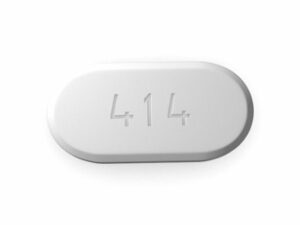



Urso (Ursodiol) – Patient Information for Australia
Urso (ursodiol) is a medicine used to treat certain liver and bile-duct conditions, particularly those involving impaired bile flow. It can help improve liver test results and, in specific diseases, may slow progression and reduce bile-related complications.
This page explains how Urso works, how it is used, and practical safety and lifestyle considerations for people in Australia.
1) Basic product information
- Active ingredient: Ursodiol (also known as ursodeoxycholic acid, UDCA)
- Brand example: Urso
- Medicinal form: Oral capsules or tablets (strengths vary by product)
- Class: Bile acid / hepatobiliary therapy
Important: Always check your specific pack for the exact strength and formulation instructions.
2) How Urso works (mechanism of action)
Ursodiol is a natural secondary bile acid used to support the biliary system. It acts in multiple ways:
- Improves bile composition: It replaces more hydrophobic, potentially harmful bile acids with a less toxic profile.
- Protects liver and bile duct cells: Ursodiol may reduce bile-acid–related stress on cell membranes.
- Helps bile flow: It supports more efficient transport of bile components, which can ease cholestasis (reduced bile flow).
- May reduce inflammation and oxidative stress: In certain conditions, it can contribute to a more favourable biochemical environment in the liver.
Because these effects occur gradually, improvements are often seen over weeks to months, not days.
3) Pharmacokinetics (how the body handles ursodiol)
Understanding pharmacokinetics helps explain why timing and consistency matter.
- Absorption: Ursodiol is absorbed from the small intestine. Absorption can vary between individuals and is influenced by bile availability.
- Distribution: It is processed through the body’s bile acid pool and recirculates (enterohepatic circulation).
- Metabolism: It undergoes conversion by gut bacteria and liver processing.
- Elimination: Excretion occurs mainly through bile into the intestine, with some removal in stool.
Practical implication: Dosing is usually stable long-term for ongoing bile-related conditions, and missing doses can reduce effectiveness.
4) Typical use and indications
Urso is used for conditions where bile-related injury and cholestasis are prominent. Common clinical uses include:
- Primary biliary cholangitis (PBC): To improve liver biochemistry and slow disease progression in people with this chronic autoimmune cholestatic liver disease.
- Other cholestatic or bile-related disorders: Depending on clinical assessment, ursodiol may be considered in certain adults and, in some circumstances, children (where appropriate).
Who might benefit? People with confirmed bile-duct–related disease patterns, guided by liver function tests and specialist assessment.
Note: Indications and eligibility can vary by country guidance, diagnosis, and local product labelling.
5) Timing and how to take Urso
Many patients are advised to take ursodiol regularly each day, often divided into doses depending on the prescription and the product’s dosing instructions.
How often?
- Dosing frequency varies with the total daily dose and the tablet/capsule strength.
- Some regimens use two or more divided doses throughout the day.
With meals or between meals?
Ursodiol is commonly taken with food or at least consistently in relation to meals. Food may support bile-related processes that can influence tolerance and absorption.
- If you experience nausea or stomach upset, taking it with meals may help.
- If your healthcare professional has given specific timing instructions, follow those.
What to do if you miss a dose?
- Take it when you remember if it is close to the scheduled time.
- If it is nearly time for the next dose, skip the missed dose and continue with your usual schedule.
- Do not double up to make up for a missed dose.
6) Food interactions and lifestyle considerations
There are no “forbidden” foods in most people, but certain dietary and digestion factors can affect bile flow and tolerability.
General advice
- Eat regularly: Consistent meals can support digestive comfort and may help with tolerability.
- Maintain hydration: This supports overall gut comfort, particularly if experiencing mild gastrointestinal side effects.
- Limit alcohol: See the alcohol section below, as liver-friendly habits are important.
High-fat meals
Some people notice that very high-fat meals increase digestive symptoms such as loose stools. If this occurs, consider smaller meals or reduced fat intake while you settle on a routine.
If you have dietary restrictions due to liver disease, your clinician or dietitian can help tailor meal plans.
7) Alcohol and medicine interactions
Alcohol
Because Urso is used for liver and bile conditions, it’s generally recommended to avoid or strongly limit alcohol. Alcohol can worsen liver strain and may counteract the benefits of treatment.
- If you drink alcohol, discuss a safe plan with your treating team.
- If you have advanced liver disease or scarring, avoid alcohol unless specifically advised otherwise.
Medicine interactions
Several medicines can interact with ursodiol, mainly by affecting absorption, bile acid binding, or liver metabolism.
Common interaction categories:
- Bile acid binding resins (e.g., cholestyramine, colestipol): may reduce ursodiol absorption. Separation of doses may be required.
- Some antacids and products containing aluminium: may affect absorption when taken close together.
- Lipid-lowering medicines and hormonal therapies: may influence bile cholesterol content or bile acid handling in certain people.
Important: Interaction risk depends on the specific products and timing. Always provide a complete list of medicines, including supplements and occasional remedies, when asked.
Practical timing to reduce interaction risk
- If you take a bile acid–binding medicine, ask your healthcare professional how far apart to schedule doses.
- Keep a consistent schedule so your overall daily exposure remains stable.
8) Dosing (typical approach)
Dosing is individual and depends on the diagnosis, age, body weight, and response to therapy. Your exact dose should follow your healthcare professional’s instructions and the package directions.
Typical adult dosing (general information)
For many bile-duct disorders, ursodiol dosing is commonly based on body weight, often administered as a total daily dose divided throughout the day.
Common dosing range used in practice:
- Approximately 13–15 mg per kg per day (divided doses)
Children: Dosing may be weight-based and must follow clinical guidance for the specific condition.
Adjustments and monitoring
- Your clinician may adjust the dose based on liver blood tests and tolerability.
- Monitoring may include ALT, AST, bilirubin, ALP, GGT and other markers depending on the condition.
- If symptoms worsen, report them promptly rather than altering dose on your own.
9) Safety profile and side effects
Most people tolerate ursodiol well. Side effects are typically mild and gastrointestinal in nature.
Common side effects
- Diarrhoea or loose stools
- Nausea
- Stomach discomfort
- Headache (reported by some patients)
Less common / seek medical advice
- Severe or persistent diarrhoea
- Allergic-type reactions such as rash, swelling, or breathing difficulty
- Worsening jaundice or new severe abdominal pain
When to contact urgent care
Seek urgent medical attention if you have:
- Signs of a serious allergic reaction (swelling of face/lips, difficulty breathing)
- Severe dehydration from diarrhoea
- Sudden severe upper abdominal pain or vomiting
Pregnancy, breastfeeding, and fertility (general considerations)
If you are pregnant, planning pregnancy, or breastfeeding, discuss ursodiol with your healthcare provider to weigh benefits and risks for your specific liver condition.
Do not stop therapy without medical advice, especially for chronic liver disease where discontinuation can be harmful.
10) Practical use tips (to help you stay on track)
- Use reminders: Phone alarms or a pill organiser can reduce missed doses.
- Keep it consistent: Try to take it the same times each day.
- Pair with meals if needed: If nausea occurs, take with food.
- Track symptoms and labs: Keep notes of side effects and ask about expected improvements in blood tests.
- Don’t stop suddenly: For long-term liver conditions, therapy is usually ongoing.
- Keep an updated medicine list: Include all supplements and over-the-counter products.
Managing diarrhoea
If you develop loose stools:
- Ensure good hydration
- Consider taking doses with meals
- Contact your healthcare provider if it persists, becomes severe, or is associated with fever or blood in stool
11) Alternative options
Depending on the specific diagnosis, severity, and treatment response, other options may include:
- Different liver-supporting medications for specific diseases
- Ursodeoxycholic acid alternatives (same active medicine but different brands/formulations) if available
- Specialist therapies for advanced or treatment-resistant disease (based on specialist assessment)
Note: “Alternative” does not always mean “equivalent.” Dosing, monitoring, and interactions can vary. Discuss changes with your treating clinician.
12) Market and legal context for Australia
Urso (ursodiol/ursodeoxycholic acid) is a prescribed medicine in Australia for indicated conditions, and supply may depend on manufacturer availability and local regulatory listing. Availability through Australian pharmacies can include:
- Standard pharmacy supply for stocked items
- Order and dispatch services for less common strengths or brands
- Substitution policies may apply under pharmacy regulations when appropriate and permitted
Regulatory and clinical oversight: In Australia, medicines are required to comply with the Therapeutic Goods Administration (TGA) framework. Safety information and product-specific labelling should be reviewed.
Recent guidance: For liver diseases such as PBC, current specialist guidance commonly supports ursodiol as first-line therapy in eligible patients, with monitoring of response using liver blood tests. People who don’t achieve satisfactory biochemical response may be assessed for additional or alternative strategies by their specialist team.
13) Delivery and availability (online pharmacy)
Availability can vary by:
- Strength and formulation (capsules vs tablets)
- Stock levels and manufacturer supply
- Prescriber or clinical requirements for specific dosing
For online pharmacy orders in Australia, delivery options typically include:
- Standard delivery (business days)
- Express delivery (where available)
- Tracking and signature requirements depending on the product and parcel value
Tip: If you take ursodiol regularly, consider ordering early to avoid interruptions while stock is replenished.
14) FAQ – Frequently asked questions
How long does it take for Urso to work?
Improvements in liver blood tests can take weeks to months. Your clinician will monitor your results and assess response over time. Don’t expect rapid symptom resolution in all cases.
Can I drink coffee or tea while taking Urso?
In general, normal amounts of coffee or tea are fine. Focus on a consistent diet and seek advice if you have specific liver-related dietary restrictions.
What if I feel better—should I stop Urso?
Do not stop Urso unless your treating clinician advises it. In many liver conditions, continuing treatment is important even if symptoms improve.
Is Urso the same as ursodeoxycholic acid (UDCA)?
Yes. Ursodiol is another name for ursodeoxycholic acid (UDCA). Different brands may use different names, but the active ingredient is what matters.
Will Urso cure primary biliary cholangitis?
Urso is not a cure in the usual sense, but it can improve biochemical markers and may slow progression for many people with PBC. Response varies, so monitoring is important.
Can I take Urso with other medicines?
Often yes, but interactions can occur—especially with bile acid–binding resins and some antacids. Provide a complete list of medicines and supplements to your pharmacist or clinician for advice.
Does Urso interact with supplements?
Possibly. Herbs and supplements may affect digestion, bile acids, or liver metabolism. Share your full supplement list to help prevent unintended interactions.
What should I do if I miss several doses?
Contact your healthcare professional for tailored advice. In most cases, you can resume your usual schedule, but your clinician may want to check tolerance and monitoring timing.
Are there any foods I must avoid?
There are no universal food bans for ursodiol. However, if certain foods worsen diarrhoea or stomach upset, adjust your diet and discuss persistent symptoms.
What monitoring will I need while taking Urso?
Your clinician may monitor liver blood tests periodically to evaluate response and safety. Monitoring frequency depends on your condition severity and how stable your results are.
Summary
Urso (ursodiol) is used to support bile-related liver disorders, especially primary biliary cholangitis. It works by improving bile acid composition and supporting bile flow, leading to improved liver biochemistry for many patients. It is usually taken regularly, often with food to support tolerability. Most side effects are mild and gastrointestinal, but you should seek urgent help for signs of severe allergy or significant worsening symptoms.
If you have questions about dosing timing, interactions, or what to expect from treatment, speak with your healthcare professional or pharmacist before making changes.