Bempedoic Acid (Australia) — Patient-Friendly Product Information
Bempedoic acid is a cholesterol-lowering medicine used to help reduce low-density lipoprotein cholesterol (LDL-C, often called “bad cholesterol”). It is commonly considered for people who need additional cholesterol lowering beyond lifestyle changes, and it may be used in combination with other lipid-lowering medicines depending on individual needs.
This guide explains how bempedoic acid works, when it’s usually taken, important interactions, what to expect, and practical tips for safe use in Australia.
Basic product information
| Category | Details |
|---|---|
| Medicine name | Bempedoic acid |
| Common purpose | Helps lower LDL-C and related cholesterol levels |
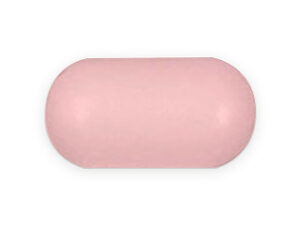
| Typical dosing form | Oral tablet (swallowed whole) |
| Typical frequency | Usually once daily |
| Where it fits | Often used alongside lifestyle changes and may be used with other cholesterol medicines |
| Who should consider it | People who require additional LDL-C reduction (based on clinical assessment) |
Note: Brand names and exact tablet strengths can vary by availability. Always check the strength on your pack and follow the dosing instructions provided with your medicine.
What does bempedoic acid do? (Mechanism of action)
Bempedoic acid works by targeting a key step in cholesterol production in the liver.
- In the liver, bempedoic acid is converted to its active form.
- It inhibits ATP-citrate lyase—an enzyme involved in the pathway that the body uses to make cholesterol.
- By reducing cholesterol synthesis, it helps increase the liver’s removal of LDL-C from the bloodstream.
Important context: Because it acts earlier in the cholesterol-production pathway, bempedoic acid can lower LDL-C even when used with some other cholesterol-lowering therapies. It may be a useful option when additional LDL-C reduction is needed.
Pharmacokinetics (How the body processes it)
Understanding how bempedoic acid behaves in the body can help you use it more confidently.
- Absorption: After oral dosing, bempedoic acid is absorbed and converted to an active metabolite primarily in the liver.
- Conversion to active form: The active metabolite is formed through metabolic processes that involve liver activation.
- Distribution: It circulates in the bloodstream and exerts effects mainly through its action in the liver.
- Metabolism: It is metabolised by the body through enzymatic pathways.
- Elimination: The medicine and its metabolites are cleared from the body primarily through hepatic metabolism and excretion routes.
- Steady state: With daily dosing, blood levels reach a steady pattern over time.
Clinical takeaway: Bempedoic acid’s once-daily regimen is designed to maintain cholesterol-lowering effects throughout the day.
Typical use and timing
Bempedoic acid is used as part of a cholesterol-management plan.
- Typical timing: Usually taken once daily at about the same time each day.
- With or without food: It can generally be taken with or without food (see Food interactions below for key details).
- If you miss a dose: Take it when you remember on the same day. If it’s close to the next scheduled dose, skip the missed dose and continue with your regular schedule. Do not take a double dose.
Practical reminder: Choose a routine that fits your day (for example, after breakfast) to improve consistency.
Indications (When it may be used)
In Australia, bempedoic acid is used to help manage cholesterol—particularly LDL-C—in people who need additional LDL-C reduction beyond lifestyle changes and/or other cholesterol medications.
Depending on individual medical history and lipid results, clinicians may consider bempedoic acid for:
- Primary hypercholesterolaemia (high LDL-C due to genetic or acquired factors)
- Mixed dyslipidaemia (more than one lipid abnormality)
- People who require add-on LDL-C lowering when current therapy alone is insufficient
- Situations where certain other cholesterol medicines may not be suitable (based on clinical judgement and tolerance)
Medical assessment matters: The best choice of therapy depends on your cardiovascular risk, LDL-C levels, other medicines you take, and personal medical history.
Dosing (General guidance)
Common adult dosing is:
- Once daily oral dosing (exact tablet strength as provided on your product pack)
Swallow whole: Tablets should be swallowed with water. Do not crush or split unless the product instructions specifically allow it.
Kidney and liver considerations: Dosing adjustments may be needed in some cases (for example, depending on kidney or liver function). Your healthcare clinician or pharmacist can advise based on your results.
Always follow the instructions on your medicine label and any plan provided by your healthcare professional.
Food interactions
Most people can take bempedoic acid with or without food. However, food can influence how some medicines are absorbed or tolerated.
Key points:
- Take consistently: If you prefer taking it with meals, keep using the same approach each day.
- Hydration: Staying well hydrated supports general wellbeing and may help reduce the risk of some side effects (such as dehydration-related problems).
- Grapefruit and similar foods: There are medicines where grapefruit is important due to metabolism effects. For bempedoic acid, grapefruit restrictions are not commonly emphasised, but it’s still wise to check with your pharmacist—especially if you take other interacting medications.
If you notice stomach discomfort or other side effects, taking it with food may improve tolerability for some people.
Alcohol interactions
There is no universal rule that all cholesterol medicines must be avoided with alcohol. However, alcohol can affect:
- Liver health (especially with heavy or frequent intake)
- Medication tolerance and overall side-effect risk
- Triglyceride levels in some individuals
Safety guidance:
- If you drink alcohol, keep it moderate and consistent.
- Avoid heavy binge drinking, particularly if you have liver issues or abnormal liver tests.
- Discuss your alcohol intake with your pharmacist or clinician, especially if you also take other lipid-lowering medicines.
Medicine interactions (important)
Drug interactions can affect how bempedoic acid works or increase side-effect risk. Tell your pharmacist about all medicines you use, including:
- Prescription medicines
- Over-the-counter products (including cold/flu medicines)
- Herbal supplements (such as St John’s wort)
- Vitamins or mineral products
Common interaction themes to be aware of include:
- Other cholesterol medicines: Bempedoic acid may be used with statins or other lipid-lowering therapies. Some combinations can increase risk of certain side effects and require monitoring.
- Urate/gout-related medicines: Bempedoic acid can affect uric acid levels in some people, which may matter if you have gout or high uric acid.
- Medicines affecting transporter pathways: Some drugs can influence transport and clearance mechanisms, which may change bempedoic acid levels.
- Metabolism-related medicines: Medicines that strongly affect liver metabolism enzymes can alter exposure.
Examples of medicines that may be relevant to discuss with your pharmacist (not an exhaustive list):
- Gout medicines and uric-acid lowering treatments
- Immunosuppressants or other liver-metabolised medicines
- Other lipid-lowering therapies (such as statins or ezetimibe)
- Strong enzyme modulators (depending on your medicine list)
Best practice: Bring your current medicine list (or photos of labels) when starting bempedoic acid so the pharmacist can screen for interactions.
Safety profile (What side effects to watch for)
Most people tolerate bempedoic acid well, but like all medicines it can cause side effects.
Common side effects
- Muscle-related symptoms (report new aches, weakness, or pain)
- Joint pain (including the possibility of gout-like symptoms)
- Raised uric acid levels, which can trigger gout in susceptible individuals
- Back pain or general discomfort
Serious but less common concerns
- Tendon injury or rupture: Seek urgent medical advice if you develop severe pain, swelling, or trouble using a limb.
- Gout flare: Sudden painful swelling of a joint (often the big toe, ankle, or knee) may require prompt assessment.
- Muscle injury: Report severe or persistent muscle pain, dark urine, or marked weakness.
- Liver-related issues: Symptoms such as unusual fatigue, dark urine, or yellowing of skin/eyes should be assessed urgently.
When to seek help:
- Call your doctor or seek urgent care for severe symptoms like tendon pain, signs of an allergic reaction (swelling of face/lips, difficulty breathing), or symptoms suggestive of muscle injury.
- If you’re unsure, contact your pharmacist for advice.
Practical use tips (Making treatment easier)
- Take consistently: Pick a time you can remember every day.
- Track your response: Ask your clinician when you’ll have cholesterol testing (for example, after several weeks of therapy).
- Know your triggers: If you have a history of gout, pay attention to early warning signs of flare-ups (sudden joint pain, redness, warmth).
- Stay hydrated: Adequate fluid intake supports overall health.
- Be alert to muscle and tendon symptoms: Stop and get medical advice promptly if you develop unusual pain or weakness.
- Keep a medicine list: Bring it to appointments and show it to healthcare providers.
Alternative options for lowering LDL-C
Cholesterol management is individual. Depending on your LDL-C level, risk factors, and tolerance of medicines, alternatives may include:
- Statins (often first-line for many people)
- Ezetimibe (reduces cholesterol absorption)
- PCSK9 inhibitors (injectable options for some patients)
- Inclisiran (a long-acting injection in eligible patients)
- Bile acid sequestrants (in selected cases)
- Lifestyle measures including diet changes, weight management, exercise, smoking cessation, and limiting excessive alcohol
Choosing an option: Your clinician will consider your current LDL-C, cardiovascular risk, and medicine tolerance, and may combine therapies to reach target reductions.
Market and legal context in Australia
In Australia, medicines are regulated through the Therapeutic Goods Administration (TGA). Cholesterol-lowering therapies such as bempedoic acid are prescribed and dispensed according to Australian medicines regulation and clinical guidelines.
Availability: Access can depend on product registration status, prescribing practices, and supply through approved channels. Online pharmacy availability may vary based on stock and current listing information.
Prescription and professional care: In Australia, access to certain lipid-lowering medicines may require clinician involvement. Always follow local requirements and your healthcare plan.
Recent guidance and monitoring (What many clinicians consider)
Guidance on lipid management evolves as new evidence becomes available. In current clinical practice, clinicians often focus on:
- LDL-C reduction as a key goal based on cardiovascular risk
- Lifestyle support alongside medicines (diet, activity, and weight management)
- Safety monitoring, including reviewing possible side effects and relevant blood tests when indicated
- Individualising therapy, including combining medicines when appropriate
Monitoring considerations commonly include:
- Lipid blood tests to confirm response
- Uric acid in people at higher risk of gout or with symptoms
- Liver function tests when clinically indicated
Your healthcare professional can explain which monitoring applies to you.
Delivery and availability (Online pharmacy notes for Australia)
Delivery options can vary by pharmacy and location within Australia. When ordering bempedoic acid online, consider:
- Product verification: Ensure the medicine name, strength, and quantity match your requirements.
- Packaging integrity: Medicines should arrive in intact packaging suitable for storage.
- Shipping timeframes: Delivery speed depends on stock location and your postcode.
- Cold chain: Bempedoic acid tablets typically do not require cold storage, but always follow the storage instructions on the product label.
Stock availability: Some medicines may have intermittent supply. If your preferred strength or pack size isn’t available, your pharmacy may suggest alternatives or offer notification when restocked.
Storage
Store bempedoic acid tablets according to the instructions on your pack, commonly:
- Keep in the original packaging
- Protect from moisture
- Store at the recommended temperature range
- Keep out of reach of children
FAQ (Frequently asked questions)
1) How quickly will bempedoic acid lower cholesterol?
Cholesterol lowering typically becomes evident within weeks. Your clinician may arrange a follow-up lipid test to measure your response and decide whether to continue or adjust therapy.
2) Can I take bempedoic acid with other cholesterol medicines?
It may be used with other lipid-lowering therapies depending on your individual treatment plan. Combining medicines can improve LDL-C reduction, but your pharmacist should check for interactions and safety considerations based on your full medicine list.
3) Does bempedoic acid interact with food?
It can generally be taken with or without food. If you experience stomach upset, taking it with a meal may help. Always follow any specific advice from your healthcare professional and the product label.
4) Will I need blood tests while taking bempedoic acid?
Many people benefit from periodic monitoring. Your clinician may check lipids and may check other markers (such as uric acid or liver-related tests) based on your risk factors and symptoms.
5) What should I do if I miss a dose?
Take it as soon as you remember on the same day. If it’s nearly time for your next dose, skip the missed dose and continue normally. Don’t take two doses at once.
6) Can bempedoic acid cause gout?
Some people may experience increased uric acid levels, which can trigger gout flares in those susceptible. If you develop sudden painful swelling in a joint, contact a healthcare professional promptly.
7) Is it safe to drink alcohol?
Moderate alcohol consumption is usually acceptable for many people, but heavy or frequent drinking can affect liver health and overall tolerance. Discuss your alcohol habits with your pharmacist or clinician, especially if you have liver disease or abnormal liver tests.
8) What side effects are most important to report urgently?
Seek urgent advice for signs of tendon injury (severe pain, swelling, or trouble moving a limb), allergic reactions (swelling of face/lips, breathing difficulty), severe muscle symptoms (especially with weakness or dark urine), or yellowing of skin/eyes.
9) Who might not be suitable for bempedoic acid?
Suitability depends on your medical history, current medicines, and risk factors. Your clinician will consider conditions such as kidney or liver problems, gout history, and potential interactions before recommending therapy.
10) Are there alternatives if bempedoic acid isn’t right for me?
Yes. Alternatives may include statins, ezetimibe, PCSK9 inhibitors, other lipid-lowering therapies, and tailored lifestyle changes. Your clinician can help choose the most appropriate option.
Summary
Bempedoic acid is an oral cholesterol-lowering medicine that helps reduce LDL-C by inhibiting ATP-citrate lyase in the liver. It’s typically taken once daily and can be used to support overall cardiovascular risk reduction as part of a broader cholesterol management plan.
For safe and effective use, take it consistently, be mindful of potential side effects (especially muscle/tendon symptoms and gout-related issues), and discuss interactions with your pharmacist—particularly if you’re taking other cholesterol medicines or have a history of gout or liver problems.
If you have questions about availability, dosing instructions on your pack, or whether bempedoic acid is suitable for you, speak with your pharmacist or healthcare professional.