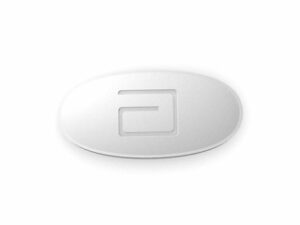
Zetia (Ezetimibe) – Patient Information (Australia)
Zetia contains ezetimibe, a medicine used to help lower cholesterol levels. It is commonly prescribed to support overall cardiovascular risk reduction—especially when diet and other lipid-lowering strategies are not enough. This guide is designed to be easy to read and helpful for everyday use.
Quick Facts
- Active ingredient: Ezetimibe
- What it helps with: Lowers LDL (“bad” cholesterol) and other lipid measures
- How it works: Reduces cholesterol absorption in the intestine
- Typical dosing: Once daily (with or without food, depending on your plan)
- Common side effects: Usually mild; may include stomach discomfort, diarrhoea, or headache
- Availability in Australia: Commonly supplied through pharmacy channels
Basic Product Information
Zetia is an oral tablet containing ezetimibe. It is used as part of a broader cholesterol-management approach, which typically includes:
- Heart-healthy eating (such as reducing saturated fats and refined carbohydrates)
- Regular physical activity
- Weight management (if relevant)
- Stopping smoking and limiting excess alcohol
- Other lipid medicines when appropriate
Your exact treatment plan may differ depending on your lipid levels and medical history. Zetia can be used by itself or together with other cholesterol-lowering therapies.
Mechanism of Action (How Zetia Works)
Ezetimibe works in the small intestine. Specifically, it blocks the NPC1L1 protein, which is involved in the absorption of cholesterol from the digestive tract.
By reducing intestinal cholesterol uptake, ezetimibe helps lower the amount of cholesterol delivered to the liver. In turn, the liver can increase removal of cholesterol from the bloodstream, leading to reduced LDL cholesterol.
Key points:
- Primarily reduces cholesterol absorption (not cholesterol production)
- Works differently from statins and can be combined for additive effect
- Can also modestly reduce triglycerides and increase HDL in some people
Pharmacokinetics (What the Body Does to the Medicine)
Understanding how ezetimibe behaves in the body can help you take it confidently and know what to expect.
Absorption
- Ezetimibe is absorbed from the gut, then extensively converted to its main active metabolite, ezetimibe-glucuronide.
- Food can affect the rate of absorption, though overall effect on cholesterol lowering is generally maintained.
Distribution
- The medicine and its metabolite circulate in the bloodstream and are distributed throughout the body.
Metabolism
- Ezetimibe is primarily metabolised in the liver and intestinal wall through conjugation (glucuronidation).
Elimination
- Most of the drug and its metabolites are eliminated through the bile and faeces.
- A smaller portion is eliminated via the urine.
If you miss a dose, you should not double up. Instead, take your next dose at the usual time and follow your healthcare professional’s advice.
Typical Uses of Zetia
Zetia is used to improve lipid profiles and reduce cardiovascular risk in appropriate patients. Common treatment goals include lowering:
- LDL cholesterol (the main target)
- Non-HDL cholesterol
- Total cholesterol
- Triglycerides (often modestly)
It may be used in several clinical contexts, such as:
- Primary (heterozygous) hypercholesterolaemia: when diet and other strategies are insufficient
- Mixed dyslipidaemia: when LDL and other lipid abnormalities are present
- As an add-on to statins: if more LDL reduction is needed
- When statins are not tolerated or not appropriate, depending on the overall clinical plan
- Some inherited lipid conditions, where cholesterol absorption reduction may be helpful
Your treating clinician will determine the suitability of Zetia based on your lipid results, risk factors, and overall therapy.
Indications (When Zetia Is Used)
In practice, ezetimibe is used to lower cholesterol as part of cardiovascular risk management. It is often indicated:
- To reduce elevated LDL cholesterol in patients who require additional lipid lowering
- As adjunct therapy to statins when LDL goals are not reached with statins alone
- As monotherapy in selected patients who cannot take statins or where statins are not suitable
- For certain genetic or inherited lipid disorders under specialist care
Indications can vary by local guidance and patient characteristics. Always follow advice from your healthcare professional for the most appropriate use in your situation.
Dosing and Timing
Zetia is taken by mouth. The most common regimen is:
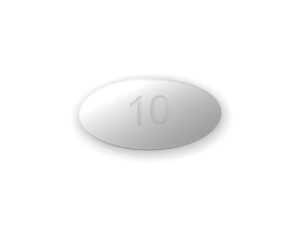
- Adults: usually 10 mg once daily
Many patients take their dose at any time of day. Consistency helps you remember.
When to Take It
- Once daily is typical.
- It can be taken with or without food in most cases.
- If you experience stomach upset, consider taking it with food (unless your clinician advised otherwise).
How Long Until It Works?
Cholesterol changes can be seen after consistent use. Blood tests are typically done to monitor response and safety as advised by your clinician.
If You Miss a Dose
- Take it as soon as you remember that same day.
- If it is nearly time for your next dose, skip the missed dose.
- Do not double to make up for the missed dose.
Food Interactions (Can You Take Zetia With Meals?)
In general, ezetimibe can be taken with or without food. However, food may slightly influence the speed of absorption.
Practical advice:
- Choose a routine time you can stick with (e.g., breakfast or dinner).
- Keep taking it consistently for best results.
- If you notice gastrointestinal side effects after taking it, try taking it with a meal and monitor whether symptoms improve.
Alcohol and Medicine Interactions
Zetia itself is not typically strongly associated with alcohol interactions in the way some other lipid medicines may be. However, alcohol can still affect:
- Liver health (especially with heavy or frequent alcohol intake)
- Triglyceride levels (alcohol may worsen triglycerides in some people)
- Overall cardiovascular risk
If you drink alcohol, consider the following safety tips:
- Keep alcohol intake within Australian guidelines and your clinician’s advice.
- Discuss alcohol use with your healthcare professional if you have liver disease or abnormal liver tests.
- Avoid “binge” drinking, which can worsen lipids and increase health risks.
Important: Always consider the medicines you take alongside Zetia (for example, statins or fibrates), because the interaction risk profile may be influenced by those medicines.
Medicine Interactions (What to Tell Your Pharmacist)
Before starting Zetia, it’s helpful to review all medicines you take—including prescription medicines, over-the-counter products, vitamins, and herbal supplements.
Notable interaction considerations:
- Cholesterol absorption–related medicines: If you take bile acid sequestrants (older “resins” used to bind bile), timing may be needed. Your pharmacist can advise on spacing doses if applicable.
- Fibrates: Some combinations may require closer monitoring for safety, especially related to muscle and liver considerations.
- Statins: Zetia is commonly combined with statins. This combination is widely used, and safety monitoring may be advised (including liver-related blood tests).
This is not a complete list of interactions. Your pharmacist can check your specific medication list for potential issues.
Safety Profile (Side Effects and When to Seek Help)
Most people tolerate Zetia well. As with all medicines, some side effects can occur. Below is a patient-friendly overview.
Common Side Effects
- Headache
- Diarrhoea
- Abdominal discomfort, nausea, or stomach pain
- Fatigue
Less Common or Serious Effects (Seek Medical Advice Promptly)
- Allergic reactions: swelling of the face/lips, rash, itching, or difficulty breathing
- Unexplained muscle problems: muscle pain, tenderness, weakness (especially if severe)
- Liver-related issues: unusual tiredness, dark urine, yellowing of the skin/eyes (jaundice), or persistent nausea
If you experience symptoms that worry you, contact a healthcare professional promptly. Do not stop treatment without discussing it first, unless you suspect a serious allergic reaction or another urgent issue.
Monitoring
- Lipid levels: typically checked to confirm the response.
- Liver tests: may be monitored, especially if Zetia is used with other lipid medicines such as statins.
- General safety: review of side effects and tolerability at follow-up appointments.
Practical Use Tips (Getting the Best Results)
- Be consistent: Take Zetia once daily at the same time if possible.
- Keep taking it even when you feel well: cholesterol reduction often occurs without symptoms.
- Pair with lifestyle changes: medicine works best alongside diet, exercise, and smoking cessation.
- Use a medication reminder: phone alarms, blister packs, or pill organisers.
- Track results: remember to attend blood tests and follow-up visits.
- Tell your clinician about new symptoms: especially muscle pain, weakness, or signs of liver issues.
If you are taking Zetia with a statin or other cholesterol medicine, discuss your plan for monitoring and side effects.
Alternative Options (Other Treatments for High Cholesterol)
Cholesterol management is individual. Alternatives depend on your cholesterol pattern (LDL, triglycerides), cardiovascular risk, and tolerability.
Common alternative or complementary approaches
- Statins: often first-line; reduce cholesterol production
- Other add-on medicines: depending on the situation, clinicians may use additional therapies
- Bile acid sequestrants: bind bile acids to reduce cholesterol reabsorption
- PCSK9 inhibitors: injectable options for certain higher-risk patients
- Dietary strategies: increasing soluble fibre, reducing saturated fat, and focusing on whole foods
- Physical activity and weight management: can improve lipid profiles and overall risk
Your pharmacist or doctor can help you compare options based on your lab results and preferences.
Australia Market / Legal Context and Guidance
In Australia, prescription and supply processes are regulated to support safe use of medicines. Lipid-lowering medicines are typically provided through appropriate clinical pathways and pharmacy services.
Where to look for up-to-date information
- Australian health guidance: clinical practice and lipid management recommendations are periodically updated by Australian medical bodies.
- Medicine information sources: your pharmacist can provide the most current Consumer Medicines Information and how-to-use guidance for the specific product you receive.
- Product availability: medicines in Australia are listed and distributed via established pharmaceutical channels; stock availability can vary by supplier and region.
Guidance can also be influenced by recent clinical evidence and updates from regulators or guideline groups. If you want, ask your pharmacist for the latest consumer information leaflet applicable to your tablet strength and brand pack.
Recent Guidance (What Patients Should Know Now)
Recent cholesterol-care trends emphasise:
- Risk-based targets: treatment decisions consider cardiovascular risk, not only lab numbers
- Combination therapy when appropriate: when LDL goals are not met with a single medicine, add-on strategies may be considered
- Shared decision-making: discussing benefits, risks, and monitoring plans
- Lifestyle remains central: even with medication, diet, exercise, and smoking cessation remain key
If you’re unsure whether you’re meeting your cholesterol goals, ask for a review of your most recent lipid results and the plan for follow-up testing.
Delivery and Availability in Australia
Many online pharmacies in Australia can supply Zetia to eligible customers based on local regulations and pharmacy policies. Availability can depend on:
- Tablet strength and pack size
- Current demand and supplier stock
- Your delivery location
Delivery expectations: delivery times vary by provider and region. Your pharmacy page should display estimated dispatch and delivery times. If a product is temporarily unavailable, the pharmacy may offer alternatives or notify you of options.
- Check for delivery fees and estimated transit times at checkout.
- Ensure your delivery address is correct to avoid delays.
- If you require urgent supply, contact the pharmacy to confirm stock status.
Frequently Asked Questions (FAQ)
1) What is Zetia used for?
Zetia (ezetimibe) is used to lower cholesterol, particularly LDL (“bad” cholesterol), as part of cardiovascular risk management. It can be used alone or with other cholesterol-lowering medicines.
2) How does Zetia differ from statins?
Statins mainly reduce cholesterol production in the liver. Zetia reduces cholesterol absorption from the intestine. Because they work differently, they can be used together for a greater LDL reduction effect.
3) Can I take Zetia with food?
In general, Zetia can be taken with or without food. If you find it upsets your stomach, taking it with a meal may help.
4) When should I take my Zetia dose?
Zetia is usually taken once daily. Many people choose a consistent time each day. Follow your healthcare professional’s plan.
5) What if I miss a dose?
Take it when you remember on the same day. If it’s nearly time for the next dose, skip the missed dose and resume your regular schedule. Do not double up.
6) Does Zetia cause weight gain?
Weight changes are not a typical direct effect of ezetimibe. If weight changes occur, consider overall lifestyle factors and discuss with your healthcare professional.
7) Are there important side effects to watch for?
Many side effects are mild. Seek prompt medical advice if you experience signs of a serious allergic reaction, persistent severe abdominal pain, unexplained muscle pain/weakness, or possible liver-related symptoms (such as yellowing of skin/eyes or dark urine).
8) Can I drink alcohol while taking Zetia?
Moderate alcohol intake is generally compatible for many patients. However, alcohol can affect liver health and triglycerides. If you have liver problems or high triglycerides, discuss safe alcohol limits with your clinician.
9) What medicines interact with Zetia?
Interactions may depend on what else you take. Zetia can be combined with statins, and it may require additional caution when used with certain other lipid-lowering medicines. Always tell your pharmacist about your complete medication list, including supplements.
10) How soon will my cholesterol improve?
Cholesterol improvements can occur after consistent use. Your clinician will typically schedule blood tests to check response and safety.
Summary
Zetia (ezetimibe) is an oral medicine used to lower cholesterol by reducing absorption in the intestine. It’s commonly taken once daily and may be used alone or in combination with other lipid-lowering therapies. Most people tolerate it well, and ongoing monitoring of cholesterol levels (and sometimes liver tests, depending on your overall regimen) helps ensure safe and effective treatment.
If you have questions about your specific dosing schedule, side effects, or whether Zetia is suitable alongside your other medicines, your pharmacist is a great first point of contact.