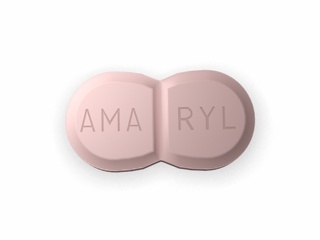

Amaryl (Glimepiride) — Patient-Friendly Guide (Australia)
Amaryl contains glimepiride, a medicine used to help control blood glucose (sugar) in people with type 2 diabetes. This guide explains how Amaryl works, how it’s typically taken, important safety information, and practical tips to get the most benefit while minimising risks.
Always follow the dosing instructions provided with your medicine. Your healthcare professional may adjust your dose based on your blood sugar levels, kidney function, age, and other medicines you take.
Basic Product Information
| Product | Active ingredient | Drug class (general) | Used for |
|---|---|---|---|
| Amaryl | Glimepiride | Sulfonylurea (insulin secretagogue) | Type 2 diabetes (adults) |
Common strengths: Amaryl is available in several tablet strengths (for example, 1 mg, 2 mg, and 3 mg), depending on the market and prescriber preference.
How it’s supplied: Tablets for oral use.
What Amaryl Does (Mechanism of Action)
Glimepiride belongs to the sulfonylurea family. It lowers blood glucose primarily by:
- Stimulating insulin release from the pancreas (in people who still have functional beta cells).
- Improving insulin effectiveness indirectly by influencing how the body responds to insulin.
Key point: Because Amaryl works by increasing insulin release, it can sometimes cause low blood sugar (hypoglycaemia), especially if meals are missed or the dose is too high for your needs.
Pharmacokinetics (How the Body Handles Glimepiride)
Pharmacokinetics describes what happens to a medicine in the body, including absorption, metabolism, and elimination.
- Absorption: Glimepiride is absorbed after oral dosing. Taking it with food may help reduce stomach upset and can support more predictable blood sugar effects.
- Peak effect: Blood levels typically rise after dosing, with a time to peak concentration that can vary by person.
- Metabolism: Glimepiride is mainly metabolised by the liver.
- Excretion: Metabolites are eliminated via urine and bile/faeces.
- Half-life: It has a relatively long duration of action, which contributes to its once- or twice-daily dosing in many regimens. Individual response varies.
Why this matters: Because glimepiride can act over many hours, hypoglycaemia can occur if meals are delayed or if dose changes are made without careful monitoring.
Typical Use and Who It’s For
Amaryl is used as part of diabetes management for type 2 diabetes when blood glucose is not adequately controlled by:
- Dietary changes and physical activity alone, and/or
- Other diabetes medicines, depending on your treatment plan.
Common scenarios:
- Starting treatment to improve HbA1c (average blood sugar over time).
- Adding to other glucose-lowering therapies when needed.
- Adjusting therapy if blood sugar readings change due to weight, diet, activity, illness, or ageing.
Not typically used for: Type 1 diabetes or diabetic ketoacidosis.
Indications (When Amaryl Is Used)
In Australia, glimepiride is indicated for the treatment of type 2 diabetes to improve glycaemic control in adults. It may be used alone or in combination with other diabetes medicines as determined by your healthcare professional.
When to Take Amaryl (Timing and How to Use)
Common timing: Many people take Amaryl , usually with breakfast or the first main meal of the day. Some regimens may differ depending on dose and individual response.
Important:
- Take your dose at the same time each day to help maintain steady blood glucose control.
- Try to take it with food (especially with the first meal) to reduce the risk of low blood sugar.
- If you miss a dose, do not double up. Follow the instructions provided by your pharmacist/doctor.
Meal consistency matters: If you often skip meals or have irregular eating patterns, the risk of hypoglycaemia may increase.
Dosing (General Guidance)
Dose selection is individual. Your clinician may start at a lower dose and gradually adjust based on:
- Your blood glucose readings (fasting and/or post-meal)
- Your HbA1c
- Age and overall health
- Kidney function and liver function
- Whether you’re taking other medicines that affect blood sugar
General approach used clinically:
- Start with a low dose and monitor response.
- Titrate cautiously to reach target glucose levels.
- Use the lowest effective dose to reduce hypoglycaemia risk.
Do not change your dose without medical advice.
Food Interactions (Diet and Meal Effects)
Because glimepiride increases insulin release, food timing and carbohydrate intake significantly affect safety and effectiveness.
What you should do
- Take with a meal, typically breakfast or your first main meal.
- Keep meal times as consistent as possible.
- Include carbohydrates in line with your diabetes eating plan.
- Use glucose monitoring if you’re adjusting diet, exercise, or the dose.
Common food-related risks
- Skipping meals: higher risk of hypoglycaemia.
- Fasting: risk increases, particularly if you continue taking the same dose.
- Low-carbohydrate diets: may require dose adjustments for safety (discuss with your clinician).
Alcohol Interactions
Alcohol can affect glucose control in several ways—by changing the liver’s ability to release stored glucose and by increasing the chance of missing meals or having irregular eating.
- Hypoglycaemia risk: alcohol can increase the risk of low blood sugar, especially if you drink without eating.
- Decision-making risk: hypoglycaemia symptoms can be mistaken for drunkenness, delaying treatment.
Practical advice: If you choose to drink alcohol, do so with food and monitor blood glucose more closely. Ask your pharmacist or doctor for advice tailored to you.
Medicine Interactions (Other Medicines That May Affect Amaryl)
Many medicines can alter how glimepiride works or influence blood sugar levels. This includes medicines that:
- Increase hypoglycaemia risk (amplify the sugar-lowering effect)
- Reduce Amaryl’s effect (make blood sugar higher)
- Increase or decrease glimepiride levels in the body
Always tell your healthcare professional about all medicines you take, including:
- Prescription medicines
- Over-the-counter products
- Herbal supplements
Examples of medicines that may interact (not a complete list):
- Other diabetes medicines (may increase hypoglycaemia risk)
- Some antibiotics that can influence blood glucose or liver metabolism
- Non-steroidal anti-inflammatory drugs (NSAIDs) in some cases
- Beta-blockers (may mask hypoglycaemia symptoms)
- Glucocorticoids (can raise blood glucose)
- Thyroid hormones (can change glucose requirements)
- Some antidepressants and other medicines that may affect metabolism
What to do if you start a new medicine: Check with your pharmacist or doctor whether you need extra glucose monitoring or a dose adjustment.
Safety Profile (Side Effects and When to Seek Help)
Like all medicines, Amaryl can cause side effects. Some are mild and common; others require urgent attention.
Most important risk: Hypoglycaemia
Hypoglycaemia (low blood sugar) is the key safety concern with sulfonylureas.
Common symptoms include:
- Sweating
- Trembling or shakiness
- Hunger
- Fast heartbeat
- Headache
- Dizziness or weakness
- Confusion, irritability, or difficulty concentrating
Severe hypoglycaemia may include unconsciousness or seizures. If this occurs, it can be a medical emergency.
How to respond (general): If you suspect low blood sugar, take fast-acting carbohydrate (such as glucose tablets or sugary drink), then re-check your blood glucose as advised. If you cannot safely treat yourself, seek urgent medical help.
Other possible side effects
- Weight gain (can occur with insulin secretagogues)
- Gastrointestinal symptoms such as nausea or indigestion (often improved by taking with food)
- Skin reactions (less common)
- Lab changes such as mild alterations in liver enzymes (your doctor may monitor blood tests)
When to seek urgent medical attention
- Symptoms of severe hypoglycaemia (confusion, fainting, seizure)
- Allergic symptoms such as swelling of face/lips, trouble breathing, or widespread rash
- Persistent vomiting, severe dehydration, or inability to keep food down (especially if diabetes is uncontrolled)
Practical Use Tips (How to Use Amaryl Safely)
- Check your blood glucose regularly if advised, especially when starting or adjusting dose.
- Eat consistently: don’t skip meals, and keep carbohydrate intake aligned with your diabetes plan.
- Carry quick sugar: fast-acting glucose sources can help treat low blood sugar quickly.
- Be careful with exercise: increased physical activity can lower glucose; you may need monitoring and adjustments.
- Know hypoglycaemia triggers: missed meals, alcohol without food, excess exercise, illness, or taking interacting medicines.
- Wear identification (medical alert) if you’re at risk of hypoglycaemia.
- Stay hydrated during illness; sick days often change glucose levels.
“Sick day” considerations
Illness, reduced appetite, fever, or vomiting can change your glucose levels and your ability to eat. If you’re unwell, contact your healthcare professional for individual advice. Do not stop medicines suddenly unless advised.
Alternative Options (Other Ways to Treat Type 2 Diabetes)
Several medicine options exist for type 2 diabetes. Which is best depends on your HbA1c, weight goals, kidney function, heart health, risk of hypoglycaemia, and preferences.
Common alternatives (general categories):
- Metformin (often first-line in many treatment approaches)
- DPP-4 inhibitors (lower risk of hypoglycaemia than sulfonylureas)
- SGLT2 inhibitors (may offer benefits beyond glucose control in some people)
- GLP-1 receptor agonists (injectable options; can support weight loss)
- Thiazolidinediones (in selected cases)
- Insulin (for advanced disease or when rapid control is needed)
Discuss options with your clinician if you experience frequent low blood sugar, unwanted weight gain, or inadequate glucose control.
Amaryl in the Australian Market: Legal and Practical Context
In Australia, medicines such as Amaryl are regulated under the TGA (Therapeutic Goods Administration) framework and must be supplied according to Australian laws and medicine schedules.
For online pharmacy services, availability typically depends on:
- How the medicine is classified in Australia
- Whether health checks or eligibility steps are required by the supplier
- Compliance with supply policies and Australian regulations
Important: Always use medicines exactly as directed by your healthcare professional and follow the instructions on the pack.
Recent Guidance and Diabetes Care Updates (General)
Diabetes management guidance evolves over time. In recent years, clinical care has continued to emphasise:
- Individualising treatment based on cardiovascular and kidney risk
- Minimising hypoglycaemia risk where possible
- Regular review of HbA1c and glucose patterns
- Supporting lifestyle measures (nutrition, activity, weight management, smoking cessation)
- Considering newer medicine classes for suitable patients
What this means for Amaryl users: If you’ve been stable for a long time, your clinician may still review whether your current therapy remains the safest and most effective option for your circumstances.
Delivery and Availability (Online Pharmacy)
Availability of Amaryl may vary by supplier and tablet strength. When ordering through an online pharmacy in Australia, delivery options typically include:
- Standard shipping (varies by location)
- Express shipping where available
- Tracking for parcels in most services
- Secure packaging to protect tablets
Before ordering:
- Confirm the strength you need
- Check quantity and dosing schedule
- Allow for delivery time to avoid missed doses
- Store tablets as directed on the pack (typically at controlled room temperature, away from moisture)
FAQ (Frequently Asked Questions)
1) How soon does Amaryl start working?
Glimepiride begins lowering blood glucose after a dose and generally has a measurable effect within hours. The exact timing differs among individuals. Your diabetes plan and glucose monitoring results will guide how quickly you can expect changes.
2) Can I take Amaryl without food?
It is generally recommended to take glimepiride with your first main meal (often breakfast). Taking it without food can increase the risk of hypoglycaemia.
3) What should I do if I miss a dose?
If you miss a dose, do not take a double dose. Take the next dose at the usual time and follow advice from your healthcare professional or the medication instructions provided by the pharmacist.
4) Will Amaryl cause weight gain?
Some people experience weight gain with sulfonylureas. Maintaining a diabetes-friendly eating pattern and monitoring weight can help. Discuss concerns with your clinician.
5) How can I recognise low blood sugar?
Common symptoms include sweating, shaking, hunger, fast heartbeat, dizziness, headache, weakness, and confusion. Because symptoms vary, pay attention to your personal warning signs and monitor blood glucose when advised.
6) Are there special precautions for older adults?
Yes. Older adults may be more sensitive to hypoglycaemia and can have reduced kidney function. Dose adjustments and careful monitoring may be needed.
7) Can I drive while taking Amaryl?
Be cautious if you have a history of hypoglycaemia or if your blood sugar control is unstable. If you experience low blood sugar symptoms, do not drive until you are confident you are safe.
8) What happens if I drink alcohol?
Alcohol may increase the risk of hypoglycaemia, particularly if you drink without food. If you choose to drink, take it with food and monitor your glucose more closely.
9) What if I take other diabetes medicines with Amaryl?
Combination therapy may improve glucose control but can increase hypoglycaemia risk depending on the medicines involved. Your healthcare professional will advise monitoring and dose adjustments.
10) Is it safe to stop Amaryl suddenly?
Do not stop diabetes medicines without medical advice. Stopping suddenly can lead to high blood glucose. If you’re considering changes due to side effects or other reasons, speak with your healthcare professional.
Summary
Amaryl (glimepiride) helps manage type 2 diabetes by stimulating insulin release from the pancreas. It can be effective for lowering blood glucose, but it carries an important risk of hypoglycaemia, especially when meals are missed, alcohol is consumed, or interacting medicines are used. Taking Amaryl with food, keeping meal times consistent, and monitoring blood sugar when needed are key to safe use.
If you have questions about dosing, side effects, or interactions, speak with your pharmacist or diabetes care team.